
Our projects
Explore Particip’s project experience across countries, sectors and areas of expertise.
Our references provide an overview of completed and ongoing assignments, including their objectives, geographic scope, duration and contract value.
Showing 11–20 of 98 references
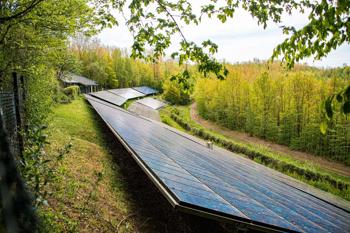
Provision of assistance for the technical and financial monitoring of ongoing projects funded from previous and on-going LIFE programmes and on thematic support.
- 2023 – 2027
- over € 10 million
- Europe
LIFE is the main European Commission funding mechanism for improving the state of the environment in the European Union.
Particip GmbH is responsible for the management of the ELMEN EEIG. Particip provides the Administrative Team, the financial management, and one of the two Managing Directors of ELMEN EEIG, and is therefore responsible for ensuring an effective operation of business activities and the compliance with contractual requirements. The overall management tasks include budgeting, accounting and controlling, as well as guaranteeing high team performance and quality assurance.
The general objective of LIFE is to contribute to the implementation, updating and development of EU environmental and climate policy and legislation by co-financing projects with European added value. The general objectives of LIFE shall be pursued through four sub-programmes:
- Nature and biodiversity
- Circular economy and quality of life
- Climate change mitigation and adaptation
- Clean energy transition
The specific objectives of LIFE are:
- To contribute to the transition towards a resource-efficient, low-carbon and climate resilient economy, to the protection and improvement of the quality of the environment and to halting and reversing biodiversity loss, including the support of the Natura 2000 network and tackling the degradation of ecosystems;
- To improve the development, implementation and enforcement of Union environmental and climate change policy and legislation, and to act as a catalyst for, and promote, the integration and mainstreaming of environmental and climate objectives into other Union policies and public and private sector practice, including by increasing the public and private sector’s capacity;
- To support better environmental and climate governance at all levels, including better involvement of civil society, NGOs and local actors;
- To support the implementation of the 7th Environment Action Programme.
The ELMEN EEIG provides about 130 long-term experts specialised in monitoring and evaluation and in thematic fields related to EU environmental policy. The experts monitor more than 1000 projects that are financed via the LIFE instrument.
- Partners:
- ELMEN EEIG (managed by Particip) (Lead), ELLE, IDOM, ILE UKE, Oréade-Brèche, Particip, Prospect C&S, TIMESIS
- Keywords:
- Agriculture, Environment, Forestry, Governance, Industry & private sector development, Monitoring & Evaluation
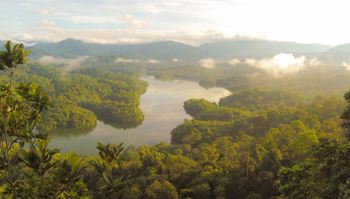
EU Technical Assistance Facility for Improving Sustainable Forest Management (Forests For the Future Facility - F4)
- 2020 – 2027
- over € 10 million
- Global
The Forests for the Future Facility (F4) provides strategic and technical support to the European Commission and to partner countries, to contribute to healthy forest ecosystems able to create decent jobs and to enhance economic growth in partner countries. F4 has a demand-driven approach to improve the number, quality and effectiveness of EU interventions in the forest-relevant sectors. F4's main themes are linked to sustainable forest management, private sector investment, policy reforms and sustainable value chains.
The F4 serves as a platform for dialogue and exchange as well as practical cooperation to address the interlinkages between development, poverty reduction, trade, climate change, biodiversity and forest.
F4 is based on two mutually reinforcing pillars: on the one hand a platform for policy dialogue and knowledge exchange and on the other hand a source of technical and financial support to implement forest-related programmes.
Specifically, the F4 Facility constitutes a team of experts that provides technical assistance to the Commission staff (Commission Headquarter in Brussels and EU delegations, as appropriate) and partner countries to improve the quality of forest-relevant programmes or activities at any stage of their cycle (negotiation, programming, identification, formulation, implementation and evaluation).
The Facility is able to address the full spectrum of the forest sector from legal and sustainable forest management and conservation to trade and consumption aspects, by developing sustainable value chain analysis through a holistic approach, looking extensively at economic, social and environmental indications.
In this context, the Facility promotes the concept of Forest Partnership, integrating programming documents, Team Europe Initiatives and additional policies, which may arise.
Particular attention is given to the role of private sector (smallholder farmers, MSMEs) as a driver of inclusive and sustainable forest sector growth and to enhance civil society ability and capacity to participate in the decision-making and monitoring process.
The Facility also has to be able to assess and develop policies/strategies (reforms, governance, legal framework, institutional strengthening, financing plan, fiscal incentives) within the forest sector as well as sectors that may have an impact on forests, like agriculture, infrastructure, mining.
- Partners:
- Particip (Lead), GFA, Indufor Oy - Metsahallitus Group, Oréade-Brèche, Prospect C&S
- Keywords:
- Communication & media, Environment, Forestry, Industry & private sector development, Project implementation / Technical Assistance

PROMOVE Biodiversidade Final Evaluation and capitalization towards GG implementation
- 2026 – 2027
- under € 500,000
- Mozambique
The programme seeks to protect biodiversity and improve the livelihoods of rural communities through four main components: (i) strengthening institutional governance, policy dialogue and financial sustainability of natural resource management; (ii) promoting sustainable, community-based livelihoods and alternative economic opportunities; (iii) improving biodiversity conservation, ecosystem management and monitoring through community participation; and (iv) supporting applied research and participatory studies to inform evidence-based planning and policymaking.
Its specific objectives are to (i) assess the achievement of expected outputs and outcomes and emerging impacts; (ii) analyse factors influencing implementation and performance, including constraints, risks and enabling factors; (iii) generate evidence and lessons learned to inform future EU biodiversity programming, particularly under the Global Gateway Strategy and in synergy with the SADC NaturAfrica Programme; (iv) assess the effectiveness of EU resource utilisation and the added value of EU support; and (v) ensure transparent, evidence-based reporting on achievements, challenges and priorities for future cooperation.
The evaluation will apply the OECD-DAC evaluation criteria and EU added value, while integrating cross-cutting considerations such as gender equality, social inclusion, human rights and climate change adaptation.
- Keywords:
- Environment, Governance, Monitoring & Evaluation
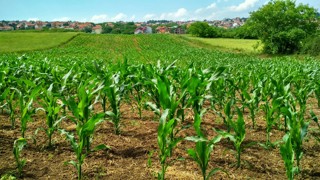
Bio-Waste 5 Regions Project (BW5R)
- 2024 – 2027
- € 500,000 – 1 million
- Serbia
The specific objective of this contract is to enhance the capacities of the national and local authorities in order to allow them to plan, organize and implement the introduction of bio(green)waste source separation into 25 targeted cities/municipalities across five waste management regions namely Subotica, Pančevo, Sremska Mitrovica (Srem-Mačva), Užice (Duboko) and Pirot.
The scope of the contract is to support introduction of home composting, separate collection and simple biological treatment of biowaste (inc. green waste) in 25 cities/municipalities across five waste management regions in Serbia.
The separation at source approach is as valid for bio-waste as it is for other recyclable materials.
Preparation for recycling, by the generator (source) of the waste consists of separating bioaste from other types of waste and either home composting or bringing to a shared site or putting out for collection.
Within the proposed approach, the home composting measure represents a package of support provided to citizens to prepare and treat bioaste at home. The EU suggests home composting in rural areas or areas where it is reasonable and realistically achievable, including educational programmes and composting advisors. The introduction of door-to-door collection and biological treatment by composting is envisaged at the municipal level. This would include collection from individual households (where home composting is not realistic), small businesses such are restaurants, groceries, super-markets and green markets, green waste from public places. Serbia already has some local PUCs conducting seasonal campaigns to collect green waste and agreements with some small businesses. The intention under this project is to systemize and increase the number of campaigns.
- Partners:
- Particip (Lead)
- Keywords:
- Communication & media, Environment
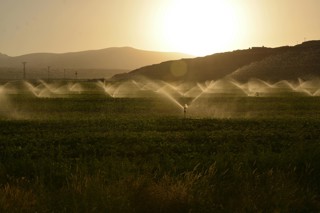
Support to the Egyptian Irrigation Modernization to Enhance the Water Productivity programme
- 2024 – 2027
- € 500,000 – 1 million
- Egypt
The envisaged programme to be designed is foreseen to include:
Component 1: Implementation of on-farm irrigation water management Infrastructure. This component is intended to support on-farm (marwa/mesqa) irrigation modernization in the Nile Valley (specific areas to be decided).
The component is divided into the following:
1. Rehabilitation of mesqa (tertiary) system, including pump stations, wherever feasible renewable energy pumps (mainly solar pumps) will be considered, while accounting for feasibility and sustainability measures.
2. Transformation from open marwa canals to a pressurized distribution system composed of buried PVC pipes and hydrants and installing modern irrigation system (drip or bubblers) in the farms.
3. Establishment of mesqa Water User Associations and ensuring their proper representation.
Component 2: Capacity building and participation for government staff and farmers in the project area. This component aims to improve stakeholders' knowledge through
1. Building the capacity of Water User Associations, and key farmers on operation and maintenance of modernized irrigations systems, marketing, accounting and management.
2. Building the capacity of Ministry of Water Resources and Irrigation officials in the field of design, implementation and operation of modern irrigation schemes, and improving their knowledge in the most recent technologies of water management and irrigation modernization.
- Partners:
- Particip (Lead), Incatema
- Keywords:
- Agriculture, Environment, Rural and urban development

Support to EU Deforestation Regulation (EUDR) compliance in Rwanda
- 2026 – 2027
- under € 500,000
- Rwanda
The overall objective is to strengthen Rwanda’s institutional and practical readiness towards EUDR compliance. The specific objectives are:
- SO1: Support the institutionalisation of a coordinated national governance mechanism for EUDR compliance in the coffee sector.
- SO2: To contribute to Rwanda’s georeferenced data of the coffee sector in the Eastern Province.
- Keywords:
- Agriculture, Environment
Framework Agreement for Decentralized Evaluations and Reviews (FADER) - Lot 1
- 2023 – 2027
- € 2 – 5 million
- Ethiopia, Indonesia, Kyrgyzstan, Nepal, Tajikistan, Tanzania, Ukraine, Uzbekistan, Viet Nam
The Framework Agreement for Decentralized Evaluations and Reviews (FADER) LOT 1 covers different types of appraisals, evaluations and reviews of development cooperation projects and programmes funded by the Ministry for Foreign Affairs of Finland (MFA).
The main users of the FADER are the regional departments of the MFA, which have regional and country specific development cooperation programmes/projects in Africa, the Middle East, Asia, Eastern Europe and Central Asia.
The following assignments are implemented by Particip GmbH:
- Project appraisal: Strengthening inclusive education system in support of Ethiopia's general education sectoral programme,
- Appraisal of the Local Adaptation to Climate Change- Project in Nepal,
- Project appraisal: Rural Economic Development (RED) Phase I in Ethiopia,
- Appraisal of the “Forestry, Land Use and Value Chains Development in Tanzania” (FORLAND) programme,
- Appraisal of Tax Sector Support to Tanzania (TAXTAN) programme.
- Keywords:
- Agriculture, Education, Environment, Forestry, Governance, Monitoring & Evaluation, Rural and urban development

DUKINGIRE IBIDUKIKIJE - Conservation and enhancement of natural ecosystems and their biodiversity for green growth of rural communities in Burundi
- 2022 – 2027
- € 1 – 2 million
- Burundi
This project is part of the program “DUKINGIRE IBIDUKIKIJE – Conservation and enhancement of natural ecosystems and their biodiversity for green growth of rural communities in Burundi” which supports the preservation of natural ecosystems (including two protected areas) in the context of integrated landscape management and wants to help enhance their goods and services.
This program will contribute to sustainably improving the living conditions of the population of the areas of intervention, including displaced persons and returnees, as well as economic and social development from the country. Particular attention will be given to the communities living around the areas protected so that human pressure on them is reduced and that these communities contribute to their sustainable management.
The program is structured around three components:
- Component 1 – Governance and sustainable and inclusive / participatory management of areas protected areas, in particular the Kibira and Rusizi National Parks, are improved.
- Component 2 – Integrated land restoration and management practices and mechanisms and water resources are improved.
- Component 3 – Organization, monitoring and management of the water supply service for drinking water in rural areas are improved for the benefit and thanks to the participation of local populations, with a focus on groups in vulnerable situations.
This program will be implemented in the Kibira and Rusizi National Parks, their buffer zones, as well as in micro-basins which feed the Rusizi River and which will be identified in start of the program on the basis of environmental vulnerability criteria (the program will therefore cover the provinces of Cibitoke and Bubanza, and a municipality in the province of Bujumbura rural).
The specific objective of this contract is as follows:
Contribute to strengthening the efficiency and effectiveness of actions for the protection and enhancement of ecosystem services in the Rusizi river basin, implemented under the program “DUKINGIRE IBIDUKIKIJE - Conservation and enhancement of natural ecosystems and their biodiversity for green growth of rural communities in Burundi”.
This will involve the provision of a team of experts who will accompany and support the implementation and monitoring of actions, facilitate sector coordination and provide quality technical expertise to the entire program.
- Partners:
- Particip (Lead), COWI, Expertise Advisors (formerly: ETI Consulting)
- Keywords:
- Environment, Forestry
Mid-Term Evaluation of the Ukraine Facility
- 2025 – 2026
- under € 500,000
- Ukraine
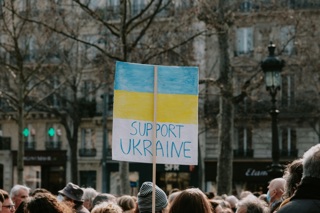
The Ukraine Facility (the Facility) is a key instrument of the European Union’s strategy to address the scale and complexity of the challenges facing Ukraine in the wake of Russia’s ongoing war of aggression. This mid-term evaluation (MTE) is a stock-taking, lesson-learning, and forward-looking exercise, whose general objective is to provide the European Commission and other key stakeholders with an independent assessment of progress towards the Facility’s objective.
The specific objectives of the evaluation are:
- To provide a qualitative and quantitative assessment of the relevance, implementation conditions, and performance of the Facility as a performance-based instrument, with particular attention to efficiency, effectiveness, and EU added value.
- To assess the protection of the financial interests of the Union.
- To identify lessons learned (positive and negative), best practices, and recommendations, particularly regarding:
- the impact on the administrative capacities of Ukrainian public institutions (including monitoring and reporting) and the link to actual results and their sustainability;
- the administrative costs for Commission services in terms of expertise and processes; and
- the factors that facilitate or hinder the effectiveness of the Facility in achieving its objectives.
- Keywords:
- Energy, Governance, Justice/Rule of Law, Macro-economic/ National policy, Monitoring & Evaluation

Framework Contract Services for the Implementation of External Aid 2018 ('FWC SIEA 2018') Lot 1 – Sustainable management of natural resources and resilience
- 2018 – 2026
- over € 10 million
- Global
The objective of the FWC is to provide, via individual assignments defined and contracted through Specific Contracts, expertise which can be mobilised at short notice. The expertise may be required at any stage of the project cycle (except financial audits) and may cover the following sectors related to Sustainable management of natural resources and resilience:
Agriculture
1.1. Crop production, storage, conservation, transformation, and marketing /value chains
1.2. Vegetable, fruit and cash crop productio n storage, conservation, transformation and marketing /value chains
1.3. Legal aspects
1.4. Alternative production systems (organic farming, agroforestry, permaculture)
2. Livestock
2.1. Livestock regeneration plans
2.2. Veterinary, animal health, animal identification, quarantine and border inspection posts
2.3. Trade of animal products
2.4. Production, conservation, storage and marketing of animal products
2.5. Legal aspects
3. Sustainable Forestry management and conservation
3.1. Forest inventories, forest management plans, forest establishment and plantation management
3.2. Agroforestry, community and environmental development programmes
3.3. Strategic and operational resource development and wood supply plans
3.4. Forestry industry development plans
4. Fishery and aquaculture
4.1. Marine and fresh water aquaculture
4.2. Assessment of fish stocks and sustainable fish resources exploitation
4.3. Legal aspects
5. Land management
5.1. Land use planning, Land information systems and applications,
5.2. Land reform policies
5.3. Land registration and cadastre, Land market development, estate economic assessments
6. Food security & nutrition
6.1. Assessment of national stocks
6.2. National statistics on food production
6.3. Forecasts of famine and early warning systems
6.4. Transitory and chronic food insecurity
6.5. Nutrition
7. Food safety
7.1. Tracing, food control
7.2. Legal aspects
8. Extension/Training/Human Resources Development/Institutional development
8.1. Extension services
8.2. Training of personnel
8.3. Sectoral organisations (farmers, producers, traders)
8.4. Institutional strengthening
9. Rural Infrastructure
9.1. Rural infrastructure planning, development and rehabilitation (Market infrastructure, irrigation and drainage, etc.)
10. Climate Change
10.1. Climate change: resilience, adaptation and mitigation
11. Sustainable Natural Resource management
11.1. Sustainable management and protection of natural resources, biodiversity and ecosystems (soil erosion/salinization/fertility, national parks ecosystem protection, fight against desertification, etc.)
11.2. Sustainable Water management including planning (e.g. integrated river basin management), supply, waste water treatment (incl. waste water reuse and energy generation)
11.3. Environmental protection
11.4. Pollution including chemicals, plastics, waste, air pollution and greenhouse gases emissions
11.5. Green economy (incl. sustainable and resource efficient production and consumption), Blue Economy
11.6. Ocean governance including marine/coastal zones protection
12. Disaster Risk Reduction
12.1. Disaster Risk Reduction, including climate and environmental risks/disaster management
The expertise may cover any geographic area in the world, either inside or outside the EU.
The Specific Terms of Reference (Specific ToR), which form part of each Specific Contract, shall describe the objectives and required outputs of each individual assignment.
- Partners:
- CAPA EEIG (managed by Particip) (Lead), AAH, adelphi, AETS, Bureau Veritas Living Resources, CA17, CABI, CACG, Dorsch Impact GmbH - AHT, ELLE, EMI (formerly: Cardno Belgium), Expertise Advisors (formerly: ETI Consulting), Indufor Oy - Metsahallitus Group, LDK, Megapesca (PT), Particip, Ramboll Danmark, Ramboll Deutschland
- Keywords:
- Agriculture, Environment, Food and nutrition, Rural and urban development