
Our projects
Explore Particip’s project experience across countries, sectors and areas of expertise.
Our references provide an overview of completed and ongoing assignments, including their objectives, geographic scope, duration and contract value.
Showing 11–20 of 92 references
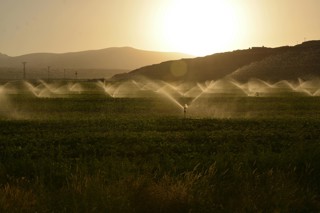
Support to the Egyptian Irrigation Modernization to Enhance the Water Productivity programme
- 2024 – 2027
- € 500,000 – 1 million
- Egypt
The envisaged programme to be designed is foreseen to include:
Component 1: Implementation of on-farm irrigation water management Infrastructure. This component is intended to support on-farm (marwa/mesqa) irrigation modernization in the Nile Valley (specific areas to be decided).
The component is divided into the following:
1. Rehabilitation of mesqa (tertiary) system, including pump stations, wherever feasible renewable energy pumps (mainly solar pumps) will be considered, while accounting for feasibility and sustainability measures.
2. Transformation from open marwa canals to a pressurized distribution system composed of buried PVC pipes and hydrants and installing modern irrigation system (drip or bubblers) in the farms.
3. Establishment of mesqa Water User Associations and ensuring their proper representation.
Component 2: Capacity building and participation for government staff and farmers in the project area. This component aims to improve stakeholders' knowledge through
1. Building the capacity of Water User Associations, and key farmers on operation and maintenance of modernized irrigations systems, marketing, accounting and management.
2. Building the capacity of Ministry of Water Resources and Irrigation officials in the field of design, implementation and operation of modern irrigation schemes, and improving their knowledge in the most recent technologies of water management and irrigation modernization.
- Partners:
- Particip (Lead), Incatema
- Keywords:
- Agriculture, Environment, Rural and urban development

Support to EU Deforestation Regulation (EUDR) compliance in Rwanda
- 2026 – 2027
- under € 500,000
- Rwanda
The overall objective is to strengthen Rwanda’s institutional and practical readiness towards EUDR compliance. The specific objectives are:
- SO1: Support the institutionalisation of a coordinated national governance mechanism for EUDR compliance in the coffee sector.
- SO2: To contribute to Rwanda’s georeferenced data of the coffee sector in the Eastern Province.
- Keywords:
- Agriculture, Environment
Framework Agreement for Decentralized Evaluations and Reviews (FADER) - Lot 1
- 2023 – 2027
- € 2 – 5 million
- Ethiopia, Indonesia, Kyrgyzstan, Nepal, Tajikistan, Tanzania, Ukraine, Uzbekistan, Viet Nam
The Framework Agreement for Decentralized Evaluations and Reviews (FADER) LOT 1 covers different types of appraisals, evaluations and reviews of development cooperation projects and programmes funded by the Ministry for Foreign Affairs of Finland (MFA).
The main users of the FADER are the regional departments of the MFA, which have regional and country specific development cooperation programmes/projects in Africa, the Middle East, Asia, Eastern Europe and Central Asia.
The following assignments are implemented by Particip GmbH:
- Project appraisal: Strengthening inclusive education system in support of Ethiopia's general education sectoral programme,
- Appraisal of the Local Adaptation to Climate Change- Project in Nepal,
- Project appraisal: Rural Economic Development (RED) Phase I in Ethiopia,
- Appraisal of the “Forestry, Land Use and Value Chains Development in Tanzania” (FORLAND) programme,
- Appraisal of Tax Sector Support to Tanzania (TAXTAN) programme.
- Keywords:
- Agriculture, Education, Environment, Forestry, Governance, Monitoring & Evaluation, Rural and urban development

DUKINGIRE IBIDUKIKIJE - Conservation and enhancement of natural ecosystems and their biodiversity for green growth of rural communities in Burundi
- 2022 – 2027
- € 1 – 2 million
- Burundi
This project is part of the program “DUKINGIRE IBIDUKIKIJE – Conservation and enhancement of natural ecosystems and their biodiversity for green growth of rural communities in Burundi” which supports the preservation of natural ecosystems (including two protected areas) in the context of integrated landscape management and wants to help enhance their goods and services.
This program will contribute to sustainably improving the living conditions of the population of the areas of intervention, including displaced persons and returnees, as well as economic and social development from the country. Particular attention will be given to the communities living around the areas protected so that human pressure on them is reduced and that these communities contribute to their sustainable management.
The program is structured around three components:
- Component 1 – Governance and sustainable and inclusive / participatory management of areas protected areas, in particular the Kibira and Rusizi National Parks, are improved.
- Component 2 – Integrated land restoration and management practices and mechanisms and water resources are improved.
- Component 3 – Organization, monitoring and management of the water supply service for drinking water in rural areas are improved for the benefit and thanks to the participation of local populations, with a focus on groups in vulnerable situations.
This program will be implemented in the Kibira and Rusizi National Parks, their buffer zones, as well as in micro-basins which feed the Rusizi River and which will be identified in start of the program on the basis of environmental vulnerability criteria (the program will therefore cover the provinces of Cibitoke and Bubanza, and a municipality in the province of Bujumbura rural).
The specific objective of this contract is as follows:
Contribute to strengthening the efficiency and effectiveness of actions for the protection and enhancement of ecosystem services in the Rusizi river basin, implemented under the program “DUKINGIRE IBIDUKIKIJE - Conservation and enhancement of natural ecosystems and their biodiversity for green growth of rural communities in Burundi”.
This will involve the provision of a team of experts who will accompany and support the implementation and monitoring of actions, facilitate sector coordination and provide quality technical expertise to the entire program.
- Partners:
- Particip (Lead), COWI, Expertise Advisors (formerly: ETI Consulting)
- Keywords:
- Environment, Forestry

Framework Contract Services for the Implementation of External Aid 2018 ('FWC SIEA 2018') Lot 1 – Sustainable management of natural resources and resilience
- 2018 – 2026
- over € 10 million
- Global
The objective of the FWC is to provide, via individual assignments defined and contracted through Specific Contracts, expertise which can be mobilised at short notice. The expertise may be required at any stage of the project cycle (except financial audits) and may cover the following sectors related to Sustainable management of natural resources and resilience:
Agriculture
1.1. Crop production, storage, conservation, transformation, and marketing /value chains
1.2. Vegetable, fruit and cash crop productio n storage, conservation, transformation and marketing /value chains
1.3. Legal aspects
1.4. Alternative production systems (organic farming, agroforestry, permaculture)
2. Livestock
2.1. Livestock regeneration plans
2.2. Veterinary, animal health, animal identification, quarantine and border inspection posts
2.3. Trade of animal products
2.4. Production, conservation, storage and marketing of animal products
2.5. Legal aspects
3. Sustainable Forestry management and conservation
3.1. Forest inventories, forest management plans, forest establishment and plantation management
3.2. Agroforestry, community and environmental development programmes
3.3. Strategic and operational resource development and wood supply plans
3.4. Forestry industry development plans
4. Fishery and aquaculture
4.1. Marine and fresh water aquaculture
4.2. Assessment of fish stocks and sustainable fish resources exploitation
4.3. Legal aspects
5. Land management
5.1. Land use planning, Land information systems and applications,
5.2. Land reform policies
5.3. Land registration and cadastre, Land market development, estate economic assessments
6. Food security & nutrition
6.1. Assessment of national stocks
6.2. National statistics on food production
6.3. Forecasts of famine and early warning systems
6.4. Transitory and chronic food insecurity
6.5. Nutrition
7. Food safety
7.1. Tracing, food control
7.2. Legal aspects
8. Extension/Training/Human Resources Development/Institutional development
8.1. Extension services
8.2. Training of personnel
8.3. Sectoral organisations (farmers, producers, traders)
8.4. Institutional strengthening
9. Rural Infrastructure
9.1. Rural infrastructure planning, development and rehabilitation (Market infrastructure, irrigation and drainage, etc.)
10. Climate Change
10.1. Climate change: resilience, adaptation and mitigation
11. Sustainable Natural Resource management
11.1. Sustainable management and protection of natural resources, biodiversity and ecosystems (soil erosion/salinization/fertility, national parks ecosystem protection, fight against desertification, etc.)
11.2. Sustainable Water management including planning (e.g. integrated river basin management), supply, waste water treatment (incl. waste water reuse and energy generation)
11.3. Environmental protection
11.4. Pollution including chemicals, plastics, waste, air pollution and greenhouse gases emissions
11.5. Green economy (incl. sustainable and resource efficient production and consumption), Blue Economy
11.6. Ocean governance including marine/coastal zones protection
12. Disaster Risk Reduction
12.1. Disaster Risk Reduction, including climate and environmental risks/disaster management
The expertise may cover any geographic area in the world, either inside or outside the EU.
The Specific Terms of Reference (Specific ToR), which form part of each Specific Contract, shall describe the objectives and required outputs of each individual assignment.
- Partners:
- CAPA EEIG (managed by Particip) (Lead), AAH, adelphi, AETS, Bureau Veritas Living Resources, CA17, CABI, CACG, Dorsch Impact GmbH - AHT, ELLE, EMI (formerly: Cardno Belgium), Expertise Advisors (formerly: ETI Consulting), Indufor Oy - Metsahallitus Group, LDK, Megapesca (PT), Particip, Ramboll Danmark, Ramboll Deutschland
- Keywords:
- Agriculture, Environment, Food and nutrition, Rural and urban development
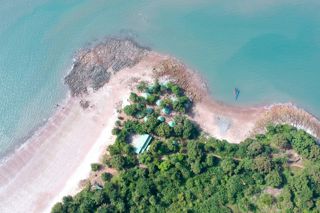
Strategic Evaluation of the EU partnership with Guinea (2014-2024)
- 2025 – 2026
- under € 500,000
- Guinea (Conakry)
This evaluation has two overarching objectives. Firstly, it aims to provide an independent and comprehensive assessment of the performance and strategic relevance of the EU’s partnership with the Republic of Guinea. Secondly, it seeks to identify key lessons and produce forward-looking recommendations to inform responsible decision-makers – particularly within the European External Action Service and the Directorate-General for International Partnerships – on how to enhance the quality, coherence, and impact of the EU’s current and future strategies, programming, and actions in Guinea.
Its specific objectives are as follows:
- To assess how the EU’s overall engagement in Guinea has contributed to its strategic objectives at the country level, through political dialogue, development cooperation, trade, and investment initiatives;
- To provide EU external cooperation services and the broader public with an independent assessment of the EU’s cooperation with the Republic of Guinea over the period 2014-2024.
The evaluation will focus on six priority sectors: i) return to constitutional order; ii) south-north migration; iii) natural resource exploitation and public finance; iv) energy; v) climate change; and vi) health.
The evaluation will deliver findings, conclusions, and lessons regarding the effectiveness, coherence, and sustainability of the EU support in Guinea. It will also provide targeted, practical, and forward-looking recommendations to improve the design and implementation of current and future EU interventions in Guinea under the 2021-2027 programming period
- Partners:
- Particip (Lead), ECDPM
- Keywords:
- Civil society, Elections, Energy, Environment, Forestry, Governance, Health, Human rights, Industry & private sector development, Institutional development, Macro-economic/ National policy, Monitoring & Evaluation, Public finance/budgeting

Strategic Environmental Assessment for the Forest Sector
- 2025 – 2026
- under € 500,000
- Sierra Leone
The objective of this SEA is to inform the Government of Sierra Leone as well as the EU and other donors on the potential significant environmental, climate and social challenges and opportunities related to the Forestry and Wildlife Sector Strategic Planning Framework (SPF) 2024-2030 and the potential Forest Partnership with the EU.
This includes the identification of potential significant impacts on the environment and climate that may result from the implementation of the Forestry and Wildlife Sector Strategic Planning Framework (SPF) 2024-2030 and the potential Forest Partnership; the identification of measures to avoid or minimize adverse impacts and to maximize positive impacts.
The SEA will also identify the challenges that environmental degradation and climate change pose to the sustainability and feasibility of the Forestry and Wildlife Sector Strategic Planning Framework (SPF) 2024-2030 and the potential Forest Partnership and identify measures to be integrated in those actions to take them into account and enhance their resilience.
The SEA will thus provide elements that will contribute to enhance the state of the environment and health, build climate resilience of the forest sector and the population, contribute to disaster risk reduction, and promote low carbon development and the transition to a green economy.
- Partners:
- Particip (Lead), Expertise Advisors (formerly: ETI Consulting)
- Keywords:
- Environment, Forestry

Final evaluation of the European Union Emergency Trust Fund for stability and addressing root causes of irregular migration and displaced persons in Africa
- 2024 – 2026
- € 500,000 – 1 million
- Africa
The general purpose of this assignment is to provide the relevant EU services, EU and non-EU donors of the trust fund, African partner countries and the wider public with an independent final evaluation of the EUTF for Africa. The EUTF for Africa is financing interventions in several countries in Africa, crossed by the major migration routes, including countries in the Sahel and Lake Chad regions, the Horn of Africa and North Africa. The final evaluation covers the period since the EUTF for Africa inception in November 2015 until December 2024. Thematically, the evauation focuses on the EUTF's objective of addressing the root causes of irregulat migration and forced displacement.
The specific objectives of the evaluation are:
- to independently assess/examine/analyse the EUTF for Africa and its interventions;
- to assess overall whether and how the EUTF for Africa as an instrument of EU external assistance (and the financed interventions) contributed to address the root causes of irregular migration and forced displacement, taking into account the specific characteristics of the EUTF for Africa, compared to other funding instruments;
- to identify key lessons and to provide recommendations to inform future EU strategic approaches and actions in addressing irregular migration and forced displacement, thereby filling the evaluation and knowledge gaps, that this evaluation aims to address;
- finally, the evaluation would assess whether EUTF for Africa interventions have effectively addressed cross-cutting issues, such as human rights, gender and youth in the context of irregular migration and forced displacement.
- Partners:
- Particip (Lead), ECDPM
- Keywords:
- Food and nutrition, Governance, Justice/Rule of Law, Macro-economic/ National policy, Monitoring & Evaluation
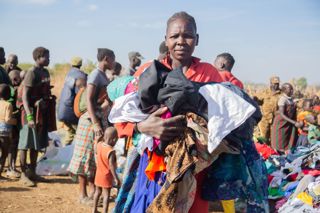
Ex-post evaluation for South Sudan Women Empowerment Programme
- 2025 – 2026
- under € 500,000
- South Sudan
The purpose of this evaluation was to provide a systematic and objective assessment of the South Sudan Women Empowerment Programme. The programme's overall objective was to advance the empowerment of women and girls by supporting the effective implementation and enforcement of women’s rights legislation through capacity building of duty bearers, and by promoting women’s economic, political and social participation at the local level, with particular attention to those in the most vulnerable situations.
The evaluation's global objective is twofold: i) to deliver an independent assessment of performance to the European Union, stakeholders and the wider public; and ii) to generate key lessons, conclusions and recommendations to guide decision makers in improving current and future interventions.
The specific objectives were:
- to inform the next phase of programming on gender equality and women's empowerment,
- to draw lessons that can be replicated in other ongoing and future EU interventions across thematic areas such as economic development, human development and governance, thereby strengthening gender mainstreaming,
- to ensure accountability for the use of EU resources in relation to the results achieved in promoting gender equality and women's empowerment.
- Partners:
- UPC (Lead)
- Keywords:
- Civil society, Human rights, Justice/Rule of Law, Monitoring & Evaluation, Rural and urban development
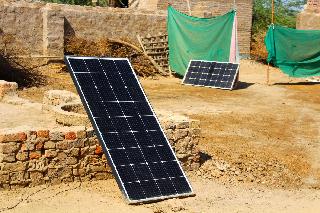
Evaluation of the Renewable Energy for Rural Development Phase II Plus (RERDII+) Irrigation Component, Mozambique
- 2026 – 2026
- under € 500,000
- Mozambique
This End-Term Evaluation (ETE) of the Renewable Energy for Rural Development Phase II Plus (RERDII+) irrigation component was both summative and formative in nature, with the overall purpose of assessing project performance, identifying results and generating learning for future solar-powered irrigation programming in Mozambique. The intervention was designed to strengthen agricultural productivity, climate resilience and rural development through the deployment of Solar-Powered Irrigation Systems (SPIS), while supporting farmer capacity development, institutional strengthening and market development for solar irrigation technologies.
The evaluation covered the implementation of the irrigation component implemented by Enabel in partnership with the National Irrigation Institute (INIR). The intervention focused on the provinces of Manica and Zambézia and aimed to promote sustainable uptake of solar irrigation through infrastructure deployment, financing and co-financing mechanisms, engagement with private suppliers, institutional capacity building and knowledge generation for future scaling.
Thematically, the evaluation assessed project performance against the OECD-DAC criteria of relevance, coherence, effectiveness, efficiency, impact and sustainability, while also examining cross-cutting issues including gender equality, youth inclusion, support to vulnerable farmers and environmental sustainability. Particular attention was given to efficiency and sustainability, in line with the Terms of Reference.
The evaluation involved key stakeholders at national, provincial and local levels, including Enabel, INIR, provincial and district authorities, private suppliers, financial actors, service providers and beneficiary farmers. The methodology combined a desk review of programme documentation, interviews with institutional and sector stakeholders, field visits in Manica Province, beneficiary consultations and case studies documenting farmer-level effects and lessons learned.
Through this approach, the evaluation assessed the relevance of solar irrigation to Mozambique’s agricultural and climate-resilience priorities, examined early effects on production, livelihoods and resilience, analysed financing and market development mechanisms, reviewed institutional and private sector roles, and identified lessons and recommendations to support future scaling of solar irrigation systems. The evaluation found that RERDII+ successfully demonstrated the potential of solar irrigation for rural development but highlighted the need for stronger financing mechanisms, institutional anchoring, post-installation support and market ecosystem development to ensure long-term sustainability.
- Partners:
- Particip (Lead), Technopolis Group
- Keywords:
- Energy, Infrastructure, Monitoring & Evaluation, Rural and urban development