
Our projects
Explore Particip’s project experience across countries, sectors and areas of expertise.
Our references provide an overview of completed and ongoing assignments, including their objectives, geographic scope, duration and contract value.
Showing 21–30 of 92 references

Mongolia Sustainable Forest Management and Bioeconomy Framework Loan
- 2025 – 2026
- under € 500,000
- Mongolia
The global objective is to support the Government of Mongolia with the formulation and design of the MONGOLIA SUSTAINABLE FOREST MANAGEMENT AND BIOECONOMY FRAMEWORK LOAN financed by the European Union and the European Investment Bank and possible other co-financing institutions under a blended financing arrangement.
The specific objectives are:
- conduct a comprehensive multi-disciplinary analysis of context, capacities, feasibility, risks, and vulnerabilities of the proposed investment programme;
- design an investment programme in the forest and agricultural sector for the abovementioned components paying due attention to the expected participation of European stakeholders and companies in its implementation;
- prepare the dedicated Environmental and Social Management Framework (ESMF);
- prepare a gender action plan related to the investment programme;
- draft the EIB application for an EU Technical Assistance and Investment grant supporting the investment programme;
- draft the Terms of Reference for the implementing consultant, i.e. the consultant facilitating the implementation of the investment programme in Mongolia.
- Partners:
- Particip (Lead)
- Keywords:
- Environment, Forestry
Technical Assistance to support traceability of deforestation- free agricultural value chains in Honduras
- 2025 – 2026
- under € 500,000
- Honduras
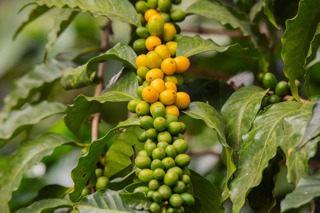
The project will give support IHCAFE and SAG to put in place a data collection campaign protocol and a robust management system to strengthen the existing national coffee farmer registry, with the end goal to support compliance with the EUDR and potential future market regulation, support sustainability and coffee producers livelihoods policies, and prepare avenue for expanding the mechanism to other deforestation risk commodities.
- Partners:
- Particip (Lead)
- Keywords:
- Agriculture, Environment
Evaluation of the Programme 'Inclusive Local and Economic Development - ILED' in Somalia (T05-EUTF-HOA-SO-57)
- 2025 – 2026
- under € 500,000
- Somalia
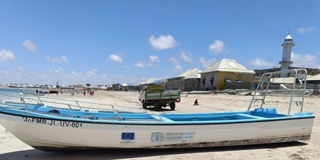
The 'Inclusive Local and Economic Development' (ILED) programme comprised 14 individual interventions in Somalia. The overall objective of ILED was to contribute to stability in Somalia by extending state authority and services, promoting local reconciliation and peacebuilding, creating inclusive economic opportunities, and protecting the most vulnerable. In line with this objective, the 14 interventions were organised under three thematic pillars: stabilisation and governance, inclusive and sustainable economic growth, and social safety nets. Using an integrated territorial approach, the programme was implemented in four strategic corridors of Somalia: Juba River, Shabelle River, Central-North, and Somaliland. ILED was financed by the EU Emergency Trust Fund for Africa with a total budget of almost 100 million EUR.
The evaluation was commissioned by the EU Delegation to Somalia. Its global objective was to provide the relevant services of the EU and interested stakeholders with an overall independent assessment of the performance of the ILED programme, paying particular attention to the results achieved and the underlying reasons of these achievements. It also sought to identify lessons learned, conclusions, and recommendations to improve current and future interventions. The object of evaluation was the programme level (rather than the individual interventions). The evaluation scope covered the entire implementation period from September 2018 to December 2025, all three thematic pillars, and all four geographic corridors.
The methodology to answer the six evaluation questions (EQs) relied on a reconstructed Theory of Change and a mixed methods (albeit predominantly qualitative) approach. After a comprehensive document review, the evaluation team conducted field missions in the four corridors of the programme in Somalia, as well as meetings in Nairobi. The evaluation findings were presented in a dissemination seminar in Mogadishu.
- Partners:
- Particip (Lead)
- Keywords:
- Governance, Industry & private sector development, Infrastructure, Monitoring & Evaluation, Rural and urban development
Supporting WFP’s Changing Lives Transformation Fund (CLTF) to Support Country Offices in the Design and Implementation of Impact Measurement Components
- 2023 – 2026
- under € 500,000
- Bangladesh, Chad, Kenya, Peru
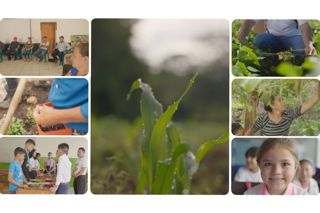
The Changing Lives Transformation Fund (CLTF) of the World Food Programme (WFP) was established to provide selected WFP Country Offices (COs), via calls for proposals, with funding to better support governments to design and implement policies and programmes that improve the lives of the most vulnerable people.
The CLTF has three windows, under which a total of 10 country proposals were selected in 2023:
- Window 1: Transition (of populations from dependence on humanitarian assistance to increased self-sufficiency) - Chad, Kenya, Philippines.
- Window 2: Systems strengthening (better capacity and resilience of national programmes and systems) - Bangladesh, Iraq, Niger, Peru.
- Window 3: Climate adaptation - Ghana, Nicaragua, Tanzania.
For each window, the research team designed a global impact measurement framework comprising a theory of change, evaluation questions, indicators, and quantitative and qualitative methodologies for impact measurement. The team also assessed the feasibility of independent impact evaluations in all 10 country proposals.
5 COs were selected for further technical assistance for impact measurement: Chad and Kenya (under Window 1), and Bangladesh, Iraq and Peru (under Window 2). Together with each of these 5 COs, the team conducted research design workshops and developed country-specific concept notes on impact measurement questions and strategies. Finally, the team provided in-country support for baseline data collection and analysis to the COs in Chad, Kenya, Bangladesh and Peru.
- Partners:
- Particip (Lead), C4ED
- Keywords:
- Environment, Food and nutrition, Humanitarian aid, Monitoring & Evaluation, Training

Evaluation of Lebanon WFP Country Strategic Plan 2023-2025
- 2026 – 2026
- under € 500,000
- Lebanon
The independent Evaluation of the Lebanon World Food Programme (WFP) Country Strategic Plan (CSP) 2023–2027 aims to generate evidence and learning on WFP’s performance in Lebanon, while ensuring accountability to WFP stakeholders and affected populations.
The evaluation covers all WFP activities (including cross-cutting results i.e. adherence to humanitarian principles, gender and inclusion, protection and accountability to affected populations) from mid-2020. This also includes activities prior to the Country Strategic Plan (2023-2027) to better assess the results trends, contextual evolution and the extent to which the strategic shifts envisaged with the introduction of the CSP have taken place.
CSP key sectors and activities include:
- Emergency preparedness
- School feeding
- Livelihoods activities
- Social protection
- Institutional capacity strengthening
The evaluation employs a mixed-method approach that triangulates qualitative and quantitative data from a variety of sources. For this purpose, the evaluation team is conducting interviews with different stakeholders including WFP staff at HQ, regional and country level, WFP cooperating partners, donors, UN agencies, government entities as well as focus group discussions with the beneficiaries.
- Keywords:
- Food and nutrition, Humanitarian aid, Monitoring & Evaluation
Evaluation of the WFP Tajikistan Country Strategic Plan 2023-2026
- 2025 – 2026
- under € 500,000
- Tajikistan
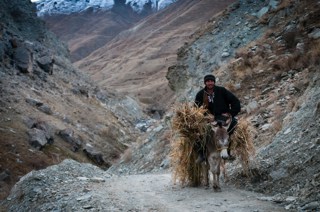
This independant evaluation of WFP Country Strategic Plan (CSP) in Tajikistan assesses the strategic positionning, added-value and results of WFP operations in the Country from 2021 to 2025.
The evaluation serves the double purpose of accountability (performance and result assessment) and learning (why certain results occurred or not, lessons and evidence for decision-making). It is envisioned that the evaluation will inform the design of the new CSP for Tajikistan, which is scheduled for Executive Board consideration in November 2026.
CSP key sectors and activities include:
- Emergency preparedness
- School feeding
- Malnutrition prevention and treatment
- Livelihoods activities, asset creation and climate change adaptation
- Social protection
- Institutional capacity strengthening
Cross-cutting themes included: Gender equality and empowerment of women (GEEW), accountability to affected populations (AAP), WFP partnership strategy
The evaluation employs a mixed-method approach that triangulates qualitative and quantitative data from a variety of sources. For this purpose, the evaluation team is conducting interviews with different stakeholders including WFP staff at HQ, regional and country level, WFP cooperating partners, donors, UN agencies, government entities as well as focus group discussions with the beneficiaries.
- Keywords:
- Food and nutrition, Monitoring & Evaluation

Joint Efforts for a Green Future: Evaluation on Finland's Development Cooperation in Environment and Sustainable Use of Natural Resources and Private Sector Opportunities
- 2024 – 2026
- under € 500,000
- Global
This evaluation aims to provide the Ministry for Foreign Affairs (MFA) of Finland and its stakeholders with an in-depth understanding of the achievements, merits, and value of implementing the policy priority area on sustainable management and use of natural resources. It seeks to deliver evidence-based recommendations to enhance the effectiveness of Finland's engagement with this theme over the long term, while also increasing awareness of results achieved and lessons learned. Additionally, the evaluation will expand knowledge on environment and natural resources-related Sustainable Development Goals (SDGs), with particular attention to SDG 17 on partnerships.
The evaluation encompasses four standalone evaluations on four of the sub-sectors under Finland's ‘Climate and Natural Resources’ policy priority area: i) forests and biodiversity; ii) water resources management; iii) energy, circular economy and critical minerals; and iv) disaster risk reduction (DRR), including meteorology. A synthesis report integrates key findings from the four evaluation reports, explores interlinkages, provides meta-level insights, and identifies concrete opportunities for Finnish private sector engagement. The evaluation also examines digitalisation and data management in forestry sectors in Tanzania and Vietnam, as well as delves deeper into the energy sector in Ukraine.
Objectives:
Assess results, successes, and challenges in achieving the objectives of this policy priority area and its sub-sectors.
Provide a synthesis of outcomes and impacts, including early and emengrgi impacts.
Identify and analyse opportunities for engaging Finnish private sector actors in this work.
Develop practical, evidence-based recommendations for future policy and operational approaches, considering financial and resource constraints. This includes exploring the potential of geospatial data and geo-referencing for monitoring and evaluation purposes.
The evaluation focuses primarily on the OECD DAC criteria of effectiveness and impact, with a particular emphasis on tangible results and signs of impact from both ongoing and completed interventions.
- Keywords:
- Energy, Environment, Forestry, Industry & private sector development, Monitoring & Evaluation
Somalia Crisis Recovery Project - Independent Verification Agent (IVA)
- 2021 – 2026
- € 500,000 – 1 million
- Somalia
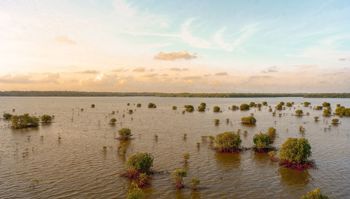
The Somalia Crisis Recovery Project is a flood and disaster recovery, and reconstruction project financed by the World Bank to the Federal Ministry of Finance (MOF). It will support immediate and sustainable flood recovery and finance activities to mitigate against future shocks, by supporting: (a) immediate early floods recovery and service delivery restoration activities; (b) immediate support activities to respond and mitigate COVID 19; (c) medium-term rehabilitation of flood-impacted infrastructure, services and livelihoods; (d) elements of immediate and longer-term crisis preparedness and recovery; (e) detailed flood risk management plans, including both structural and non-structural flood risk management solutions for the country; and (f) support to enhance government performance and accountability and citizen engagement in service delivery.
The overall objective of the assignment is to provide independent review of project implementation and verification of all project results.
The project components include:
- Component 1: Immediate basic services and livelihood support for early recovery
- Component 2: Medium-term flood recovery
- Component 3: Longer-term disaster risk management and preparedness
- Component 4: Project Management
- Component 5: Contingency Emergency Response Component
As part of the Component 2 verification activities, the team is undertaking progress monitoring and assessment of river embankments, health facilities, roads and irrigation canals, through technical assessment of measurements of construction sites and materials, and verification of compliance as per the works contract.
The Project’s early recovery and locust preparedness activities will likely take six to twelve months to complete, while an overall four-year project duration is proposed to: (a) allow the completion of infrastructure activities to building-back-better standards; (b) allow time for the FGS-Federal Member State (FMS) project management arrangements to become functional, and (c) support longer-term resilience building and risk management within Government. The Project will follow a rigorous prioritization and sequencing exercise based on the needs identified in the FINA, to identify state-level annual investment plans.
- Partners:
- Particip (Lead), Dansom
- Keywords:
- Agriculture, Environment, Health, Infrastructure, Monitoring & Evaluation, Rural and urban development
Traceability for export products and sustainability in Colombia
- 2024 – 2026
- € 500,000 – 1 million
- Colombia
Global Objective
Strengthen the EU’s engagement with Colombia on external impacts of EU Green Deal policies and regulatory frameworks, with emphasis on the regulation on deforestation and forest degradation, through the use of EU’s digital tools.
Specific Objective(s)
- Engage with key stakeholders in Colombia to enhance understanding of the objective and content ofthe identified regulations, with emphasis on deforestation and forest degradation. The regulation onCarbon Border Mechanism Adjustment, the Corporate Sustainability Reporting Directive (CSRD), theupcoming Corporate Sustainability Due Diligence Directive, etc. could as well be subject of furtherengagement with Colombian stakeholders;
- Identify the necessary steps to either implement or support already existing effective traceability systems for Colombian exports to the EU market, taking into account the deforestation and forest degradation regulation;
- Identify the most relevant and cost-efficient space-based technologies and data, including their combination and taking into account existing traceability systems, to be used to support Colombia’s efforts to comply with the zero-deforestation supply chain regulation in the most affected value chains, especially coffee, palm oil and/or cocoa. Among these, the most
- Promote the use of already available technological tools within the public and private sector alike, in particular Copernicus-based imagery and support the development of ad-hoc services through the Copernicus Regional centres in Chile and Panama or through the JRC and the European Union Space Programme Agency-EUSPA.
- Identify, promote and support pilot projects and use cases to demonstrate the potential of using satellite-based technologies to develop traceability systems facilitating compliance with the Regulation as well as in other areas such as environmental protection and environmental .
- Support outreach efforts towards the main stakeholders to increase awareness among the main private and public stakeholders over the tools offered by the EU in support of Colombia and promote the uptake of EU Space technologies.
- Support the dialogue on space-based services with institutions, companies, academics, and CSOs through the organisation of high-level events, the creation and animation ofcrosssectoralnetworks and promote synergies with similar EU-funded actions. Complement and supporting the uptake of initiatives like Copernicus Academy, Copernicus Relays, EU Global Action on Space, EU-LAC Digital Alliance amongst others.
- Partners:
- Particip (Lead), Idem Concept
- Keywords:
- Agriculture, Communication & media, Environment, Forestry, Trade

Technical Assistance for EU-Kenya Dialogue Facility
- 2021 – 2026
- € 2 – 5 million
- Kenya
The overall objective of the project is to promote sustainable and inclusive development by strengthening the cooperation and partnership dialogue between the European Union (EU), its Member States and the Republic of Kenya. The purpose of the assignment is to enhance the partnership, dialogue, joint analysis and exchange of experience between Kenya, the European Union’s and the EU Member States’, identifying common strategic interests in prioritised areas, outlining ways forward, strengthening the concepts and image of cooperation.
As part of its scope, the project supports the implementation of the following:
a) The High Level Strategic Dialogue between the European Union and the Republic of Kenya, launched on 21 June 2021 b) The Kenya MIP 2021-2027, setting out the EU priority areas for Kenya c) Developmental actions emancipating from the negotiations for an Economic Partnership Agreement (EPA) d) The Team Europe Initiatives on the Green Deal and the Human-Centered Digitalization e) The Global Gateway f) Public diplomacy activities, including on the Global Gateway and on the Delegation’s strategic communication objectives, in line with the new EU guidelines on strategic communication 2022
Results being achieved:
- Result 1: Improved sectoral and crosscutting policy dialogue between the European Union, its Member States and Kenya with an increase in awareness and understanding of relations, including political, development, trade, investments, social and people to people relations,
- Result 2: Communication with and outreach to the Government of Kenya, European Union and its Member States representations in Kenya, external partners and other actors, and appropriate visibility of the partnership. This result will be achieved in coordination with the ongoing Communication and Visibility contract;
- Result 3: Policy dialogue plans and projects are managed and supported effectively.
Projects implemented via the Dialogue Facility include the following (project no. and title):
1 Concept note for the EU-Kenya Trade and Investment Conference
2 Narrative for the Team Europe (TE) Initiative on a Human-Centred Digitalization in Kenya
3 Narrative for the TE Initiative on the Green Deal with Kenya
5 Mapping of the Climate Smart and Sustainable Agricultural Value Chains' interventions of the EU and its MS and their impact towards making a Green Economy in Kenya
6 Paper and workshop on ongoing interventions in the EU Trust Fund-supported Cross-Border Programme
7 Support the development of the Kenyan Blue Economy Strategy and its outreach
10 Mapping of Civil Society Organisations (CSO) and Networks involved in the MIP and TE priority areas and way forward for a structured Dialogue with the EU in Kenya
11 Situational Analysis on potential Urban Housing Practitioners for an African Network and support the development of a Network Strategy with outreach
12 Trade for Sustainable Development Gap Analysis
13 Study on Data Protection for the Office of the Data Protection Commissioner (ODPC)
14 TradeMark Africa (TMA) Funding Analysis and Recommendations
15 Support to the EU-Kenya Business Forum - April 2023
16 Analysis of the Kenyan Government Manifesto
17 Registration of a European Business Organisation (EBO) in Kenya
18 Support to the Climate Finance pillar of the Africa Climate Summit 2023
19 Support to the Climate Resilience and Adaptation pillar of the Africa Climate Summit 2023
20 CSO Training on EU Financial Procedures (Mar 2023)
25 Moderation of the Blue Economy Session at the Kenya Devolution Conference 2023
26 Support the Review of the National Energy Policy
28 Development of a Strategic Plan (2023-2027) for the State Department for Gender and Affirmative Action
29 Technical Assistance for pre-study of EU support for a Greenhouse Gases Emissions Measurement, Reporting and Verification (MRV) System in Kenya
30 Economic Partnership Agreement (EPA) sensitisation, policy paper for the creation of an EPA Domestic Advisory Group, and organization of Strategic Dialogues on Trade and Investment
33 Support to Young African Climate Leaders' Delegation to COP28 (Nov 2023)
34 Support to Post EPA Signing Event
36 Support to Children and Youth Major Group (CYMG) for the Global Youth Environment Assembly 2024 in Nairobi
38 Organization of Team Europe Initiative (TEI) Workshop on Digitilization
40 Communication Strategy: Promotion ideas and marketing strategies to deliver a winning football-themed Europe day campaign in partnership with the government of Kenya and the EU Member States
41 Support for implementation of the children’s theatre play “Leo’s search for a New Home” (creating outreach content relevant to the Green Deal TEI and campaign, the EU-Kenya Green Partnership and the UNEA6)
42 Support function for the Donors Partner Group (DPG) Secretariat
43 Media support for BlueInvest Conference
44 Support Judiciary NCAJ AC Strategy
45 Africa Digitalisation perception study
50 Launch Event for EU – Kenya Energy Project, “Green Resilient Electricity System” (May 2024)
54 Concept Note for 2nd Kenya Business Forum 2025
55 Political Economy Analysis on Transparency and Accountability in Kenya
57 Technical Assistance in the Establishment of EuroCham Kenya
60 Expert Assessment of gaps and needs for investment in digital infrastructure for last mile connectivity in Kenya
61 Drafting EPA Implementation Strategy for Kenya
62 Digital Skills
63 Anti-Counterfeit ACA
64 60 year diplomacy
65 Cradle Camp Turkana
66 EU Kenya Buisness Forum Event
67 CRA grant proposal
68 Borderlands programme
- Partners:
- Particip (Lead), Tetra Tech NL
- Keywords:
- Agriculture, Civil society, Communication & media, Environment, Governance, Rural and urban development, Trade