
Nuestros proyectos
Explore la experiencia de Particip en proyectos desarrollados en distintos países, sectores y ámbitos de especialización.
Nuestras referencias ofrecen una visión general de las misiones finalizadas y en curso, incluidos sus objetivos, alcance geográfico, duración y valor contractual.
Mostrando 1–10 de 51 referencias

EU Outreach and Partnership Facility for the GCC
- 2026 – 2029
- de 2 a 5 millones de €
- Bahrain, Belgium, Kuwait, Oman, Qatar, Saudi Arabia, United Arab Emirates
As outlined in the Joint Communication, the Gulf is a dynamic neighbouring region and an important gateway between Europe, Asia and Africa. Likewise, the EU has a lot to offer to the Gulf partners, as the world’s biggest single market, trading bloc and investor, a leader in research and innovation, and an important mediator and promoter of multilateralism, social transformation including human rights, gender equality, diversity and inclusion. As both regions navigate an increasingly complex global landscape, their partnership will continue to be shaped by economic interdependence, shared security interests, and a commitment to addressing global challenges collaboratively.
The overall objective to which the project contributes is to ++consolidate the EU-GCC partnership at regional and bilateral level, and improve the EU’s perception in the region.++
The specific objectives of the project are as follows:
1) Strengthen the position of the EU as a key partner in the GCC region in areas of mutual interest.
2) Support the implementation and monitoring of EU–GCC partnership and cooperation initiatives.
3) Foster deeper cooperation and mutual understanding between non-state actors, academia, civil-society and citizens in the EU and the GCC region.
The expected outputs of the project are as follows:
++1) Outcome 1:++ Strengthen the position of the EU as a key partner in the GCC region in areas of mutual interest. ++Output:++ Increased awareness, exchange and collaboration between EU and GCC stakeholders in key strategic areas with a focus on joint initiatives, dialogues, and collaborative projects.
++2) Outcome 2:++ Support the implementation and monitoring of EU-GCC partnership and cooperation initiatives. ++Output:++ Enhanced analysis, knowledge, and expertise to support the implementation and monitoring of joint policy priorities.
++3) Outcome 3:++ Foster deeper cooperation and mutual understanding between non-state actors, academia, civil-society and citizens in the EU and the GCC region. ++Output:++ Expanded opportunities for people-to-people diplomacy, including joint cultural initiatives, academic exchanges, and cross-regional collaborations on mutually strategic sectors.
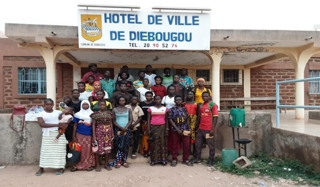
Contribute to the improvement of the institutional, legal and social framework for the protection of vulnerable children and promote the training and empowerment of young people
- 2024 – 2028
- de 1 a 2 millones de €
- Burkina Faso
An evaluation of phase VI of the Children and Youth Fund (FEJ) identified adjustments and recommendations as well as a significant need for a new project.In addition, the consequences of the security situation, threatened social cohesion and rising inflation are crucial issues.These findings have given rise to the present "Children and Youth Fund - Protection of Children and Training of Young People (PEFJ)" project,which aims to protect vulnerable boys and girls and improve the training and economic autonomy of young people. In addition, the new PEFJ project must continue to promote the economic empowerment of women and the educational success of girls by awarding study and vocational training grants.
The ++main objective++ of the project is to help improve the institutional, legal and social framework for the protection of vulnerable children and to promote the training and empowerment of young people.
The ++specific objective++ of the project is to improve the protection of vulnerable girls and boys and the training and economic autonomy of young people. The context of the project is marked by a tense security situation in most regions of Burkina Faso and the displacement of people within the country.
The ++intervention target group++ is the young and vulnerable rural population and their family environment in the intervention zones and, more broadly, the general public in Burkina Faso. However, more attention should be paid to young people and internally displaced children. The same applies to girls, so that they benefit first and foremost from school grants, and so that the interventions enable young people and women to improve their financial independence. On the other hand, young men should preferably be the main beneficiaries of vocational training grants.
Within the framework of the PEFJ, all the ++activities++ are grouped into the following components:
- Component 1: The implementation of communication measures at national and local level to improve the visibility of actions financed by the Children and Youth Fund.
- Component 2: Building and equipping social infrastructure for children and young people (including communal social services)
- Component 3: Promoting vulnerable children and young people, in particular through study grants, vocational training and measures to create income-generating activities (IGAs) for families with vulnerable children and IDP families.
- Component 4: The implementation of support and advisory measures for local authorities, technical services and civil society players in setting up and implementing specific projects carried out under components 2 and 3
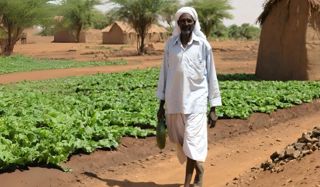
Sudan Somoud Enhancing Community Resilience (now called THABAT-stability) - Bank Support and Monitoring Agent
- 2024 – 2027
- de 500.000 € a 1 millón de €
- Sudan
The Project Development Objective (PDO) is to improve access to basic services and food security of Select Communities in the Republic of the Sudan. The project is designed to complement the current humanitarian aid to Sudan by laying a foundation for medium and longer term development support in areas with high concentration of IDPs. It builds for the future of Sudan by restoring access to basic services and food, protecting human capital, and enhancing communities’ resilience using a bottom-up approach. It is sequenced to first meet immediate basic service needs of vulnerable groups in areas of high IDP concentration and relative safety and accessibility, followed by community-led planning and implementation of medium-term basic services.
Project M&E efforts will be supplemented by BSMA to ensure WB oversight on the ground, given limited access for Bank personnel. To support the WB to fulfil its monitoring and supervision obligations in areas where its staff are unable to access project sites, the Bank engaged with BSMA with the objective of providing a monitoring layer to complement the monitoring activities of the Implementing Entities and ensure that Bank funds are utilized for the purposes specified in the grant agreement and project documents. The BSMA ’s services will include monitoring of all aspects of Project implementation, including:
- Implementation progress or completion status (including community selection and fund allocations, verification of stakeholder engagement activities, timeliness of implementation, physical verification of infrastructure and goods including quality, quantity, sizing/dimensions, etc. prepared as part of small-scale climate-resilient infrastructure development), and compliance that the physical implementation of projects (including physical verification of works/construction) is in accordance with signed contracts and approved safeguards instruments which are prepared based on the requirements of the WB safeguards policies, UNICEF/WFP policies and procedures and relevant laws and regulations of Government of Sudan.
- Monitoring of the Implementing Agencies’ implementing partners’ fiduciary compliance within the limits focused on site assessments as outlined below.
- On the environmental and social risk management (ESRM) side, the BSMA shall carry out verification of the degree of compliance with ESRM requirements as per the site ESRM instruments including site visits to construction sites, waste disposal sites aided, GMV Centres to comply with WB requirements. This will include monitoring compliance with the Environmental and Social Commitment Plan and more specifically the ESF instruments used in the project.
- Monitor functioning of the project’s grievance redress mechanism (GRM).
- Carry out physical verification with digital photographs of ongoing works and goods supplied, through geo-tagged information and support of smart technology, alerting the Bank and relevant Implementing Agency to deficiencies in quality and implementation and following up on the correction of these deficiencies.
- Compile lessons from activity verification, challenges faced and output monitoring to generate reports on lessons learned and recommendations for improving monitored projects.
The BSMA will also be responsible for monitoring any project activities to develop the capacity within the lowest level of governance structures to enable delivery of basic services – at the community and Locality level.

Evaluation of the Country Programme in Uganda 2023-2027
- 2026 – 2027
- menos de 500.000 €
- Uganda
The assignment concerns the end-term evaluation of Enabel’s Uganda Country Programme 2023–2027, with a total budget of approximately EUR 68 million. The programme supports Uganda’s development priorities through two main pillars. Pillar 1 focuses on decent jobs and economic opportunities for youth, including technical and vocational education and training (TVET), employability, entrepreneurship, value-chain development and business and human rights. Pillar 2 focuses on health, particularly maternal and child health and sexual and reproductive health and rights.
The evaluation examines the programme’s relevance, coherence, effectiveness, efficiency, sustainability and contribution to intended outcomes and longer-term change. It also assesses cross-cutting dimensions such as gender equality, human rights, inclusion and the principle of Leave No One Behind, as well as the programme’s added value within the wider Ugandan development context.
A theory-based and mixed-methods approach is applied, combining documentary and monitoring-data analysis with stakeholder interviews, focus group discussions and field observations. Fieldwork covers the principal programme implementation areas, including Kampala, Albertine, Acholi, West Nile, Busoga and Rwenzori, allowing the evaluation to capture differences across geographical, institutional and sectoral contexts. A light foresight component is also included to reflect on emerging trends, risks and opportunities that may affect the relevance and sustainability of programme results and future cooperation priorities.
The evaluation is expected to generate robust evidence on programme performance, identify lessons and good practices, and formulate practical recommendations to inform Enabel’s future programming and cooperation in Uganda.
Framework Agreement for Decentralized Evaluations and Reviews (FADER) - Lot 1
- 2023 – 2027
- de 2 a 5 millones de €
- Ethiopia, Indonesia, Kyrgyzstan, Nepal, Tajikistan, Tanzania, Ukraine, Uzbekistan, Viet Nam
The Framework Agreement for Decentralized Evaluations and Reviews (FADER) LOT 1 covers different types of appraisals, evaluations and reviews of development cooperation projects and programmes funded by the Ministry for Foreign Affairs of Finland (MFA).
The main users of the FADER are the regional departments of the MFA, which have regional and country specific development cooperation programmes/projects in Africa, the Middle East, Asia, Eastern Europe and Central Asia.
The following assignments are implemented by Particip GmbH:
- Project appraisal: Strengthening inclusive education system in support of Ethiopia's general education sectoral programme,
- Appraisal of the Local Adaptation to Climate Change- Project in Nepal,
- Project appraisal: Rural Economic Development (RED) Phase I in Ethiopia,
- Appraisal of the “Forestry, Land Use and Value Chains Development in Tanzania” (FORLAND) programme,
- Appraisal of Tax Sector Support to Tanzania (TAXTAN) programme.
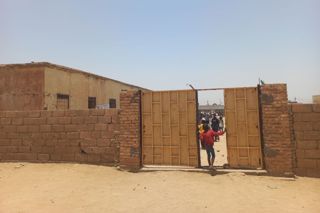
Bank Support and Monitoring Agent for Social Protection and Education projects in Sudan
- 2025 – 2026
- menos de 500.000 €
- Sudan
The main purpose of the BSMA is to ensure that funds of the two World Bank-financed projects, namely the Sudan SANAD – Emergency Crisis Response Safety Nets Project and the Sudan Primary Education Emergency Project (P504621), are used for the intended purpose.
The BSMA will carry out its support and monitoring activities consistent with the terms of the grant agreements concluded by the World Bank with WFP and UNICEF, respectively, including the terms of personal data protection. The BSMA consultancy assignment is additional to the normal monitoring and evaluation (M&E) functions that will be carried out by WFP and UNICEF, respectively, and will monitor and review the following:
- Monitor the progress of project activities in accordance with their overall plans. This includes data collection, field visits, and progress reporting.
- Monitor that results are being achieved in accordance with each projects’ results framework. This includes confirmation of the projects targets in the Results Frameworks.
- Monitor the implementation of the environmental and social risk management instruments as set out in the Environmental and Social Commitment Plan (ESCP), and provide recommendations to address the challenges, if any. Provide recommendations for continuous improvement, relevance, effectiveness, impact, and sustainability of activities.
- Monitor the mitigation and management of risks outlined in the project documents and provide recommendations to reduce or manage potential risks or constraints identified through the BSMA.
- Provide evidence-based, credible, and useful information to enable the incorporation of conclusions, lessons, and recommendations into the future decision-making processes of the World Bank projects.
- The BSMA will utilise the World Bank’s Geo-Enabling Initiative for Monitoring and Supervision (GEMS) to enhance transparency and accountability of the BSMA services, where possible, given the Fragility, Conflict, and Violence (FCV) context.
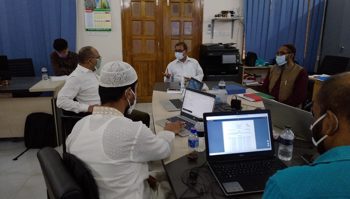
Technical Assistance to support the Human Capital Development Programme for Bangladesh 2021
- 2019 – 2026
- de 5 a 10 millones de €
- Bangladesh
In accordance with the EU's Multi-Annual Indicative Programme for Bangladesh 2014-2020, that aims to contribute to a better educated, trained and qualified population through improved education and skills development, the Human Capital Development Programme for Bangladesh 2021 (HCDP 21) was designed. The programme added value by extending the current budget support modality in primary education and the area of TVET under one single Sector Reform Performance Contract (SRPC) with an overall allocation of EUR 200 million, EUR 150 designated for primary education and EUR 50 million for TVET.
Under this contract, complementary services to the SRPC were provided to enhance policy dialogue for long-term strategic system strengthening of the sector, to support performance assessment and to strengthen the institutional capacity of the relevant government bodies to bring about policy reforms, while ensuring full ownership and sustainability of these reforms. The contract also encouraged the GoB to continue to strengthen governance and PFM systems at sector level, in complementarity with other EU-funded programmes in PFM in the country.
The purpose of this contract was:
- To support the EUD and relevant Government bodies in the more effective delivery of quality
primary education services, through targeted technical assistance that will provide institutional
strengthening support, capacity building, policy advice and evidence-based research, as required;
- To support the EUD and relevant Government bodies in the more effective delivery of TVET services, through targeted technical assistance that will provide institutional strengthening support, capacity building, policy advice and evidence-based research, as required. Support to the establishment of a SWAP in TVET, through enhanced results-based planning, management and assessment and improved coordination across the TVET sector;
- To support the relevant Government bodies responsible for Finance and Procurement in improving the Public Financial Management (PFM) system in ensuring adequate and equitable financing and management of funds.
- To support the EUD in (i) facilitating more effective policy dialogue with MoE and MoPME by providing technical inputs for strategic thinking on further policy analysis, development and implementation within the education sector in Bangladesh; (ii) periodic monitoring and assessment of overall sector performance and progress in the implementation of the NEP, Sector Budget Support (SBS) eligibility criteria and assessment of progress towards the HCDP21 disbursement linked indicators (DLI) targets of the TVET sector and, if required, for the primary education sector.
The key results to be achieved by the contractor were as follows:
- Develop the necessary enabling environment to reinforce institutional capacities to undertake effective, timely and evidence-based primary education system reforms: through well-targeted institutional capacity development interventions, support the relevant government departments (DPE, BNFE, NCTB…) in achieving the results under each of the targeted PEDP-4 components (Quality, Access and participation and Governance, financing and management);
- Develop the necessary enabling environment for a strengthened public TVET system: Effective and timely support to TMED's TVET services, particularly in respect to strengthening the institutional capacity of key central departments (including TMED, DTE and BTEB) and facilitate better coordination with other stakeholders. A particular focus will be put on successfully supporting the relevant government departments in attaining the DLI targets;
- EU policy dialogue, conditionalities and capacity building activities are more strategic, better coordinated and more conducive for implementation of government strategies/policies that contribute to progress in the education sector as a whole, in line with the SDG agenda.

Preparing the Improving Learning Outcomes in Secondary Education Sector Development Program
- 2023 – 2026
- menos de 500.000 €
- Georgia
Particip provided this Transaction Technical Assistance (TRTA) to support the Government of Georgia and the ADB to prepare the Improving Learning Outcomes in Secondary Education Sector Development Program.
Through this program, the new secondary education curriculum was planned to be rolled out, and needs to increase the efficiency of the school system addressed. The program was intended to increase the effectiveness of the school funding model, the quality of teaching, and address equity and inclusion challenges in the secondary education system.
The TRTA team supported preparing a policy-based loan and a investment project loan component, further developing the program design, a detailed policy matrix, completing due diligence requirements and planning program implementation arrangements. This included analytical work, preparing technical, financial, economic, institutional, safeguards, gender and socioeconomic due diligence, as well as advise and assistance to ensure the investment project was ready for rapid start-up and smooth implementation.

Evaluation of EU support to IPA Roma inclusion projects (2016-2023)
- 2023 – 2026
- menos de 500.000 €
- Western Balkans
The evaluation covered all European Union (EU) external action support to IPA Roma inclusion projects in the Western Balkans and Türkiye between 2016 and 2023. The main objectives of this assignment were to: i) provide an independent and evidence-based assessment of the EU's past and current external action support in the area of Roma inclusion; and ii) provide lessons learnt and recommendations at EU level to inform ongoing and future decision-making in improving current and future EU strategies, programmes and actions on Roma inclusion.
The evaluation was centred around three main thematic areas:
- Civil rights (registration, data collection, monitoring, reporting, fight against discrimination and antigypsyism);
- Economic and social rights (health, employment, education and housing, including access to public services);
- Roma inclusion in governments' green and digital agendas.
Additionally, the evaluation addressed broader cross-cutting issues such as human rights, the need to ensure appropriate treatment for vulnerable groups including children, fight against environmental poverty and climate change, social inclusion and gender equality.
The analysis covered both spending and non-spending actions and examined all funding mechanisms and modalities of implementation used under IPA II and III.

Evaluation of the project: Youth Economic Empowerment in Palestine (YEP)
- 2025 – 2025
- menos de 500.000 €
- Palestine
The purpose of this Final Evaluation was to assess the relevance, coherence, efficiency, effectiveness, sustainability, and impact of YEP implemented by Enabel under the EU-funded Palestinian Youth Empowerment Programme. It aimed to support accountability for results, inform institutional learning, and generate strategic recommendations to guide future youth employment programming in Palestine and comparable fragile contexts.
The evaluation examined project design, implementation, and results across the three interlinked components of YEP:
• the First Employment Facility (FEF);
• demand-driven TVET and work-based learning interventions; and
• entrepreneurship support for vulnerable youth.
It assessed the performance of the project as a whole and the contribution of each component to the project’s overall objectives.
The scope of the evaluation included all YEP activities implemented in the West Bank and those undertaken in Gaza prior to the suspension of operations in October 2023, through secondary sources. Primary data collection was conducted exclusively in the West Bank, while results from Gaza were reviewed based on available documentation and monitoring data. A survey targeting the beneficiaires of the First Employment Facility (R1) and the Work-Based Learning (WBL) was also conducted to collect and integrate their perspective into the final report.