Dominican Republic
7 Referenzen

Supporting the Alliance for Democracy Development, in fostering independent and pluralistic media, access to information and the fight against disinformation in Panama, Costa Rica, Dominican Rep. and Ecuador.
- 2024 – 2027
- 1 – 2 Millionen €
- Costa Rica, Dominican Republic, Ecuador, Panama
The expected outputs of this contract are as follows:
- Knowledge based products (analysis and studies) on policy and the legal frameworks pertaining to media regulation (including digital space), press freedom, journalists’ protection, and other related topics in the ADD countries are produced;
- Policy and technical expertise and mentoring is provided for the design and development of policy and legal frameworks pertaining to media regulation (including digital space), press freedom, journalists’ protection, and other related topics, in line with international standards and in respect of fundamental human rights;
- Research and knowledge based products on information environments, including among others stakeholder analyses, media sectoral political economy and ownership monitoring analyses, media consumption analyses, information and communication trends, vulnerabilities and opportunities are produced;
- Knowledge based products (analysis and studies) on monitoring of (foreign and domestic) information manipulation trends on traditional and online media, notably on narratives, tactics, techniques and impact, including through media monitoring, data analyses, investigative journalism, etc. are produced;
- Strengthened capacity of state and non-state (civil society, media, private sector, etc.) actors, on information manipulation (foreign and domestic) analytical methods including narratives, tactics, techniques and impact;
- Strengthened capacity of independent media actors to investigate, report, publish/broadcast fact based information;
- Strengthened capacity of fact-checking organisations to enhance their analytical, detection, debunking and communication work on disinformation campaigns;
- Strengthened capacity of civil society organisations to conduct Media and Information Literacy activities to broader public and to targeted stakeholders;
- Enhanced experience sharing, lessons learning within each focus country and across countries and actors from the region.
- Partner:
- Particip (federführend), FPU
- Schlagwörter:
- Aus- und Fortbildung, Kommunikation und Medien, Menschenrechte

Provision of expertise and tools to support Recovery and Peace Building Assessments and Post-Disaster Needs Assessments
- 2017 – 2024
- 2 – 5 Millionen €
- Global
The Particip-led “Post Crisis Assessment and Recovery Planning: Support Office of the EU“ provided systematic support to all stages of disaster- and conflict-related needs assessment missions.
As part of the 2008 Joint Declaration on Post-Crisis Assessments and Recovery Planning, the World Bank (WB), United Nations (UN), and European Union (EU) have committed to providing joint support for assessing, planning, and mobilising efforts toward recovery, reconstruction, and development in countries affected by crises. This tripartite agreement was executed via the mechanism of joint Recovery and Peacebuilding Assessments (RPBA), Post-Disaster Needs Assessments (PDNA), and Pandemic Recovery Needs Assessments (PRNA).
The activities of the advisory team included:
- Provision of support to EU Delegations around the world and EU Services in Brussels in the planning, undertaking and reporting of post crisis assessments: RPBA: support to peacebuilding through short- and longterm support to specific EUDs. Trainings and and workshops for local authorities, ministries and EU staff. PDNA: post-disaster assessments and support to recovery including trainings and workshops. CRNA/PRNA: COVID/pandemic recovery needs assessments and support to recovery including trainings and workshops.
- Support to third countries to build their capacity to carry out RPBAs, PDNAs, and PRNA this includes institutional strengthening and inter-institutional coordination such as the HLAG (High-level-Advisory-Group) composed of WB, UN and EU;
- Facilitate coordination of EU and tripartite input to the implementation of the joint declaration (conceptual work and RPBA/PDNA/PCNA missions);
- Elaborate a preliminary early and longer-term framework (which identifies key recovery sectors, peacebuilding priorities, etc.)– in close cooperation with the EU Delegation and other relevant EU services, including identification/definition of sectors requiring additional EU support (whether provided through short-term assistance under the present project or not), essential cross-cutting issues, a tentative recovery calendar, recovery information management systems, the existing capacity in-country and institutional and legal arrangements for national Authorities, recovery support anticipated, etc.;
- Deployment of experts in RPBA/PDNA/PRNA missions, and
- Revise and/or updating the methodologies as necessary.
Recovery and Peacebuilding Assessments (RPBAs) offered countries a standardised and internationally recognised approach to identify the underlying causes and impacts of conflict and crisis. The RPBA had three primary purposes:
- to help governments identify, prioritise and sequence recovery and peacebuilding activities,
- to provide an inclusive process to support political dialogue and participation of stakeholders,
- to coordinate international support through a joint assessment and a joint recovery and peacebuilding plan as well as a monitoring system.
Post-Disaster Needs Assessment (PDNA) assisted governments with assessing the full extent of a disaster’s impact on the affected country and, on the basis of these findings, producing an actionable and sustainable Recovery Strategy for mobilizing financial and technical resources. The internationally recognised PDNA methodology is a key commitment mentioned in the the Joint Declaration on Post-Crisis Assessments and Recovery Planning. In May 2020, in order to respond to the COVID-19 pandemic, the PDNA methodology was adapted to elaborate a COVID-19 Recovery Needs Assessment (CRNA) methodology.
Recovery and Peace Building Assessment (RPBA)
Myanmar (Jan 2018); Burkina Faso (Jun 2019-June 2021); Mozambique (RPBA Nov 2020-Nov 2021); Azerbaijan (Joint Recovery Needs Assessment - falls outside the RPBA framework, Scoping Mission March 2022); Libya (Stocktaking 2018-2019, RPBA 2022)
Post-Disaster Needs Assessment (PDNA) & Disaster Risk Framework (DRF)
Myanmar (Jan 2018); Syria (Feb 2018); Ivory Coast (July-Sept 2018); Tunisia (Oct 2018); Bangladesh (2018); Georgia (2018); Tonga (2018); Fiji (2018); Mozambique (Apr–Aug 2019);
Central African Republic/CAR (July 2019); Somalia (Drought Impact Needs Assessment/DINA, July - Aug 2018); Albania (Dec 2019-Feb 2020); Lebanon (Rapid Damage Needs Assessment/RDNA, Aug 2020); Lebanon (DRF, Sep 2020-2021); Saint Vincent and the Grenadines (June–Aug) 2021); El Salvador (June-Dec 2021); Haiti (Sep-Oct 2021); Haiti (DRF, Nov-Dec 2021); Pakistan (Sep-Nov 2022); Pakistan (DRF, Nov-Dec 2022); Belize (Jan-Feb 2023); Turkey (Feb-Mar 2023); Ukraine Khakhova dam (June 2023), Myanmar (CMRNA , Sep 2023); Libya ( RDNA, Sep 2023); Afghanistan ( Oct 2023); Afghanistan ( AFPR-PDNA like Refugee support assessment, Nov 2023)
COVID-19 Recovery Needs Assessment (CRNA)
Ecuador (July 2020-Apr 2021); El Salvador (July-Sept 2020); Dominican Republic (Dec 2020-Feb 2021); Zambia (Feb-Aug 2021); Eswatini (Dec 2020-Nov 2021)
Trainings: Recovery and Peace Building Assessment (RPBA)
Bangkok, Thailand (Dec 2017); Lebanon (Apr 2018)
Trainings: Post-Disaster Needs Assessment (PDNA) & Disaster Risk Framework (DRF)
Dominican Republic (Nov 2017); Fiji (Mar-Apr 2018); Vanuatu (Apr 2018); Somalia (May 2018); Myanmar (Aug 2018); Mauritius (Oct 2018); Djibouti & Ethiopia (Feb 2019); Chad (Apr 2019); CAR & Congo (July 2019); India (Aug 2019); Kenya (Sept 2019); Caribbean (Nov 2019); St. Lucia (Nov 2019); Balkans (Sarajevo, Bosnia & Herzegovina, Feb 2020); Mexico (Feb 2020); Liberia (Mar 2020); Senegal (May 2021); Europe and the Commonwealth of Independent States/ECIS region (Jun 2021); University of West Indies (Training of Trainers/ToT, Dec 2021); Panama (PDNA/DRF, Latin American countries/LAC, Mar 2022); Belgrade (ECIS DPPI-SEE, Jun 2022); Regional ECIS (DRF, June 2022); Columbia (PDNA/DRF, July 2022); Costa Rica (PDNA/DRF, July 2022); Barbados (Caribbean countries, Mar 2023); Training Togo Regional ECOWAS (PDNA/DRF, May 2023); Antigua and Barbuda, Saint Johns (DRF, Sept 2023)
Trainings: COVID-19 Recovery Needs Assessment (CRNA) & Pandemic Recovery Needs Assessment (PRNA)
Sahel Region Academia (Nov 2020); Sahel Region government staff and regional organisations (Dec 2020); Ghana (Mar 2021); India (PRNA, Mar 2023)
Other Events
Fragility Forum (RPBA, Mar 2018); Paris Peace Forum (RPBA/PDNA 2019); Paris Peace Forum (RPBA/PDNA, Nov 2020); EU Information Session (Oct 2021); EU Information Session: Asia/Pacific Hub (April 2022); World Reconstruction Conference 5 and Global Platform for Disaster Risk Reduction/GPDRR (Apr 2022); International Society for Photogrammetry and Remote Sensing (ISPRS) Congress (satellite, June 2022); EU Information Session: Caribbean Region (online, June 2023); Slow Onset Event Damage and Loss Workshop ( Nov 2023); Cyclone Mitch 25 year Commemoration ( Oct 2023)
- Partner:
- Particip (federführend), GIZ InS
- Schlagwörter:
- Aus- und Fortbildung, Projektdurchführung / technische Hilfe, Regierungsführung, Zivilgesellschaft
Evaluation of the European Union’s humanitarian interventions in disaster preparedness (2015-2020)
- 2021 – 2022
- unter 500.000 €
- Global
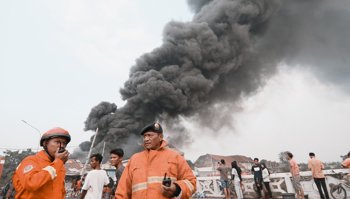
The main objectives of the evaluation are to provide: i) an independent, retrospective assessment of the performance and results of the EU's contributions to disaster preparedness within its humanitarian action; and ii) strategic recommendations to support DG ECHO future actions in this field. The evaluation will generate lessons and insights to inform how DG ECHO and its partners continue to deliver effective and life-saving preparedness activities worldwide. The evaluation covers all disaster preparedness activities, both targeted preparedness and mainstreaming. Its geographical scope covers all countries in which DG ECHO carries out humanitarian interventions. In terms of temporal scope, the evaluation covers the six years from 2015-2020.
Consistent with the EC’s Better Regulation Guidelines, the evaluation will serve a dual purpose of accountability and learning:
- Accountability: the evaluation will assess the results of EU interventions against its aims and expectations, coherence with humanitarian principles, relevance of DG ECHO interventions in targeting the most vulnerable beneficiaries, addressing gaps and contribution to DG ECHO overall mission
- Learning: the evaluation will support DG ECHO internal learning by identifying best practices and areas for improvement, but also aims at sharing learning and knowledge within DG ECHO partners and the wider humanitarian and development sector.
Report available here: https://op.europa.eu/en/publication-detail/-/publication/bf6a3cc9-751f-11ed-9887-01aa75ed71a1/language-en
- Partner:
- Particip (federführend), ICF Consulting
- Schlagwörter:
- Humanitäre Hilfe, Monitoring und Evaluierung
Mid-term and final evaluation of IcSP FD 39786 - Haiti and the Dominican Republic - 'Support to address the mixed migration crisis on the Island of Hispaniola'
- 2017 – 2018
- unter 500.000 €
- Dominican Republic, Haiti
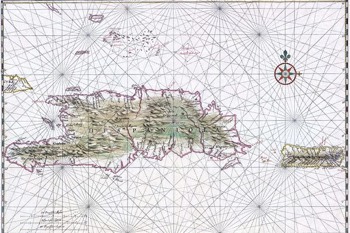
The overall objective of this assignment was to conduct a final evaluation of the IcSP actions under Commission decision 39786.
The specific objectives of this final evaluation were:
- to assess the performance of the two projects, including types of interventions, design and execution of assignments;
- to assess if and to what extent the projects have contributed to facilitating EU support to third parties engaged in the migration crisis in Haiti;
- to describe the possible steps that could have been taken to minimize the risk of unsuccessful implementation any further (if any);
- to describe the possible positive outcomes despite not achieving certain results;
- to make an assessment of the project’s visibility, information and communication;
- to identify and document key lessons learned;
- to produce a set of recommendations that will assist the EU in designing and implementing future actions in this sector.
- Schlagwörter:
- Humanitäre Hilfe

Evaluation of the EU development cooperation support to higher education in partner countries (2007-2014)
- 2015 – 2017
- unter 500.000 €
- Global
The Evaluation of the EU development cooperation support to Higher Education in partner countries (2007-2014) evaluated the design and the implementation of policies, strategies and sector programmes of the EU’s past and current development cooperation support to higher education.
The main objectives of the evaluation were:
- to provide the relevant external co-operation services of the EU and the wider public with an independent assessment of the development cooperation support provided to higher education in partner countries over the period 2007-2014;
- to identify key lessons and forward-looking recommendations.
The evaluation used the five standard OECD/DAC evaluation criteria, namely relevance, effectiveness, efficiency, impact and sustainability. In addition, the evaluation also looked at the EU added value and the 3Cs.
The evaluation was conducted in four phases
- An Inception Phase, focusing on the design and the methodology of the evaluation including the reconstruction of the intervention logic and the compilation of a comprehensive inventory incl. monetary flow of all relevant activities between 2007 and 2014;
- A Desk Phase, focusing on gathering and analysing existing data and information (through literature/document reviews and interviews/focus groups/surveys);
- A Field Phase, including preparation of field missions, visits to the case study countries (Cameroon, the Dominican republic, Egypt, Guatemala, Kenya, Mexico, Moldova, South Africa) and drafting of country notes;
- A Synthesis Phase, producing a final report and dissemination of results to concerned stakeholders.
The report is available at: https://ec.europa.eu/europeaid/strategic-evaluation-eu-development-co-operation-support-higher-education-partner-countries-2007_en
- Partner:
- Particip (federführend), ECDPM, Ecorys B.V., LA International Cooperation S.R.L.
- Schlagwörter:
- Bildung, Institutionelle Entwicklung, Monitoring und Evaluierung, Regierungsführung

Binational Technical Assistance Program: Support to Binational Transboundary Cooperation in the areas of trade, environment and local development
- 2013 – 2017
- 1 – 2 Millionen €
- Dominican Republic, Haiti
The general objective of the Binational Programme was the promotion of socioeconomic development in the two countries, in the border regions and in the Northern Corridor of the Island.
The Binational Programme consisted of two programmes with two distinct Financing Agreements. The first programme, whose coordination was assured by the National Authorising Officer in Haiti, was in the areas of trade, environment / local development and in the reinforcement of the Joint Bilateral Commission. The second programme, coordinated by the National Authorising Officer of the Dominican Republic, aimed to reinforce the infrastructure in the Northern Corridor.
Both programmes aimed at strengthening the planning, implementation and monitoring of public environmental and infrastructure policies.
The specific objectives were:
- to assist the National Authorising Officers and the Ministries of Environment and Public Transport in the two countries in the coordination of activities and in the management and implementation of the Binational Programme;
- to give technical support to operators and partners in the implementation of technical and administrative issues and financial resources required for the effective operation of the Binational Programme;
- to assist the authorities of the two countries in assuring the strategic steering of the programme by pursuing global coherence in the implementation of the Binational Programme and its connection with other national or regional programmes financed by the resources of the cooperation;
- to assist in the capitalisation of the programme results by systematising the experience and by popularising the important lessons learned.
- Schlagwörter:
- Infrastruktur, Institutionelle Entwicklung, Kommunikation und Medien, Ländliche und städtische Entwicklung, Monitoring und Evaluierung, Projektdurchführung / technische Hilfe, Regierungsführung, Umwelt

Final evaluation of the 'Support to the Global Climate Change Alliance (GCCA) under the 10th EDF Intra-ACP Financial Framework in the Caribbean'
- 2017 – 2017
- unter 500.000 €
- Barbados, Belize, Dominican Republic, Jamaica
The global objective of the final evaluation was to assess the project's performance and achievements against the project's overall objective, and advise on lessons learnt which may have implications for further interventions in the sector. Taking into account the different initiatives, programmes, donors and other complementary actions, and considering that CARIFORUM is preparing a proposal for an 11th EDF successor Programme, part of the assignment also aimed at identifying complementary actions/projects (ongoing or in preparation) related to Climate Change.
The specific objective of the final evaluation was to provide the European Commission with:
- An overall independent assessment of the performance of the 'Global Climate Change Alliance (GCCA) Caribbean Support Project, paying particularly attention to the results of the programme against its objectives (including the performance of different early warning systems (EWS), level of participation in different trainings, level of coordination with other projects/donors, reached visibility);
- Key lessons and recommendations in order to improve current and future actions of a similar nature for a possible follow-up programme to be financed under the 11th EDF Regional Programme.
- Partner:
- Particip (federführend), AETS
- Schlagwörter:
- Umwelt