Ecuador
6 referencias

Supporting the Alliance for Democracy Development, in fostering independent and pluralistic media, access to information and the fight against disinformation in Panama, Costa Rica, Dominican Rep. and Ecuador.
- 2024 – 2027
- de 1 a 2 millones de €
- Costa Rica, Dominican Republic, Ecuador, Panama
The expected outputs of this contract are as follows:
- Knowledge based products (analysis and studies) on policy and the legal frameworks pertaining to media regulation (including digital space), press freedom, journalists’ protection, and other related topics in the ADD countries are produced;
- Policy and technical expertise and mentoring is provided for the design and development of policy and legal frameworks pertaining to media regulation (including digital space), press freedom, journalists’ protection, and other related topics, in line with international standards and in respect of fundamental human rights;
- Research and knowledge based products on information environments, including among others stakeholder analyses, media sectoral political economy and ownership monitoring analyses, media consumption analyses, information and communication trends, vulnerabilities and opportunities are produced;
- Knowledge based products (analysis and studies) on monitoring of (foreign and domestic) information manipulation trends on traditional and online media, notably on narratives, tactics, techniques and impact, including through media monitoring, data analyses, investigative journalism, etc. are produced;
- Strengthened capacity of state and non-state (civil society, media, private sector, etc.) actors, on information manipulation (foreign and domestic) analytical methods including narratives, tactics, techniques and impact;
- Strengthened capacity of independent media actors to investigate, report, publish/broadcast fact based information;
- Strengthened capacity of fact-checking organisations to enhance their analytical, detection, debunking and communication work on disinformation campaigns;
- Strengthened capacity of civil society organisations to conduct Media and Information Literacy activities to broader public and to targeted stakeholders;
- Enhanced experience sharing, lessons learning within each focus country and across countries and actors from the region.
- Socios:
- Particip (líder), FPU
- Palabras clave:
- Comunicación y medios, Derechos humanos, Formación
The European Union sent an exploratory mission to assess the usefulness, advisability and feasibility of an EU EOM for the upcoming general elections in Ecuador.
The purpose of the Exploratory Mission was to collect factual information concerning this election process, in line with the criteria contained in the Commission Communication on Electoral Assistance and Observation [COM(2000)191].
The experts had in particular to:
- Assess the pre-election situation in the light of international standards for democratic elections and national legislation. The assessment will cover: (i) Political situation, (ii) Legal and Electoral framework, (iii) election administration, (iv) voter registration, (v) party and candidate registration, (vi) human rights and fundamental freedoms, (vii) potential for electoral violence, (viii) traditional and online media, as well as social media, (ix) security aspects, (x) logistics and operational matters, (xi) use of electoral ICT and (xii) any other relevant issues relating to the elections and possible deployment of an EU EOM.
- Assess, when relevant, the state of implementation of recommendations of previous EU election missions (both EU EOMs and EEMs).
- Make necessary preliminary logistics related enquiries and provide advice on how to organise the operational component of a possible EU EOM.
- Assess the security situation in the country, in particular in connection with the possible deployment of an EU EOM.
- Advise on the composition, number and length of stay of the Core Team members and long and short-term observers of the EU EOM.
- Draft tentative specifications and Terms of Reference of a possible EU EOM and related estimated costs and budget breakdown.
- Assess the relevance of providing support to domestic observer organisations.
- Acquire updated information on EU election support (both EU and Member States) and other major partners (Canada, Norway and Switzerland) and possible other major actors plans in this field, including in the area of electoral assistance.
- Liaise closely with domestic and international election observation organisations that may be present on the ground regarding the preparation of elections.
- Prepare a number of specific reports as outlined in section 'VI. Output' of the ToR.
- Palabras clave:
- Elecciones
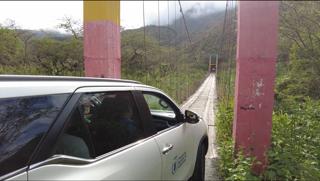
The final evaluation of the project "Building adaptive capacity to climate change through food security and nutrition actions in vulnerable Afro and indigenous communities in the Colombia-Ecuador border area" (Binational Project) was commissioned by the World Food Programme (WFP) in Colombia and Ecuador. The project was financed by the Adaptation Fund (AF) and implemented from 2018 to 2024 in the two binational river basins of Mira-Mataje and Guaitara-Carchi. It sought to reduce the climate vulnerability of Indigenous Awa and Afro-descendant communities and their ecosystems (promoting food security and nutrition, gender equality, and peace building) and strengthen the capacities of the communities and regional institutions to adapt to climate change.
The evaluation covered the period from 2016 (project design) until April 2024 (six months before project closure) and served the double purpose of accountability and learning. It responded to eight main evaluation questions (which covered all AF evaluation criteria except impact), adopting a theory-based mixed methods approach. The evaluation combined conventional performance assessment (through a comprehensive review of available documents and quantitative M&E data, key informant interviews, and direct observation in the field) with appreciative inquiry workshops and indigenous storytelling in beneficiary communities. The field mission in Colombia and Ecuador lasted more than three weeks.
In addition to the evaluation report, a short video with a summary of evaluation results was produced for dissemination purposes. Both products are available at: https://www.wfp.org/publications/colombia-ecuador-evaluacion-descentralizada-del-proyecto-binacional-de-adaptacion-de
- Palabras clave:
- Alimentación y nutrición, Medio ambiente, Seguimiento y evaluación, Silvicultura
Provision of expertise and tools to support Recovery and Peace Building Assessments and Post-Disaster Needs Assessments
- 2017 – 2024
- de 2 a 5 millones de €
- Global
The Particip-led “Post Crisis Assessment and Recovery Planning: Support Office of the EU“ provided systematic support to all stages of disaster- and conflict-related needs assessment missions.
As part of the 2008 Joint Declaration on Post-Crisis Assessments and Recovery Planning, the World Bank (WB), United Nations (UN), and European Union (EU) have committed to providing joint support for assessing, planning, and mobilising efforts toward recovery, reconstruction, and development in countries affected by crises. This tripartite agreement was executed via the mechanism of joint Recovery and Peacebuilding Assessments (RPBA), Post-Disaster Needs Assessments (PDNA), and Pandemic Recovery Needs Assessments (PRNA).
The activities of the advisory team included:
- Provision of support to EU Delegations around the world and EU Services in Brussels in the planning, undertaking and reporting of post crisis assessments: RPBA: support to peacebuilding through short- and longterm support to specific EUDs. Trainings and and workshops for local authorities, ministries and EU staff. PDNA: post-disaster assessments and support to recovery including trainings and workshops. CRNA/PRNA: COVID/pandemic recovery needs assessments and support to recovery including trainings and workshops.
- Support to third countries to build their capacity to carry out RPBAs, PDNAs, and PRNA this includes institutional strengthening and inter-institutional coordination such as the HLAG (High-level-Advisory-Group) composed of WB, UN and EU;
- Facilitate coordination of EU and tripartite input to the implementation of the joint declaration (conceptual work and RPBA/PDNA/PCNA missions);
- Elaborate a preliminary early and longer-term framework (which identifies key recovery sectors, peacebuilding priorities, etc.)– in close cooperation with the EU Delegation and other relevant EU services, including identification/definition of sectors requiring additional EU support (whether provided through short-term assistance under the present project or not), essential cross-cutting issues, a tentative recovery calendar, recovery information management systems, the existing capacity in-country and institutional and legal arrangements for national Authorities, recovery support anticipated, etc.;
- Deployment of experts in RPBA/PDNA/PRNA missions, and
- Revise and/or updating the methodologies as necessary.
Recovery and Peacebuilding Assessments (RPBAs) offered countries a standardised and internationally recognised approach to identify the underlying causes and impacts of conflict and crisis. The RPBA had three primary purposes:
- to help governments identify, prioritise and sequence recovery and peacebuilding activities,
- to provide an inclusive process to support political dialogue and participation of stakeholders,
- to coordinate international support through a joint assessment and a joint recovery and peacebuilding plan as well as a monitoring system.
Post-Disaster Needs Assessment (PDNA) assisted governments with assessing the full extent of a disaster’s impact on the affected country and, on the basis of these findings, producing an actionable and sustainable Recovery Strategy for mobilizing financial and technical resources. The internationally recognised PDNA methodology is a key commitment mentioned in the the Joint Declaration on Post-Crisis Assessments and Recovery Planning. In May 2020, in order to respond to the COVID-19 pandemic, the PDNA methodology was adapted to elaborate a COVID-19 Recovery Needs Assessment (CRNA) methodology.
Recovery and Peace Building Assessment (RPBA)
Myanmar (Jan 2018); Burkina Faso (Jun 2019-June 2021); Mozambique (RPBA Nov 2020-Nov 2021); Azerbaijan (Joint Recovery Needs Assessment - falls outside the RPBA framework, Scoping Mission March 2022); Libya (Stocktaking 2018-2019, RPBA 2022)
Post-Disaster Needs Assessment (PDNA) & Disaster Risk Framework (DRF)
Myanmar (Jan 2018); Syria (Feb 2018); Ivory Coast (July-Sept 2018); Tunisia (Oct 2018); Bangladesh (2018); Georgia (2018); Tonga (2018); Fiji (2018); Mozambique (Apr–Aug 2019);
Central African Republic/CAR (July 2019); Somalia (Drought Impact Needs Assessment/DINA, July - Aug 2018); Albania (Dec 2019-Feb 2020); Lebanon (Rapid Damage Needs Assessment/RDNA, Aug 2020); Lebanon (DRF, Sep 2020-2021); Saint Vincent and the Grenadines (June–Aug) 2021); El Salvador (June-Dec 2021); Haiti (Sep-Oct 2021); Haiti (DRF, Nov-Dec 2021); Pakistan (Sep-Nov 2022); Pakistan (DRF, Nov-Dec 2022); Belize (Jan-Feb 2023); Turkey (Feb-Mar 2023); Ukraine Khakhova dam (June 2023), Myanmar (CMRNA , Sep 2023); Libya ( RDNA, Sep 2023); Afghanistan ( Oct 2023); Afghanistan ( AFPR-PDNA like Refugee support assessment, Nov 2023)
COVID-19 Recovery Needs Assessment (CRNA)
Ecuador (July 2020-Apr 2021); El Salvador (July-Sept 2020); Dominican Republic (Dec 2020-Feb 2021); Zambia (Feb-Aug 2021); Eswatini (Dec 2020-Nov 2021)
Trainings: Recovery and Peace Building Assessment (RPBA)
Bangkok, Thailand (Dec 2017); Lebanon (Apr 2018)
Trainings: Post-Disaster Needs Assessment (PDNA) & Disaster Risk Framework (DRF)
Dominican Republic (Nov 2017); Fiji (Mar-Apr 2018); Vanuatu (Apr 2018); Somalia (May 2018); Myanmar (Aug 2018); Mauritius (Oct 2018); Djibouti & Ethiopia (Feb 2019); Chad (Apr 2019); CAR & Congo (July 2019); India (Aug 2019); Kenya (Sept 2019); Caribbean (Nov 2019); St. Lucia (Nov 2019); Balkans (Sarajevo, Bosnia & Herzegovina, Feb 2020); Mexico (Feb 2020); Liberia (Mar 2020); Senegal (May 2021); Europe and the Commonwealth of Independent States/ECIS region (Jun 2021); University of West Indies (Training of Trainers/ToT, Dec 2021); Panama (PDNA/DRF, Latin American countries/LAC, Mar 2022); Belgrade (ECIS DPPI-SEE, Jun 2022); Regional ECIS (DRF, June 2022); Columbia (PDNA/DRF, July 2022); Costa Rica (PDNA/DRF, July 2022); Barbados (Caribbean countries, Mar 2023); Training Togo Regional ECOWAS (PDNA/DRF, May 2023); Antigua and Barbuda, Saint Johns (DRF, Sept 2023)
Trainings: COVID-19 Recovery Needs Assessment (CRNA) & Pandemic Recovery Needs Assessment (PRNA)
Sahel Region Academia (Nov 2020); Sahel Region government staff and regional organisations (Dec 2020); Ghana (Mar 2021); India (PRNA, Mar 2023)
Other Events
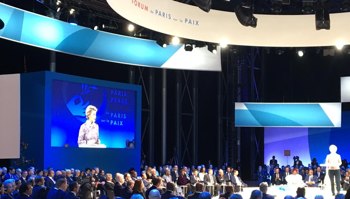
Fragility Forum (RPBA, Mar 2018); Paris Peace Forum (RPBA/PDNA 2019); Paris Peace Forum (RPBA/PDNA, Nov 2020); EU Information Session (Oct 2021); EU Information Session: Asia/Pacific Hub (April 2022); World Reconstruction Conference 5 and Global Platform for Disaster Risk Reduction/GPDRR (Apr 2022); International Society for Photogrammetry and Remote Sensing (ISPRS) Congress (satellite, June 2022); EU Information Session: Caribbean Region (online, June 2023); Slow Onset Event Damage and Loss Workshop ( Nov 2023); Cyclone Mitch 25 year Commemoration ( Oct 2023)
- Socios:
- Particip (líder), GIZ InS
- Palabras clave:
- Ejecución de proyectos / asistencia técnica, Formación, Gobernanza, Sociedad civil
Election Expert Mission to Ecuador 2023
- 2023 – 2024
- menos de 500.000 €
- Ecuador
The purpose of the Election Expert Mission (EEM) was to collect and analyse factual information, assess and report on the electoral process against international commitments, standards and good practice for democratic elections in line with the criteria contained in the Commission Communication on Electoral Assistance and Observation. The electoral experts also formulated recommendations to improve future electoral processes and assessed the state of implementation of recommendations made by previous electoral missions.
- Palabras clave:
- Elecciones
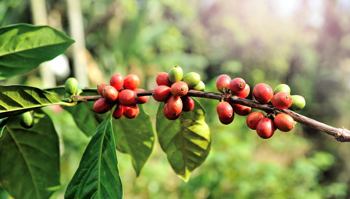
Service contract 2 - Technical assistance to support the central government (MPCEI-P) for implementing activities related to Specific objective 2 (facilitated socio-economic recovery)
- 2022 – 2023
- de 500.000 € a 1 millón de €
- Ecuador
General objective: Developed a National Adaptation Plan (2023) to allow the Ecuadorian exporting productive sector to achieve an adequate and timely transition in line with the European Green Deal, through the design of strategies within the framework of quality infrastructure, production systems and regulatory Framework.
Specific objectives:
- Carried out a comprehensive analysis of the agro-industrial export chains and prioritised challenges to achieve compliance with the European Green Deal requirements
- As the European Union is one of Ecuador's main trading partners, it was necessary to know through a comprehensive analysis which were, in order of priority, the main adaptations that were to be considered within the agro-industrial chains framework. This allowed to define a baseline to focus the Ecuadorian production on the European Union as destination market
- Evaluated the Ecuadorian regulatory framework in order to identify priority reforms, within the international trade framework, which allowed to be aligned with the regulations derived from the European Green Deal. The evaluated regulatory framework affected the following products and value chains: bananas, fruits non-traditional, vegetables and greens, cocoa, coffee and fishery. For the Ecuadorian agricultural and agro-industrial sector, the European Union has become a preferential market for exports ; In line with the European Green Deal, the European Union regulatory framework is adapting and it was therefore essential to make such adjustments and reforms to the Ecuadorian regulatory framework.
- Evaluated the current situation of the quality infrastructure and monitoring mechanism, to ensure compliance with the requirements of the European Green Deal for the export of the selected products and value chains.
- For the strengthening of the Ecuadorian economy, one of the defined strategies was the diversification of the exportable offer. An analysis of the country's quality infrastructure helped to define updated mechanisms with the objective of guaranteeing compliance with the defined requirements to access the European market, especially with high value-added products.
- Identified requirements and general principles to guarantee the sustainability of productive systems applied in the bananas, non-traditional fruits, vegetables and greens, cocoa, coffee and fishery and aquaculture value chains and products
- Strengthened the marketing capacity of the selected value chains and products with a focus on the knowledge of the destination market, considering the changes in rules and requirements that the European Green Deal generated
- Prepared an Action Plan that focused on the quality infrastructure, production systems and regulatory framework, which allowed the agile adaptation to the requirements of the European Green Deal of the selected products and value chains.
- As to comply with the adaptation process derived from the European Green Deal, it was necessary to define an action plan for each of the prioritized value chains, based on the changes that they needed to manage to continue accessing the European market
- Established a plan for the socialization and validation of the Action Plans with the main actors of the public and private sectors of the prioritized value chains
- The process of adaptation to the European Green Deal, was to require reforms in national regulations and policies as established in the action plans for each of the prioritized production chains, which needed to be socialized with the private sector, unions, chambers and other related actors, to develop a validation and appropriation process of agreed plans, but mainly commitment to their implementation
- Socios:
- EMI (formerly: Cardno Belgium) (líder), CAPA EEIG (managed by Particip), Particip
- Palabras clave:
- Agricultura, Comercio, Medio ambiente