
Our projects
Explore Particip’s project experience across countries, sectors and areas of expertise.
Our references provide an overview of completed and ongoing assignments, including their objectives, geographic scope, duration and contract value.
Showing 171–180 of 514 references
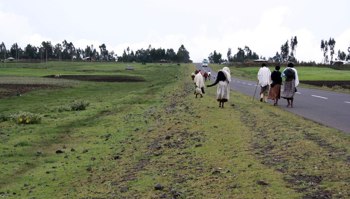
Ethiopia Country Programme Monitoring and Communication Consultancy
- 2020 – 2026
- € 1 – 2 million
- Ethiopia
The overall objective of the Country Programme 2018-22 was to contribute to inclusive sustainable growth and improved governance in Ethiopia by supporting the vision of building a Climate-Resilient Green Economy and reaching lower middle-income status by 2025. These were high political priorities of the Government of Ethiopia that Denmark wished to support. The four thematic programmes through which this was to be done are the following: Agricultural Commercialisation Clusters; Coherence between humanitarian responses and development cooperation; Climate-Resilient Forest Livelihoods; and Governance and Human Rights.
At present, there are six Development Engagements (DEs), as follows:
- Agricultural Commercialisation Clusters Programme, a partnership with the governmental Agricultural Transformation Agency (ATA). Budget: DKK 350 million. Expiry: Mid-2023
- Productive Safety Net Programme, with the World Bank. Budget: DKK 300 million. Expiry: End 2022
- Sustainable Livelihoods and Food Security Programme, with the World Food Programme. Budget: DKK 100 million. Expiry: End 2022
- Climate-Resilient Forest Livelihoods Programme, with the Ministry of Finance. Budget: DKK 45 million. Expiry: Mid-2023
- Governance and Democratic Participation Programme, with UNDP. Budget: DKK 20 million. Expiry: End 2011
- Ensuring Gender-Responsive Democratisation and Preventing Violence against Women and Girls, with UN Women. Budget: DKK 20 million. Expiry: End 2021.
The objective of the monitoring and communication assignment was to support the Danish Embassy in Addis Ababa in
(a) establishing and facilitating a functioning monitoring and risk management system for the Country Programme and other development engagements that will help improve programme effectiveness, facilitate learning and ensure informed decisionmaking by the Embassy and its partners, and maximise transparency and accountability regarding the development of the programme;
(b) communicating to both the Ethiopian and Danish general public and certain specific target groups relevant achievements and results obtained by the Country Programme and other partnerships in the Embassy’s country portfolio.
- Partners:
- Particip (Lead), JaRco Consulting
- Keywords:
- Communication & media, Institutional development, Monitoring & Evaluation
Overall objective
The Overall Objective of the project of which this contract was: to support the implementation of a comprehensive and effective Monitoring and Evaluation mechanism, established by the EU Trust Fund in Response to the Syrian Crisis.
Purposes
- 1.To provide evidence-based knowledge on progresses achieved by EUTF in Response to the Syrian Crisis financed projects, and to inform on their management, through regular and ad-hoc Results Oriented Monitoring (ROM).
- 2.To measure the effectiveness of EUTF actions, through centralized data collection and analysis, based on disaggregated quarterly results reporting.
- 3.To evaluate the sustainability, efficiency and effectiveness of EUTF-funded Programmes at thematic and geographic level and to assess potential prospects of impact, through portfolio evaluations.
The monitoring and evaluation technical services mobilised under the present multi-sector action aimed to continue assessing the extent to which the strategic objectives of the EUTF were achieved. The project built on the existing M&E system put in place by the EUTF in December 2016 and served to complement the regular M&E activities carried out by the EUTF operational team at headquarters as well as the internal monitoring conducted by EUTF local officers, at country level.
Target group
The target group of this contract were EUTF project partners, management, donors, other involved EU services, direct beneficiaries, as well as the general public.
Results achieved
- R1 An independent and real-time EUTF ROM mechanism put in place and continuously improved, in line with the increasing monitoring needs of the EUTF.
- R2 The EUTF system for regular results reporting remained in place and was continuously improved in line with the increasing reporting needs of the EUTF.
- R3 A portfolio evaluation framework remained in place and was continuously improved in line with the evolving needs of the EUTF.
- Partners:
- Particip (Lead), Integration
- Keywords:
- Monitoring & Evaluation

Evaluation of the African Development Bank’s Regional Integration Strategy Paper for Southern Africa (2020-2026)
- 2025 – 2026
- under € 500,000
- Angola, Botswana, Eswatini, Lesotho, Madagascar, Malawi, Mauritius, Mozambique, Namibia, São Tomé & Príncipe, South Africa, Zambia, Zimbabwe
The evaluation focuses on the African Development Bank’s Regional Integration Strategy for Southern Africa (SA-RISP) 2020–2026, with coverage of the period 2020–2024. Its primary purpose is to assess how far the strategy has progressed towards achieving its intended results and to provide lessons and recommendations for the design of the next regional integration strategy. The evaluation will review both lending operations, sovereign and non-sovereign, and non-lending activities such as policy dialogue, analytical work, and technical assistance.
Key objectives include examining the relevance and design of the SA-RISP as a framework for advancing regional integration, its coherence with regional and continental frameworks such as SADC, COMESA, and the AfCFTA, and its effectiveness, efficiency, impact, and sustainability. The evaluation will also analyse factors that have enabled or constrained implementation, including operational, institutional, and policy challenges, as well as cross-cutting issues. Ultimately, it aims to draw out lessons learned and practical recommendations to strengthen AfDB’s future engagement in supporting regional integration in Southern Africa.
- Keywords:
- Industry & private sector development, Infrastructure, Monitoring & Evaluation, Trade

Traceability for export products and sustainability in Colombia
- 2024 – 2026
- € 500,000 – 1 million
- Colombia
Global Objective
Strengthen the EU’s engagement with Colombia on external impacts of EU Green Deal policies and regulatory frameworks, with emphasis on the regulation on deforestation and forest degradation, through the use of EU’s digital tools.
Specific Objective(s)
- Engage with key stakeholders in Colombia to enhance understanding of the objective and content ofthe identified regulations, with emphasis on deforestation and forest degradation. The regulation onCarbon Border Mechanism Adjustment, the Corporate Sustainability Reporting Directive (CSRD), theupcoming Corporate Sustainability Due Diligence Directive, etc. could as well be subject of furtherengagement with Colombian stakeholders;
- Identify the necessary steps to either implement or support already existing effective traceability systems for Colombian exports to the EU market, taking into account the deforestation and forest degradation regulation;
- Identify the most relevant and cost-efficient space-based technologies and data, including their combination and taking into account existing traceability systems, to be used to support Colombia’s efforts to comply with the zero-deforestation supply chain regulation in the most affected value chains, especially coffee, palm oil and/or cocoa. Among these, the most
- Promote the use of already available technological tools within the public and private sector alike, in particular Copernicus-based imagery and support the development of ad-hoc services through the Copernicus Regional centres in Chile and Panama or through the JRC and the European Union Space Programme Agency-EUSPA.
- Identify, promote and support pilot projects and use cases to demonstrate the potential of using satellite-based technologies to develop traceability systems facilitating compliance with the Regulation as well as in other areas such as environmental protection and environmental .
- Support outreach efforts towards the main stakeholders to increase awareness among the main private and public stakeholders over the tools offered by the EU in support of Colombia and promote the uptake of EU Space technologies.
- Support the dialogue on space-based services with institutions, companies, academics, and CSOs through the organisation of high-level events, the creation and animation ofcrosssectoralnetworks and promote synergies with similar EU-funded actions. Complement and supporting the uptake of initiatives like Copernicus Academy, Copernicus Relays, EU Global Action on Space, EU-LAC Digital Alliance amongst others.
- Partners:
- Particip (Lead), Idem Concept
- Keywords:
- Agriculture, Communication & media, Environment, Forestry, Trade

European Perspectives on Negative Outcomes for Logic Models
- 2025 – 2026
- under € 500,000
- Canada
Purpose
The purpose of this study is to support the upcoming 2026 evaluation of the Shared Services Canada (SSC) Cyber Security Program. This evaluation is being led by the Office of Audit and Evaluation (OAE). The objective is to produce a study which includes the lessons learned for developing logic models and identifying performance indicators for programs whose primary objective is to prevent negative outcomes from occurring, such as (but not limited to) public health, security, crime prevention, Disaster Risk Reduction, or others. Furthermore the study will contribute to provide an assessment of how these models define, measure, and evaluate success.
Scope
In addition the study should provide:
- a better understanding of the outcomes that appear on the logic models for “negative outcome” programs. This would include how their outcomes defined and measured. In addition, how are these programs evaluated and assessed for their effectiveness (i.e., progress toward expected outcomes).
- a better understanding on how to measure and evaluate performance that can arise from improved detection practices. “False positives”
- Keywords:
- Information technology

Consultancy services to support the protection of biodiversity and natural ecosystems (Emerald Network) in Ukraine
- 2024 – 2026
- under € 500,000
- Ukraine
The regional EU4Environment programme aims at helping the EU’s Eastern partner countries (EaP) preserve their natural capital and increase people's well-being. This is done by supporting environment-related action, unlocking opportunities for greener growth, and setting mechanisms to better manage environmental risks and impacts. The programme is implemented through (i) country-specific work tailored to the needs and commitments of each partner country and (ii) regional cooperation. Bilateral commitments, the commitments assumed within the Eastern Partnership framework, and alignment with the EU environmental legislation and, lately, the European Green Deal, are guiding programme implementation. In June 2022, Ukraine and Moldova have both been granted EU candidate status. Simultaneously, Georgia was given a European perspective. Policy and regulatory reforms are needed for these countries to become fully aligned with EU legislation and standards. Programme activities also consider and contribute to the implementation of the Sustainable Development Goals (SDGs) and the Paris Agreement, as well as relevant multilateral environmental agreements. It also contributes to implementing the ambitious global agreement reached at the 15th Conference of the Parties to the Convention on Biological Diversity in Montreal, in December 2022 (the Kunming-Montreal Agreement).
Result Area 4 is implemented by the World Bank and focuses on four main components: i) support to protect biodiversity and natural ecosystems (Emerald Network); ii) promoting sustainable natural resources management, economic development and participation at the local community level; iii) support to the promotion of legal trade and preventing illegal trade in wood products; and iv) enhancing strategic financing to the forest and natural resource management sectors. The objective of this assignment is to provide technical advisory support to the Government of Ukraine, to the Ministry of Environmental Protection and Natural Resources (MEPNR) in particular, to advance the establishment of the Emerald Network in the country.
The Consultant will provide technical assistance to relevant Ukrainian counterparts focused on developing methodological capacities for ensuring the long-term survival of species and habitats listed in the Bern Convention Resolutions. The focus of the work will be on developing methodological guidelines for assessing anthropogenic (including military) impacts and developing methodological guidelines for preparing the management plans for Emerald sites in line with European standards and best international practices.
- Partners:
- Particip (Lead), Rewilding Ukraine
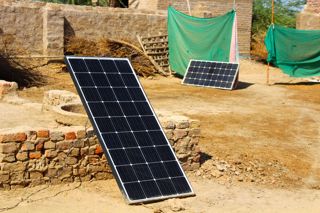
Evaluation of the Renewable Energy for Rural Development Phase II (RERD) II and Belgium
- 2025 – 2026
- under € 500,000
- Mozambique
This End-Term Evaluation (ETE) of the Renewable Energy for Rural Development Phase II (RERDII) project was both summative and formative in nature, with the overall purpose of assessing project performance, identifying outcomes and generating learning for future rural electrification programming in Mozambique. The evaluation focused on the electricity component of RERDII, implemented by Enabel in partnership with FUNAE, which aimed to increase access to renewable energy in rural areas through the installation of five solar-powered mini-grids in the provinces of Nampula and Zambézia, while also supporting institutional strengthening and promoting the productive use of electricity.
The Evaluation covered the implementation period from the start of the specific agreement in March 2018 to the end of December 2024, when the five mini-grids had reached provisional acceptance, while also considering emerging operational issues and lessons relevant to final acceptance and handover in 2025.
Geographically, the evaluation covered the five mini-grid sites in Nampula and Zambézia, with field visits to selected sites and stakeholder consultations in Maputo.
Thematically, it assessed the project against the OECD-DAC criteria of relevance, coherence, effectiveness, efficiency, impact and sustainability, while also considering gender, inclusion and other cross-cutting issues such as environmental safeguards.
Institutionally, the evaluation involved Enabel, FUNAE, MIREME, ARENE, provincial and district authorities, local communities, social institutions, beneficiaries, private operators and development partners active in Mozambique’s rural electrification sector.
The methodology combined desk review of project documentation, technical studies, monitoring data, financial and policy documents; scoping interviews with Enabel staff; key informant interviews with national, provincial and local stakeholders; focus group discussions with end beneficiaries and communities; field observation of mini-grid sites; and case studies documenting specific electrification outcomes, including job creation, productive use of electricity, beneficiary perceptions and constraints affecting sustainability.
Through this approach, the evaluation aimed to support accountability to partners and stakeholders, assess the socio-economic effects of rural electrification on households, SMEs and local communities, examine the performance and sustainability of operation and maintenance models, and formulate practical recommendations and lessons to inform future Enabel, FUNAE and climate-finance-supported interventions, including the envisaged Green Climate Fund rural electrification project.
- Partners:
- Particip (Lead), Technopolis Group
- Keywords:
- Energy, Monitoring & Evaluation

Support measures for communications and events Chile
- 2023 – 2026
- € 500,000 – 1 million
- Chile
The overarching aim was to foster a stronger and more visible EU presence in Chile through a diverse set of communication interventions. These included:
- Strategic communication campaigns that promoted the EU's political and cooperation agenda;
- Public diplomacy activities such as cultural and educational exchanges, stakeholder dialogues, youth engagement and executive trainings;
- Visibility support for EU-funded and co-funded projects, including producing multimedia content, managing press relations, and enhancing social media reach;
- The organisation of events marking EU priorities, such as Europe Day, and support for high-level visits by EU officials;
- Dedicated support to the Team Europe Initiative on Green Hydrogen, including the development of a communication strategy, a project website, and promotional media.
The project operated with a Whole Delegation Approach, ensuring coordination across EUD Chile sections and with Member States and integrates cross-cutting themes such as gender equality, environmental sustainability, and inclusive outreach.
The communication outputs were required to be accessible, sustainable, and aligned with EU branding standards, while maintaining close collaboration with local partners and media to guarantee effective delivery.
- Partners:
- Particip (Lead), CAPA EEIG (managed by Particip), EMI
- Keywords:
- Communication & media, Environment

Final evaluation of 'Sustainable reintegration support to Ethiopian returnees from Europe and support to vulnerable displaced populations affected by COVID-19'
- 2025 – 2026
- under € 500,000
- Ethiopia
The Sustainable Reintegration Support to Ethiopian Returnees from Europe and to Vulnerable Displaced Populations Affected by COVID-19 (SRSERE) project was designed to promote the sustainable reintegration of Ethiopian returnees from Europe and to contribute to the development of a national reintegration system for Ethiopia. It also sought to provide ARRA (now RRS) with the financial, human, and technical resources necessary to strengthen services and address the needs of vulnerable displaced populations in Ethiopia affected by the COVID-19 pandemic.
The evaluation assessed the evidence on the extent to which, and through which mechanisms, the EU intervention contributed to the achievement of the intended results, and shall identify the factors that enabled or constrained progress. The global objective of this evaluation are twofold:
- To provide the European Union, relevant stakeholders, and the wider public with an independent overall assessment of the project’s performance, paying particular attention to results achieved at different levels against the expected objectives, and to the underlying factors explaining these results; and
- To identify key lessons learned, conclusions, and recommendations in order to inform decision-makers on how to improve future interventions.
The specific objectives of this evaluation are:
- To draw lessons that can be replicated in other EU-funded interventions on return and reintegration in Ethiopia, including for vulnerable returnees from Europe.
- To ensure accountability for the use of EU resources in relation to the results of the project.
- To report transparently on EU support to the migrant reintegration programme in Ethiopia and to assess the state of national referral systems at country level.
- Partners:
- Particip (Lead)
- Keywords:
- Monitoring & Evaluation

Support Facility on the Implementation of country allocations of the Human Rights and Democracy Thematic Programme
- 2023 – 2026
- € 500,000 – 1 million
- Global
The overall objective of the service contract was to enhance the implementation of EU actions promoting and protecting human rights and democracy in partner countries under the NDICI Human Rights and Democracy Thematic Programme.
This support aimed more specifically at ensuring the three following specific objectives:
1.) Provide technical support to EU staff and beneficiaries in the implementation of the Human Rights and Democracy Thematic Programme.
2.) Provide timely and accurate quality check of projects encoded in OPSYS.
3.) Produce ad hoc studies and/or evaluations related to results and/or the monitoring of the grants for CSOs at country level.
The global and specific objectives of this request for service contributed to the working principles of the NDICI Human Rights and Democracy Thematic Programme: The human rights-based approach and gender equality.
- Partners:
- Particip (Lead), EPRD, NCG Denmark
- Keywords:
- Civil society, Human rights