Peru
13 referencias
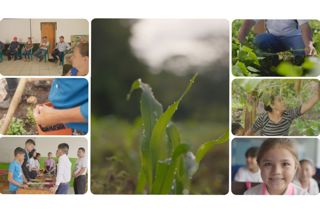
Supporting WFP’s Changing Lives Transformation Fund (CLTF) to Support Country Offices in the Design and Implementation of Impact Measurement Components
- 2023 – 2026
- menos de 500.000 €
- Bangladesh, Chad, Kenya, Peru
The Changing Lives Transformation Fund (CLTF) of the World Food Programme (WFP) was established to provide selected WFP Country Offices (COs), via calls for proposals, with funding to better support governments to design and implement policies and programmes that improve the lives of the most vulnerable people.
The CLTF has three windows, under which a total of 10 country proposals were selected in 2023:
- Window 1: Transition (of populations from dependence on humanitarian assistance to increased self-sufficiency) - Chad, Kenya, Philippines.
- Window 2: Systems strengthening (better capacity and resilience of national programmes and systems) - Bangladesh, Iraq, Niger, Peru.
- Window 3: Climate adaptation - Ghana, Nicaragua, Tanzania.
For each window, the research team designed a global impact measurement framework comprising a theory of change, evaluation questions, indicators, and quantitative and qualitative methodologies for impact measurement. The team also assessed the feasibility of independent impact evaluations in all 10 country proposals.
5 COs were selected for further technical assistance for impact measurement: Chad and Kenya (under Window 1), and Bangladesh, Iraq and Peru (under Window 2). Together with each of these 5 COs, the team conducted research design workshops and developed country-specific concept notes on impact measurement questions and strategies. Finally, the team provided in-country support for baseline data collection and analysis to the COs in Chad, Kenya, Bangladesh and Peru.
- Socios:
- Particip (líder), C4ED
- Palabras clave:
- Alimentación y nutrición, Ayuda humanitaria, Formación, Medio ambiente, Seguimiento y evaluación

Reforestation: Green Crusade in Regions
- 2024 – 2026
- menos de 500.000 €
- Peru
1) Restore 1,600 hectares of tropical montane forest in the San Martin Region, recovering areas affected by forest fires, protecting biological diversity and environmental services.
2) Plant 1,000 trees in the province of Cusco in the districts of San Jerónimo and San Sebastián and 150 urban trees in Cercado de Lima.
3) Strengthen the capacities of municipal officials responsible for the Municipal Programs of Education, Culture and Environmental Citizenship (EDUCCA) and their environmental promoters, on the importance of conservation and management of green areas and trees, and the planting and maintenance of trees and the prevention of forest fires.
- Socios:
- Particip (líder), Dorsch Impact GmbH - AMBERO

The objective of this facility is to improve the overall quality of the NDICI Rapid Response and Peace, Stability and Conflict Prevention thematic areas by providing high quality research services.
We will provide the FPI with flexible and ad hoc research services and prepare literature reviews and rapid assistance reports in the thematic areas specified below.
- Socios:
- Particip (líder), SICI Dominus
- Palabras clave:
- Ayuda humanitaria, Medio ambiente

The main objectives of this evaluation were to provide the relevant services of the European Union and the interested stakeholders with:
- an overall independent assessment of the past performance of the Public Diplomacy Actions (EU Policy and Outreach Partnership in South America – Phase II and EU Policy and Outreach Partnership, Canada – Phase II), paying particular attention to its results measured against its expected objectives; and the reasons underpinning such results;
- key lessons learned, conclusions and related recommendations in order to improve current and future Actions.
In particular, this final evaluation served to understand the performance of the Actions, their enabling factors and those hampering a proper delivery of results as to inform the planning of the future EU interventions in relation to EU Policy and Outreach Partnerships (EUPOPs) and Cultural Diplomacy. To this end, this final evaluation also looked at the package of Actions as a whole.
The evaluation assessed the Actions using the five standard DAC evaluation criteria, namely: relevance, effectiveness, efficiency, sustainability and perspectives of impact. In addition, the evaluation assessed two EU specific evaluation criteria:
- The EU added value (the extent to which the Actions bring additional benefits to what would have resulted from Member States' interventions only);
- The coherence of the Actions and approach with the EU Global Strategy, the new EU priorities for 2019-2024, as well as with other EU policies and Member State Actions.
Additionally, the evaluation team performed the following tasks:
- Identified type of activities that are frequently included across EUPOP Actions and facilitate the comparison across countries by highlighting the approach, the organisation costs (fees, incidentals) and summarised the key aspects in a table.
- Summarised some best practices per type of initiative/target audience/country in a booklet format.
The evaluation team furthermore considered whether gender, environment and climate change were mainstreamed; the relevant SDGs and their interlinkages were identified, and the extent to which they have been reflected in the implementation of the Actions, their governance and monitoring.
- Palabras clave:
- Seguimiento y evaluación
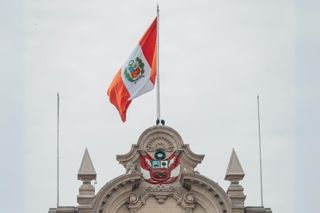
The overall objective of this assignment was to contribute to improving the electoral and democratic framework of Peru during the inter-election period and raising awareness and understanding of the EU EOM recommendations and technical issues related to their implementation. In general, an EFM supports the consolidation of democracy, institution-building and democratic elections in Peru in the context of the implementation of the 2020 EU EOM recommendations.
The specific objectives of the Mission included:
- Assess the state of play of the implementation of the recommendations of the 2020 EU EOM to Peru.
- Assess any electoral reforms adopted since the last EOM or which are under consideration (e.g. draft legislation) or planned and the degree to which these reflect EOM recommendations and their alignment with international standards for democratic elections;
- Identify which EOM recommendations are most relevant to the prevailing country situation and the current phase of the electoral cycle;
- Generate additional impetus for – or contribute to ongoing debates on – electoral reform;
- Identify areas of agreement and disagreement on EU EOM recommendations among the stakeholders and any political, technical, financial obstacles to electoral reform;
- Propose actions to overcome obstacles to electoral reform, including measures to develop support for and national ownership of the recommendations;
- Assist the EU Delegation, EEAS and INTPA in their assessment on whether ongoing cooperation and conflict prevention projects are addressing the recommendations made by EU EOMs. Based on a brief overview of existing programmes, provide needed information to support identification of potential additional election/democracy support action that could contribute to strengthening the implementation of the recommendations and/or to the overall improvement of the electoral framework;
- Contribute to analysis by the EU Delegation, EEAS and INTPA with information to originate any other possible EU actions that could contribute to strengthening the implementation of the recommendations and/or to the overall improvement of the electoral framework;
- Prepare/update with EU Delegation a follow-up plan to EU EOM recommendations.
- Palabras clave:
- Elecciones

The purpose of this evaluation was to build an evidence base regarding SDC’s engagement in climate change adaptation and mitigation, including partnerships established by SDC to address climate change adaptation and mitigation at global, regional and national level.
The evaluation was designed to:
- Contribute to strategic decision-making (i.e. for the Dispatch 2021-2024).
- Derive lessons learnt in order to improve institutional performance.
- Serve as one measure of accountability towards the Parliament and the public.
The evaluation : i) assessed the successes, difficulties / challenges (including failures) of programmes and projects in Climate Change Adaptation and Mitigation implemented by SDC; ii) identified ‘good practices’ and determined how they could be systematically applied within SDC; iii) conducted a comparison / benchmarking of SDC’s performance compared to international practices; and iv) assessed the effectiveness and rate of achievement of projects and programmes.
The evaluation covered activities implemented during a period of six years (2015-2020) from all domains of SDC (i.e. South Cooperation; Global Cooperation; Humanitarian Aid; and Cooperation with Eastern Europe). It concentrated on projects in the area of climate change adaptation (CCA) and climate change mitigation (CCM) that SDC steers or co-steers. This includes direct implemented projects, mandates and contributions to trust or basket funds, etc. It excludes core contributions to multilateral organizations, large Funds (GCF, IDA, etc.) and NGOs.
- Palabras clave:
- Medio ambiente, Seguimiento y evaluación

Support to Peru for the implementation of the Leticia Pact Plan of Action for the Amazon
- 2021 – 2022
- menos de 500.000 €
- Peru
1. Support Peru in the leadership of the regional working group on promotion and enhancement of forest products, biological diversity and bioeconomy in partnership with the private sector.
2. Formulation and implementation of a monitoring system for the continuous measurement of Peru's progress in the implementation of the Plan of Action of the Pact of Leticia, at the national level and that has measurable and coherent indicators for the actions prioritized in the axis 1 of the action plan and the second regional working group.
- Socios:
- Particip (líder), CAPA EEIG (managed by Particip)
- Palabras clave:
- Medio ambiente, Silvicultura

European Union Election Expert Mission the Republic of Peru General Elections
- 2021 – 2021
- menos de 500.000 €
- Peru
The purpose of the Election Expert Mission (EEM) was to collect and analyse factual information, assess and report on the electoral process against international commitments, standards and good practice for democratic elections in line with the criteria contained in the Commission Communication on Electoral Assistance and Observation [COM(2000)191]. The experts also formulated recommendations to improve future electoral processes and assessed, when relevant, the state of implementation of recommendations made by previous electoral missions.
- Palabras clave:
- Elecciones

Evaluation of the Results-Based Financing for Low Carbon Energy Access Facility (RBFF) within Energising Development (EnDev)
- 2015 – 2020
- de 500.000 € a 1 millón de €
- Global
The overall objective was to evaluate the Results-Based Financing (RBF) for Low Carbon Energy Access Facility within the Energising Development (EnDev) Programme. The specific purposes of this evaluation were (i) to assess the performance of the RBF Facility over the period 2012-2020 against key OECD/DAC evaluation criteria, (ii) to understand and disseminate what had worked in which circumstances and why, and (iii) to derive lessons learned and recommendations for future programmes in RBF, energy access support through private sector development, and climate finance more broadly.
EnDev piloted an RBF scheme offering incentive payments to private sector market actors in the low-carbon off-grid energy sector in developing countries. Payments were made against pre-specified results achieved in delivery and sustainable operation of modern energy technologies and services.The aim of the RBF Facility within the global EnDev programme was to (i) increase access to modern energy services in developing countries (including vulnerable groups) (ii) through the use of decentralised renewable energy products and services, (iii) delivered as market-based approaches through private sector actors.
The scope of the evaluation encompassed 17 different RBF projects within the global EnDev programme. The evaluation focused on market changes and private sectors responses – such as market efficiency, business development, distribution strategies and technology adoption –, but also analysed the consumer perspective and the interaction with sector policies and regulation by national governments.
Outputs included:
- Inception Report.
- Baseline Report (review of existing baseline studies).
- Internal Process Review.
- A Mid-term Evaluation, including a set of project evaluations and a portfolio review.
- Deep impact studies of one selected country project in Tanzania.
- A cross-portfolio survey targeting RBF participants.
- Final Evaluation, including a set of project evaluations and a portfolio review.
- Concept notes for the various evaluation products.
- Networking conferences with individual projects to foster knowledge-sharing and learning experiences based on the above products and between projects.
Nine countries were targeted for field and remote evaluation: Bangladesh, Benin, Cambodia, Kenya, Peru, Rwanda, Tanzania, Uganda, Vietnam.
- Socios:
- Particip (líder), Arepo Consult
- Palabras clave:
- Energía, Industria y desarrollo del sector privado, Seguimiento y evaluación
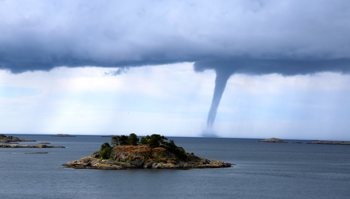
Independent Evaluation of SDC’s Performance in Disaster Risk Reduction (DRR) 2010-2017
- 2018 – 2019
- menos de 500.000 €
- Global
The purpose of this evaluation was to build an evidence base for the implementation of the SDC’s Guidelines on Disaster Risk Reduction (DRR), and programmes and partnerships established by SDC to address DRR on global, regional and national levels.
The evaluation was designed to:
- Contribute to strategic decision-making (i.e. for the Dispatch 2021-2024).
- Derive lessons learnt in order to improve institutional performance.
- Serve as one measure of accountability towards the Parliament and the public.
The evaluation assessed the extent to which and how DRR practice is currently and should be applied across the SDC. The evaluation team identified successes, challenges and opportunities for DRR within the SDC as well as a comparison of SDC’s performance with other practices when feasible.
The temporal scope was 2010-2017, covering almost three Swiss Dispatches, including but not limited to, an estimated tentative total of approximately 461.9 million CHF, 818 projects with 1,482 ‘project phases’, identified by the DRR Portfolio Analysis. The evaluation was both backward (2010-2018) - and forward-looking (building on good practice to suggest ways SDC can reshape the future of DRR).
The geographic scope of the evaluation was global with an in-depth analysis of five geographic case studies: Peru/Bolivia, Chad, Morocco, Tajikistan and Thailand/Myanmar. In addition, three thematic case studies have been performed: 1.Climate Change and DRR: adaptation (CCA) & mitigation (CCM), 2. DRR Value for Money (V4M); and 3. Modalities: Swiss Humanitarian Aid Unit/Secondments, Network, DRR Consultative Group.
While the Whole of Government Approach (WoGA) was explored as was feasible, this was not an evaluation of any specific department, division, department, network, component or project/programme inside or outside SDC.
- Palabras clave:
- Alimentación y nutrición, Ayuda humanitaria, Finanzas públicas / presupuestación, Gobernanza, Medio ambiente, Seguimiento y evaluación, Sociedad civil

Evaluation of European Union's budget support operations in Peru (2009-2016)
- 2016 – 2017
- menos de 500.000 €
- Peru
The objective of this budget support evaluation was to assess the extent to which EU budget support in Peru contributed to achieve sustainable results on poverty and inequality reduction in specific sectors during the period 2009-2016.
More specifically, the evaluation aimed to take stock of what had been achieved, with the primary purpose of drawing lessons and formulating forward-looking recommendations. In particular, conclusions were to be drawn on: i) the conditions under which budget support had an effect (or not), as well as the possible intensity and nature (positive or negative) of such effects in Peru;ii)
the constraints within government policies, institutional structures, and administrative arrangements in Peru that might have hindered the overall effectiveness and impact of public spending and targeted policies, and therefore of budget support itself.
- Socios:
- Particip (líder), Fiscus
- Palabras clave:
- Finanzas públicas / presupuestación, Macroeconomía / política nacional, Seguimiento y evaluación

The evaluation assessed three regional forestry projects that had support to small producers, development of value chains and the use of participatory approaches in common:
1. ForInfo: Livelihood improvement through generation and ownership of forest information by local people in products and services markets (Mekong, 2011–2015);
2. Finnfor-II: Integrated environmental and forest management co-operation (Central America, 2012–2016);
3. MFS: Sustainable forest management in the Andean region (South America, 2011–2016).
The purpose of the evaluation was to provide guidance to the Ministry for Foreign Affairs of Finland in planning and implementing regional forestry projects. It produced lessons for future forest sector co-operation and planning of other regional programmes. Specific objectives of the evaluation were to:
- Assess the added value of the regional approach compared to a country-based approach;
- Assess the success of the programmes in promoting sustainable forestry based livelihoods and increasing income of small producers;
- Identify the lessons learned from developing value chains and payment for ecosystem services.
The evaluation was conducted in several phases:
- An inception phase focusing on the design and the methodology of the evaluation;
- A desk and field phase with document review and visits to eight different countries in the three regions;
- A synthesis phase with global-level conclusions and recommendations across the three regional projects, presented in a final report to concerned stakeholders.
- Socios:
- Indufor Oy - Metsahallitus Group (líder), Particip
- Palabras clave:
- Industria y desarrollo del sector privado, Medio ambiente, Seguimiento y evaluación, Silvicultura
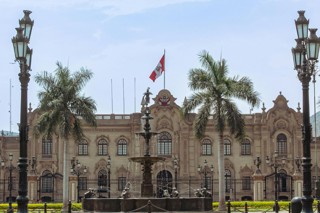
Support to Peruvian Authorities for the identification and formulation of a new intervention for the drugs sector
- 2016 – 2017
- menos de 500.000 €
- Peru
The aim of this specific contract was to support the Peruvian Authorities for the identification and formulation of a new intervention for the drugs sector based on a comprehensive analysis of the key problems and the assistance already available.
The assignment was split into two phases:
The specific objectives of Phase 1 were:
- Mapping of current and past EU actions in the area of drugs and their impact/results (under bilateral, regional and thematic programmes).
- List the main areas of current/future intervention of other key donors.
- Assess the main achievements and challenges of the national strategy to fight against drugs.
- Based on (a), (b) and (c), propose potential lines of action under MIP 2014-2017 (up to €12 millions), taking into account their relevance with respect to the sector challenges and the feasibility to achieve concrete results in the framework of a project.
The specific objective of Phase 2 was to develop the full project proposal once the Delegation and the newly elected authorities had agreed on the lines of intervention.