Thailand
12 referencias

Provision of expertise and tools to support Recovery and Peace Building Assessments and Post-Disaster Needs Assessments
- 2017 – 2024
- de 2 a 5 millones de €
- Global
The Particip-led “Post Crisis Assessment and Recovery Planning: Support Office of the EU“ provided systematic support to all stages of disaster- and conflict-related needs assessment missions.
As part of the 2008 Joint Declaration on Post-Crisis Assessments and Recovery Planning, the World Bank (WB), United Nations (UN), and European Union (EU) have committed to providing joint support for assessing, planning, and mobilising efforts toward recovery, reconstruction, and development in countries affected by crises. This tripartite agreement was executed via the mechanism of joint Recovery and Peacebuilding Assessments (RPBA), Post-Disaster Needs Assessments (PDNA), and Pandemic Recovery Needs Assessments (PRNA).
The activities of the advisory team included:
- Provision of support to EU Delegations around the world and EU Services in Brussels in the planning, undertaking and reporting of post crisis assessments: RPBA: support to peacebuilding through short- and longterm support to specific EUDs. Trainings and and workshops for local authorities, ministries and EU staff. PDNA: post-disaster assessments and support to recovery including trainings and workshops. CRNA/PRNA: COVID/pandemic recovery needs assessments and support to recovery including trainings and workshops.
- Support to third countries to build their capacity to carry out RPBAs, PDNAs, and PRNA this includes institutional strengthening and inter-institutional coordination such as the HLAG (High-level-Advisory-Group) composed of WB, UN and EU;
- Facilitate coordination of EU and tripartite input to the implementation of the joint declaration (conceptual work and RPBA/PDNA/PCNA missions);
- Elaborate a preliminary early and longer-term framework (which identifies key recovery sectors, peacebuilding priorities, etc.)– in close cooperation with the EU Delegation and other relevant EU services, including identification/definition of sectors requiring additional EU support (whether provided through short-term assistance under the present project or not), essential cross-cutting issues, a tentative recovery calendar, recovery information management systems, the existing capacity in-country and institutional and legal arrangements for national Authorities, recovery support anticipated, etc.;
- Deployment of experts in RPBA/PDNA/PRNA missions, and
- Revise and/or updating the methodologies as necessary.
Recovery and Peacebuilding Assessments (RPBAs) offered countries a standardised and internationally recognised approach to identify the underlying causes and impacts of conflict and crisis. The RPBA had three primary purposes:
- to help governments identify, prioritise and sequence recovery and peacebuilding activities,
- to provide an inclusive process to support political dialogue and participation of stakeholders,
- to coordinate international support through a joint assessment and a joint recovery and peacebuilding plan as well as a monitoring system.
Post-Disaster Needs Assessment (PDNA) assisted governments with assessing the full extent of a disaster’s impact on the affected country and, on the basis of these findings, producing an actionable and sustainable Recovery Strategy for mobilizing financial and technical resources. The internationally recognised PDNA methodology is a key commitment mentioned in the the Joint Declaration on Post-Crisis Assessments and Recovery Planning. In May 2020, in order to respond to the COVID-19 pandemic, the PDNA methodology was adapted to elaborate a COVID-19 Recovery Needs Assessment (CRNA) methodology.
Recovery and Peace Building Assessment (RPBA)
Myanmar (Jan 2018); Burkina Faso (Jun 2019-June 2021); Mozambique (RPBA Nov 2020-Nov 2021); Azerbaijan (Joint Recovery Needs Assessment - falls outside the RPBA framework, Scoping Mission March 2022); Libya (Stocktaking 2018-2019, RPBA 2022)
Post-Disaster Needs Assessment (PDNA) & Disaster Risk Framework (DRF)
Myanmar (Jan 2018); Syria (Feb 2018); Ivory Coast (July-Sept 2018); Tunisia (Oct 2018); Bangladesh (2018); Georgia (2018); Tonga (2018); Fiji (2018); Mozambique (Apr–Aug 2019);
Central African Republic/CAR (July 2019); Somalia (Drought Impact Needs Assessment/DINA, July - Aug 2018); Albania (Dec 2019-Feb 2020); Lebanon (Rapid Damage Needs Assessment/RDNA, Aug 2020); Lebanon (DRF, Sep 2020-2021); Saint Vincent and the Grenadines (June–Aug) 2021); El Salvador (June-Dec 2021); Haiti (Sep-Oct 2021); Haiti (DRF, Nov-Dec 2021); Pakistan (Sep-Nov 2022); Pakistan (DRF, Nov-Dec 2022); Belize (Jan-Feb 2023); Turkey (Feb-Mar 2023); Ukraine Khakhova dam (June 2023), Myanmar (CMRNA , Sep 2023); Libya ( RDNA, Sep 2023); Afghanistan ( Oct 2023); Afghanistan ( AFPR-PDNA like Refugee support assessment, Nov 2023)
COVID-19 Recovery Needs Assessment (CRNA)
Ecuador (July 2020-Apr 2021); El Salvador (July-Sept 2020); Dominican Republic (Dec 2020-Feb 2021); Zambia (Feb-Aug 2021); Eswatini (Dec 2020-Nov 2021)
Trainings: Recovery and Peace Building Assessment (RPBA)
Bangkok, Thailand (Dec 2017); Lebanon (Apr 2018)
Trainings: Post-Disaster Needs Assessment (PDNA) & Disaster Risk Framework (DRF)
Dominican Republic (Nov 2017); Fiji (Mar-Apr 2018); Vanuatu (Apr 2018); Somalia (May 2018); Myanmar (Aug 2018); Mauritius (Oct 2018); Djibouti & Ethiopia (Feb 2019); Chad (Apr 2019); CAR & Congo (July 2019); India (Aug 2019); Kenya (Sept 2019); Caribbean (Nov 2019); St. Lucia (Nov 2019); Balkans (Sarajevo, Bosnia & Herzegovina, Feb 2020); Mexico (Feb 2020); Liberia (Mar 2020); Senegal (May 2021); Europe and the Commonwealth of Independent States/ECIS region (Jun 2021); University of West Indies (Training of Trainers/ToT, Dec 2021); Panama (PDNA/DRF, Latin American countries/LAC, Mar 2022); Belgrade (ECIS DPPI-SEE, Jun 2022); Regional ECIS (DRF, June 2022); Columbia (PDNA/DRF, July 2022); Costa Rica (PDNA/DRF, July 2022); Barbados (Caribbean countries, Mar 2023); Training Togo Regional ECOWAS (PDNA/DRF, May 2023); Antigua and Barbuda, Saint Johns (DRF, Sept 2023)
Trainings: COVID-19 Recovery Needs Assessment (CRNA) & Pandemic Recovery Needs Assessment (PRNA)
Sahel Region Academia (Nov 2020); Sahel Region government staff and regional organisations (Dec 2020); Ghana (Mar 2021); India (PRNA, Mar 2023)
Other Events
Fragility Forum (RPBA, Mar 2018); Paris Peace Forum (RPBA/PDNA 2019); Paris Peace Forum (RPBA/PDNA, Nov 2020); EU Information Session (Oct 2021); EU Information Session: Asia/Pacific Hub (April 2022); World Reconstruction Conference 5 and Global Platform for Disaster Risk Reduction/GPDRR (Apr 2022); International Society for Photogrammetry and Remote Sensing (ISPRS) Congress (satellite, June 2022); EU Information Session: Caribbean Region (online, June 2023); Slow Onset Event Damage and Loss Workshop ( Nov 2023); Cyclone Mitch 25 year Commemoration ( Oct 2023)
- Socios:
- Particip (líder), GIZ InS
- Palabras clave:
- Ejecución de proyectos / asistencia técnica, Formación, Gobernanza, Sociedad civil

The main objectives of this evaluation were to provide the relevant services of the European Union, the interested stakeholders with:
- an overall independent assessment of the performance of the “Support to enhanced cooperation in sustainable transboundary water management in the Mekong Basin”, paying particular attention to its different levels of results measured against its expected objectives and the reasons underpinning such results;
- key lessons learned, conclusions and related recommendations in order to improve future interventions (this will include the presentation of options for potential future follow-up intervention(s)).
This evaluation fed into the EU’s assessment of its engagement in the Mekong sub-region as well as potential follow-up intervention(s) that could possibly be financed under the Regional Multi-annual
Indicative Programme for Asia and the Pacific 2021-2027 (subject to the availability of funds). On this basis, the evaluation was forward-looking and took into account the EU’s bilateral cooperation with the countries of the Mekong, other relevant EU regional projects and programmes (for e.g. on forestry, wildlife, safe food systems), and potential for a Team Europe Initiative stemming from possible synergies with EU Member States’ relevant support (as the case may be).
- Socios:
- Particip (líder), CAPA EEIG (managed by Particip), EMI (formerly: Cardno Belgium), Expertise Advisors (formerly: ETI Consulting)
- Palabras clave:
- Medio ambiente, Seguimiento y evaluación
Thematic evaluation of FPI.2 managed responses to Counter Terrorism and Preventing/Countering Violent Extremism (CT-P/CVE) in beneficiary countries (2017-2022)
- 2022 – 2023
- menos de 500.000 €
- Albania, Burkina Faso, Indonesia, Ivory Coast, Jordan, Kazakhstan, Kosovo, Kyrgyzstan, Lebanon, Malaysia, Maldives, Morocco, Mozambique, Niger, North Macedonia, Pakistan, Philippines, Senegal, Sri Lanka, Tajikistan, Thailand, Tunisia, Turkmenistan, Uzbekistan
The main objectives of this evaluation are to provide the relevant services of the European Union, the interested stakeholders with:
- An overall independent assessment of the performance of selected CT-P/CVE measures funded by FPI.2 during the years 2017-2022, paying particular attention to its different levels of results measured against its expected objectives; and the reasons underpinning such results
- As a particular approach to regional actions, a specific case study shall be carried out to assess the regional framework for support to CT-P/CVE measures in the Asian context, managed by the Regional Team in Bangkok. It is expected that the present evaluation assesses the relevance, added value and success of developing a model for CT and P/CVE actions, respectively, which have been replicated in different countries/contexts in Asia/Pacific (in Pakistan, Sri Lanka and Maldives for CT; and in Southeast Asia, Sri Lanka and Maldives for P/CVE). If deemed relevant, links can also be made to regional approaches in other RTs;
- Key lessons learned, conclusions and related recommendations in order to improve current and future interventions.
In particular, this evaluation will serve the contracting authority and other interested services to better understand the performance of the Intervention, its enabling factors and those hampering a proper delivery of results to inform the planning and implementation of current and future support to tackle CTP/CVE.
The main use of the results of the evaluation is expected to be
- To draw general lessons that can be used for the future approach to interventions in the sector
- To draw specific lessons that can be replicated in other similar interventions
- To draw specific lessons from the regional approaches, in particular the one applied by the Regional Team in Bangkok in terms of stocktaking, dynamics and replicability.
The main users of this evaluation will be the contracting authority, FPI.2, including its Regional Teams in Bangkok, Nairobi, Dakar, Eastern Europe and Central Asia (managed from Brussels). The Regional Team in Brasilia is less involved since they currently do not manage any CT-P/CVE projects.
- Palabras clave:
- Seguimiento y evaluación
Systematic and timely evaluation of its programmes and activities is an established priority of the European Commission.
The focus of evaluations is on the assessment of achievements, the quality and the results of Actions in the context of an evolving cooperation policy with an increasing emphasis on result-oriented approaches and the contribution towards EU foreign policy objectives and the implementation of the SDGs.
From this perspective, evaluations should look for evidence of why, whether or how these results are linked to the EU intervention and seek to identify the factors driving or hindering progress.
Evaluations should provide an understanding of the cause and effect links between: inputs and activities, and outputs, outcomes and impacts. Evaluations should serve accountability, decision making, learning and management purposes.
The main objectives of this evaluation are to provide the relevant services of the European Union and the interested stakeholders with:
- an overall independent assessment of the past performance of the Action ‘Reducing plastic wast and marine litter in East and South East Asia – Supporting a transition to a circular economy in the region’ (PI/2019/405-400), paying particular attention to its intermediate results measured against its expected objectives; and the reasons underpinning such results;
- key lessons learned, conclusions and related recommendations in order to improve current and future Actions.
- Palabras clave:
- Medio ambiente, Seguimiento y evaluación
Independent Evaluation of SDC’s Performance in Disaster Risk Reduction (DRR) 2010-2017
- 2018 – 2019
- menos de 500.000 €
- Global
The purpose of this evaluation was to build an evidence base for the implementation of the SDC’s Guidelines on Disaster Risk Reduction (DRR), and programmes and partnerships established by SDC to address DRR on global, regional and national levels.
The evaluation was designed to:
- Contribute to strategic decision-making (i.e. for the Dispatch 2021-2024).
- Derive lessons learnt in order to improve institutional performance.
- Serve as one measure of accountability towards the Parliament and the public.
The evaluation assessed the extent to which and how DRR practice is currently and should be applied across the SDC. The evaluation team identified successes, challenges and opportunities for DRR within the SDC as well as a comparison of SDC’s performance with other practices when feasible.
The temporal scope was 2010-2017, covering almost three Swiss Dispatches, including but not limited to, an estimated tentative total of approximately 461.9 million CHF, 818 projects with 1,482 ‘project phases’, identified by the DRR Portfolio Analysis. The evaluation was both backward (2010-2018) - and forward-looking (building on good practice to suggest ways SDC can reshape the future of DRR).
The geographic scope of the evaluation was global with an in-depth analysis of five geographic case studies: Peru/Bolivia, Chad, Morocco, Tajikistan and Thailand/Myanmar. In addition, three thematic case studies have been performed: 1.Climate Change and DRR: adaptation (CCA) & mitigation (CCM), 2. DRR Value for Money (V4M); and 3. Modalities: Swiss Humanitarian Aid Unit/Secondments, Network, DRR Consultative Group.
While the Whole of Government Approach (WoGA) was explored as was feasible, this was not an evaluation of any specific department, division, department, network, component or project/programme inside or outside SDC.
- Palabras clave:
- Alimentación y nutrición, Ayuda humanitaria, Finanzas públicas / presupuestación, Gobernanza, Medio ambiente, Seguimiento y evaluación, Sociedad civil

Support Measures in Strengthening Capacity of CSOs
- 2018 – 2019
- menos de 500.000 €
- Thailand
The global objective was to support local CSOs' contributions to Thailand development process through governance, public accountability, and promotion of inclusive policy-making, with a view to contribute to poverty reduction and the attainment of sustainable development goals (SDGs).
The specific objectives were to provide technical assistance in strengthening capacity of CSOs to be more efficient in participating in country's development process in attaining Thailand's Sustainable Development Goals particularly in the context of the EU CSOs Roadmap for the benefit of CSOs communities in Thailand at large.
- Socios:
- Particip (líder), ADE
- Palabras clave:
- Sociedad civil

Provision of expertise on Gender-sensitivity in the IcSP (Instrument contributing to Stability and Peace) context – the 'Gender Facility II'
- 2017 – 2018
- menos de 500.000 €
- Global
The objective of this Gender Facility II was to enhance IcSP projects effectiveness by strengthening IcSP staff capacities to take up and apply of gender-sensitive approaches in project design and implementation.
The project provided IcSP staff at Headquarters and EU Delegations/Regional Teams with training, guidance notes and technical assistance on practical ways to apply gender sensitivity at project design and implementation.
- Socios:
- Particip (líder), Cideal, Femconsult
- Palabras clave:
- Formación
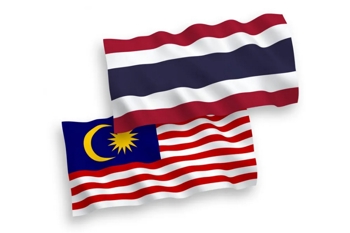
The global objective was to ensure a swift preparation of future programmes that aim at the progressive achievement of the SDGs targets and goals.
The specific objectives were:
- To identify areas for future support to the SDG process in graduated Asian countries.
- To promote exchange of experiences in order to enhance the visibility and awareness raising of the SDGs in Thailand and Malaysia.
- Palabras clave:
- Comunicación y medios, Sociedad civil
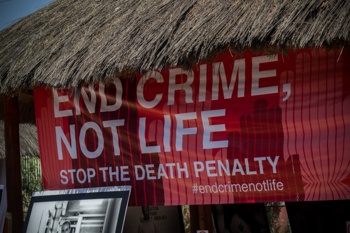
In the framework of its Partnership Instrument, the EU is pursuing action in support of the worldwide abolition of death penalty which is a top foreign policy objective and priority in the EU external human rights policy.
Asia appears as the next frontier in the international campaign against capital punishment. With eight retentionist countries of out 10 ASEAN Member States, South-East Asia (SEA) is a region where capital punishment remains a general standard, with strong roots in local history, cultures and religions/beliefs. A project "Moving away from Death Penalty in South-East Asia" has therefore been designed under the EU's Partnership Instrument. One of its components was this regional awareness campaign with the global objective to promote the abolition of death penalty in South-East Asia
Specific objectives:
- accompany the ASEAN Intergovernmental Commission on Human Rights (AICHR) death penalty study and recommendation process;
- develop and deploy a communication plan and tools in support of regional action on death penalty.
- Socios:
- Edelman Indonesia, HRWG, ICF Next
- Palabras clave:
- Comunicación y medios, Derechos humanos

The evaluation assessed three regional forestry projects that had support to small producers, development of value chains and the use of participatory approaches in common:
1. ForInfo: Livelihood improvement through generation and ownership of forest information by local people in products and services markets (Mekong, 2011–2015);
2. Finnfor-II: Integrated environmental and forest management co-operation (Central America, 2012–2016);
3. MFS: Sustainable forest management in the Andean region (South America, 2011–2016).
The purpose of the evaluation was to provide guidance to the Ministry for Foreign Affairs of Finland in planning and implementing regional forestry projects. It produced lessons for future forest sector co-operation and planning of other regional programmes. Specific objectives of the evaluation were to:
- Assess the added value of the regional approach compared to a country-based approach;
- Assess the success of the programmes in promoting sustainable forestry based livelihoods and increasing income of small producers;
- Identify the lessons learned from developing value chains and payment for ecosystem services.
The evaluation was conducted in several phases:
- An inception phase focusing on the design and the methodology of the evaluation;
- A desk and field phase with document review and visits to eight different countries in the three regions;
- A synthesis phase with global-level conclusions and recommendations across the three regional projects, presented in a final report to concerned stakeholders.
- Socios:
- Indufor Oy - Metsahallitus Group (líder), Particip
- Palabras clave:
- Industria y desarrollo del sector privado, Medio ambiente, Seguimiento y evaluación, Silvicultura

Post-conflict and post-disaster needs assessment (PCNA/PDNA): development of assessment capacity and tools - Phase I + II
- 2013 – 2017
- de 2 a 5 millones de €
- Global
Relevant background
Since early 2007, the Commission, the UN-family and the World Bank have worked together in setting up a platform for cooperation on post-crisis needs assessments for natural disaster (Post-Disaster Needs Assessment, PDNA) and conflict (Recovery and Peacebuilding Assessment (RPBA), previously named Post-Conflict Needs Assessment, PCNA) scenarios. This trilateral cooperation was framed and formalised through the signature of a Joint Declaration on “Post-Crisis Assessments and Recovery Planning” in September 2008. The EU/UN/WB platform covers the whole PDNA/RPBA(PCNA) process, including strategic coordination, development of joint methodologies for post-crisis assessments, joint deployment of assessment teams, joint training and joint recovery planning and monitoring.
In line with the 2008 Declaration on Joint Post-crisis Assessments and Recovery Planning, the overall objective of the project is to assist and develop third countries’ in-country capacity to gradually assume a more prominent role in Post-Disaster Needs Assessments and Post-Conflict Needs Assessments (now changed to Recovery and Peacebuilding Assessments, RPBA).
The purpose of this project was:
- to support further development of joint PDNA/RPBA(formerly PCNA) methodologies, tools, training programmes, etc.;
- to support joint PDNA/RPBA(formerly PCNA) missions in-country/in region (in coordinating with EU Heads of Delegations and with the European External Actions Service (EEAS) and European Commission). While such support could cover any relevant technical field (long-term and short-term expertise), it is foreseen that a particular emphasis is put on expertise in mission planning and development of final reports/recovery frameworks.
The two phases of the project contributed to a variety of outputs and results, including:
- Phase 1 (01/01/2013 – 31/07/2015): revision of the PDNA methodology and development of the joint EU/UN/WB PDNA Guide, development of the Disaster Recovery Framework (DRF) Guide, review of the PCNA methodology, development of training and capacity building materials, delivery of information/capacity building sessions, joint PDNA/PCNA training courses for national authorities and regional/international organisations, support to over 15 joint EU/UN/WB PDNA/PCNA missions;
- Phase 2 (10/07/2015 – 09/07/2017): revision of the PCNA methodology and development of the RPBA methodology, development of training and capacity building materials, delivery of information/capacity building sessions, joint PDNA/RPBA training courses for national authorities and regional/international organisations, support to over 10 joint EU/UN/WB PDNA/RPBA missions.
- Socios:
- Particip (líder), Dara, ECDPM, GOPA, Punto.sud
- Palabras clave:
- Ayuda humanitaria, Desarrollo institucional, Formación, Gobernanza
Strategic Approach for EU-Thailand Cooperation
- 2017 – 2017
- menos de 500.000 €
- Thailand
The global objective of the assignment was to deliver a strategic approach for EU-Thailand cooperation that will contribute to Thailand's achievement of sustainable development (SDGs), leading to reduced inequality and higher income status and at the same time demonstrating the impact and added-value of the EU contributions.
Drawing lessons learned from EU relations with other upper middle income countries (such as Mexico, South Korea, Brazil), the specific objective of the study was to review and assess Thailand's current state of development and the applicable EU instruments/initiatives and prepare a strategic approach for EU-Thailand cooperation in order to contribute to the political/policy dialogue and facilitate Thailand's achievement of inclusive and sustainable development, in line with the country SDGs' commitments. The cross-cutting issues such as gender equality, good governance, and environmental sustainability will be taken into account in the approach that will be developed.
- Palabras clave:
- Gobernanza