
Nuestros proyectos
Explore la experiencia de Particip en proyectos desarrollados en distintos países, sectores y ámbitos de especialización.
Nuestras referencias ofrecen una visión general de las misiones finalizadas y en curso, incluidos sus objetivos, alcance geográfico, duración y valor contractual.
Mostrando 671–680 de 985 referencias

Mid-Term evaluation of the Fondation Pour Les Parcs Et Reserves De La Cote D’ivoire - FPRCI
- 2019 – 2019
- menos de 500.000 €
- Ivory Coast
The Foundation for Parks and Reserves of Cote d'Ivoire (FPRCI) is an association under private law for the management and financing of national parks and nature reserves and. In total, funding is provided to 7 national parks, focusing mainly on 4 parcs (Taï, Comoé, Azagny, and Mont Sangbé), whose operating costs are covered. Three other parks and reserves have been added to the list since January 2017: Mount Nimba Strict Reserve, Lamto Science Reserve and Ehotilé Islands National Park.
The total cumulative amount granted to the OIPR for the last 5 years is €8.24 million.
The mission consisted of carrying out a mid-term evaluation of the FPRCI in order to evaluate:
- the organisational structure in relation to the statutory tasks
- technical and financial management systems
- technical and financial internal and external control
- coordination with key partners
- reporting, achievement and adequacy of objectives, outcomes and outputs
The review of operating procedures and procedures for the implementation of activities made it possible to establish a diagnosis of the functioning and formulate recommendations aimed at increasing the efficiency of actions and reducing risks.
- Palabras clave:
- Finanzas públicas / presupuestación, Medio ambiente, Seguimiento y evaluación

The Nordic Climate Facility (NCF) is a challenge fund set up and administered by the Nordic Development Fund (NDF) to finance innovative climate change projects. The overall objective of the evaluation was to provide NDF with an independent assessment of NCF as a facility.The first aim was to assess the performance of NCF in accordance with the objectives and outputs stated in the most recent NDF Board approval document of NCF 7-9, including assessment of the effectiveness and efficiency of the management of NCF. The second aim was to assess NCF’s relevance and value addition as a challenge fund to NDF, and provide concrete recommendations for potential future directions and development of NCF, including i) assessing the alternative of setting-up up NCF as a trust fund; ii) assessing the use of other types of financing than grants.
In parallel to the NCF evaluation, an evaluation of the Nordic Development Fund (NDF) was undertaken. With its specific set up and operations, the NCF faces particular challenges and potentials and, in conjunction with the NDF, it was therefore decided to evaluate the facility separately, however by the same evaluation team (Particip GmbH).
The results of the two assignments were presented in the same evaluation report. The final report is available online: https://eba.se/en/rapporter/joint-nordic-organisational-assessment-of-the-nordic-development-fund-ndf/11350/
- Palabras clave:
- Medio ambiente, Seguimiento y evaluación
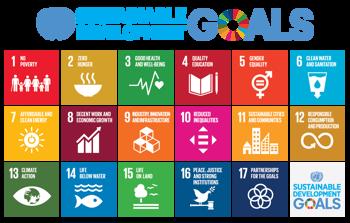
Advisory Services for GIZ Sector Project Agenda 2030
- 2018 – 2019
- menos de 500.000 €
- Germany
The Agenda 2030 for Sustainable Development has been implemented by all countries since 2016. Over the next 15 years it will shape numerous policy areas - far beyond development cooperation (DC). The Federal Ministry for Economic Cooperation and Development (BMZ) is in the process of aligning development policy with the implementation of Agenda 2030. This is based on three pillars: implementation in Germany, support for the partner countries of German development cooperation and at the international level.
The sector project (SV) Agenda 2030 for sustainable development advised the BMZ to all three pillars. The focus of advisory activitieswas on the following three areas:
- Design and operationalisation of Agenda 2030 in the international context;
- Development of conceptual foundations and materials for the implementation of the Agenda 2030 in German Development Cooperation;
- Establishment and Management of the Transformation Fund Agenda 2030
- Development of conceptual foundations for operationalisation and implementation of Agenda 2030 in Germany.
This means that the SV Agenda 2030 for Sustainable Development had the following requirements: (i) to work on new topics in depth in its activities, even at short notice; (ii) to cover a wide range of topics in expert advice and to work on them in an integrated manner; (iii) to maintain an overview of the various reform processes and classify them correctly; and (iv) to react to a broad spectrum of actors in its advice. The dynamics, thematic range and complexity of the implementation of Agenda 2030 made it necessary for the SV to have access to well-founded expertise on a wide range of topics (e.g. implementation at local level, private sector, monitoring/data & statistics, integrated implementation/policy coherence, financing for sustainable development, multilateral processes).
Against this background, the scientific/conceptual support prepared existing knowledge in this respect and accelerate, facilitate and deepen the advisory service through corresponding professional preparatory work.
The support provided by the contractor enabled the SV Agenda 2030 to award contracts for the development of individual services at relatively short notice. At the same time, the contractor's broad technical base ensured the availability of scientific expertise on various topics relevant to the project and thus enabled the BMZ to provide technically adequate and precise advice. Furthermore, the SV was to be enabled to maintain an overview of existing reform and adaptation processes and to derive recommendations for German development cooperation from these. As part of the scientific support, the contractor cooperated with the SV Agenda 2030 on a case-by-case and topic basis upon request and provide services to be specified in detail.
- Palabras clave:
- Finanzas públicas / presupuestación, Gobernanza, Macroeconomía / política nacional, Medio ambiente, Sociedad civil
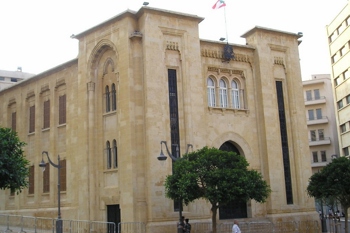
Final /Ex-post Evaluation for the Policy Planning and Governance Project
- 2019 – 2019
- menos de 500.000 €
- Lebanon
The main objectives of this evaluation are to provide the relevant services of the European Union, the interested stakeholders with:
- an overall independent assessment of the past performance of the Policy Planning and Governance decision and all its component, paying particular attention to its results measured against its expected objectives; and the reasons underpinning such results;
- key lessons learned, conclusions and related recommendations in order to improve current and future Actions.
In particular, this evaluation will serve or to understand the performance of the Action, its enabling factors and those hampering a proper delivery of results as to inform the planning of the future EU interventions and Actions in the sector of governance.
- Socios:
- Particip (líder), EPRD, Tetra Tech NL
- Palabras clave:
- Gobernanza, Seguimiento y evaluación
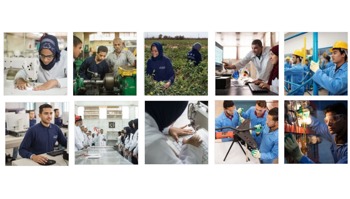
ENPI — Development and implementation of TVET II programme visibility and communication strategy
- 2016 – 2019
- menos de 500.000 €
- Egypt
The purposes of this contract are as follows:
- To provide all possible support for the effective implementation of the project, to increase project activities’ visibility and to present the achievements of the project to a wide audience. It is crucial to establish strong lines of communication and information-sharing with all stakeholders in order to coordinate and adjust activities towards achieving the overall project results.
- To develop a visibility and communication strategy and plan to help in the achievement of
TVET II programme objectives through various activities that supports the programme and reach the target groups of the project.
Results to be achieved by the Contractor
- Formulation and implementation of Visibility and Communications strategy and plan for TVET
II Programme.
- Organization of awareness raising campaigns, events, Market place, roundtable discussions, press conferences, briefing sessions, interviews.
- Development of communication materials for marketing and awareness-raising campaigns, including briefing materials and press releases and produce all project's printings including:
designing and editing the leaflets, reports, articles and press releases; information material produced (leaflet, brochure); Project identity produced (folder, report cover, etc.), and any other required printing material for the marketing and awareness raising for the project.
- Conduct feedback surveys on information and communication activities and materials produced by the PIU and publish the results.
- Provide reports on assignments, for proper utilization of accumulated data and information.
Develop, support and manage web site, Social Medias including all online communication tools.
- Socios:
- CID (líder), Particip
- Palabras clave:
- Comunicación y medios, Educación
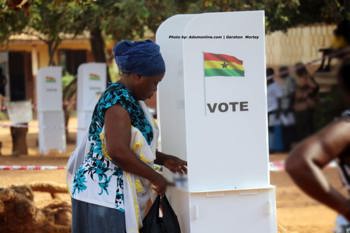
European Union Electoral Follow-Up Mission (EU EFM) to Ghana, 2019
- 2019 – 2019
- menos de 500.000 €
- Africa (Western)
Ghana is commended for its good democratic track record, respect of human rights and economic performance over recent years. Following the successful referendum on the creation of six new regions, the administrative regions in Ghana increased from 10 to 16. Elections for the local councils in old and new regions are scheduled for December 2019, in parallel with a second referendum to change the system of election of these councils. These will be followed by presidential and parliamentary elections in December 2020.
An EU EOM was deployed to observe the closely contested Presidential and Parliamentary elections held in December 2016. The preliminary findings of the EOM stressed that the elections delivered to the Ghanaian citizens a well-administered and transparent vote. However, the EU EOM also pointed to the misuse of incumbency including unequal access to state media.
Having in mind the local election of 2019, as well as the reccomendations that resulted from the EOM in 2016, a Follow Up mission was deplyed in order to:
- Generate additional impetus for – or contribute to ongoing debates on – electoral reform;
- Identify areas of agreement and disagreement on EU EOM recommendations among the stakeholders and any political, technical, financial obstacles to electoral reform;
- Propose actions to overcome obstacles to electoral reform, including measures to develop support for and national ownership of the recommendations;
- Identify which EOM recommendations are most relevant to the prevailing country situation and the current phase of the electoral cycle;
- Assess any electoral reforms adopted/considered or planned since the last EOM and the degree to which these reflect EOM recommendations and their alignment with international standards for democratic elections;
- Assist the EU Delegation, EEAS and DEVCO in their assessment on whether ongoing cooperation and conflict prevention projects are addressing the recommendations made by EU EOMs.
Based on a brief overview of existing programmes provide needed information to support identification of potential additional election/democracy support action which could contribute to strengthening the implementation of the recommendations and/or to the overall improvement of the electoral framework;
- Suggest any other possible EU actions that could contribute to strengthening the implementation of the recommendations and/or to the overall improvement of the electoral framework.
- Palabras clave:
- Desarrollo institucional, Elecciones, Justicia / Estado de derecho

Independent Evaluation of SDC’s Performance in Disaster Risk Reduction (DRR) 2010-2017
- 2018 – 2019
- menos de 500.000 €
- Global
The purpose of this evaluation was to build an evidence base for the implementation of the SDC’s Guidelines on Disaster Risk Reduction (DRR), and programmes and partnerships established by SDC to address DRR on global, regional and national levels.
The evaluation was designed to:
- Contribute to strategic decision-making (i.e. for the Dispatch 2021-2024).
- Derive lessons learnt in order to improve institutional performance.
- Serve as one measure of accountability towards the Parliament and the public.
The evaluation assessed the extent to which and how DRR practice is currently and should be applied across the SDC. The evaluation team identified successes, challenges and opportunities for DRR within the SDC as well as a comparison of SDC’s performance with other practices when feasible.
The temporal scope was 2010-2017, covering almost three Swiss Dispatches, including but not limited to, an estimated tentative total of approximately 461.9 million CHF, 818 projects with 1,482 ‘project phases’, identified by the DRR Portfolio Analysis. The evaluation was both backward (2010-2018) - and forward-looking (building on good practice to suggest ways SDC can reshape the future of DRR).
The geographic scope of the evaluation was global with an in-depth analysis of five geographic case studies: Peru/Bolivia, Chad, Morocco, Tajikistan and Thailand/Myanmar. In addition, three thematic case studies have been performed: 1.Climate Change and DRR: adaptation (CCA) & mitigation (CCM), 2. DRR Value for Money (V4M); and 3. Modalities: Swiss Humanitarian Aid Unit/Secondments, Network, DRR Consultative Group.
While the Whole of Government Approach (WoGA) was explored as was feasible, this was not an evaluation of any specific department, division, department, network, component or project/programme inside or outside SDC.
- Palabras clave:
- Alimentación y nutrición, Ayuda humanitaria, Finanzas públicas / presupuestación, Gobernanza, Medio ambiente, Seguimiento y evaluación, Sociedad civil

Evaluation: How do we learn, manage and make decisions in Finland´s development policy and cooperation?
- 2018 – 2019
- menos de 500.000 €
- Ethiopia, Mozambique, Viet Nam
The evaluation focused particularly on knowledge management, decision making and learning as part of results-based management (RBM). It examined collaboration, organisational learning and capacity development throughout the implementation of RBM loops. Moreover, the evaluation provided an analysis of the progress of RBM and deepened the recommendations of the previous evaluations. It assessed how coherently the Ministry for Foreign Affairs (MFA) implements knowledge management in development policy and co-operation.
The evaluation had the following objectives:
- Evaluate how the Ministry for Foreign Affairs (MFA) manages internal and external knowledge and uses it for evidence-informed learning and decision-making in Finnish development policy and cooperation;
- Issue recommendations that help improving the MFA’s knowledge management, learning and decision-making; and
- Raise awareness and foster learning among MFA staff about these issues during the evaluation process.
The evaluation was conducted in four phases:
- Start-up phase
- Inception phase
- Implementation phase, including field visits
- Reporting and dissemination phase
The final report is available online: https://um.fi/documents/384998/0/Evaluation+report+Knowledge+Management+2019+%281%29.pdf/f5c3b583-6887-bfdf-6cce-9c78ee4a5fe7?t=1567156930398
- Socios:
- Particip (líder), Niras Finland Oy
- Palabras clave:
- Desarrollo institucional, Gestión, Seguimiento y evaluación
Support to the public administration reform process
- 2017 – 2019
- de 1 a 2 millones de €
- Kosovo
The technical assistance/the contractor is expected to support Kosovo central and local government (Ministry of Public Administration, Ministry of Trade and Industry, Ministry of Local Governance Administration and municipalities) to build procedures, mechanisms and human capacities to steer and implement the reform agenda. The technical assistance will support the implementation of service delivery modernization agenda by assisting institutions in Kosovo to implement the Law on General Administrative Procedures.
- Socios:
- Lattanzio Group (líder), Particip, VEVE
- Palabras clave:
- Desarrollo institucional, Ejecución de proyectos / asistencia técnica, Gobernanza

Evaluation of the Agriculture, Rural Development and Forest Sector programmes in Africa
- 2018 – 2019
- menos de 500.000 €
- Africa
The objective of the evaluation was to identify relevant and effective approaches, methodologies, instruments in the Agriculture, Rural Development and Forest sectors’ interventions to support the implementation of current programmes and the planning of possible future cooperation in the Agriculture, Rural Development and Forest Sector.
The evaluation was based on a selection of eight Finnish bilateral programmes in agriculture, rural development and forest sectors in Africa. They represent different approaches, methodologies, ecosystems and geographical areas in Kenya, Tanzania, Zambia, Mozambique and Ethiopia. However, all selected programmes focused on improving livelihoods and reducing poverty through agriculture or forest sector development, providing institutional support and capacity building, and contributing to socio-economic development.
The main issues to be addressed were:
- How can Finnish co-operation efforts best contribute to the achievement of the SDGs – as well as other relevant international agreements – through ARDF sectors making optimal use of its comparative advantages?
- Under what conditions can a value chain approach increase finance and investment in sustainable forestry and agriculture- while benefiting final beneficiaries in a sustainable way?
- How can cross-cutting objectives and HRBA be successfully integrated and implemented, in such a way that they support achievement of the Finnish development cooperation objectives and objectives of the projects?
- What are key success factors for achievement of ’reduced poverty and inequality’, in particular in terms of benefits for women, vulnerable groups, and small and medium-size farmers?
- How can investment in sustainable land use and land management be made inclusive of smallholder and community needs while being attractive to investors at the same time?
- Which implementation approaches are most appropriate - in terms of scale, modality/instrument, channel and/or implementing organisations in future?
- What type of monitoring and evaluation system is most appropriate for outcome monitoring of Finnish projects in the context of wider support for achievement of SDGs?
- How have the lessons learnt from other donors and development organizations been taken into account or implemented at project level and what kind of approaches do the organizations have for future challenges in the sector?
- How can ’Finnish added value’ in the AFRD sector be realised (e.g. through access to Finnish markets and expertise or to Finland’s experience in creating a favourable business environment)?
The final report is available here: https://um.fi/publications/-/asset_publisher/TVOLgBmLyZvu/content/evaluointi-maatalous-maaseutukehitys-ja-metsasektorin-kehityshankkeista-afrikassa/384998
- Socios:
- Particip (líder), Niras Finland Oy
- Palabras clave:
- Agricultura, Gobernanza, Medio ambiente, Seguimiento y evaluación, Silvicultura