Lebanon
28 referencias

Capacity Development on Education Governance and Management in Lebanon
- 2025 – 2027
- de 500.000 € a 1 millón de €
- Lebanon
The project supports the Ministry of Education and Higher Education (MEHE) in implementing the Reform Road Map 2025, focusing on decentralized and digital education management. Particip will be responsible for gender-responsive capacity development of MEHE staff, Regional Education Offices (REOs) and schools. Planned activities include a needs assessment, design and delivery of MEHE-certified trainings for 120 participants and on-the-job coaching with a strong focus on female leadership and inclusive governance.
Expected Results:
- Conduct the first gender-responsive capacity needs assessment.
- Deliver MEHE-certified training to 120 staff on education governance and digital management.
- Integrate gender-transformative approaches into MEHE training programmes.
- Strengthen communication and reporting mechanisms between MEHE, REOs, and schools.
- Socios:
- Particip (líder), RMF
Results Oriented Monitoring (ROM) Systems for External aid Interventions Financed by the European Union — Neighbourhood Region
- 2021 – 2026
- más de 10 millones de €
- ENI
Results Oriented Monitoring (ROM) reviews aim to assist the European Commission’s services and EU Delegations in monitoring of and reporting on EU financed development and cooperation projects and programmes in third countries through independent reviews of the progress of their implementation and the achievement of project results.
ROM services to be provided through this contract are clustered in three components:
** Component 1: ROM Reviews. ROM contractors will assess the performance of EU-funded interventionson the basis of the following OECD DAC evaluation criteria: relevance, efficiency, effectiveness, and sustainability.
ROM reviews will cover:
-A sample of EU funded interventions during the inception phase of implementation. The ROM review will support the OM in confirming or updating intervention logic and logframe matrix, in reviewing the monitoring system of the IP, in assessing risks and mitigation measures and fine tune the calendar of activities with a view to improve the performance of the intervention across the OECD DAC criteria.
- ROM reviews will assist the OM in adressing the main implementation problems.
-Other interventions for which Commission services request a ROM review on demand (interventions which could not be visited by EU OMs or for which there is a lack of sector expertise in the EU Delegation/operational unit in HQ).
- Blending operations, focused on asessing the value added of the EU contribution and on the performance of blending interventions in terms of socio-economic development.
** Component 2: Quality assurance and support at design stage for a sample of interventions. Provide technical support to EC services in the formulation of intervention logics and related logical frameworks matrices (logframes) and monitoring and reporting arrangements for a sample of interventions.
**Component 3: Results report (at corporate and intervention level). The Contractor will provide services to encode and quality control results data for a set of interventions subject to results reporting. TOM contractor will ensure quality control of data included in the intervention's logframes. Such quality controls will include, amongs others: verifying that the logframe is correctly encoded and up-to-date , enssuring that the latest values related to logframe indicators are available, and supporting the aggregation of intervention-level results into the EU Results Framework or other frameworks.
- Socios:
- Particip (líder), Dev4U, Integration
- Palabras clave:
- Seguimiento y evaluación

Evaluation of Lebanon WFP Country Strategic Plan 2023-2025
- 2026 – 2026
- menos de 500.000 €
- Lebanon
The independent Evaluation of the Lebanon World Food Programme (WFP) Country Strategic Plan (CSP) 2023–2027 aims to generate evidence and learning on WFP’s performance in Lebanon, while ensuring accountability to WFP stakeholders and affected populations.
The evaluation covers all WFP activities (including cross-cutting results i.e. adherence to humanitarian principles, gender and inclusion, protection and accountability to affected populations) from mid-2020. This also includes activities prior to the Country Strategic Plan (2023-2027) to better assess the results trends, contextual evolution and the extent to which the strategic shifts envisaged with the introduction of the CSP have taken place.
CSP key sectors and activities include:
- Emergency preparedness
- School feeding
- Livelihoods activities
- Social protection
- Institutional capacity strengthening
The evaluation employs a mixed-method approach that triangulates qualitative and quantitative data from a variety of sources. For this purpose, the evaluation team is conducting interviews with different stakeholders including WFP staff at HQ, regional and country level, WFP cooperating partners, donors, UN agencies, government entities as well as focus group discussions with the beneficiaries.
- Palabras clave:
- Alimentación y nutrición, Ayuda humanitaria, Seguimiento y evaluación
Overall objective
The Overall Objective of the project of which this contract was: to support the implementation of a comprehensive and effective Monitoring and Evaluation mechanism, established by the EU Trust Fund in Response to the Syrian Crisis.
Purposes
- 1.To provide evidence-based knowledge on progresses achieved by EUTF in Response to the Syrian Crisis financed projects, and to inform on their management, through regular and ad-hoc Results Oriented Monitoring (ROM).
- 2.To measure the effectiveness of EUTF actions, through centralized data collection and analysis, based on disaggregated quarterly results reporting.
- 3.To evaluate the sustainability, efficiency and effectiveness of EUTF-funded Programmes at thematic and geographic level and to assess potential prospects of impact, through portfolio evaluations.
The monitoring and evaluation technical services mobilised under the present multi-sector action aimed to continue assessing the extent to which the strategic objectives of the EUTF were achieved. The project built on the existing M&E system put in place by the EUTF in December 2016 and served to complement the regular M&E activities carried out by the EUTF operational team at headquarters as well as the internal monitoring conducted by EUTF local officers, at country level.
Target group
The target group of this contract were EUTF project partners, management, donors, other involved EU services, direct beneficiaries, as well as the general public.
Results achieved
- R1 An independent and real-time EUTF ROM mechanism put in place and continuously improved, in line with the increasing monitoring needs of the EUTF.
- R2 The EUTF system for regular results reporting remained in place and was continuously improved in line with the increasing reporting needs of the EUTF.
- R3 A portfolio evaluation framework remained in place and was continuously improved in line with the evolving needs of the EUTF.
- Socios:
- Particip (líder), Integration
- Palabras clave:
- Seguimiento y evaluación
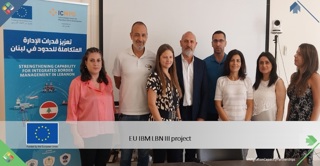
Final evaluation of Strengthening Capability for Integrated Border Management in Lebanon - Phase III (IBM III Lebanon)
- 2024 – 2025
- menos de 500.000 €
- Lebanon
The evaluation of the EU-funded intervention "Strengthening Capability for Integrated Border Management in Lebanon – Phase III" aimed to provide an independent and systematic assessment of its performance against expected objectives and results. It evaluated the intervention’s relevance, coherence, efficiency, effectiveness, sustainability, and impact, while taking into account the added value provided by the EU. Particular focus was placed on understanding the factors that influenced progress, including the evolving political and economic challenges in Lebanon—most notably the economic crisis. The evaluation also examined the integration of gender equality, women’s empowerment, environmental and climate considerations, and adherence to the Human Rights-Based Approach and the principle of Leave No One Behind. The findings were intended to inform decision-making for future programming, ensuring accountability and optimising the intervention's potential impact.
This evaluation covered one intervention financed by the EU in the security sector, supporting the implementation of the Financing Decision “Promoting the rule of law, enhancing security and countering terrorism”, ENI 2018 / 041-154 – Component 1: Border Security and Management (BS&M). It aimed to assist national agencies in securing the country’s borders (land, airport, and sea) while facilitating trade, regular entries, and assistance to people in need of international protection. Specifically, the intervention sought to increase the effectiveness of Lebanon’s border management agencies in line with international and democratic norms through capacity-building programmes and the provision of equipment.
- Palabras clave:
- Gobernanza, Justicia / Estado de derecho, Seguimiento y evaluación
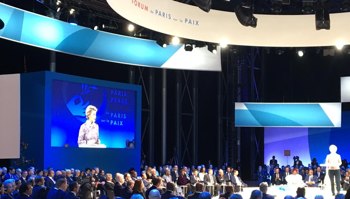
Provision of expertise and tools to support Recovery and Peace Building Assessments and Post-Disaster Needs Assessments
- 2017 – 2024
- de 2 a 5 millones de €
- Global
The Particip-led “Post Crisis Assessment and Recovery Planning: Support Office of the EU“ provided systematic support to all stages of disaster- and conflict-related needs assessment missions.
As part of the 2008 Joint Declaration on Post-Crisis Assessments and Recovery Planning, the World Bank (WB), United Nations (UN), and European Union (EU) have committed to providing joint support for assessing, planning, and mobilising efforts toward recovery, reconstruction, and development in countries affected by crises. This tripartite agreement was executed via the mechanism of joint Recovery and Peacebuilding Assessments (RPBA), Post-Disaster Needs Assessments (PDNA), and Pandemic Recovery Needs Assessments (PRNA).
The activities of the advisory team included:
- Provision of support to EU Delegations around the world and EU Services in Brussels in the planning, undertaking and reporting of post crisis assessments: RPBA: support to peacebuilding through short- and longterm support to specific EUDs. Trainings and and workshops for local authorities, ministries and EU staff. PDNA: post-disaster assessments and support to recovery including trainings and workshops. CRNA/PRNA: COVID/pandemic recovery needs assessments and support to recovery including trainings and workshops.
- Support to third countries to build their capacity to carry out RPBAs, PDNAs, and PRNA this includes institutional strengthening and inter-institutional coordination such as the HLAG (High-level-Advisory-Group) composed of WB, UN and EU;
- Facilitate coordination of EU and tripartite input to the implementation of the joint declaration (conceptual work and RPBA/PDNA/PCNA missions);
- Elaborate a preliminary early and longer-term framework (which identifies key recovery sectors, peacebuilding priorities, etc.)– in close cooperation with the EU Delegation and other relevant EU services, including identification/definition of sectors requiring additional EU support (whether provided through short-term assistance under the present project or not), essential cross-cutting issues, a tentative recovery calendar, recovery information management systems, the existing capacity in-country and institutional and legal arrangements for national Authorities, recovery support anticipated, etc.;
- Deployment of experts in RPBA/PDNA/PRNA missions, and
- Revise and/or updating the methodologies as necessary.
Recovery and Peacebuilding Assessments (RPBAs) offered countries a standardised and internationally recognised approach to identify the underlying causes and impacts of conflict and crisis. The RPBA had three primary purposes:
- to help governments identify, prioritise and sequence recovery and peacebuilding activities,
- to provide an inclusive process to support political dialogue and participation of stakeholders,
- to coordinate international support through a joint assessment and a joint recovery and peacebuilding plan as well as a monitoring system.
Post-Disaster Needs Assessment (PDNA) assisted governments with assessing the full extent of a disaster’s impact on the affected country and, on the basis of these findings, producing an actionable and sustainable Recovery Strategy for mobilizing financial and technical resources. The internationally recognised PDNA methodology is a key commitment mentioned in the the Joint Declaration on Post-Crisis Assessments and Recovery Planning. In May 2020, in order to respond to the COVID-19 pandemic, the PDNA methodology was adapted to elaborate a COVID-19 Recovery Needs Assessment (CRNA) methodology.
Recovery and Peace Building Assessment (RPBA)
Myanmar (Jan 2018); Burkina Faso (Jun 2019-June 2021); Mozambique (RPBA Nov 2020-Nov 2021); Azerbaijan (Joint Recovery Needs Assessment - falls outside the RPBA framework, Scoping Mission March 2022); Libya (Stocktaking 2018-2019, RPBA 2022)
Post-Disaster Needs Assessment (PDNA) & Disaster Risk Framework (DRF)
Myanmar (Jan 2018); Syria (Feb 2018); Ivory Coast (July-Sept 2018); Tunisia (Oct 2018); Bangladesh (2018); Georgia (2018); Tonga (2018); Fiji (2018); Mozambique (Apr–Aug 2019);
Central African Republic/CAR (July 2019); Somalia (Drought Impact Needs Assessment/DINA, July - Aug 2018); Albania (Dec 2019-Feb 2020); Lebanon (Rapid Damage Needs Assessment/RDNA, Aug 2020); Lebanon (DRF, Sep 2020-2021); Saint Vincent and the Grenadines (June–Aug) 2021); El Salvador (June-Dec 2021); Haiti (Sep-Oct 2021); Haiti (DRF, Nov-Dec 2021); Pakistan (Sep-Nov 2022); Pakistan (DRF, Nov-Dec 2022); Belize (Jan-Feb 2023); Turkey (Feb-Mar 2023); Ukraine Khakhova dam (June 2023), Myanmar (CMRNA , Sep 2023); Libya ( RDNA, Sep 2023); Afghanistan ( Oct 2023); Afghanistan ( AFPR-PDNA like Refugee support assessment, Nov 2023)
COVID-19 Recovery Needs Assessment (CRNA)
Ecuador (July 2020-Apr 2021); El Salvador (July-Sept 2020); Dominican Republic (Dec 2020-Feb 2021); Zambia (Feb-Aug 2021); Eswatini (Dec 2020-Nov 2021)
Trainings: Recovery and Peace Building Assessment (RPBA)
Bangkok, Thailand (Dec 2017); Lebanon (Apr 2018)
Trainings: Post-Disaster Needs Assessment (PDNA) & Disaster Risk Framework (DRF)
Dominican Republic (Nov 2017); Fiji (Mar-Apr 2018); Vanuatu (Apr 2018); Somalia (May 2018); Myanmar (Aug 2018); Mauritius (Oct 2018); Djibouti & Ethiopia (Feb 2019); Chad (Apr 2019); CAR & Congo (July 2019); India (Aug 2019); Kenya (Sept 2019); Caribbean (Nov 2019); St. Lucia (Nov 2019); Balkans (Sarajevo, Bosnia & Herzegovina, Feb 2020); Mexico (Feb 2020); Liberia (Mar 2020); Senegal (May 2021); Europe and the Commonwealth of Independent States/ECIS region (Jun 2021); University of West Indies (Training of Trainers/ToT, Dec 2021); Panama (PDNA/DRF, Latin American countries/LAC, Mar 2022); Belgrade (ECIS DPPI-SEE, Jun 2022); Regional ECIS (DRF, June 2022); Columbia (PDNA/DRF, July 2022); Costa Rica (PDNA/DRF, July 2022); Barbados (Caribbean countries, Mar 2023); Training Togo Regional ECOWAS (PDNA/DRF, May 2023); Antigua and Barbuda, Saint Johns (DRF, Sept 2023)
Trainings: COVID-19 Recovery Needs Assessment (CRNA) & Pandemic Recovery Needs Assessment (PRNA)
Sahel Region Academia (Nov 2020); Sahel Region government staff and regional organisations (Dec 2020); Ghana (Mar 2021); India (PRNA, Mar 2023)
Other Events
Fragility Forum (RPBA, Mar 2018); Paris Peace Forum (RPBA/PDNA 2019); Paris Peace Forum (RPBA/PDNA, Nov 2020); EU Information Session (Oct 2021); EU Information Session: Asia/Pacific Hub (April 2022); World Reconstruction Conference 5 and Global Platform for Disaster Risk Reduction/GPDRR (Apr 2022); International Society for Photogrammetry and Remote Sensing (ISPRS) Congress (satellite, June 2022); EU Information Session: Caribbean Region (online, June 2023); Slow Onset Event Damage and Loss Workshop ( Nov 2023); Cyclone Mitch 25 year Commemoration ( Oct 2023)
- Socios:
- Particip (líder), GIZ InS
- Palabras clave:
- Ejecución de proyectos / asistencia técnica, Formación, Gobernanza, Sociedad civil

Thematic evaluation of FPI.2 managed responses to Counter Terrorism and Preventing/Countering Violent Extremism (CT-P/CVE) in beneficiary countries (2017-2022)
- 2022 – 2023
- menos de 500.000 €
- Albania, Burkina Faso, Indonesia, Ivory Coast, Jordan, Kazakhstan, Kosovo, Kyrgyzstan, Lebanon, Malaysia, Maldives, Morocco, Mozambique, Niger, North Macedonia, Pakistan, Philippines, Senegal, Sri Lanka, Tajikistan, Thailand, Tunisia, Turkmenistan, Uzbekistan
The main objectives of this evaluation are to provide the relevant services of the European Union, the interested stakeholders with:
- An overall independent assessment of the performance of selected CT-P/CVE measures funded by FPI.2 during the years 2017-2022, paying particular attention to its different levels of results measured against its expected objectives; and the reasons underpinning such results
- As a particular approach to regional actions, a specific case study shall be carried out to assess the regional framework for support to CT-P/CVE measures in the Asian context, managed by the Regional Team in Bangkok. It is expected that the present evaluation assesses the relevance, added value and success of developing a model for CT and P/CVE actions, respectively, which have been replicated in different countries/contexts in Asia/Pacific (in Pakistan, Sri Lanka and Maldives for CT; and in Southeast Asia, Sri Lanka and Maldives for P/CVE). If deemed relevant, links can also be made to regional approaches in other RTs;
- Key lessons learned, conclusions and related recommendations in order to improve current and future interventions.
In particular, this evaluation will serve the contracting authority and other interested services to better understand the performance of the Intervention, its enabling factors and those hampering a proper delivery of results to inform the planning and implementation of current and future support to tackle CTP/CVE.
The main use of the results of the evaluation is expected to be
- To draw general lessons that can be used for the future approach to interventions in the sector
- To draw specific lessons that can be replicated in other similar interventions
- To draw specific lessons from the regional approaches, in particular the one applied by the Regional Team in Bangkok in terms of stocktaking, dynamics and replicability.
The main users of this evaluation will be the contracting authority, FPI.2, including its Regional Teams in Bangkok, Nairobi, Dakar, Eastern Europe and Central Asia (managed from Brussels). The Regional Team in Brasilia is less involved since they currently do not manage any CT-P/CVE projects.
- Palabras clave:
- Seguimiento y evaluación

Evaluation of the EU's support to climate change and environment in Enlargement and Neighbourhood regions
- 2021 – 2022
- menos de 500.000 €
- ENI East, ENI South, IPA
The purpose of this study is i) to provide an independent and evidence-based assessment of the EU's past and current external action support in the policy area of environment and climate change in Enlargement and Neighbourhood regions; and ii) based on this assessment, to provide lessons learnt and recommendations for decision-makers at EU level.
The evaluation encompasses both spending and non-spending activities between 2014 and 2020. It examines all funding mechanisms and modalities of implementation used under the Instrument for Pre-Accession (IPA) II and the European Neighbourhood Instrument (ENI) in a variety of sectors (e.g. energy, water and waste management).
The evaluation covers all thematic areas related to environment and climate change, paying special attention to i) issues of mainstreaming in EU external aid programmes and projects for the ten sectors in the environmental chapter of the acquis; and ii) the EU support provided through international organisations, in particular support aimed at strengthening environment and climate change governance at national and regional levels. Process and context factors – conducive to or hampering the performance of EU support, including in terms of the convergence with EU legislation in the regions under scope – are also systematically assessed.
The evaluation aims to contribute to ongoing EU strategic discussions on the use of innovative financing, in particular blending, which is playing an increasingly important role in EU support to environment and climate change. The evaluation results are also useful in enriching ongoing reflections on the future role of European Development Finance Institutions in EU external action. Finally, in the context of the COVID-19 pandemic, the evaluation contributes to identifying good practices that can strengthen Team Europe’s ongoing efforts to help ‘build back better’ and design ‘risk-informed and climate-smart’ recovery actions.
- Palabras clave:
- Energía, Gobernanza, Medio ambiente, Seguimiento y evaluación
Midterm Review of Norway’s Humanitarian Strategy and Strategic Partnership Model
- 2021 – 2022
- menos de 500.000 €
- Africa, Global, MEDA region
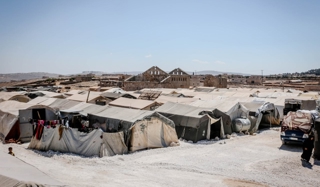
The midterm review object is the implementation of the humanitarian strategy, and the Strategic Partnership Model.
The purpose of the review is to assess whether Norway is on track in the implementation of the humanitarian strategy, assess the relevance of the strategy to adjust the course and to inform decision-making and strategic direction when formulating a new strategy for Norway's humanitarian engagement after 2023. The review also provides an assessment on the perceived value added of the Strategic Partnership Model, whether it is a good tool to achieve the main goals of the strategy and how it facilitates predictability and flexibility for the partners.
The specific objectives of the review are to:
1. Assess the relevance and coherence of the strategy and whether it has been used as the main tool to guide Norwegian humanitarian engagement.
2. Document progress and results in reaching the strategy's main goals.
3. Assess the Strategic Partnership Model, considering whether it is an effective tool for grant management, how it facilitates predictability and flexibility for the partners and whether it is likely to provide the best results for people in need in line with the priorities in the humanitarian strategy.
Based on the findings and conclusions, the review identifies lessons learnt and gives operational recommendations relevant for the continued follow-up and necessary adjustments of the strategy, and the Strategic Partnership Model.
The review has both a learning and accountability purpose, and its main users will be stakeholders at the Ministry, Norad and partners.
- Palabras clave:
- Ayuda humanitaria
Evaluation Series on Emergency School Feeding in the Democratic Republic of Congo, Lebanon, Niger and Syria (2015-2019)
- 2019 – 2022
- de 500.000 € a 1 millón de €
- Congo (Kinshasa), Lebanon, Niger, Syria
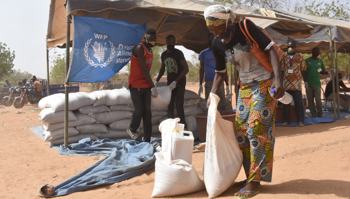
The evaluation series was commissioned by the WFP School-based Programmes Unit in Rome and covered WFP emergency school feeding (ESF) programmes during 2015-2019. It encompassed four country-specific evaluations in the Democratic Republic of Congo (focus on North Kivu region), Lebanon, Niger (focus on Diffa region) and Syria, as well as a global synthesis report. It covers the period 2015-2019.
The evaluation was financed from a multi-year Canadian contribution to WFP that also covered the costs of the ESF activities in the last years of the evaluation period. In 2018, these activities had reached nearly 1 million children in Syria and 17,000-71,000 children in each of the other three countries.
The findings of the evaluation series were meant to strengthen the global evidence base on ESF with specific guidance on school feeding in crisis and humanitarian settings. The findings will be used by Country offices to design future ESF activities.
All evaluations in this series used a mixed-method, theory-driven approach based on a set of reconstructed, country-specific Theories of Change. The country evaluation reports were based on document reviews, key informant interviews, focus groups discussions, and large-scale field surveys of schools, children, and households. The synthesis report was based on the four country reports of the evaluation series, a literature review, an online survey among WFP offices, and key informant interviews.
The country evaluation reports are available at:
https://www.wfp.org/publications/democratic-republic-congo-school-feeding-emergencies-evaluation https://www.wfp.org/publications/lebanon-school-feeding-emergencies-evaluation https://www.wfp.org/publications/niger-school-feeding-emergencies-evaluation https://www.wfp.org/publications/syrian-arab-republic-school-feeding-emergencies-evaluation
- Socios:
- Particip (líder)
- Palabras clave:
- Alimentación y nutrición, Ayuda humanitaria, Educación, Seguimiento y evaluación

Mediterranean Climate Finance Strategy
- 2019 – 2021
- menos de 500.000 €
- Albania, Algeria, Bosnia & Herzegovina, Egypt, Israel, Jordan, Lebanon, Mauritania, Montenegro, Morocco, Palestine, Syria, Tunisia, Türkiye
Background
In March 2017, the UfM Climate Change Expert Group (UfM CCEG) adopted a 5-years work-program, which stress the importance to strengthen climate finance in the Euro-Mediterranean region to address climate change issues. In April 2019, UfM Member States agreed to pursue the assessment of climate finance in the UfM region, with the view of providing sound basis for a renewed climate mandate of the UfM by 2020, with the new UfM Ministerial Declaration on Climate Change.
Target Groups
Target gruops of tehis technical assistance are: UfM Institutions, UfM Member States, International Financial Institutions, International Climate Change Institutions, Civil society representatives, Private sector Organisations and Institution interested in UfM regional integration.
Objectives
- The primary objective of this technical assistance is to enhance the knowledge of UfM Member States, International Financial Institutions, civil society representatives, private sector organisations and any other institution interested in the UfM regional integration, regarding the level of financial commitments made in 2018 and in 2019 to address climate change issues in the UfM region.
- The second objective is to explore the feasibility of financial mechanisms, which could be implemented in the UfM region with the aim of enhancing the mobilisation of climate finance for specific population or sectors, while building on lessons learned in some specific sectors (in particular in the water sector) or potentially in other regions, such as Caribbean or Latin America.
Expected Results
- R1 - to have a precise figure of financial commitments made to recipients in UfM developing countries in 2018 and in 2019, by public/private donors from developed/developing countries;
- R2 - to have a precise view of commitments and disbursements made by national governments, local authorities, private sector and, if possible, households addressing climate change in UfM developing countries;
- R3 - to have the methodology and process in place for monitoring, reporting and verifying climate finance commitments made in the UfM region, especially by ensuring the involvement of all relevant actors, including the scientific community, the private sector and NGOs;
- R4 - quantitative and qualitative analysis of financial mechanisms, which could be implemented in the UfM region with the aim of enhancing the mobilisation of climate finance for specific population or sectors.
- Palabras clave:
- Medio ambiente

Global objective: The overall objectives of the project were as follows:
- To hold the participants of past and future conferences on 'Supporting the future of Syria and the region’ accountable for the financial pledges made at the conference, to inform neighbouring countries of the international support they will receive as they implement their policy commitments, and to increase accurate, timely and comprehensive information on the international response to the Syrian crisis in order to inform relevant stakeholders gap analysis and programming (donors, UN & implementing partners, etc).
- To address the discrepancy between the funding of the different response plans and the commitments of the pledges in Lebanon and Jordan; and to facilitate the publication of conclusions and data with consistent methodology.
- To contribute to the monitoring of the key mutual policy commitments towards Lebanon and Jordan made by donors and partners countries on the occasion of the Brussels conferences.
- To allow the EU to communicate clearly on the support provided to Syria and the region.
Specific objectives: The purposes of this contract were as follows:
- Financial tracking:
- Collate information from various sources and other organisations that made financial pledges at the Brussels IV Conference, and triangulate this information with recipient organisations;
- Assess how much of these financial commitments will be committed and contracted to support: a) the UN appeals, b) each recipient country affected by the Syria crisis in the region (Syria, Lebanon, Jordan, Turkey, Iraq, and Egypt); and how much will be delivered to a) the various sectors and b) through the various implementing channels;
- Monitor disbursement of financial lending by institutions against statements made at the Conference, including terms of loans to determine if they are “concessional” under the revised OECD DAC principles agreed on 16 December 2014;
- Provide an explanation on the gap between various data sources on financial contributions related to the Syrian Crisis response in Lebanon and Jordan.
- Reporting on policy commitments:
- Report on progress made in Jordan and Lebanon on key mutual policy commitments taken in the series of the London and Brussels conferences as well as providing analytical reports on status and gaps.
- Describe in depth the findings including gaps analysis, and provide recommendations on the basis of the Steering Committee LCRP common monitoring framework for Lebanon and on the basis of the monitoring matrix elaborated for Jordan (by Agulhas) in 2019 and mentioned above.
- Socios:
- Particip (líder), EMI (formerly: Cardno Belgium)
- Palabras clave:
- Seguimiento y evaluación
Results Oriented Monitoring (ROM) system for external aid interventions financed by the European Union - Lot 1 – Neighbourhood region
- 2019 – 2021
- de 5 a 10 millones de €
- ENI
Results Oriented Monitoring (ROM) reviews aim to assist the European Commission’s services and EU Delegations in monitoring of and reporting on EU financed development and cooperation projects and programmes in third countries through independent reviews of the progress of their implementation and the achievement of project results.
ROM services provided through this contract were clustered in three components:
** Component 1: ROM Reviews. ROM contractors assessed the performance of EU-funded interventions on the basis of the following OECD DAC evaluation criteria: relevance, efficiency, effectiveness, and sustainability.
ROM reviews covered:
-A sample of EU funded interventions during the inception phase of implementation. The ROM review supported the OM in confirming or updating intervention logic and logframe matrix, in reviewing the monitoring system of the IP, in assessing risks and mitigation measures and fine tune the calendar of activities with a view to improve the performance of the intervention across the OECD DAC criteria.
- ROM reviews assisted the OM in adressing the main implementation problems.
-Other interventions for which Commission services requested a ROM review on demand (interventions which could not be visited by EU OMs or for which there was a lack of sector expertise in the EU Delegation/operational unit in HQ).
- Blending operations, focused on asessing the value added of the EU contribution and on the performance of blending interventions in terms of socio-economic development.
** Component 2: Quality assurance and support at design stage for a sample of interventions.The Contractor Provided technical support to EC services in the formulation of intervention logics and related logical frameworks matrices (logframes) and monitoring and reporting arrangements for a sample of interventions.
**Component 3: Results report (at corporate and intervention level). The Contractor provided services to encode and quality control results data for a set of interventions subject to results reporting. TOM contractor ensured quality control of data included in the intervention's logframes. Such quality controls included, amongs others: verifying that the logframe is correctly encoded and up-to-date , enssuring that the latest values related to logframe indicators were available, and supporting the aggregation of intervention-level results into the EU Results Framework or other frameworks.
- Socios:
- Particip (líder), Dev4U, GOPA, Integration

Evaluation of EU support to local authorities in Enlargement and Neighbourhood regions (2010-2018)
- 2019 – 2021
- menos de 500.000 €
- ENI, IPA
The purpose of this evaluation was to provide an independent assessment and evidence on the extent to which EU external action has contributed to the achievement of objectives and intended impacts of the EU’s policy towards local authorities (LAs) in enlargement and neighbourhood regions during the 2010-2018 period.
The specific objectives of this evaluation were:
- To assess the performance (relevance, efficiency, effectiveness, coherence, impact, sustainability and EU value added) of EU support (policy dialogue and financial assistance) to LAs and associations of local authorities (ALAs) in partner countries between 2010 and 2018;
- To assess the coherence, complementarity and coordination of EU interventions financed from IPAI/II and ENPI/ENI with other actions financed from other EU instruments, actions carried out by Member States, regional and international donors (state and/or international organisations) to support LAs and ALAs in partner countries;
- To provide recommendations for future programming and policy purposes, particularly on how to engage with LAs and ALAs in the next Multiannual Financial Framework (MFF) and in the context of the Commission proposals for the Neighbourhood, Development and International Cooperation Instrument (NDICI) and the Instrument for Pre-Accession III.
The results of the evaluation were used to:
- Take stock of the results achieved by the European Commission's support to local authorities and associations of local authorities in enlargement, neighbourhood regions over a large period of time (2010 to 2018) and identify the contributing (and hindering) factors;
- Consider those results against the problems and needs the EU's support to local authorities and associations of local authorities sought to address, resources deployed, as well as instrument and implementation modalities available;
- Measure the extent to which strategic orientations and principles were operationalised within the design, implementation and monitoring of the EU's support (political and policy dialogue as well as financial assistance) to local authorities and their associations;
- Identify areas of improvement for future policy and financial assistance orientations and guidelines, as well as for the future programming of interventions for the remaining period of the 2014-2020 Multi-annual Financial Framework and for the future one
- Socios:
- Particip (líder), ECDPM
- Palabras clave:
- Desarrollo institucional, Desarrollo rural y urbano, Gobernanza, Infraestructuras, Seguimiento y evaluación

Evaluation of the EU's external action support in the area of migration (2008-2018)
- 2019 – 2021
- menos de 500.000 €
- ACP (Africa), Asia, ENI East, ENI South, IPA
The purpose of this evaluation is to provide an independent assessment and evidence on the contribution of EU external action support in aspects of the policy area of migration. Its specific objectives are the following:
- To assess in both qualitative and quantitative terms the relevance, conditions of implementation and performance of EU external action support to migration in the areas defined in the evaluation’s focal areas.
- To address coherence of the EU external action projects/programmes framed also in the international context (e.g. UN related and non-EU Member States) and achievement by the EU and the candidate countries for EU membership, the potential candidates and the partner countries of their respective commitments in these policy areas.
- To assess how EU external action support in the area of migration in the geographical focal areas, has changed in the aftermath of the 2015 structural shift associated with the so-called “refugee crisis.” The assessment shall also take into account complementarity of EU external action support with that of other donors and actors, including EU Member States.
- To assess whether the EU's policy and operational response to the external dimension on migration triggered new approaches and rendered programmes and actions more effective, targeted and efficient.
It furthermore aims to provide lessons learnt and recommendations for the improvement of the programming and implementation and shall:
- lead to the identification of conclusions based on objective, credible, reliable and valid findings;
- highlight lessons learnt;
- provide the Commission and the European External Action Service (EEAS) with a set of operational, targeted and useful forward-looking recommendations.
The three overarching thematic focal areas examined by this evaluation are the following: Legal (labour) migration, Smuggling of Migrants (SoM), and Trafficking of Human Beings (THB).
Report available here: https://ec.europa.eu/neighbourhood-enlargement/sites/default/files/eval_eu_support_migration_area_-_final_report.zip
- Socios:
- Particip (líder), ECDPM
- Palabras clave:
- Seguimiento y evaluación

Evaluation of the EU's external action support in the area of gender equality and women's and girls' empowerment (2010-2018)
- 2019 – 2021
- de 500.000 € a 1 millón de €
- ACP (Africa), ACP (Caribbean), ACP (Pacific), DCI, ENI, ENI East, ENI South, IPA
The main objective of this evaluation was to provide an independent assessment and evidence on the contribution of EU external action support in the policy area of gender equality and women empowerment (GEWE). In line with the EU policy on evaluation, this evaluation sought to be a stock- taking lesson-learning and forward-looking exercise, as well as an accurate assessment of achieved results in line with the objectives of the EU Gender Action Plan (GAP) II and other relevant overall policy frameworks for gender equality such as the new approach on Women, Peace and Security Agenda, Agenda 2030, the New European Consensus for Development.
Its specific objectives were the following:
- To assess in both qualitative and quantitative terms the relevance, conditions of implementation and performance of EU external action to promote GEWE and its mainstreaming, particularly its efficiency, effectiveness, sustainability, and the EU added value.
- To assess whether the EU's policy and operational response on GEWE in partner regions (EU Plans of Action on Gender Equality and Women’s Empowerment for 2010-2015 and 2016-2020) have triggered new approaches and rendered EU external action support more effective, targeted, gender-responsive and efficient.
- To assess: a) the coordination and complementarity of the European Commission services, the European External Action Service (EEAS) and EU Members States’ external action; b) the coordination and complementarity between EU external action support and other non-EU donors’ and actors’; c) the coherence of EU GEWE policy in external action with other relevant EU external policies; and d) the coherence of EU external action support with international commitments to GEWE.
The evaluation should lead to the identification of conclusions, lessons learnt (both positive and negative), good practices regarding the achievement of the intended GEWE-related results and the Commission, the EEAS and EU Member States with a set of targeted and useful forward-looking recommendations for the improvement of the programming and implementation.
Through the course of the evaluation, the evaluation team conducted 18 case studies (focusing on countries, regions and thematic areas) which were subject to an in-depth analysis, including 9 field visits. Both a ‘country-level’ and ‘global’ survey – covering EU services (HQ and EU Delegations/Offices worldwide), EU Member States, other development partners and Civil Society Organisations – were part of the data collection and analysis process. Findings from all evaluation activities were synthesized into a final report.
Final report available here: https://ec.europa.eu/international-partnerships/evaluation-eus-external-action-support-area-gender-equality-and-womens-and-girls-empowerment_en
- Palabras clave:
- Derechos humanos, Gobernanza, Seguimiento y evaluación
External Evaluation of EU’s Support to Conflict Prevention and Peace Building (2013-2017)
- 2018 – 2020
- de 500.000 € a 1 millón de €
- Global
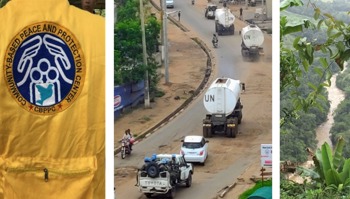
This evaluation took place in a context of a recent surge in violent conflicts and a renewed momentum on Conflict Prevention and Peacebuilding (CPPB) both at the EU and global level. Its purpose was to:
- provide the relevant EU Institutions and the wider public with an overall independent assessment of the EU support to CPPB focusing on the period 2013-2017; and
- identify key lessons, instil good practices, and produce recommendations to feed into ongoing and future approaches to EU’s engagement in the field of CPPB.
In particular, the evaluation will feed into the EU implementation of the Integrated Approach to Conflict and Crises and nurture future EU support to CPPB strategies and interventions.
The scope of the evaluation included:
- all relevant actions (including spending and non-spending activities) and all countries/regions which fall under the responsibility of DG DEVCO and DG NEAR (neighbourhood region only); and
- the work/engagement of EEAS related to them.
In terms of temporal scope, the evaluation focused on the period 2013-2018, but also took the period 2011-2012 into consideration in order to assess the evolution of EU support to CPPB.
Through the course of the evaluation, the evaluation team conducted 12 case studies (focusing on countries, regions and instruments) which were subject to an in-depth analysis, including eight field visits. Two surveys – one covering EU services in Brussels, the other covering EU Delegations/Offices worldwide – were also part of the data collection and analysis process. Findings from all evaluation activities were synthesized into a final report.
The final report is available online: https://ec.europa.eu/international-partnerships/external-evaluation-eus-support-conflict-prevention-and-peacebuilding-2013-2018_en
- Socios:
- Particip (líder), ECDPM
- Palabras clave:
- Gobernanza, Seguimiento y evaluación
Overall objective
The Overall Objective is to establish a comprehensive Monitoring and Evaluation mechanism: for the EUTF in response to the Syrian crises, the 'MADAD Fund'.
Purpose:
The purposes of this contract are:
l. Results-Oriented Monitoring: To monitor the implementation of and develop recommendations for ongoing MADAD-financed projects and provide evidence based know ledge on the results and outputs, through the use of SMART qualitative and quantitative indicators.
2. Data Collection: To assess effectiveness of the EUTF at thematic and geographic level, through regular data collection and systematization as well as sector/country analysis.
3. Impact-focussed Evaluation: To assess the sustainability, efficiency and effectiveness of Madad-funded programs and evaluate prospects of impact.
- Socios:
- Particip (líder), GOPA, Integration
- Palabras clave:
- Seguimiento y evaluación

Final Evaluation of EU funded programme 'Support to Judiciary Reform - ENPI/2011/22-756'
- 2019 – 2020
- menos de 500.000 €
- Lebanon
With this evaluation assignment, the EC aimed at responding to the increasing emphasis on result-oriented approaches for EU interventions within the cooperation policy and SDG implementation. The focus of this evaluation was to assess the achievements, the quality and the results of Actions taken in the context of the support programme to Judiciary Reform in Lebanon.
The evaluation sought to identify the results and outputs linked to EU intervention, as well as the factors driving or hindering its progress. By doing so, it highlighted the cause and effect links between inputs, activities, outputs and impacts and serves accountability, decision making, learning and management purposes for future EU intervention and Actions in the sector of governance.
The main objectives were to provide the EU and the interested stakeholders with:
an overall independent assessment of the past performance of the Support to Judiciary Reform decision and all its components, paying particular attention to its results measured against its expected objectives; and the reasons underpinning such results;
recommendations build from the key lessons learned and the conclusions in order to improve current and future actions
- Palabras clave:
- Justicia / Estado de derecho
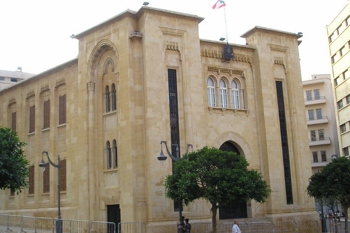
Final /Ex-post Evaluation for the Policy Planning and Governance Project
- 2019 – 2019
- menos de 500.000 €
- Lebanon
The main objectives of this evaluation are to provide the relevant services of the European Union, the interested stakeholders with:
- an overall independent assessment of the past performance of the Policy Planning and Governance decision and all its component, paying particular attention to its results measured against its expected objectives; and the reasons underpinning such results;
- key lessons learned, conclusions and related recommendations in order to improve current and future Actions.
In particular, this evaluation will serve or to understand the performance of the Action, its enabling factors and those hampering a proper delivery of results as to inform the planning of the future EU interventions and Actions in the sector of governance.
- Socios:
- Particip (líder), EPRD, Tetra Tech NL
- Palabras clave:
- Gobernanza, Seguimiento y evaluación
Results Oriented Monitoring (ROM) reviews aim to assist the European Commission’s services and EU Delegations in monitoring of and reporting on EU financed development and cooperation projects and programmes in third countries through independent reviews of the progress of their implementation and the achievement of project results.
The ROM reviews and support missions to be carried out are the following:
a) +++ROM reviews of projects signalled as having implementation problems and where EC services have identified a need for an outside expert review to assist in addressing the problems, identifying causes and options for solution and making recommendations.
b) +++ ROM reviews of other projects for which such ROM reviews may have a particular usefulness, in particular for projects which could not be included in the EUDs’ planning of field visits or for which the necessary sector expertise at EUD level may not be sufficiently available at a given point of time or for innovative projects.
c) ROM reviews of BS programmes: in countries where a BS programme is signalled as having implementation problems, a ROM review may be organized focusing on the programme in question for the sector specific aspects but also covering the Public Financial Management (PFM) and macroeconomics aspects of all BS programmes financed by the EU in the country .
d) ROM support to end of project reporting on results (outputs and direct outcomes), including for BS programmes. These ROM support missions are to assist EC services and EUD in strengthening their results reporting capacities in: assisting with the recording actual results achieved by projects and programmes that have come to an end in the specified calendar year, solving technical difficulties that may occur linked to results reporting, and identifying the systemic needs and modalities for improvement which may be needed in these areas. The ROM support to end of project results reporting missions are to focus on projects of EUR 750.000 or more.
- Socios:
- Particip (líder), GOPA, Integration
- Palabras clave:
- Seguimiento y evaluación

The main objective of the evaluation was to: ‘assess how coherently Finland’s development policy and its targets relating to forced displacement have been implemented and how the coherence could be enhanced’.
The evaluation covered the period 2012 until late-2018 which includes the two last Development Policy Programmes (DPPs) of 2012 (MFA 2012) and 2016 (MFA 2016), with emphasis on the latter part of the period.
The backdrop to this evaluation was the growing complexity of the drivers of forced displacement, the historically high numbers of those displaced and the increasingly protracted nature of displacement. These conditions constitute major global challenges for peace and security, human wellbeing and the 2030 Sustainable Development Goals (SDGs) amongst many other impacts.
This evaluation was a formative evaluation, steering the outputs towards a learning process, the main purpose of which was to increase knowledge, awareness and the operationalisation of the humanitarian development nexus (HDN) and the concept of forced displacement (FD) within the MFA. Aligning development cooperation and humanitarian assistance programming more effectively in relation to forced displacement expected to enhance PCD within the MFA and with its partners.
The Evaluation also served wider policy making intentions: it contributed significantly to the preparation of the MFA’s 2020 DPP, and it also contributed to increased knowledge on how to better promote the 2030 SDGs Agenda.
The three questions sought to ascertain: the overall understanding of and approach to FD and HDN and how it has evolved over the evaluation period 2012-18 (EQ 1); its adequacy and the scope of policy influence in this context (EQ 2); and the extent of policy coherence (EQ 3).
The evaluation undertook three country/regional case studies: Afghanistan, Jordan/Lebanon/Syria (covering the Syrian refugee crisis and termed MENA (Middle East and North Africa for short) and Somalia (in view of the MFA’s engagement in long-term displacement and development contexts).
The report and other material are available at:
https://um.fi/development-cooperation-evaluation-reports-comprehensive-evaluations/-/asset_publisher/nBPgGHSLrA13/content/evaluointi-pakkomuutosta-ja-kehityspolitiikasta/384998
- Socios:
- Particip (líder), Indufor Oy - Metsahallitus Group
- Palabras clave:
- Ayuda humanitaria, Derechos humanos, Seguimiento y evaluación, Sociedad civil

Review of Gender Equality Findings from Middle East Evaluations
- 2019 – 2019
- menos de 500.000 €
- ENI South
Following intensive consultations that took place in 2016, Canada refocused its international assistance on helping the poorest and most vulnerable people and supporting fragile states.
Within this broader context, support has been requested by the International Assistance Evaluation Division (PRA) of Global Affairs Canada for the planning of an evaluation of gender equality programming in the Middle East. In this regard, a review of evaluations by other donors of development and humanitarian assistance programmes in the region has been considered as necessary.
The purpose of this study is to review available thematic evaluations, country programme evaluations, major project evaluations and possibly other essential documents related to the achievement of gender equality outcomes in the Middle East.
The focus of the study has been on three countries: Turkey, Lebanon and Egypt. The countries were chosen on the basis of amount and quality of the available literature rather than total spending of Global Canada’s which is highest in Jordan, Syria, and Iraq.

Provision of expertise on Gender-sensitivity in the IcSP (Instrument contributing to Stability and Peace) context – the 'Gender Facility II'
- 2017 – 2018
- menos de 500.000 €
- Global
The objective of this Gender Facility II was to enhance IcSP projects effectiveness by strengthening IcSP staff capacities to take up and apply of gender-sensitive approaches in project design and implementation.
The project provided IcSP staff at Headquarters and EU Delegations/Regional Teams with training, guidance notes and technical assistance on practical ways to apply gender sensitivity at project design and implementation.
- Socios:
- Particip (líder), Cideal, Femconsult
- Palabras clave:
- Formación

The purpose of this evaluation was to provide an assessment and evidence on the scope and performance of the implemented and on-going EU support to CT/PVE provided by the IfS and the IcSP from 2007 to 2016. It aimed at providing recommendations for the improvement of the design and the implementation of EU support to CT/PVE in line with:
a) the principles laid down in the following key EU policy documents:
- A Global Strategy for the European Union’s Foreign and Security Policy – Shared Vision, Common Action: A Stronger Europe (2016);
- European Union Counter-Terrorism Strategy (2005);
- European Union Strategy for Combating Radicalisation and Recruitment to Terrorism (2014);
- Preventing Radicalisation to Terrorism and Violent Extremism: Strengthening the EU’s Response (2014)
- Communication from the European Commission of the European Parliament, the Council, the European Economic and Social Committee and the Committee of the Regions Supporting the Prevention of Radicalisation Leading to Violent Extremism (2016).
b) the principles laid down in the following key international policy documents :
- The UN Global Counter-Terrorism Strategy (2016);
- The UN Secretary General’s Plan of Action to Prevent Violent Extremism (2016);
- GCTF Ankara Memorandum on Good Practices for a Multi-Sectoral Approach to Countering Violent Extremism (2013);
- The UN Sustainable Development Goals (2016)
The evaluation provided the European Commission, the European External Action Service, and other relevant stakeholders with:
- an independent assessment of the overall IfS/IcSP support to CT and to PVE (2007-2016), paying particularly attention to the results achieved against its objectives;
- key lessons and recommendations to FPI.2 in order to improve current and future support for CT and PVE financed under the IcSP;
- recommendations to the European Commission on the best way to approach and improve its support to CT and to PVE both in terms of the use of policy dialogue and financial assistance.
The analysis, lessons and recommendations were explicitly distinguished (separated when necessary) given the differences of objectives, approaches and activities relating, on one hand, to counter terrorism and, on another hand, to the prevention of violent extremism.
The results of the evaluation was used to:
- demonstrate whether already on-going/planned IcSP interventions in the area of CT and PVE have taken on board the past lessons learned;
- feed into the overall evaluation and impact assessment of the IcSP;
Geographical coverage:
The evaluation covered all beneficiary countries in which the IfS/IcSP provided/provides support to CT/PVE.
- Socios:
- Particip (líder), Cardno UK

The global objective of the assignment was to assess the EU support at regional level, bilateral level and through the blending mechanism (the NIF ) to the partner countries of the Neighbourhood South in the fields of environment (H2020 initiative, Sustainable Consumption and Production, Integrated Water Management, biodiversity and Marine Protected Areas…) over the period 2010-2017, and to propose recommendations for further EU support for the forthcoming programming period 2018-2023.
It also considered how the political relationships between the EU and its partner countries as well as relations between partner countries affect both the implementation of the EU support and the development of harmonised environment sector policies in the Mediterranean region.
- Socios:
- Particip (líder), DAI Global UK, ETI
- Palabras clave:
- Medio ambiente

Evaluation of the capacity building initiatives in support of Civil Society in the Neighbourhood South (2012 – 2016)
- 2016 – 2017
- menos de 500.000 €
- ENI South
The main objective of the evaluation was to analyse and evaluate the capacity building support provided to civil society by both regional and bilateral programmes during the period 2012-2016. This evaluation has focused on the efforts funded under ENPI and ENI.
The evaluation was also supposed to provide a series of recommendations to support innovative ways for contributing to building capacities of civil society organizations at a regional level in the future in complementarity with the political objectives as set out in the revised ENP and in the 2012 Communication of the European Commission - The roots of democracy and sustainable development: Europe's engagement with Civil Society in external relations and related Council Conclusions, as well as the EU Country Roadmaps for Engagement with Civil Society, a joint initiative between the European Union and Member States which aims to strengthen the strategic engagement with civil society.
Specific objectives
- to provide an overall independent assessment of the support given by the European Union to build capacities of civil society in the Neighbourhood South from both regional and national programmes - mainly through i) the Technical Assistance programme of the Civil Society Facility; ii) the Regional Grants of the Civil Society Facility; iii) bilateral support to capacity building (managed by EU Delegations) and iv) specific support to two institutions: Anna Lindh Foundation and European Endowment for Democracy. The assessment was supposed to take a look into issues related to their design, implementation and overall performance;
- Drawing up from key lessons; provide recommendations in order to inform the identification of current and future regional initiatives supporting capacities of civil society, especially in light of the complementarity and added value that can be given to efforts implemented at the national level
- Socios:
- Particip (líder), EPRD
- Palabras clave:
- Sociedad civil

Post-conflict and post-disaster needs assessment (PCNA/PDNA): development of assessment capacity and tools - Phase I + II
- 2013 – 2017
- de 2 a 5 millones de €
- Global
Relevant background
Since early 2007, the Commission, the UN-family and the World Bank have worked together in setting up a platform for cooperation on post-crisis needs assessments for natural disaster (Post-Disaster Needs Assessment, PDNA) and conflict (Recovery and Peacebuilding Assessment (RPBA), previously named Post-Conflict Needs Assessment, PCNA) scenarios. This trilateral cooperation was framed and formalised through the signature of a Joint Declaration on “Post-Crisis Assessments and Recovery Planning” in September 2008. The EU/UN/WB platform covers the whole PDNA/RPBA(PCNA) process, including strategic coordination, development of joint methodologies for post-crisis assessments, joint deployment of assessment teams, joint training and joint recovery planning and monitoring.
In line with the 2008 Declaration on Joint Post-crisis Assessments and Recovery Planning, the overall objective of the project is to assist and develop third countries’ in-country capacity to gradually assume a more prominent role in Post-Disaster Needs Assessments and Post-Conflict Needs Assessments (now changed to Recovery and Peacebuilding Assessments, RPBA).
The purpose of this project was:
- to support further development of joint PDNA/RPBA(formerly PCNA) methodologies, tools, training programmes, etc.;
- to support joint PDNA/RPBA(formerly PCNA) missions in-country/in region (in coordinating with EU Heads of Delegations and with the European External Actions Service (EEAS) and European Commission). While such support could cover any relevant technical field (long-term and short-term expertise), it is foreseen that a particular emphasis is put on expertise in mission planning and development of final reports/recovery frameworks.
The two phases of the project contributed to a variety of outputs and results, including:
- Phase 1 (01/01/2013 – 31/07/2015): revision of the PDNA methodology and development of the joint EU/UN/WB PDNA Guide, development of the Disaster Recovery Framework (DRF) Guide, review of the PCNA methodology, development of training and capacity building materials, delivery of information/capacity building sessions, joint PDNA/PCNA training courses for national authorities and regional/international organisations, support to over 15 joint EU/UN/WB PDNA/PCNA missions;
- Phase 2 (10/07/2015 – 09/07/2017): revision of the PCNA methodology and development of the RPBA methodology, development of training and capacity building materials, delivery of information/capacity building sessions, joint PDNA/RPBA training courses for national authorities and regional/international organisations, support to over 10 joint EU/UN/WB PDNA/RPBA missions.
- Socios:
- Particip (líder), Dara, ECDPM, GOPA, Punto.sud
- Palabras clave:
- Ayuda humanitaria, Desarrollo institucional, Formación, Gobernanza