Afghanistan
29 references
Long Term Arrangement for the Provision of Third-Party Monitoring Services to UNICEF Afghanistan
- 2023 – 2027
- under € 500,000
- Afghanistan
The overall objective of our services is to ensure the highest standards of programme delivery across Afghanistan. Given the unique challenges posed by the country's diverse and hard-to-reach regions, TPM aims to:
- Collect reliable field-level data
- Provide independent verification of programme outcomes
- Identify critical implementation issues
Key tasks TPM undertakes include:
- Training and deploying field monitors as well as ensuring they are equipped with the necessary skills and knowledge to perform their duties effectively
- Ensuring quality assurance
- Implementing supervision and quality checks, including GPS-embedded reports and photos, to validate field monitoring activities
- Submitting detailed monthly reports
By doing so, it is aimed to inform programme planning, improve delivery, and maintain accountability and transparency in all UNICEF initiatives.
- Partners:
- Particip (Lead)
- Keywords:
- Monitoring & Evaluation
Third party monitoring services, Afghanistan
- 2025 – 2027
- € 500,000 – 1 million
- Afghanistan
In line with the Commission’s objectives and priorities, and the Conclusions of the Foreign Affairs Council of 21 September 2021 and 20 March 2023 which reaffirm the European Union’s principled commitment to supporting the people of Afghanistan, the EU contributes to the international efforts for addressing basic human needs in Afghanistan.
Since 2021, the Commission adopted the following special measures in favour of the people of Afghanistan:
- Commission implementation decision of 31.10.2022 C(2022) 7606 final, action “Support to basic services and livelihoods for the people of Afghanistan”
- Commission implementation decision of 28.11.2023 C(2023) 8215 final, action “Addressing basic needs and supporting livelihoods of the people of Afghanistan”
- Commission Implementation Decision of 26.7.2024, C(2024) 5243 final, action ‘Addressing basic needs and supporting livelihoods of the people of Afghanistan – 2024’
In June 2025, the portfolio of ongoing projects implementing the above mentioned actions is composed of ~ 28 projects, ~ EUR 330 millions, implemented by multilateral organisations and NGOs across all regions for a duration between 2 and 4 years.
Principles for delivery of aid include (but not limited to): 1) women, girls and persons belonging to minorities should be able to access services in a non-discriminatory fashion; 2) support can only be given through multilateral organisations, NGOs or the private sector. No funds can be channelled to or through the Taliban de facto authorities (DFA) neither in Kabul nor at the local level, neither directly nor through other actors; 3) implement assistance without undue influence by the Taliban DFA on the planning, implementation and management of the activities or selection of beneficiaries; and 4) a do-no-harm and conflict sensitive approach will be ensured.
The overall objective (Impact) to which this action contributes is to facilitate the implementation of national and regional programmes by providing funding for all necessary support operations.
The specific objectives (Outcomes) of this contract are as follows:
1. Monitor implementation of selected EU funded projects
2. Track effective implementation of the principled approach

Provision of Third-Party Monitoring services for AICS multi-sectoral programme to strengthen the resilience of vulnerable populations in Afghanistan (AID 013073/01/0)
- 2025 – 2027
- under € 500,000
- Afghanistan
The project provides independent Third-Party Monitoring and Evaluation (TPME) services for the AICS funde multi-sectoral programme to strengthen the resilience of vulnerable populations in Afghanistan (013073/01/0). In a context marked by political uncertainty, economic decline, acute food insecurity, and strained health systems, the assignment ensures accountability and adaptive management of humanitarian interventions in health, nutrition, agriculture, and food security.
Particip designs and implements a robust Monitoring & Evaluation (M&E) framework that includes a baseline study, periodic monitoring on a four-monthly cycle, spot checks, and an end-line study. The monitoring system validates whether humanitarian goods and services are delivered as planned, assesses outcomes at the community level, and generates evidence-based recommendations for programme adaptation.
Target groups include beneficiaries (women, children, IDPs, returnees, persons with disabilities, and host communities), local service providers, implementing partner staff, and community leaders. Monitoring activities combine quantitative and qualitative methods, employing participatory approaches to capture lived experiences and ensure inclusivity, particularly for vulnerable groups.
Through regular monitoring reports, infographics, and learning loops, the project supports AICS Islamabad in strengthening oversight, ensuring compliance with humanitarian principles, and promoting transparency in hard-to-reach areas where direct donor access is limited
Third-Party Monitoring of Italian Cooperation Programme in Afghanistan
- 2024 – 2026
- under € 500,000
- Afghanistan
This contract will contribute to the overall objective of the Programme, which is to ensure food security and access to healthcare services, promote income-generating activities, and reduce the risk of disasters, particularly for the most vulnerable populations, including women and children.
The Programme focuses on:
- Strengthening food security for the most vulnerable groups and enhancing their capacity to engage in income-generating activities in provinces most affected by food crises.
- Improving the health of the Afghan population.
- Promoting anticipatory responses to recurrent crises resulting from climate shocks, through disaster risk reduction and management.
The overall objective of this contract is to focus on activities implemented through INGO partners, selected within the framework of the Call for Proposals 1, and inform AICS programme management and reporting with relevant data and analyses inspired by the Monitoring, Evaluation, Accountability and Learning (MEAL) approach, concepts and practices.
Post-Distribution Monitoring of Winter and Earthquake Injured Response 2025 in Kunar Province
- 2026 – 2026
- under € 500,000
- Afghanistan
The assignment consisted of conducting a Post-Distribution Monitoring (PDM) exercise to assess the effectiveness, efficiency and child-focused outcomes of UNICEF’s winterisation and earthquake-injured cash assistance in Kunar Province.
The PDM verified the timely and complete receipt of cash transfers and assessed whether the assistance supported access to essential winter items, basic needs and costs related to earthquake injuries, while enabling households to avoid negative coping strategies. It also assessed the safety, accessibility, equity and accountability of the delivery process in line with UNICEF safeguarding and Age, Gender and Diversity (AGD) standards. Findings supported programme adjustments and strengthened future winterisation and shock-responsive cash interventions.
The monitoring covered districts across Kunar Province where UNICEF supported approximately 5,340 winter- and earthquake-affected households, including 1,049 households with earthquake-injured members identified through health facilities and community-based referral mechanisms.
The assignment applied a mixed-methods approach, combining representative household surveys with Focus Group Discussions (FGDs), using separate sampling approaches for the winterisation and earthquake-injured responses. Data was collected through Kobo or InForm-based tools using a hybrid approach, with approximately 70% face-to-face and 30% telephone interviews, ensuring disaggregation by age, gender and disability (AGD).
Key activities included:
- Planning and inception, including methodology development, sampling design, tool preparation and staff training.
- Quantitative and qualitative data collection, including household surveys and FGDs with beneficiaries and vulnerable groups.
- Data quality assurance, analysis and reporting, including validation of datasets, preparation of PDM reports and presentation of findings to UNICEF.
- Ethical and safeguarding measures, ensuring confidentiality, informed participation, inclusion and compliance with UNICEF protection standards.
Post-Distribution Monitoring of the Winter Response 2025 in Samangan Province
- 2026 – 2026
- under € 500,000
- Afghanistan
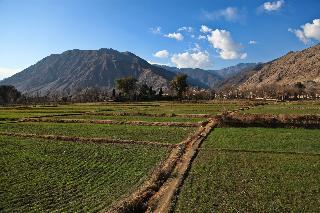
The assignment involved UNICEF providing a one-off winterisation cash assistance of USD 200 (AFN 13,140) to approximately 1,000 vulnerable households across five districts of Samangan Province to address essential heating and cold-weather needs and protect children from illness, malnutrition and harmful coping strategies.
Particip was responsible for conducting an independent Post-Distribution Monitoring (PDM) exercise to assess the effectiveness, efficiency, accessibility, safety and child-focused outcomes of the assistance. The PDM verified timely receipt and use of cash transfers, access to essential winter items, households’ ability to cope with winter conditions without resorting to negative strategies, and beneficiaries’ perceptions of the assistance delivery process.
The assignment applied a mixed-methods approach combining representative household surveys with Focus Group Discussions, with approximately 70% of interviews conducted face-to-face and 30% by telephone, while applying an Age, Gender and Diversity (AGD) lens. Particip’s tasks covered mission planning and inception, staff training and tool testing, quantitative and qualitative data collection, quality assurance, data management, analysis and reporting, in line with UNICEF safeguarding, confidentiality and Do No Harm standards.
Particip was responsible for the following activities:
Planning for Post-Distribution Monitoring:
- Authorisations and Preparatory Actions
- Planning and Inception
- Training of Staff
- Field Tool Testing
Implementation of the Post-Distribution Monitoring Survey:
- Quantitative Data Collection
- Focus Group Discussions (FGDs)
Data Management:
- Data Quality Assurance and Validation
- Data Ownership, Storage, and Archiving
Reporting:
- Data Validation and Dataset Finalisation
- Data Analysis and Draft PDM Reporting
- Reporting Standards and Content Requirements
Ethical Considerations:
- Informed Participation and Transparency
- Confidentiality and Data Protection
- Safeguarding and Do No Harm
- Age, Gender and Diversity (AGD) Sensitivity

The USAID-funded Assistance for Families & Indigent Afghans to Thrive (AFIAT) project aims to conduct the AHS 2022/2023. The overall purpose of the project is to provide the data needed to assess the performance of Afghanistan's health care system by conducting a household level assessment of key health indicators with a focus on evolving perceptions and socio-cultural norms, with an emphasis on gender and youth, to guide implementation of high impact interventions for reproductive, maternal, newborn, and child health (RMNCH), nutrition, and tuberculosis. The AHS 2022 will help to understand and monitor changes in household and community motivations, attitudes, habits (e.g., health expenditures), and other health information.
The goal of AHS 2022/2023 is to provide national level and provincial level population estimates of various outcome and impact level health indicators based upon the performance of the basic package of health services (BPHS) in both rural and urban areas of the 34 provinces in the following key areas:
Socio-economic and demographic characteristics: Child health and immunization, Maternal and Neonatal health (i.e. ANC, Delivery, PNC, danger signs), Maternal and child mortality and their causes, Nutritional status and behaviors of women and children, Fertility and family planning, including contraceptive prevalence rate and birth spacing, Tuberculosis, Health equity, accessibility, and utilization differences between higher and lower wealth quintiles and urban vs. rural populations, Household level knowledge, motivation, attitudes, behaviors, satisfaction with services and perceptions of the quality of healthcare (including Household expenditures on health services and drugs and other recommended information)
- Partners:
- Particip (Lead)
- Keywords:
- Health, Monitoring & Evaluation

++Third Party Monitoring for the Basic and Essential Package of Health Services and High Impact Value Added Interventions (HIVA) of UNICEF Supported Health Facilities in Afghanistan (2022-25)++
- 2022 – 2025
- € 5 – 10 million
- Afghanistan
The overall objective of the TPM for primary health care (PHC) and secondary health care (SHC) at PHC/BPHS and SHC/EPHS facilities is to independently verify the implementation processes and outcomes achieved by the contracted Service Providers (SPs) in supported health facilities and service delivery points, including verification at the community level.
More specifically, Particip,
- Monitors Health Facility Functionality;
- Conducts HMIS Data and Community verification;
- Conducts Drug Procurement, Distribution and Storage Assessment;
- Monitors Quality of Care. In phase 2 this includes Quantified Quality Metrics (QQM) Approach, Minimum Standards of Services (MSS) and high-impact value interventions (HIVA)- specific monitoring.
Furthermore, focused assessments are carried out to verify that health workers received trainings provided by third parties. Assessments of training and protocols on gender-based violence are also conducted at EPHS facilities.
Main staff provided:
- Project Manager 275wds
- Technical Health Manager 275wds
- Technical Data Manager 275wds
- Human Resource Officer 275wds
Provincial Monrs 275wds
QA Manager 275wds
- Field Monitors 1,147wds
- Other administrative support 275wds
- Partners:
- Particip (Lead)
- Keywords:
- Health, Monitoring & Evaluation
++Independent monitoring of immunization status in Afghanistan++
- 2024 – 2025
- € 500,000 – 1 million
- Afghanistan
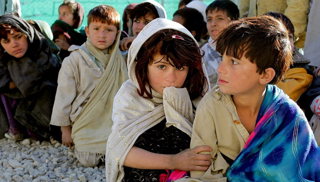
The humanitarian engagement aimed to deliver life-saving humanitarian assistance to high-risk populations and to increase polio vaccination coverage among children in priority areas in Afghanistan.
This project aimed to monitor the planning, execution, and data quality of operations for the Humanitarian Actors Engagement, a consortium supporting the Global Polio Eradication Initiative (GPEI).
As the third-party monitor, Particip,
- Conducted desk reviews of microplans and project documents, and key-informant interviews with personnel involved in microplanning at all levels to identify strengths and challenges in the process and its implementation;
- Validated micro-plan settlements by re-creating the catchment areas of a sample of health facilities using satellite imagery;
- Conducted direct site observations, patient-provider observations at health facilities, and visited communities and households in project areas to monitor implementation status;
- Gathered primary data on operational strength, staffing adequacy, supply and stock management, pharmacy stockpiles, and health infrastructure availability and usage.
- Partners:
- Particip (Lead)
- Keywords:
- Health, Monitoring & Evaluation

Meta-analysis of Country Programmes 2021–2024
- 2023 – 2024
- under € 500,000
- Global
The purpose of the meta-analysis of the 2021-2024 Country Programmes in Finland's 10 partner countries was to support the achievement of Finland’s development policy objectives in the partner countries, and to provide information for the further development of the Country Programmes and their implementation at the strategic level. The meta-analysis and its recommendations supported the regional departments in the programming of the next generation of Country Programmes, and in their subsequent management.
The meta-analysis comprised a desk review of available information and stakeholder feedback (phase 1) as well as self-assessment workshops with each country team, to assess contributions to results and to discuss further scenarios.
The specific objectives of the analysis were:
1. To synthesise key developments in the 10 partner countries with relevance for the respective Country Programmes
2. To assess the degree and usefulness of adaptive management of the Country Programmes during the current programme cycle
3. To assess the degree to which Country Programmes have contributed to intended (or unintended) Country Programme results and to analyse the factors explaining these contributions (or the absence of contributions)
4. To assess the sustainability of Country Programme results
5. To assess the value-add of Country Programmes compared to planning and implementing separate projects
6. To support the preparation of the next cycle of Country Programmes
- Partners:
- Particip (Lead), NIRAS
- Keywords:
- Monitoring & Evaluation

TPM - Post-Distribution Monitoring in Panjshir, Parwan and Herat/ PMU-CIA
- 2024 – 2024
- under € 500,000
- Afghanistan
Against a backdrop of persistent socio-economic challenges compounded by poverty, conflict, and the enduring effects of events like the COVID-19 pandemic, Afghanistan faces a humanitarian crisis. Women and children are particularly vulnerable among ongoing political shifts and worsening conditions. In response, UNICEF is providing critical assistance, including cash support for heating in winter and emergency aid post-earthquake. To ensure effectiveness and accountability, UNICEF was conducting a thorough post-distribution monitoring (PDM) exercise across key provinces. This aimed to assess project impact transparently, guiding future interventions to better serve Afghanistan's vulnerable communities.
The objective of this PDM exercise was to verify the implementation and impact of UNICEF's humanitarian projects in Afghanistan (Herat and Panjshir and Parwan provinces). The PDM included:
- Ensuring the effective implementation and impact of UNICEF's humanitarian projects in Afghanistan
- Serving as a vital mechanism for verifying the delivery of assistance and assessing its outcomes
- Providing transparent and accountable insights into the distribution of resources
- Enabling adaptation of interventions to better address the urgent needs of Afghan populations, particularly women and children.
- Keywords:
- Monitoring & Evaluation
Third-Party Monitoring of ICRC Hospital support program
- 2021 – 2024
- € 2 – 5 million
- Afghanistan
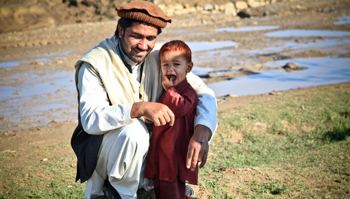
ICRC’s Hospital Support Program architecture deliberately included strong coordination with MoPH, including by setting up joint mechanisms on drug procurement and salary harmonization. With limited HR resources on the ground, the ICRC tabbed into the Government accountability mechanisms that were impossible to duplicate through parallel system in the short term and deprived the ICRC of an exit strategy and Afghanistan of a sustainable health sector.
- Carried out process monitoring of agreed activities of the project partners including indicators progress validated by field monitoring visits and cross checking through analytical reviews of deployed resources with proper record maintenance. The data collection and monitoring were under 4 modules: Hospital functionality verification, human resources, finance and patient satisfaction.
- Performed monthly evaluations to assess the project performance towards its defined milestones with feedback and validation from project beneficiaries and other stakeholders as per agreed work plan.
The objectives and monitoring needs of the ICRC were as follows:
- To create an independent Third-Party Monitoring platform for project progress and reviews.
- Monitor partner organisations’ performance through standardised monitoring tools and provide input for timely and accurate payments.
- Conduct a financial monitoring where hospitals are monitered by a checlist by budget line (stationary, HMIS forms, consumables, etc).This allowed to cross check money spent for different budget lines reported by each health facility against available receipts.
- Identify any shortcomings in the project delivery as per project framework.
- Support ICRC in achieving and enhancing effectiveness of the project through process monitoring and periodic reviews.
- Develop new monitoring tools / mechanism with mutual understanding to improve project monitoring and evaluations.
- Monitoring compliance with specified standards for input and key performance indicators to ensure program quality.
- Sample based quality assurance of project supplies and beneficiaries through survey.
- Interviews and surveys of intermediaries on sample basis with suitable intervals
- Beneficiary surveys for monthly reviews/evaluations;
- Review of financial and procurement records on monthly basis;
- Analytical reviews of data generated from various sources on monthly basis.
Main staff provided:
- Senior consultant Hospital Functionality Verification 264 wds
- Senior consultant Data management 264wds
- Senior consultant Drug Quality Assessment 264 wds
- Senior consultant Logistic and Administration Management 264wds
- Senior supervisor minilab testing 276wds
- Project Director 130wds
- Senior consultant Field work management 264wds
- Technical Coordinator 240wds
- Partners:
- Particip (Lead)
- Keywords:
- Health, Monitoring & Evaluation

The main objectives of this evaluation are to provide the relevant services of the European Union, the interested stakeholders with:
- an overall independent assessment of the past performance of the Partnership Instrument (PI) funded Policy Dialogues Support Facilities (PDSFs) to be evaluated, paying particular attention to the approach taken under the different PDSFs, as well as paying particular attention to the intermediate or final results measured against their expected objectives; and the reasons underpinning such results;
- key lessons learned, conclusions and related recommendations in relation to the PI approach and use of PDSFs and in order to improve current and future Actions.
The specific rationale for undertaking this evaluation is to assess the relevance, outcomes, and approach of PI funded Policy Dialogues Support Facilities (PDSFs), as well as the added value of the activities in strengthening EU’s partnerships/alliances and its position as a global player in the countries concerned, and reinforcing multilateralism, as expressed in the specific objectives of the PI.
This evaluation contract covers 13 actions. The work to be covered under this contract is a hybrid evaluation of individual actions and, drawing conclusions, recommendations and lessons learned, where possible, when looking at the package of these projects as a whole and the approaches taken on how to use the “SPDF approach” to influence effectively EU interests in the respective countries.
The focus of the evaluation is two-fold:
- On the assessment of the approach taken in relation to PDSFs under the different Actions, progress to date and, by explaining why progress is happening or is not happening as planned, provide recommendations on how to improve the approach in order to achieve the expected objectives of the PI, taking into account problems and opportunities.
- This evaluation will also serve to understand the performance of the Actions, its enabling factors and those hampering a proper delivery of results as to inform the planning of the future funded Policy Dialogues Support Facilities.
- Partners:
- Particip (Lead), Idem Concept
- Keywords:
- Monitoring & Evaluation
Provision of Third Party monitoring services for Sehatmandi Implementing Partners (UN CERF)
- 2021 – 2023
- € 2 – 5 million
- Afghanistan
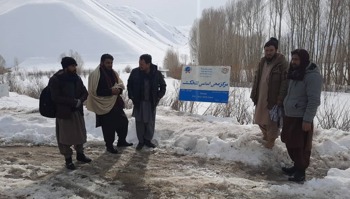
In the past 20 years Afghanistan worked hard to increase access to health services across the country, with remarkable progress. The Sehatmandi project introduced a performance management system for the service providers (SPs) of the BPHS/EPHS health services. This system was supported by an extensive independent Third-Party Monitoring program needed to hold service providers accountable and to monitor the availability and quality of services for better decision-making and allocation of resources. In light of the recent developments, it was crucial to maintain appropriate and accessible health services, which requires sufficient human resources and medical supplies. WHO/UNICEF jointly ensured the continuation of the health services in Afghanistan for an initial period of three months, starting on November 2021 until January 2022. To ensure effective performance monitoring of the health services provided and enable payments to SPs, Particip/KIT proposed to carry out TPM services.
I. HMIS Verification and HF functionality Assessment
Specific Objectives for Verification
- Verified the HMIS key performance output indicators (11 P4Ps), covering the period from November 2021 to January 2022.
- Verified the functionality, as defined per the minimum standards of services (MSS), set in the Afghanistan MoPH SoP for BPHS and EPHS, covering the period from November 2021 to January 2022.
- Verified the monthly salary payments for the health staff for the period from November 2021 to January 2022.
- Assessed the HMIS reporting performance (completeness, timeliness, consistency and accuracy) covering the verification period from November 2021 to January 2022)
Specific objectives for Assessing trends
- Assessed the HMIS reporting performance of the 11 P4P indicators (completeness, timeliness and consistency) during the period from July 2021 to December 2021).
- Assessed the functionality of BPHS and EPHS facilities implemented by contracted SPs (NGOs), and the level of compliance with the minimum standards of services, as defined in the Afghanistan MoPH SoP during the period from July 2021 to December 2021.
- Conducted trend analyses to assess the changes in the health services provided since July 2021 and the fluctuations overtime.
II. Drug Quality Assessment
Specific objectives
- Screened the quality of selected medicines in a representative national sample of public health facilities (BPHS and EPHS) supported by WHO/UNICEF during the three months of November 2021 to January 2022.
- Identified medicines that are not in compliance with quality standards and regulatory enforcement from both public sector facilities (BPHS and EPHS)
- Recommended appropriate regulatory actions and adjust pharmaceutical policies based on results of the quality screening of the medicines distributed in public and private sector
- To enhance local capacities to conduct cost-effective and sustainable drug quality assessment
Main staff provided:
- Field manager 338wds
- Finance officer 338wds
- Quality control officer 338 wds
- Logistics officer 338wds
- Deputy data manager 338 wds
- HR officer 338wds
- Office manager 338wds
- Support/admin staff 338wds
- Partners:
- Particip (Lead), KIT - Royal Tropical Institute
- Keywords:
- Health, Monitoring & Evaluation
Evaluation of Afghanistan WFP Country Strategic Plan 2018-2022
- 2020 – 2021
- under € 500,000
- Afghanistan
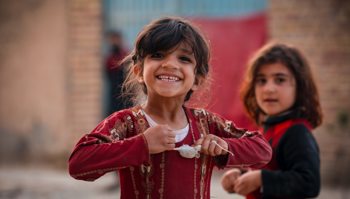
This independent evaluation of WFP Country Strategic Plan in Afghanistan assessed the strategic positionning, added-value and results of WFP operations in the Country from 2018 à 2021.
The evaluation served the double purpose of accountability (performance and result assessment) and learning (why certain results occurred or not, lessons and evidence for decision-making about a potential scale-up). It aimed at informing the design of the next CSP for Afghanistan and will be presented to WFP Executive Board in November 2022.
For the purpose of the evaluation, the evaluation team performed a documentary review, interviews with different stakeholders including WFP staff at HQ, regional and country level, WFP cooperation partners, ministries as well as focus group discussions and interviews with beneficiaries in Afghanistan.
CSP key sectors and activities included:
- Emergency Response (general distribution, CBT)
- Malnutrition treatment and prevention (food distribution, school feeeding)
- Resilience (Food for Asset, infrastructure rehabilitation) and support to small-holder farmers.
- Capacity Strengthening
- Cross cutting themes: Gender Equality and Women Empowerment (GEWE), Humanitarian principles and protection, accountability to affected populations (AAP)
The evaluation used a mixed-method approach that triangulated qualitative and quantitative data from a variety of sources. A field mission took place in Afghanistan in April 2021.
Report available here: https://www.wfp.org/publications/evaluation-afghanistan-wfp-country-strategic-plan-2018-2022
- Keywords:
- Agriculture, Food and nutrition, Humanitarian aid, Monitoring & Evaluation

Third Party Monitoring (TPM) under COVID-19 Emergency Response and Health Systems preparedness project
- 2020 – 2021
- € 500,000 – 1 million
- Afghanistan
As a response to the rapid spread of COVID-19 in Afghanistan and the call for humanitarian assistance, the World Bank has granted the Ministry of Public Heath (MoPH) of Afghanistan a project called “Afghanistan COVID-19 Emergency Response and Health System Preparedness project (ESHSP)”. The project’s main goal is it, to reduce the spread of COVID-19 and to prepare the countries national health systems for the pandemic and strengthen their capacities.
Overall objective:
The overall purpose of the consultancy services is to assess and monitor the performance and progress of COVID 19 contracts under Emergency Response and Health System Preparedness (ERHSP) Project with the implementing BPHS/EPHS partner, WHO and UNICEF.
Specific Objectives:
- assess and monitor die availability of staff and equipment’s, quality of services and readiness
- assess and monitor the compliance of implementing NGOs with the signed contracts
- assess and monitor the availability, functionality and effectiveness of RRTs at provincial level,
- assess and monitor the availability, functionality, effectiveness, sensitivity, simplicity of targeted laboratory centres
- assess and monitor the effectiveness simplicity, timeliness, data quality, data completeness, flexibility, usefulness, and acceptability of the surveillance,
- assess and monitor the supply chain management including timeline of medicine, equipment’s, PPE kits, consumable items and Lab reagents procured by UN (WHO and
UNICEF) at central, provincial and targeted HF levels,
- assess and monitor the quantity including (consistency and completeness) and quality of medicine, equipment’s, PPE kits, consumable items and Lab reagents at central, provincial and targeted HF levels,
- assess and monitor the availability and effectiveness of risk communication activities under ERHSP project,
- asses and monitor the implementation of infection prevention measures at COVID-19 wards/hospitals
Longterm: Shortterm:
K1 12 wm N1 228 wm
K2 12 wm N2 64 wm
N3 11 wm N8 1 wm
N4 30 wm N10 8 wm
N5 12 wm
N6 12 wm
N7 12 wm
N9 10 wm
- Partners:
- Particip (Lead), KIT - Royal Tropical Institute
- Keywords:
- Monitoring & Evaluation

Evaluation of ICI-Projects for the Department for the Americas and Asia
- 2021 – 2021
- under € 500,000
- Afghanistan, Bhutan, India, Nepal
The objective of the evaluation was to produce and provide objective and impartial information about five ICI (Institutional Cooperation Instrument) projects implemented in 2011 – 2020 in Afghanistan, Bhutan, India and Nepal. The evaluation covered a range of evaluation criteria and questions to be used by different evaluation stakeholders for the purposes of accountability, learning and informed decision-making.
The evaluation focused on the following projects:
- Capacity Buidling for Emission Measurements in India,
- Climate Modelling and Observations (CLIMOB) in India,
- Meteorology Sector Cooperation in Bhutan,
- Finnish-Nepalese Project for Improved capability of the Government of Nepal to respond to the increased risks related to the weather-related natural disasters caused by climate change (phase II and III)
- Geological Survey of Finland’s Support to Afghanistan Geological Survey (AGS, Afghanistan)
- Partners:
- Particip (Lead), Niras Finland Oy
- Keywords:
- Environment, Institutional development, Monitoring & Evaluation
Third Party Monitoring and evaluation of the health services for annual national health facility survey in the form of balanced scorecard (BSC), semiannual HMIS & Health Facility Functionality Assessments and Drug Quality Assessment (DQA) under Sehatmandi project
- 2019 – 2021
- € 5 – 10 million
- Afghanistan
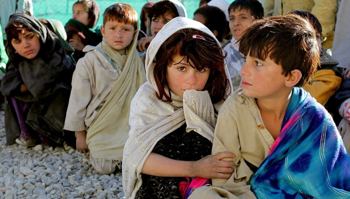
The overall purpose of the consultancy is to assess the performance and progress of health care system with focus on Basic Package of Health Services (BPHS) and Essential Package of Hospital Services (EPHS) implementation.
Particip conducted several assessments and surveys and disseminated the results.
1. Annual health facility surveys in 34 provinces including use of exit interviews to assess on citizen satisfaction.
2. Six monthly verification of Health Management Information System (HMIS) indicators for data quality assurance at the BPHS and EPHS levels as well as assess the functionality of hospitals and health facilities. This also served as verification of claims made by service providers under their contracts.
3. Assessment of the quality of essential medicines in a sample of BPHS and EPHS health facilities.
- Partners:
- Particip (Lead), KIT - Royal Tropical Institute
- Keywords:
- Health, Institutional development, Management, Monitoring & Evaluation
Second phase of EU Assistance and Training in Transboundary Waters for the Ministry of Foreign Affairs Afghanistan (ATTBW2)
- 2018 – 2021
- under € 500,000
- Afghanistan
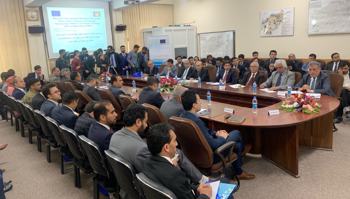
The specific objective was to increase the capacity of The Directorate General of Border Affairs, Transboundary Rivers and Security Cooperation (DGBSC) for high-level negotiations between Afghanistan and Iran (involving the Hari Rud and Helmand); Turkmenistan, Tajikistan and Uzbekistan (involving the Amu Darya); and Pakistan (involving the Kabul/Kunar).
Ancillary objectives included promoting peaceful regional cooperation and development and ensuring there is a reasonably sustainable training program in place for these matters at the MoFA Institute of Diplomacy.
- Provided on-going support and advice including, but no limited to, strategic, international legal and negotiation advice to MoFA and other involved Afghan Ministries within the scope of the Project.
- Researched, organized, conducted and promoteed a visibility campaign.
- Researched, organized and conducted an experiential learning strategic overview mission to one of the River Basins abroad, close to the Afghanistan context to facilitate both substantive learning and team building.
- Further researched, developed and successfully implemented the already existing Data Base and Training Course / Curriculum on International Watercourses.
- Significantly improved the substantive knowledge, skills and capacity of MoFA Staff through mentoring.
- Keywords:
- Environment, Institutional development
Evaluation of the EU's external action support in the area of gender equality and women's and girls' empowerment (2010-2018)
- 2019 – 2021
- € 500,000 – 1 million
- ACP (Africa), ACP (Caribbean), ACP (Pacific), DCI, ENI, ENI East, ENI South, IPA
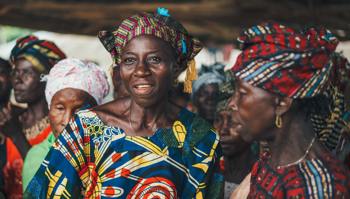
The main objective of this evaluation was to provide an independent assessment and evidence on the contribution of EU external action support in the policy area of gender equality and women empowerment (GEWE). In line with the EU policy on evaluation, this evaluation sought to be a stock- taking lesson-learning and forward-looking exercise, as well as an accurate assessment of achieved results in line with the objectives of the EU Gender Action Plan (GAP) II and other relevant overall policy frameworks for gender equality such as the new approach on Women, Peace and Security Agenda, Agenda 2030, the New European Consensus for Development.
Its specific objectives were the following:
- To assess in both qualitative and quantitative terms the relevance, conditions of implementation and performance of EU external action to promote GEWE and its mainstreaming, particularly its efficiency, effectiveness, sustainability, and the EU added value.
- To assess whether the EU's policy and operational response on GEWE in partner regions (EU Plans of Action on Gender Equality and Women’s Empowerment for 2010-2015 and 2016-2020) have triggered new approaches and rendered EU external action support more effective, targeted, gender-responsive and efficient.
- To assess: a) the coordination and complementarity of the European Commission services, the European External Action Service (EEAS) and EU Members States’ external action; b) the coordination and complementarity between EU external action support and other non-EU donors’ and actors’; c) the coherence of EU GEWE policy in external action with other relevant EU external policies; and d) the coherence of EU external action support with international commitments to GEWE.
The evaluation should lead to the identification of conclusions, lessons learnt (both positive and negative), good practices regarding the achievement of the intended GEWE-related results and the Commission, the EEAS and EU Member States with a set of targeted and useful forward-looking recommendations for the improvement of the programming and implementation.
Through the course of the evaluation, the evaluation team conducted 18 case studies (focusing on countries, regions and thematic areas) which were subject to an in-depth analysis, including 9 field visits. Both a ‘country-level’ and ‘global’ survey – covering EU services (HQ and EU Delegations/Offices worldwide), EU Member States, other development partners and Civil Society Organisations – were part of the data collection and analysis process. Findings from all evaluation activities were synthesized into a final report.
Final report available here: https://ec.europa.eu/international-partnerships/evaluation-eus-external-action-support-area-gender-equality-and-womens-and-girls-empowerment_en
- Keywords:
- Governance, Human rights, Monitoring & Evaluation
Evaluation of Finland's Country Strategy Modality in Fragile Situations
- 2019 – 2020
- € 500,000 – 1 million
- Afghanistan, Myanmar, Palestine, Somalia, Syria
The evaluation assessed the applicability and feasibility of the Country Strategy instrument in fragile contexts, given their specific challenges and requirements. It will draw evidence from the experience of Country Strategies in five contexts, namely Afghanistan, Myanmar, the Occupied Palestinian Territory, Somalia and Syria/Iraq, to draw wider findings and conclusions. It will cover the period 2012-2020, with the emphasis on more recent activity (2016 onwards) and its main body of work will be completed during the period March 2019-April 2020.
The evaluation’s specific objectives are as follows:
- To assess the coherence between the five country strategies and MFA internal strategies and multilateral influencing plans, as well as with the Finnish Development Policy Programme 2016;
- To assess the relevance of Finland’s co-operation in fragile situations, as supported by Country Strategies, to the needs of beneficiaries and to the complexities of the context, including adaptation over time (e.g. the ‘triple nexus’);To assess role of Country Strategies in supporting the appropriateness and feasibility of Finland’s policy dialogue in fragile contexts;
- To assess the appropriateness of multi-bi cooperation as the main channel for delivery in fragile contexts;
- To assess the extent to which Finnish development priorities, as articulated in Country Strategies, are prioritised within planning and implementation of multi-bi co-operation, including in ensuring that crosscutting objectives (the rights of the most vulnerable, gender equality and climate change preparedness and mitigation) are integrated as appropriate/feasible;
- To assess the extent to which Country Strategies have supported co-operation to be conflict sensitive and to adhere to international commitments relevant to fragile situations, such as the International Humanitarian Principles, Do No Harm and Accountability to Affected Populations;
- To assess the role of Country Strategies in supporting results achieved by Finnish co-operation, as far as they can be determined;
- To assess the role of Country Strategies in supporting Finland’s approach to partnership (including relationship-building, predictability and the adoption of a principled approach) in fragile contexts, particularly as perceived by external partners.
The report and other material are available at: https://um.fi/development-cooperation-evaluation-reports-comprehensive-evaluations/-/asset_publisher/nBPgGHSLrA13/content/evaluointiraportti-ulkoministeri-c3-b6n-maaohjelmien-soveltuvuus-hauraissa-maissa-ja-konfliktiymp-c3-a4rist-c3-b6iss-c3-a4-teht-c3-a4v-c3-a4-c3-a4n-ke/384998
- Keywords:
- Monitoring & Evaluation
Provision of Structural and Functional Review of Independent Directorate of Local Governance – Afghanistan (IDLG)
- 2019 – 2020
- under € 500,000
- Afghanistan
The United National Development Programme (UNDP) and Independent Directorate for Local Governance (IDLG) have been working on subnational governance together since the inception of the IDLG through the Afghanistan Sub National Governance Programme (ASGP).
The Local Governance Project-Afghanistan (LoGo) is a project, build upon the lessons from the ASGP. The project build on a theory of change aimed at improving service delivery by enhancing the accountability and transparency of the local governments to the women and men of Afghanistan and building the capacity of the local governments to plan, budget and monitor service delivery effectively with the ultimate aim of increasing the legitimacy of the government and the trust between the state and society.
The following areas are the main focus in this project:
• The improvement of the capacity of PGOs and Provincial Councils for the accountability and transparent service delivery.
• The ability for municipalities to generate more revenues and deliver improved services in a transparent, accountable and participatory manner. As well as the improvement of the oversight of civil society and citizens capacity of local governance.
• The improvement of IDLG’s ability to develop and implement policies to strengthen the local government accountability and service delivery
This structural and functional review is intended to be based on the future functions foreseen for IDLG in the new roadmap and those foreseen in decrees issued by the President of Afghanistan. The organizational review proposes a strategic framework in line with the new framework for sub-national governance reform for the IDLG and provides proposals for organizational and business process changes.
The results achieved are the following:
• A functional review of IDLG at the central level and local levels to prepare IDLG for the implementation of reforms foreseen in the new sub-national governance reform framework.
• Identification of new organizational structure for each directorate/department of IDLG at central, province and district level, taking into account, the new strategy and assuming zero Taskheel growth, followed by recommendations aligned with IDLG’s updated mandate.
• Identification of roles, responsibilities and business processes required at the strategic management and Unit/directorate levels, for the effective management of the modernized management of local governance affairs.
• A gap analysis that determines the extent to which IDLG is providing policy guidance and performance management for PGOs, DGOs, Municipalities and PCs.
• Identification of a performance framework for the transformed IDLG that identifies key outputs and outcomes, performance indicators and targets in line with the updated mandate.
• Provide a clear identification of the role of IDLG in the structure of the government of Afghanistan in line with its mandate, authorities and responsibilities.
• Mechanisms for the on-going development and performance management improvement of IDLG.

The main objective of the evaluation was to: ‘assess how coherently Finland’s development policy and its targets relating to forced displacement have been implemented and how the coherence could be enhanced’.
The evaluation covered the period 2012 until late-2018 which includes the two last Development Policy Programmes (DPPs) of 2012 (MFA 2012) and 2016 (MFA 2016), with emphasis on the latter part of the period.
The backdrop to this evaluation was the growing complexity of the drivers of forced displacement, the historically high numbers of those displaced and the increasingly protracted nature of displacement. These conditions constitute major global challenges for peace and security, human wellbeing and the 2030 Sustainable Development Goals (SDGs) amongst many other impacts.
This evaluation was a formative evaluation, steering the outputs towards a learning process, the main purpose of which was to increase knowledge, awareness and the operationalisation of the humanitarian development nexus (HDN) and the concept of forced displacement (FD) within the MFA. Aligning development cooperation and humanitarian assistance programming more effectively in relation to forced displacement expected to enhance PCD within the MFA and with its partners.
The Evaluation also served wider policy making intentions: it contributed significantly to the preparation of the MFA’s 2020 DPP, and it also contributed to increased knowledge on how to better promote the 2030 SDGs Agenda.
The three questions sought to ascertain: the overall understanding of and approach to FD and HDN and how it has evolved over the evaluation period 2012-18 (EQ 1); its adequacy and the scope of policy influence in this context (EQ 2); and the extent of policy coherence (EQ 3).
The evaluation undertook three country/regional case studies: Afghanistan, Jordan/Lebanon/Syria (covering the Syrian refugee crisis and termed MENA (Middle East and North Africa for short) and Somalia (in view of the MFA’s engagement in long-term displacement and development contexts).
The report and other material are available at:
https://um.fi/development-cooperation-evaluation-reports-comprehensive-evaluations/-/asset_publisher/nBPgGHSLrA13/content/evaluointi-pakkomuutosta-ja-kehityspolitiikasta/384998
- Partners:
- Particip (Lead), Indufor Oy - Metsahallitus Group
- Keywords:
- Civil society, Human rights, Humanitarian aid, Monitoring & Evaluation

Capacity Building for Results Facility (CBR) Services of an HR Firm
- 2018 – 2018
- under € 500,000
- Afghanistan
Particip reviewed and improved recruitment processes and procedures for CBR.
Furthermore, the team ensured prevention of financial loss to GoIRA which otherwise had needed to pay back salaries to ARTF in case of mis-recruitments.
Objectives of the Assignment were:
- Ensuring merit-based recruitment for CBR positions
- Ensuring smooth continuation of RQA for CBR positions
- Review and improve recruitment processes and procedures for CBR
- Prevention of financial loss to GoIRA (need to pay back salaries to ARTF in case of mis-recruitments)
- Keywords:
- Governance, Management, Project implementation / Technical Assistance

Capacity Building for Results Facility (CBR) Services of an HR Firm
- 2014 – 2018
- € 5 – 10 million
- Afghanistan
The Capacity Building for Results (CBR) Facility was a 5-year USD 350m reform and capacity building program, funded through the Afghanistan Reconstruction Trust Fund (ARTF). CBR was jointly implemented by the Ministry of Finance (MoF) and the Independent Administrative Reform and Civil Service Commission (IARCSC).
The Facility's objective was to improve the capacity and performance of selected line ministries. This was achieved through a series of capacity and institution building programs, which included systematic monitoring of and reporting on results such as the restructuring of ministries, implementing pay-and-grade reforms, improving budget execution and simplifying business processes.
In return for progress on these reforms, line ministries received resources to recruit, pay and manage skilled national staff. These national staff became part of the ministry’s professional civil service both at central and sub-national level.
- Particip supported the MoF and IARCSC in HR related tasks under the CBR, including supporting the preparation of ToR, recruitment, performance appraisal, checking credentials of applicants, and other due diligence activities in line with government law and procedures.
- Particip reviewed and improved recruitment processes and procedures, management and evaluation of performance, and assure transparent and effective HR processes.
- Particip developed an HR database and reporting system for progress tracking and control.
- Particip assisted development and implementation of a Mid-level Management Development Programme and Management Internship Programme.
- Partners:
- Particip (Lead), FCG Sweden (formerly Orgut & SIPU), Linpico
- Keywords:
- Education, Governance, Institutional development, Macro-economic/ National policy, Project implementation / Technical Assistance, Training

Assistance and Training in Transboundary Waters for the Ministry of Foreign Affairs (Afghanistan)
- 2017 – 2018
- under € 500,000
- Afghanistan
The overall objective of this contract is as follows:
To assist the Ministry of Foreign Affairs in undertaking dialogue with riparian neighbours and address issues related to transboundary waters in all its relevant watersheds to promote peaceful regional cooperation and development; and to ensure that there is a training program in place at the Institute of Diplomacy (Ministry of Foreign Affairs).
The specific objectives of the contract are as follows:
OS 1: To provide on-going assistance and support to the Ministry of Foreign Affairs, specifically the Directorate General of Border Affairs, Transboundary Waters and Security Cooperation, in matter related to transboundary waters.
OS 2: To build sustainable capacity within the Ministry of Foreign Affairs to address transboundary waters through the creation of a training course on international water law and transboundary waters which will be maintained and delivered by the Institute of Diplomacy. This includes conducting a Training of Trainers and overseeing the delivery of at least one training session. The training course should be made available to persons from other ministries, in particular Ministry of Energy and Water, and Ministry of Finance, amongst others.
OS 3: Develop resource data base for transboundary waters including treaties, MOUs, academic literature, and case studies which are pertinent to Afghanistan’s situation.
- Keywords:
- Environment, Project implementation / Technical Assistance, Training

Provision of Human Resource Deep Dive Audit for Recruitment and Human Resource Management of Ministry of Interior Affairs (MOIA) Senior Civilians
- 2018 – 2018
- under € 500,000
- Afghanistan
The “Offline” CBR mechanism, managed by UNDP provided an option to pay competitive salaries to up to 191 senior civilian officials requested for the MOIA, following established recruitment and selection guidelines.
Specific objectives of the HR audit were: to identify key challenges, lessons learned, and recommendations for strengthening the management, practices, and processes of recruiting qualified civilians in the MOIA.
As an HR Firm, Particip did an “end to end” in depth audit of the “Offline” Capacity Building for Results (CBR) Human Resource planning, recruitment, and management process of the (up to 191) MOIA Civilian appointments.
- Keywords:
- Governance, Management, Monitoring & Evaluation

AF-Kabul: DCI — production of two consecutive rounds of the national risk and vulnerability assessment, and provision of technical support to the Central Statistics Organisation
- 2013 – 2018
- € 2 – 5 million
- Afghanistan
The purposes of this contract were as follows:
- To generate, analyze and disseminate relevant, timely and reliable statistical information on the living conditions of Afghan households;
- To assure the transition from a project-based approach to NRVA to a recurrent program-based activity under full ownership of the Central Statistics Organisation (CSO) by building, training and involving the core departments and functions;
- Ensure consistency in the implementation of the NRVA with the framework set by Afghan National Statistic Plan and available funding mechanisms
- Partners:
- Icon Institute (Lead), Ecorys B.V., Particip
- Keywords:
- Governance, Monitoring & Evaluation

Evaluation of Election Observation Missions
- 2016 – 2017
- under € 500,000
- Afghanistan, Bolivia, Guinea (Conakry), Honduras, Kenya, Mozambique, Sri Lanka, Tunisia
The global objectives of the evaluation were:
a) to provide the relevant external and co-operation services and other impacted services of the EU (FPI, EEAS, DEVCO, NEAR) with an independent assessment of the achievement of the intended results of EU election observation missions and b) to identify key lessons and forward looking recommendations in order to improve future actions in this field.
The specific objectives of the evaluation were as follows:
a) The evaluation will assess EU election observation activities worldwide during the period January 2012–June 2016, using two of the standard five DAC criteria for evaluating Development Assistance, namely those of effectiveness and impact. As the evaluation should reflect a results-oriented management approach, these two DAC criteria were selected being the most relevant for this purpose.
b) The difference of this evaluation, compared to the wider one on the EIDHR in the context of the Mid Term Review Report, is that it is more focused on effectiveness and impact and takes also into consideration the beneficiaries' side with field visits of the evaluators in countries in which EU election observation has been conducted. This evaluation has also a shorter time span.
- Partners:
- GOPA
- Keywords:
- Governance, Monitoring & Evaluation