Kenya
28 references
Technical Assistance for the EU Kenya Dialogue Facility II
- 2025 – 2028
- € 2 – 5 million
- Africa
The overall objective of the project is to enable a strong strategic partnership between the EU and Kenya, including in the political, developmental, trade, investment and societal spheres. The purpose of the assignment is to enable policy dialogue, thereby enhancing mutual understanding and relations in the priority areas of the EU-Kenya partnership, with a gender-sensitive approach, as well as provide technical support to improve the relevance, quality, design, monitoring and implementation of cooperation actions under the EU-Kenya partnership.
As part of its scope, the project supports the implementation of the following:
a) The High Level Strategic Dialogue between the European Union and the Republic of Kenya, launched on 21 June 2021 b) The Kenya MIP 2021-2027, setting out the EU priority areas for Kenya c) Developmental actions emancipating from the Economic Partnership Agreement (EPA) d) The Team Europe initiatives e) The Global Gateway f) Public diplomacy activities
- Partners:
- Particip (Lead), GOPA PACE (ex B&S Europe SA)

Promoting the EU-Kenya Partnership through strategic communications
- 2025 – 2028
- € 1 – 2 million
- Kenya
The specific objective of the project is to measurably increase awareness and improve the perception of the EU’s Global Gateway priorities, their added value and positive impact on the lives of Kenyan citizens among key target groups.
The outputs of this contract are as follows:
- Output 1: Produce an evidence-based campaign strategy for the EU Delegation to Kenya covering online and offline media, including but not limited to social media, website, national press and media outlets, influencers, digital and physical advertisement and events.
- Output 2: Successfully implement value-driven and thematic campaigns of small and large scales.
- Output 3: As part of the campaigns, set up marketing activations to ensure direct engagement with young people in Kenya through social media, universities, and student groups.
- Partners:
- Particip (Lead), OXYGÈNE, Saracen, VO Europe SA
- Keywords:
- Communication & media
Supporting WFP’s Changing Lives Transformation Fund (CLTF) to Support Country Offices in the Design and Implementation of Impact Measurement Components
- 2023 – 2026
- under € 500,000
- Bangladesh, Chad, Kenya, Peru
The Changing Lives Transformation Fund (CLTF) of the World Food Programme (WFP) was established to provide selected WFP Country Offices (COs), via calls for proposals, with funding to better support governments to design and implement policies and programmes that improve the lives of the most vulnerable people.
The CLTF has three windows, under which a total of 10 country proposals were selected in 2023:
- Window 1: Transition (of populations from dependence on humanitarian assistance to increased self-sufficiency) - Chad, Kenya, Philippines.
- Window 2: Systems strengthening (better capacity and resilience of national programmes and systems) - Bangladesh, Iraq, Niger, Peru.
- Window 3: Climate adaptation - Ghana, Nicaragua, Tanzania.
For each window, the research team designed a global impact measurement framework comprising a theory of change, evaluation questions, indicators, and quantitative and qualitative methodologies for impact measurement. The team also assessed the feasibility of independent impact evaluations in all 10 country proposals.
5 COs were selected for further technical assistance for impact measurement: Chad and Kenya (under Window 1), and Bangladesh, Iraq and Peru (under Window 2). Together with each of these 5 COs, the team conducted research design workshops and developed country-specific concept notes on impact measurement questions and strategies. Finally, the team provided in-country support for baseline data collection and analysis to the COs in Chad, Kenya, Bangladesh and Peru.
- Partners:
- Particip (Lead), C4ED
- Keywords:
- Environment, Food and nutrition, Humanitarian aid, Monitoring & Evaluation, Training

Joint Efforts for a Green Future: Evaluation on Finland's Development Cooperation in Environment and Sustainable Use of Natural Resources and Private Sector Opportunities
- 2024 – 2026
- under € 500,000
- Global
This evaluation aims to provide the Ministry for Foreign Affairs (MFA) of Finland and its stakeholders with an in-depth understanding of the achievements, merits, and value of implementing the policy priority area on sustainable management and use of natural resources. It seeks to deliver evidence-based recommendations to enhance the effectiveness of Finland's engagement with this theme over the long term, while also increasing awareness of results achieved and lessons learned. Additionally, the evaluation will expand knowledge on environment and natural resources-related Sustainable Development Goals (SDGs), with particular attention to SDG 17 on partnerships.
The evaluation encompasses four standalone evaluations on four of the sub-sectors under Finland's ‘Climate and Natural Resources’ policy priority area: i) forests and biodiversity; ii) water resources management; iii) energy, circular economy and critical minerals; and iv) disaster risk reduction (DRR), including meteorology. A synthesis report integrates key findings from the four evaluation reports, explores interlinkages, provides meta-level insights, and identifies concrete opportunities for Finnish private sector engagement. The evaluation also examines digitalisation and data management in forestry sectors in Tanzania and Vietnam, as well as delves deeper into the energy sector in Ukraine.
Objectives:
Assess results, successes, and challenges in achieving the objectives of this policy priority area and its sub-sectors.
Provide a synthesis of outcomes and impacts, including early and emengrgi impacts.
Identify and analyse opportunities for engaging Finnish private sector actors in this work.
Develop practical, evidence-based recommendations for future policy and operational approaches, considering financial and resource constraints. This includes exploring the potential of geospatial data and geo-referencing for monitoring and evaluation purposes.
The evaluation focuses primarily on the OECD DAC criteria of effectiveness and impact, with a particular emphasis on tangible results and signs of impact from both ongoing and completed interventions.
- Keywords:
- Energy, Environment, Forestry, Industry & private sector development, Monitoring & Evaluation

Technical Assistance for EU-Kenya Dialogue Facility
- 2021 – 2026
- € 2 – 5 million
- Kenya
The overall objective of the project is to promote sustainable and inclusive development by strengthening the cooperation and partnership dialogue between the European Union (EU), its Member States and the Republic of Kenya. The purpose of the assignment is to enhance the partnership, dialogue, joint analysis and exchange of experience between Kenya, the European Union’s and the EU Member States’, identifying common strategic interests in prioritised areas, outlining ways forward, strengthening the concepts and image of cooperation.
As part of its scope, the project supports the implementation of the following:
a) The High Level Strategic Dialogue between the European Union and the Republic of Kenya, launched on 21 June 2021 b) The Kenya MIP 2021-2027, setting out the EU priority areas for Kenya c) Developmental actions emancipating from the negotiations for an Economic Partnership Agreement (EPA) d) The Team Europe Initiatives on the Green Deal and the Human-Centered Digitalization e) The Global Gateway f) Public diplomacy activities, including on the Global Gateway and on the Delegation’s strategic communication objectives, in line with the new EU guidelines on strategic communication 2022
Results being achieved:
- Result 1: Improved sectoral and crosscutting policy dialogue between the European Union, its Member States and Kenya with an increase in awareness and understanding of relations, including political, development, trade, investments, social and people to people relations,
- Result 2: Communication with and outreach to the Government of Kenya, European Union and its Member States representations in Kenya, external partners and other actors, and appropriate visibility of the partnership. This result will be achieved in coordination with the ongoing Communication and Visibility contract;
- Result 3: Policy dialogue plans and projects are managed and supported effectively.
Projects implemented via the Dialogue Facility include the following (project no. and title):
1 Concept note for the EU-Kenya Trade and Investment Conference
2 Narrative for the Team Europe (TE) Initiative on a Human-Centred Digitalization in Kenya
3 Narrative for the TE Initiative on the Green Deal with Kenya
5 Mapping of the Climate Smart and Sustainable Agricultural Value Chains' interventions of the EU and its MS and their impact towards making a Green Economy in Kenya
6 Paper and workshop on ongoing interventions in the EU Trust Fund-supported Cross-Border Programme
7 Support the development of the Kenyan Blue Economy Strategy and its outreach
10 Mapping of Civil Society Organisations (CSO) and Networks involved in the MIP and TE priority areas and way forward for a structured Dialogue with the EU in Kenya
11 Situational Analysis on potential Urban Housing Practitioners for an African Network and support the development of a Network Strategy with outreach
12 Trade for Sustainable Development Gap Analysis
13 Study on Data Protection for the Office of the Data Protection Commissioner (ODPC)
14 TradeMark Africa (TMA) Funding Analysis and Recommendations
15 Support to the EU-Kenya Business Forum - April 2023
16 Analysis of the Kenyan Government Manifesto
17 Registration of a European Business Organisation (EBO) in Kenya
18 Support to the Climate Finance pillar of the Africa Climate Summit 2023
19 Support to the Climate Resilience and Adaptation pillar of the Africa Climate Summit 2023
20 CSO Training on EU Financial Procedures (Mar 2023)
25 Moderation of the Blue Economy Session at the Kenya Devolution Conference 2023
26 Support the Review of the National Energy Policy
28 Development of a Strategic Plan (2023-2027) for the State Department for Gender and Affirmative Action
29 Technical Assistance for pre-study of EU support for a Greenhouse Gases Emissions Measurement, Reporting and Verification (MRV) System in Kenya
30 Economic Partnership Agreement (EPA) sensitisation, policy paper for the creation of an EPA Domestic Advisory Group, and organization of Strategic Dialogues on Trade and Investment
33 Support to Young African Climate Leaders' Delegation to COP28 (Nov 2023)
34 Support to Post EPA Signing Event
36 Support to Children and Youth Major Group (CYMG) for the Global Youth Environment Assembly 2024 in Nairobi
38 Organization of Team Europe Initiative (TEI) Workshop on Digitilization
40 Communication Strategy: Promotion ideas and marketing strategies to deliver a winning football-themed Europe day campaign in partnership with the government of Kenya and the EU Member States
41 Support for implementation of the children’s theatre play “Leo’s search for a New Home” (creating outreach content relevant to the Green Deal TEI and campaign, the EU-Kenya Green Partnership and the UNEA6)
42 Support function for the Donors Partner Group (DPG) Secretariat
43 Media support for BlueInvest Conference
44 Support Judiciary NCAJ AC Strategy
45 Africa Digitalisation perception study
50 Launch Event for EU – Kenya Energy Project, “Green Resilient Electricity System” (May 2024)
54 Concept Note for 2nd Kenya Business Forum 2025
55 Political Economy Analysis on Transparency and Accountability in Kenya
57 Technical Assistance in the Establishment of EuroCham Kenya
60 Expert Assessment of gaps and needs for investment in digital infrastructure for last mile connectivity in Kenya
61 Drafting EPA Implementation Strategy for Kenya
62 Digital Skills
63 Anti-Counterfeit ACA
64 60 year diplomacy
65 Cradle Camp Turkana
66 EU Kenya Buisness Forum Event
67 CRA grant proposal
68 Borderlands programme
- Partners:
- Particip (Lead), Tetra Tech NL
- Keywords:
- Agriculture, Civil society, Communication & media, Environment, Governance, Rural and urban development, Trade
Monitoring Contract for T05-EUTF-HOA-KE-69
- 2024 – 2025
- under € 500,000
- Kenya
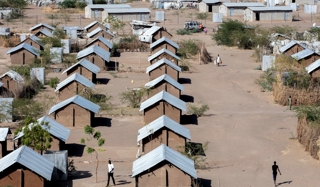
This project aimed to learn from EU programme implementation in support of refugees and host communities and obtain an assessment of results reported under programme T05-EUTFHOA-KE-69 ‘Enhancing self-reliance of refugees and host communities’, while improving in programme monitoring and evaluation frameworks with the aim of enhanced effectiveness and efficiency of future implementation.
Specific objectives:
- Through third party monitoring (TPM) of EUTF-funded projects T05-EUTF-HOA-KE-69-01 and T05-EUTF-HOA-KE-69-02 in Kakuma and Dadaab, verify results reported thus far by IPs;
- Improve the monitoring system of ongoing EU actions under decision T05-EUTF-HOAKE-69, through hands-on support to EU implementing partners;
- Collection of strategic end-line data of EUTF projects assessing the degree of self-reliance of project participants.
- Partners:
- Particip (Lead), Altai
- Keywords:
- Humanitarian aid, Monitoring & Evaluation
The overall objective of this assignment was to contribute to improving the electoral and democratic framework of Kenya during the inter-election period and raising awareness and understanding of the EU EOM recommendations and technical issues related to their implementation. In general, an EFM supports the consolidation of democracy, institution-building and democratic elections in Kenya in the context of the implementation of the 2022 EU EOM recommendations.
The specific objectives of the Mission included:
- Assess the state of play of the implementation of the recommendations of the 2022 EU EOM to Kenya;
- Assess any electoral reforms adopted since the last EOM or which are under consideration (e.g. draft legislation) or planned and the degree to which these reflect EOM recommendations and their alignment with international standards for democratic elections;
- Identify which EOM recommendations are most relevant to the prevailing country situation and the current phase of the electoral cycle;
- Generate additional impetus for – or contribute to ongoing debates on – electoral reform;
- Identify areas of agreement and disagreement on EU EOM recommendations among the stakeholders and any political, technical, financial obstacles to electoral reform;
- Propose actions to overcome obstacles to electoral reform, including measures to develop support for and national ownership of the recommendations;
- If helpful and requested, assist the EU Delegation, EEAS and INTPA in their assessment on whether ongoing cooperation and conflict prevention projects are addressing the recommendations made by EU EOMs. Based on a brief overview of existing programmes, provide needed information to support identification of potential additional election/democracy support action that could contribute to strengthening the implementation of the recommendations and/or to the overall improvement of the electoral framework;
- Contribute to analysis by the EU Delegation, EEAS and INTPA with information to originate any other possible EU actions that could contribute to strengthening the implementation of the recommendations and/or to the overall improvement of the electoral framework;
- Prepare/update with EU Delegation a follow-up plan to EU EOM recommendations.
- Keywords:
- Elections

Draft writing of the Kenyan Energy Policy Review
- 2024 – 2025
- under € 500,000
- Kenya
This project focused on supporting the Kenyan Ministry of Energy and Petroleum (MoEP) in reviewing and updating the National Energy Policy (2018) to align with emerging energy technologies and the country's ambitious climate goals. Specifically, the project provided technical assistance in drafting a new energy policy that promotes renewable energy, energy efficiency, and clean technologies. Key activities included organizing stakeholder consultations, synthesizing inputs from various sectors, and drafting a comprehensive policy document that reflects Kenya’s vision for a 100% renewable energy transition by 2030 and a 32% reduction in greenhouse gas emissions. The project was supported through a Team Europe approach and collaborated with international partners, including IRENA, to ensure the effectiveness and coherence of Kenya's new Energy Policy.
Meta-analysis of Country Programmes 2021–2024
- 2023 – 2024
- under € 500,000
- Global
The purpose of the meta-analysis of the 2021-2024 Country Programmes in Finland's 10 partner countries was to support the achievement of Finland’s development policy objectives in the partner countries, and to provide information for the further development of the Country Programmes and their implementation at the strategic level. The meta-analysis and its recommendations supported the regional departments in the programming of the next generation of Country Programmes, and in their subsequent management.
The meta-analysis comprised a desk review of available information and stakeholder feedback (phase 1) as well as self-assessment workshops with each country team, to assess contributions to results and to discuss further scenarios.
The specific objectives of the analysis were:
1. To synthesise key developments in the 10 partner countries with relevance for the respective Country Programmes
2. To assess the degree and usefulness of adaptive management of the Country Programmes during the current programme cycle
3. To assess the degree to which Country Programmes have contributed to intended (or unintended) Country Programme results and to analyse the factors explaining these contributions (or the absence of contributions)
4. To assess the sustainability of Country Programme results
5. To assess the value-add of Country Programmes compared to planning and implementing separate projects
6. To support the preparation of the next cycle of Country Programmes
- Partners:
- Particip (Lead), NIRAS
- Keywords:
- Monitoring & Evaluation
Employment and Skills for Development in Africa (E4D) - Promoting employability of youth, specifically young women, in technical professions
- 2021 – 2023
- € 1 – 2 million
- Kenya
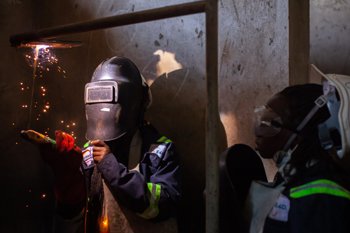
The main goal of this project is to entail skills development through classroom and practical training in the training institution’s workshop after which the trainees will be matched to companies for attachments for real work environment practical training. Thereafter, trainees will be supported to transit into jobs.
The project targets to support the training of 720 youth in the KNQA level IV courses in the 3 years, at least 70% of whom must be women. It is implemented in 3 different regions of Kenya (Coast, Central and Nairobi region), where four institutions have been selected to offer the courses.
As a core element, the project works jointly with the TVET institutions to identify suitable cooperation formats with the private sector to increase labour demand and improve access to jobs and economic opportunities for the youth in Kenya, by establishing linkages and partnerships between vocational training institutions and companies.
Work package 1: Community gender roles sensitization forums, mobilization of Trainees:
In collaboration with TVET institutes, the project mobilises trainees to participate in competency-based education and training (CBET) courses. This includes engagement with community leaders and other influential groups to sensitize about the potential of women in TVET and technical career pathways.
Work package 2: Sponsorship funds management:
The project supports vulnerable trainees pursuing the CBET courses, covering tuition fees and stipends. This is made through local subsidies with thee four selected training institutions.
Work package 3: Industry sensitization forums and job placements:
The project organises sensitization workshops with local industry players in order to encourage them to provide practical training opportunities (attachments) and jobs for the graduates. The project organises job fairs and learning round tables to facilitate networking and share experience. The project provided training on entrepreneurship and work readiness skills to trainees to facilitate (self-)employment.
Work package 4: Project sustainability:
The project provides capacity building of training institutions on mobilisation and enrolment into the CBET courses. Lessons learnt and best practices are documented and shared at national government level.
- Keywords:
- Project implementation / Technical Assistance

Evaluation of the European Union support to Rule of Law and anticorruption in Partner Countries (2010-2021)
- 2021 – 2023
- € 500,000 – 1 million
- Burkina Faso, Congo (Kinshasa), Guatemala, Jamaica, Kenya, Kyrgyzstan, Mali, Myanmar, Niger, Nigeria, Philippines, Viet Nam
The general objective of this evaluation is to provide an independent assessment of the performance of EU support to the Rule of Law (RoL) and Anticorruption in the period 2010-2021 in INTPA partner countries, funded under DCI, EDF, EIDHR, IcSP, CSO and relevant Trust Funds. The evaluation seeks to be a stock-taking and forward-looking exercise but will focus on learning i.e. the identification of key lessons on what has and has not worked and why.
In addition, the specific objectives for this evaluation are:
- To assess the EU support to independent, effective and efficient justice systems, notably a) legislative processes (legality), b) legal certainty and access to justice; and c) equality and accountability before the law, in terms of its impact on good governance (including stability, human rights and democracy, environmental governance and business climate).
- To look at actions aimed at promoting anti-corruption, public accountability and transparency, improving the justice systems and enforcing the principle of separation of powers.
- To pay specific attention to the inclusion of different groups (political, ethnic, religious, etc.), women and youth in decision making at all levels.
- To gather insights on the extent to which the different tools, instruments and modalities used in the EU response have been beneficial in providing effective support to partner countries and the interactions and coherence of those, notably of policy and political dialogue.
- To evaluate the rationale of the EU in these supports to RoL, as well as risk mitigation measures and the impact of policy dialogue, not least on societal and state resilience.
- To produce recommendations for decision-makers in DG INTPA, FPI, DG NEAR, DG ECHO, DG Trade, DG JUST and EEAS on how to improve the EU’s policy strategy and implementation.
The temporal scope of the evaluation is 2010 to 2021, with a particular focus on the previous MMF (2014-2020). The evaluation will focus on the support provided to core state institutions and civil society organisations, specifically: state institutions and oversight bodies, justice institutions, anti-corruption agencies, civil society and human rights institutions.
- Partners:
- Particip (Lead), ECDPM
- Keywords:
- Justice/Rule of Law, Monitoring & Evaluation

The main purpose of this exercise is to produce an independent assessment of the past and current support of the EU in food and nutrition security, sustainable agriculture and fisheries at country, regional and global levels. The evaluation aims more specifically at:
- Informing strategic decisions on the implementation and future mid-term review of the new Multi-annual Financial Framework (MFF);
- Improving cooperation with EU partners under the new MFF and in the light of the new EU Sustainable Agri-Food Systems (SAFS) approach;
- Nurturing the design of new interventions in support of Agri-Food Systems transformations;
- Guiding choices for scaling up and replicating innovative/pilot approaches.
The evaluation covers non-spending (e.g., policy dialogue and advocacy) and spending activities funded under geographic (DCI Latin America, DCI Asia, EDF for Africa and Pacific and Caribbean) and thematic financing instruments (DCI-FOOD, DCI-ENV/DCI-GPGC, etc). The analysis considers interventions financed through other thematic budget lines such as the DCI-CSO&LA, and the Trust funds (e.g. the EU Trust Fund for Africa, Trust Fund Bêkou, Trust Fund for Colombia).
The temporal scope focuses on the MFF 2014-2020 and considers any major developments that occurred in 2021.
The geographical scope of the evaluation is essentially worldwide, but in practice will focus on 59 partner countries for which food and nutrition security or sustainable agriculture have been a priority sector in the previous MFF (2014-2020). A thorough selection of case studies identified a representative and evaluable sample of countries: Niger, Kenya, Malawi, Colombia, Haiti and Cambodia.
Following the 2020 4th Biennial Report and the 2019 EU Achievements Report, four EU priorities for addressing the challenges of food and nutrition security, as well as sustainable agriculture, are at the heart of the evaluation:
- Enhancing the resilience of the most vulnerable to food crises;
- Fostering specific nutrition outcomes;
- Increasing responsible investments in agriculture and food systems;
- Stimulating innovations for sustainable agri-food systems.
- Partners:
- Particip (Lead), AKADEMIYA2063, ECDPM, KIT - Royal Tropical Institute
- Keywords:
- Agriculture, Environment, Food and nutrition, Governance
The Somalia Country Programme (2019-2023) and Peace and Stabilisation Programme (2018-2022) operated in a political challenging and fluid context. In order to ensure proper tracking of the engagements and their developments, progress and results, both programmes, were receiving assistance in ensuring the necessary quality assurance of the management of the result frameworks, theory of change and the risks identified and reporting by setting up and running a robust monitoring and reporting system.
The overall objective of the Assignment was to support the Client in:
- establishing and facilitating a functioning MEAL including risk management system for the two programmes and their engagement documents based on an improved result framework, theory of change and risk set up in order for the Client to strengthen programme efficiency and effectiveness, facilitate learning and ensure informed decision-making by the Client and its partners related to the implementation and development of the programmes; and
- communicating to both the Somalia and Danish general public and other identified recipients, relevant achievements and results obtained by the two programmes.
The overall objective of the Somalia Country Programme (2019 – 2023) (SCP) was to contribute to: “Basic building blocks put in place for the development of a resilient, stable and peaceful Somalia based on responsive and inclusive governance and a growing and poverty-reducing economy”. The SCP contained three Thematic Programmes (TPs):
1) Strengthen resilient, responsive and inclusive governance able to deliver basic services and to promote and protect fundamental human rights.
2) Develop an enabling economic environment through core economic institutions and regulations and strengthen inclusive private sector led development and economic growth through critical and diversified livelihoods.
3) Develop protection and safety nets to enhance resilience, enable durable solutions and reduce forced displacement.
The main objective of the Peace and Stabilisation Programme (2018-2022) (PSP-HoA) was “improved peace and stability in the Horn of Africa by strengthening local, national and regional actors’ capacity and ability to manage conflict and insecurity, counter threats and exercise legitimate authority”. The PSP-HoA had three overriding Thematic Programmes (TPs):
1) Strengthened regional conflict management capacity and efforts of the actors engaged in promoting stabilisation and security in Somalia
2) Reduced levels of violent extremism in the Horn of Africa with a particular focus on Somalia through prevention and disengagement..
3) Improved capacity to exercise regional and governmental authority across land and maritime borders.
- Partners:
- Particip (Lead), Dansom
- Keywords:
- Monitoring & Evaluation
Strengthening the Policy Frameworks for Transboundary Water Resources Management in the Nile Basin
- 2020 – 2022
- under € 500,000
- Burundi, Congo (Brazzaville), Egypt, Ethiopia, Kenya, Rwanda, South Sudan, Sudan, Tanzania, Uganda
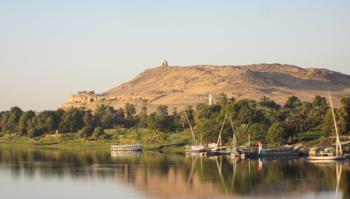
The Nile Basin Initiative (NBI) is a partnership of the 10 Nile Basin riparian states with a shared vision objective to promote sustainable socio-economic development through the equitable utilization of and benefit from the shared Nile Basin water resources. Nile Basin countries face increasing challenges of meeting the requirements of their rapidly growing populations in the face of dwindling resources that are threatened by emerging pressures like climate change, land use change and degradation, urbanization, etc. The challenges result in increased efforts at utilization of the Nile waters for agricultural, domestic, industrial and environmental purposes. Countries are embarking on large-scale developments for water utilization and water-related use in riparian countries which have major implications for current and future availability of water resources.
The assignment took the basin perspective and looked at the transboundary governance mechanisms in place. Especially national level arrangements such as policies and Transboundary Water Management (TWM) units served the various transboundary mechanisms a country subscribes to at the same time.
The objective was to facilitate and document a joint review and learning process on provisions for transboundary cooperation in national policies and related institutional arrangements.
The primary work of the project consisted of the following tasks:
- Task 1: Finalization of the NBI Policy Handbook
- Task 2: Guidance Document on key TWM principles for national water policies
- Task 3: Review of experience and mapping of cross-border cooperation arrangements in Nile Basin
- Task 4: Review of experience of the national level organizational arrangements for TWM
- Task 5: Collaborative assessment of progress of implementation of TWM principles in
National Water Policies
- Task 6: Action plan for transboundary water policy at national and regional level
- Task 7: Policy Synthesis Report – Status of TWM governance and Implementation of
SDG 6.5.2. in the Nile Basin
- Task 8: Blended Learning Module
- Prepare and facilitate Policy Roundtables
- Keywords:
- Environment, Training
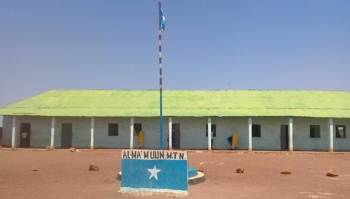
The objective of the Third Party Monitoring and Evaluation activity was to monitor and evaluate the execution and implementation of EU funded projects in Somalia. Monitoring missions were carried out in all the regions of Somalia, including direct field visits in all the locations where the project activities were being implemented. Suitable methods for the monitoring were being developed, taking into consideration the security situation and political context.Findings and suggestions for improvement in programme management and results delivery were being delivered for each monitored project.
In addition to monitoring and evaluation of the projects, support was provided foridentification and formulation of new EU programmes/projects, which could best contribute to the broader EU cooperation strategy and development in Somalia. The project provided sector wide linkages, achievements, lessons learned, recommendations to inform future programmes.
The result to be achieved were as follows:
- Result 1: Provide specific monitoring reports on the implementation progress of ongoing EUTF & EDF priority projects. These reports should clearly reflect relevance, effectiveness, efficiency, sustainability and impact, conclusions and any other relevant information collected during the monitoring mission.
- Result 2: Recommendations, and where relevant, improved indicators of outputs, outcomes and impact that can be applied in the remainder of the implementation of the projects.
- Result 3: Share with the EU, Somali authorities and implementing partners the lessons learnt, achievements and best practices on a sector wide level in a user-friendly accessible manner.
- Partners:
- Particip (Lead), Axiom ME, Dansom
- Keywords:
- Monitoring & Evaluation, PCM / Logframe
This evaluation assessed how Finland’s objectives related to economic development, job creation and livelihoods, manifested in the Priority Area 2 (PA2), but not only limited to it, are being fulfilled through the various thematic approaches, cooperation modalities and funding instruments. An essential aspect of the evaluation was to provide guidance on how Finland might tailor its efforts, elaborating on what Finland’s strengths and “unique competencies” are in the division of labour in the donor community. Included in the Evaluation were also Finland’s Private Sector Instruments (PSI), i.e. Finland’s Development Finance Institution, Finnfund, the seed-funding and match-making programme Finnpartnership (FP), the innovation focused Business with Impact (BEAM) programme and the mixed credit scheme Public Sector Investment Facility (PIF).
The evaluation’s specific objectives were as follows:
- To assess to what extent and how the objectives of the Priority Area 2 on economic development, jobs and livelihoods are being achieved and how relevant and effective the interventions have been in relation to partner country needs.
- To determine what the Ministry of Foreign Affairs can learn from its peer organisations, especially the Nordics as well as from emerging international 'best practices' for more relevant, effective and coordinated support for economic development, jobs and livelihood opportunities.
- To suggest how the effectiveness of Finnish development cooperation related to economic development can be be further developed, including if and how the Results-based Management system can be strengthened.
The evaluation entailed the following:
- Mapping of the PA2 portfolio and the Private Sector instruments in order to investigate what Finland in fact has been doing 2016-2019 in this respect;
- Assessing what have been the results of these interventions in terms of improved economies and more jobs and livelihood opportunities in particular for women, youth and the poor;
- Looking deeper into certain sectors/themes of the PA2 portfolio of specific interest either due to overall significant resource flow under PA2 (energy); perceived comparative advantage by Finland (innovation); policy concern by MFA (women economic empowerment and taxation).
The final report is available here: https://um.fi/publications/-/asset_publisher/TVOLgBmLyZvu/content/evaluointiraportti-suomen-tuki-kumppanimaiden-talouden-vahvistamiseksi-ty-c3-b6paikkojen-luomiseksi-ja-toimeentulon-parantamiseksi/384998
- Partners:
- Particip (Lead), NIRAS
- Keywords:
- Industry & private sector development, Macro-economic/ National policy, Monitoring & Evaluation

Evaluation of the Results-Based Financing for Low Carbon Energy Access Facility (RBFF) within Energising Development (EnDev)
- 2015 – 2020
- € 500,000 – 1 million
- Global
The overall objective was to evaluate the Results-Based Financing (RBF) for Low Carbon Energy Access Facility within the Energising Development (EnDev) Programme. The specific purposes of this evaluation were (i) to assess the performance of the RBF Facility over the period 2012-2020 against key OECD/DAC evaluation criteria, (ii) to understand and disseminate what had worked in which circumstances and why, and (iii) to derive lessons learned and recommendations for future programmes in RBF, energy access support through private sector development, and climate finance more broadly.
EnDev piloted an RBF scheme offering incentive payments to private sector market actors in the low-carbon off-grid energy sector in developing countries. Payments were made against pre-specified results achieved in delivery and sustainable operation of modern energy technologies and services.The aim of the RBF Facility within the global EnDev programme was to (i) increase access to modern energy services in developing countries (including vulnerable groups) (ii) through the use of decentralised renewable energy products and services, (iii) delivered as market-based approaches through private sector actors.
The scope of the evaluation encompassed 17 different RBF projects within the global EnDev programme. The evaluation focused on market changes and private sectors responses – such as market efficiency, business development, distribution strategies and technology adoption –, but also analysed the consumer perspective and the interaction with sector policies and regulation by national governments.
Outputs included:
- Inception Report.
- Baseline Report (review of existing baseline studies).
- Internal Process Review.
- A Mid-term Evaluation, including a set of project evaluations and a portfolio review.
- Deep impact studies of one selected country project in Tanzania.
- A cross-portfolio survey targeting RBF participants.
- Final Evaluation, including a set of project evaluations and a portfolio review.
- Concept notes for the various evaluation products.
- Networking conferences with individual projects to foster knowledge-sharing and learning experiences based on the above products and between projects.
Nine countries were targeted for field and remote evaluation: Bangladesh, Benin, Cambodia, Kenya, Peru, Rwanda, Tanzania, Uganda, Vietnam.
- Partners:
- Particip (Lead), Arepo Consult
- Keywords:
- Energy, Industry & private sector development, Monitoring & Evaluation

Evaluation of Finnish Development Policy Influencing Activities in Multilateral Organisations
- 2019 – 2020
- under € 500,000
- UN
The purpose of this evaluation was to assess the relevance and effectiveness of different types of multilateral influencing activities implemented by the Ministry for Foreign Affairs of Finland (MFA), and to provide guidance on how to further strengthen them.
The evaluation used a theory-based approach which allowed for systematic analysis of multi-causal relationships between influencing activities, effects, and further changes in Multilaterals. Overall, 23 multilateral partner institutions of the MFA were covered, and eight of those were studied in more depth: the World Bank Group (WBG), the United Nations Population Fund (UNFPA), the United Nations Children’s Fund (UNICEF), the World Food Programme (WFP), the United Nations Entity for Gender Equality and the Empowerment of Women (UN Women), the International Fund for Agricultural Development (IFAD), the Food and Agriculture Organisation of the United Nations (FAO), and the International Trade Centre (ITC).
The evaluation’s specific objectives were as follows:
- to assess how Finland has managed to promote Agenda2030 and Finland’s Development Policy objectives in the multilateral partner organisations;
- to assess the influencing activities, means and ways used;
- to provide guidance in elaborating the new influencing plans (work in progress);
- to assess the human and financial resources available for influencing activities;
- to assess the usefulness and feasibility of having the influencing plans;
- to assess various influencing means and Finland’s best opportunities to influence (Headquarters of multilateral organisations, country offices, multi-bi projects etc.) taking into account available resources;
- to assess the Theories of Change of the influencing strategy plan (when available) and give guidance for the possible revision to better meet the objectives of Finnish Development Policy.
The final report is available here: https://um.fi/publications/-/asset_publisher/TVOLgBmLyZvu/content/evaluointiraportti-ulkoministeri-c3-b6-vaikuttaa-monenkeskisten-j-c3-a4rjest-c3-b6jen-toimintaan-1/384998
- Partners:
- Particip (Lead), Niras Finland Oy
- Keywords:
- Institutional development, Management, Monitoring & Evaluation
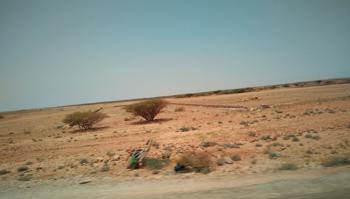
The main objective of the assignment was to help ensure that Somalia Country Programme results are achieved as planned. This advisory support purpose was two-fold:
- Particip provided continuous systematic, structured and strategic management information based on the Somalia Country Program, including the Thematic Programmes and the Development Engagements (DE), as well as the Monitoring & Evaluation systems of the DE partners.
- Particip increased the capacity of the Embassy’s DE partners with regards to Results Based Management, including M&E and risk management.
Other project objectives included:
- Support the “whole of country programme” approach by identifying the need for, and facilitating the operation of, networks/groups drawn from across the programme and engagement partners to address specific development problems including those identified through M&E reports.
- Monitor, over the life of the programme, the effectiveness of the design and management arrangements for the Country Programme, and develop and disseminate learning tools (papers, guidelines, toolkits etc.) to inform future country programme design in Somalia.
- Provision of technical follow up on specific issues/problems identified through M&E reports, as requested by the programme committee and subject to resource availability; such as value for money audits; investigation and analysis of under-performance; mentoring of partner staff in M&E techniques.
- Support to the refinement and revision of the results framework, in close association with programme partners, including assuring realistic and measurable indicators so that programme progress can be accurately documented at the outcome level. At the impact level, the M&E Support Team will support the development of the needed methodologies to ensure that the Danish contribution to the national level impact indicators is possible to assess.
- Partners:
- Particip (Lead), Axiom ME, Integrity
- Keywords:
- Governance, Monitoring & Evaluation, Training
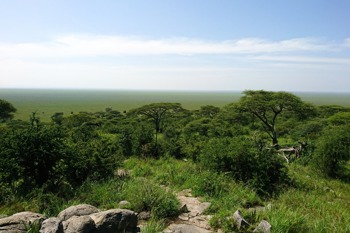
Evaluation of the Agriculture, Rural Development and Forest Sector programmes in Africa
- 2018 – 2019
- under € 500,000
- Africa
The objective of the evaluation was to identify relevant and effective approaches, methodologies, instruments in the Agriculture, Rural Development and Forest sectors’ interventions to support the implementation of current programmes and the planning of possible future cooperation in the Agriculture, Rural Development and Forest Sector.
The evaluation was based on a selection of eight Finnish bilateral programmes in agriculture, rural development and forest sectors in Africa. They represent different approaches, methodologies, ecosystems and geographical areas in Kenya, Tanzania, Zambia, Mozambique and Ethiopia. However, all selected programmes focused on improving livelihoods and reducing poverty through agriculture or forest sector development, providing institutional support and capacity building, and contributing to socio-economic development.
The main issues to be addressed were:
- How can Finnish co-operation efforts best contribute to the achievement of the SDGs – as well as other relevant international agreements – through ARDF sectors making optimal use of its comparative advantages?
- Under what conditions can a value chain approach increase finance and investment in sustainable forestry and agriculture- while benefiting final beneficiaries in a sustainable way?
- How can cross-cutting objectives and HRBA be successfully integrated and implemented, in such a way that they support achievement of the Finnish development cooperation objectives and objectives of the projects?
- What are key success factors for achievement of ’reduced poverty and inequality’, in particular in terms of benefits for women, vulnerable groups, and small and medium-size farmers?
- How can investment in sustainable land use and land management be made inclusive of smallholder and community needs while being attractive to investors at the same time?
- Which implementation approaches are most appropriate - in terms of scale, modality/instrument, channel and/or implementing organisations in future?
- What type of monitoring and evaluation system is most appropriate for outcome monitoring of Finnish projects in the context of wider support for achievement of SDGs?
- How have the lessons learnt from other donors and development organizations been taken into account or implemented at project level and what kind of approaches do the organizations have for future challenges in the sector?
- How can ’Finnish added value’ in the AFRD sector be realised (e.g. through access to Finnish markets and expertise or to Finland’s experience in creating a favourable business environment)?
The final report is available here: https://um.fi/publications/-/asset_publisher/TVOLgBmLyZvu/content/evaluointi-maatalous-maaseutukehitys-ja-metsasektorin-kehityshankkeista-afrikassa/384998
- Partners:
- Particip (Lead), Niras Finland Oy
- Keywords:
- Agriculture, Environment, Forestry, Governance, Monitoring & Evaluation

The main objective of the evaluation was to: ‘assess how coherently Finland’s development policy and its targets relating to forced displacement have been implemented and how the coherence could be enhanced’.
The evaluation covered the period 2012 until late-2018 which includes the two last Development Policy Programmes (DPPs) of 2012 (MFA 2012) and 2016 (MFA 2016), with emphasis on the latter part of the period.
The backdrop to this evaluation was the growing complexity of the drivers of forced displacement, the historically high numbers of those displaced and the increasingly protracted nature of displacement. These conditions constitute major global challenges for peace and security, human wellbeing and the 2030 Sustainable Development Goals (SDGs) amongst many other impacts.
This evaluation was a formative evaluation, steering the outputs towards a learning process, the main purpose of which was to increase knowledge, awareness and the operationalisation of the humanitarian development nexus (HDN) and the concept of forced displacement (FD) within the MFA. Aligning development cooperation and humanitarian assistance programming more effectively in relation to forced displacement expected to enhance PCD within the MFA and with its partners.
The Evaluation also served wider policy making intentions: it contributed significantly to the preparation of the MFA’s 2020 DPP, and it also contributed to increased knowledge on how to better promote the 2030 SDGs Agenda.
The three questions sought to ascertain: the overall understanding of and approach to FD and HDN and how it has evolved over the evaluation period 2012-18 (EQ 1); its adequacy and the scope of policy influence in this context (EQ 2); and the extent of policy coherence (EQ 3).
The evaluation undertook three country/regional case studies: Afghanistan, Jordan/Lebanon/Syria (covering the Syrian refugee crisis and termed MENA (Middle East and North Africa for short) and Somalia (in view of the MFA’s engagement in long-term displacement and development contexts).
The report and other material are available at:
https://um.fi/development-cooperation-evaluation-reports-comprehensive-evaluations/-/asset_publisher/nBPgGHSLrA13/content/evaluointi-pakkomuutosta-ja-kehityspolitiikasta/384998
- Partners:
- Particip (Lead), Indufor Oy - Metsahallitus Group
- Keywords:
- Civil society, Human rights, Humanitarian aid, Monitoring & Evaluation
Technical Assistance for EU Joint Programming in Kenya, Phase II
- 2017 – 2019
- under € 500,000
- Kenya
The global objective was to facilitate EU + EU MS in Kenya's contribution to Kenya's development agenda through the implementation of Joint Programming.
The specific objectives were to:
- Undertake an evaluation of the key lessons learnt, progress, achievements and challenges from the first phase of Joint Programming in Kenya
- Assist EU Development Partners involved in Joint Programming in Kenya to prepare a second phase of Joint Programming for the 2018-2022 period.
- Partners:
- Particip (Lead), Cardno UK
- Keywords:
- Governance

Provision of expertise on Gender-sensitivity in the IcSP (Instrument contributing to Stability and Peace) context – the 'Gender Facility II'
- 2017 – 2018
- under € 500,000
- Global
The objective of this Gender Facility II was to enhance IcSP projects effectiveness by strengthening IcSP staff capacities to take up and apply of gender-sensitive approaches in project design and implementation.
The project provided IcSP staff at Headquarters and EU Delegations/Regional Teams with training, guidance notes and technical assistance on practical ways to apply gender sensitivity at project design and implementation.
- Partners:
- Particip (Lead), Cideal, Femconsult
- Keywords:
- Training

This evaluation assessed Finland’s development co-operation activities and policy influencing on gender equality and commitment to enhance the rights of women and girls as a cross cutting objective as well as the priority objective of funding. The emphasis in this evaluation was on co-operation where gender equality is the priority objective.
The main objective of this evaluation was to assess the value and merit of programmes and policy influencing in those initiatives where Gender equality, especially rights of women and girls has been the main objective of the initiative, or the mainstreaming has been prioritised in the initiative or it has been a condition for Finland’s engagement with an organization.
This evaluation covered the activities under the two last development policies from 2012 until the end of 2017.
The evaluation was divided into five phases:
- Planning phase: Identification of Team Leader and finalisation of ToR,
- Start-up phase: Development of first draft approach and methodology
- Inception phase: Desk analysis and preparation of a detailed evaluation matrix. The desk study included a comprehensive context and document analysis. It also included a mapping of programs and their different sources of funding.
- Implementation phase: Included visits at the HQ offices of UNFPA and UN Women in New York, EU HQ in Brussels and three bilateral cooperation countries (Nepal, Kenya and Somalia).
- Reporting and dissemination phase: Drafting of final report and dissemination of final results.
The report is available at: https://um.fi/documents/384998/0/Evaluation_Women_and_Girls_rights_NETTI_2018+%281%29.pdf/eec54c45-a96e-c084-4ada-8c9056548d04
- Partners:
- Particip (Lead), Indufor Oy - Metsahallitus Group
- Keywords:
- Civil society, Human rights, Monitoring & Evaluation

The purpose of this evaluation was to provide an assessment and evidence on the scope and performance of the implemented and on-going EU support to CT/PVE provided by the IfS and the IcSP from 2007 to 2016. It aimed at providing recommendations for the improvement of the design and the implementation of EU support to CT/PVE in line with:
a) the principles laid down in the following key EU policy documents:
- A Global Strategy for the European Union’s Foreign and Security Policy – Shared Vision, Common Action: A Stronger Europe (2016);
- European Union Counter-Terrorism Strategy (2005);
- European Union Strategy for Combating Radicalisation and Recruitment to Terrorism (2014);
- Preventing Radicalisation to Terrorism and Violent Extremism: Strengthening the EU’s Response (2014)
- Communication from the European Commission of the European Parliament, the Council, the European Economic and Social Committee and the Committee of the Regions Supporting the Prevention of Radicalisation Leading to Violent Extremism (2016).
b) the principles laid down in the following key international policy documents :
- The UN Global Counter-Terrorism Strategy (2016);
- The UN Secretary General’s Plan of Action to Prevent Violent Extremism (2016);
- GCTF Ankara Memorandum on Good Practices for a Multi-Sectoral Approach to Countering Violent Extremism (2013);
- The UN Sustainable Development Goals (2016)
The evaluation provided the European Commission, the European External Action Service, and other relevant stakeholders with:
- an independent assessment of the overall IfS/IcSP support to CT and to PVE (2007-2016), paying particularly attention to the results achieved against its objectives;
- key lessons and recommendations to FPI.2 in order to improve current and future support for CT and PVE financed under the IcSP;
- recommendations to the European Commission on the best way to approach and improve its support to CT and to PVE both in terms of the use of policy dialogue and financial assistance.
The analysis, lessons and recommendations were explicitly distinguished (separated when necessary) given the differences of objectives, approaches and activities relating, on one hand, to counter terrorism and, on another hand, to the prevention of violent extremism.
The results of the evaluation was used to:
- demonstrate whether already on-going/planned IcSP interventions in the area of CT and PVE have taken on board the past lessons learned;
- feed into the overall evaluation and impact assessment of the IcSP;
Geographical coverage:
The evaluation covered all beneficiary countries in which the IfS/IcSP provided/provides support to CT/PVE.
- Partners:
- Particip (Lead), Cardno UK

Evaluation of the EU development cooperation support to higher education in partner countries (2007-2014)
- 2015 – 2017
- under € 500,000
- Global
The Evaluation of the EU development cooperation support to Higher Education in partner countries (2007-2014) evaluated the design and the implementation of policies, strategies and sector programmes of the EU’s past and current development cooperation support to higher education.
The main objectives of the evaluation were:
- to provide the relevant external co-operation services of the EU and the wider public with an independent assessment of the development cooperation support provided to higher education in partner countries over the period 2007-2014;
- to identify key lessons and forward-looking recommendations.
The evaluation used the five standard OECD/DAC evaluation criteria, namely relevance, effectiveness, efficiency, impact and sustainability. In addition, the evaluation also looked at the EU added value and the 3Cs.
The evaluation was conducted in four phases
- An Inception Phase, focusing on the design and the methodology of the evaluation including the reconstruction of the intervention logic and the compilation of a comprehensive inventory incl. monetary flow of all relevant activities between 2007 and 2014;
- A Desk Phase, focusing on gathering and analysing existing data and information (through literature/document reviews and interviews/focus groups/surveys);
- A Field Phase, including preparation of field missions, visits to the case study countries (Cameroon, the Dominican republic, Egypt, Guatemala, Kenya, Mexico, Moldova, South Africa) and drafting of country notes;
- A Synthesis Phase, producing a final report and dissemination of results to concerned stakeholders.
The report is available at: https://ec.europa.eu/europeaid/strategic-evaluation-eu-development-co-operation-support-higher-education-partner-countries-2007_en
- Partners:
- Particip (Lead), ECDPM, Ecorys B.V., LA International Cooperation S.R.L.
- Keywords:
- Education, Governance, Institutional development, Monitoring & Evaluation
The purpose of the ExM to the Republic of Kenya was to collect factual information to assess whether an EU Election Observation Mission (EU EOM) for the upcoming national elections in Kenya, scheduled to take place on 8th August 2017 would be useful, advisable and feasible.
The ExM assessed all aspects of the pre-election situation for the referenda in light of international standards for democratic elections and relevant country legislation, adviced on whether or not conditions exist for the holding of democratic elections. In addition it made preliminary logistics inquiries and planning, and assessed the general security/threats aspects.
- Keywords:
- Elections

Evaluation of Election Observation Missions
- 2016 – 2017
- under € 500,000
- Afghanistan, Bolivia, Guinea (Conakry), Honduras, Kenya, Mozambique, Sri Lanka, Tunisia
The global objectives of the evaluation were:
a) to provide the relevant external and co-operation services and other impacted services of the EU (FPI, EEAS, DEVCO, NEAR) with an independent assessment of the achievement of the intended results of EU election observation missions and b) to identify key lessons and forward looking recommendations in order to improve future actions in this field.
The specific objectives of the evaluation were as follows:
a) The evaluation will assess EU election observation activities worldwide during the period January 2012–June 2016, using two of the standard five DAC criteria for evaluating Development Assistance, namely those of effectiveness and impact. As the evaluation should reflect a results-oriented management approach, these two DAC criteria were selected being the most relevant for this purpose.
b) The difference of this evaluation, compared to the wider one on the EIDHR in the context of the Mid Term Review Report, is that it is more focused on effectiveness and impact and takes also into consideration the beneficiaries' side with field visits of the evaluators in countries in which EU election observation has been conducted. This evaluation has also a shorter time span.
- Partners:
- GOPA
- Keywords:
- Governance, Monitoring & Evaluation