
Unsere Projekte
Entdecken Sie, wo und wie Particip weltweit wirkt.
Unsere Referenzen geben Ihnen einen Einblick in laufende und abgeschlossene Projekte in verschiedenen Ländern, Sektoren und Fachgebieten – mit Informationen zu Zielen, geografischem Schwerpunkt, Laufzeit und Auftragsvolumen.
511–520 von 986 Referenzen

Mid-term evaluation of Partnership Instrument actions on Digital Cooperation
- 2021 – 2022
- unter 500.000 €
- Global
The main objectives of this evaluation are to provide the relevant services of the EU and the interested stakeholders with:
- an overall independent assessment of the past performance of the five PI Actions in the digital sphere to be evaluated, paying particular attention to their intermediate or final results measured against its expected objectives, and the reasons underpinning such results;
- key lessons learned, conclusions and related recommendations in order to improve current and future Actions, as well as on thematic level and on approaches taken to influence the related policies effectively.
The specific rationale for undertaking this evaluation is to assess policy coherence and relevance, outcomes and impact of PI activities in the field of international digital cooperation, as well as the added value of the PI activities, in strengthening the EU’s partnerships/alliances and its position in global fora in the digital domain, as well as reinforcing multilateralism, as expressed in the specific objectives of the PI.
This evaluation contract covers five actions to be evaluated. The work to be covered under this contract is a hybrid evaluation of individual actions and, drawing thematic conclusions, recommendations and lessons learned, where possible, when looking at the package of these projects as a whole and the approaches taken on how to influence effectively EU interests in international digital cooperation.
- Partner:
- Particip (federführend), Idem Concept, SUEZ
- Schlagwörter:
- Industrie und Privatsektorentwicklung, Informationstechnologie, Monitoring und Evaluierung, Regierungsführung
Monitoring and Reporting under the SDG-Contract to promote Investment and Job Creation in Ghana
- 2019 – 2022
- unter 500.000 €
- Ghana
The European Union (EU) and the Government of Ghana (GoG) jointly implemented a new budget support contract that aimed to support the implementation of Ghana's Medium-Term National Development Policy Framework ('The Agenda for Jobs: Creating Prosperity and Opportunity for All) with a view of achieving the Sustainable Development Goals (SDG). The following specific objectives had been identified as priorities: 1) Promote domestic and foreign private investment and enable all businesses to spearhead economic transformation and create more employment and decent work opportunities; and 2) Strengthen public financial governance and fight against corruption, and boost domestic revenue mobilisation.
As a response to the COVID-19 pandemic, the EU and the GoG agreed on a new single fixed tranche “Emergency EU Budget Support in response to COVID-19 crisis in Ghana” State Building and Resilience Contract (COVID-19 Emergency Response programme). This tranche was also supposed to absorb inter alia the undisbursed funds of the SDG-Contract.
The project services were hence extended to include support for the EU's disbursement decision for the COVID-19 Emergency Response programme, while continuing the monitoring of the Government's performance with respect to the SDG-Contract indicators, included as a commitment under the new Programme, and ongoing support for related policy dialogue on SDG-Contract and related budget support issues.
The global objective of this assignment was to support the GoG and the EU Delegation in the implementation of the SDG-Contract to promote sustainable investment and employment and to support the EU Delegation in the management of subsequent budget support interventions, including specifically the COVID-19 Emergency Response.
The specific objective of this contract was to provide support in three areas:
- Strengthening the monitoring and reporting for the disbursement of fixed and variable tranches of the SDG-Contract and the COVID-19 Emergency Response programmes;;
- Continued monitoring of, and reporting on, progress in the Government's achievement of the SDG-Contract indicators agreed for 2021 and 2022;
- Guidance for and contribution to an effective and efficient policy dialogue between the EU Delegation and the Government of Ghana in the context of the implementation of the SDG-Contract indicators and further agreed areas of support related to implementation of the "Agenda for Jobs";
- Improvement of communication and visibility around the SDG-Contract and the COVID-19 Emergency Response programmes indicators and related policy dialogue..
- Partner:
- Particip (federführend), ADE, GOPA Pro S.A.
- Schlagwörter:
- Kommunikation und Medien, Monitoring und Evaluierung, Öffentliche Finanzen / Haushaltsplanung
Mid-term Evaluation of the BOOST Project in the Regions of Nueva Segovia, Madriz, Estelí, Matagalpa, Jinotega and RACCN from August 2018 to June 2021
- 2021 – 2022
- unter 500.000 €
- Nicaragua
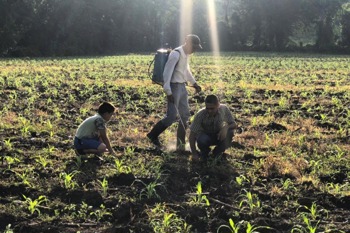
The mid-term evaluation of the project "Boosting Rural and Rurban Economy in Times of Crisis and Beyond" (BOOST) was commissioned by WFP Nicaragua. BOOST is expected to run from 2018 to 2024 and aims to promote sustainable and resilient agri-food systems in five departments and one autonomous region of Nicaragua. The support package includes three components (including gender-transformative approaches): support to smallholder farmers and their cooperatives in the production of basic grain and market access; links with the National School Feeding Programme; and support to the creation of home gardens by vulnerable (peri-)urban families. The European Union is the main donor of the project.
The evaluation served the double purpose of accountability and learning. The evaluation period covered the first three years of the BOOST project (August 2018 to June 2021), and the findings and recommendations were expected to inform the next phase of the project.
The evaluation adopted a theory-based mixed methods approach to answer the five evaluation questions linked to different evaluation criteria (effectiveness; relevance and coherence; sustainability; efficiency) and gender equality and empowerment of women. Data were collected remotely and during a two-week field mission. The evaluation team conducted interviews at national and local levels with WFP and other agencies, government institutions, the donor, cooperatives, and schools; as well as two dozen focus group discussions with beneficiaries; field visits; a comprehensive document review; and an analysis of existing M&E data.
In addition to the evaluation report, Particip produced a short video (produced by a film team in the field) for dissemination purposes. The evaluation report and the video are available at: https://www.wfp.org/publications/nicaragua-boost-project-nueva-segovia-madriz-esteli-matagalpa-jinotega-and-raccn-areas
- Schlagwörter:
- Ernährung, Landwirtschaft, Monitoring und Evaluierung, Umwelt

Evaluation of EU Budget Support and Blending in the Kyrgyz Republic 2010-2019
- 2020 – 2022
- unter 500.000 €
- Kyrgyzstan
The purpose if this evaluation was the assessment of both budget support and blending operations of the EU in the Kyrgyz Republic between 2010 and 2019. The EU has implemented ten budget support programmes in the country. All programmes contain, in addition to the funds transferred to the national budget, funds covering the provision of technical assistance for institutional capacity development, support to the elaboration of coherent policies, and/or evaluation, visibility and communication activities. The EU is using blending as financing modality in Kyrgyzstan since 2011. The funds for the EU blending operations in Kyrgyzstan come from the envelope for regional cooperation and are channelled through the Investment Facility for Central Asia (IFCA). Almost 40% of the total portfolio of funds managed by the EU Delegation to the Kyrgyz Republic is channelled through the blending instrument. Furthermore, Kyrgyzstan is the main beneficiary of the IFCA funds, with 75% of these funds going to this country.
This evaluation entailed two components. First, it provided an assessment of EU budget support in the country applying the 3-Step approach of the OECD-DAC guidelines on the evaluation of budget support. In particular, building on smaller, more specific evaluations and other studies produced in recent years, it assessed to what extent EU budget support contributed to Kyrgyzstan´s achievements in terms of the outcomes and impacts of its education and social protection sectors and of the country’s latest electoral reform policy. The analysis focused on how EU budget support, by enhancing the efficiency and effectiveness of Kyrgyzstan’s policies, strategies, spending actions, administration capacities and PFM system, contributed to sustainable outcomes in the sectors supported and, in turn, to growth and poverty reduction.
Second, the evaluation focused on EU blending operations in Kyrgyzstan’s Energy and Water management sectors. Specifically, the evaluation looked into the overall logic of these operations as a whole and assesses to what extent their design and implementation are suitable to achieve the expected results of this instrument in said sectors.
Report available here: https://international-partnerships.ec.europa.eu/publications/evaluation-eu-budget-support-and-blending-kyrgyz-republic-2010-2019_en
- Schlagwörter:
- Bildung, Infrastruktur, Makroökonomie / nationale Politik, Monitoring und Evaluierung, Öffentliche Finanzen / Haushaltsplanung, Wahlen

European Union Electoral Follow-up Mission (EU EFM) 2021
- 2021 – 2022
- unter 500.000 €
- Sierra Leone
The European Union deployed Election Observation Missions (EOMs) to Sierra Leone in 2007, 2012 and 2018. This Election Follow-up Mission (EFM) was be the first to be deployed by the EU to Sierra Leone. The 2018 EU EOM put forward 29 recommendations to strengthen future electoral processes in the country.
Out of the 29 proposed recommendations, 21 require a change of the legal framework in order to be implemented.
The main objectives of this mission included:
- Assess the state of play of the implementation of the recommendations of the 2018 EU EOM to Sierra Leone;
- Assess any electoral reforms adopted since the last EOM or which are under consideration (e.g.draft legislation) or planned and the degree to which these reflect EOM recommendations and their alignment with international standards for democratic elections;
- Identify which EOM recommendations are most relevant to the prevailing country situation and the current phase of the electoral cycle;
- Generate additional impetus for – or contribute to ongoing debates on – electoral reform;
- Identify areas of agreement and disagreement on EU EOM recommendations among the stakeholders and any political, technical, financial obstacles to electoral reform;
- Propose actions to overcome obstacles to electoral reform, including measures to develop support for and national ownership of the recommendations;
- If helpful and requested, assist the EU Delegation, EEAS and INTPA in their assessment on whether ongoing cooperation and conflict prevention projects are addressing the recommendations made by EU EOMs. Based on a brief overview of existing programmes, provide needed information to support identification of potential additional election/democracy support action that could contribute to strengthening the implementation of the recommendations and/or to the overall improvement of the electoral framework;
- Contribute to analysis by the EU Delegation, EEAS and INTPA with information to originate any other possible EU actions that could contribute to strengthening the implementation of the recommendations and/or to the overall improvement of the electoral framework;
- Prepare/update with EU Delegation a follow-up plan to EU EOM recommendations.
In order to achieve this objective, the EFM met relevant election stakeholders, including the national authorities, the election authorities, political actors, civil society, representatives of the international community and the media.
- Schlagwörter:
- Wahlen
Enhance EU visibility through effective communication
- 2018 – 2022
- 1 – 2 Millionen €
- Pakistan
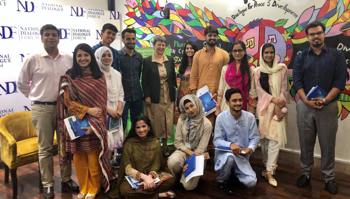
The overall objective of the project was to continue positioning the EU as a strong partner of Pakistan. The purpose of the project was to ensure the visibility of cooperation programmes in complementarity with the messages of the EU Delegation to Pakistan, in order to enhance the image and visibility of EU as a strong partner of Pakistan.
The following results were achieved:
- A communication strategy is developed by EUD together with the contractor
- Clear EU image and messaging is established, rooted in an agreed set of overall and specific messages.
- Comprehensive and strategically sequenced communication campaigns implemented.
- Sustained links with the media are established, with improved coverage – in terms both of quantity and quality – across print, broadcast and digital media.
- A mechanism to monitor and evaluate the progress of how the EU is monitored on a yearly basis.
- The profile of the EU and the awareness of how EU official development aid and cooperation benefits Pakistan is increased.
- Organisation of ad hoc public diplomacy events in accordance with the EU Delegation's communication strategy.
- Schlagwörter:
- Kommunikation und Medien
Framework contract for consultancy services to support the Operations Evaluation Division of the EIB
- 2016 – 2021
- Up to 2.600.000 EUR
- Luxembourg
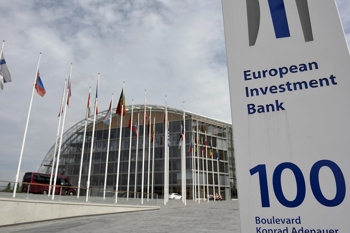
This framework contract was set up to support the implementation of EIB's evaluations, EIB/EV regularly calls upon the support of experienced evaluation consultancy companies with appropriate sector expertise and language skills.
As part of the consortium led by Ramboll within this framework contract, Particip participated in the implementation of the following EIB evaluations:
- (Ramboll lead, Particip QA) Support to the Evaluation Cooperation Group’s (ECG) Working Group on evaluation recommendations, management responses and feedback loops
- (Particip lead) Evaluation of the Eastern Partnership Technical Assistance Trust Fund
- Partner:
- Ramboll Danmark (federführend), Cohen&Co, IEEP, Particip
- Schlagwörter:
- Monitoring und Evaluierung
Innovative Pilot Evaluation: Aflatoxin Reduction in the Rwanda Maize Value Chain from October to December 2021
- 2021 – 2021
- unter 500.000 €
- Rwanda
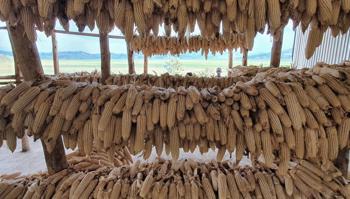
This pilot evaluation, commissioned by the WFP Regional Bureau of Nairobi in cooperation with WFP Rwanda and the Farm to Market Alliance (FtMA), assessed the introduction of a new technology for enhanced food safety of maize in Rwanda.
Rwandan maize is particularly affected by aflatoxin, a carcinogen, which prevents farmers from selling their harvests to premium domestic buyers that adhere to aflatoxin regulations. In this context, AflaSight (a start-up firm based in Rwanda) uses an innovative aflatoxin reduction technology that removes aflatoxin from already infected maize kernels at industrial scale. The direct users of AflaSight are agro-processors and traders that source maize from smallholder cooperatives. The strategic objective of AflaSight is to solve the aflatoxin problem in maize in Rwanda and enable smallholder farmers to connect with premium buyers of domestically produced maize.
The evaluation covered the pilot period from October to December 2021 and served the double objectives of accountability and learning (with emphasis on the latter). It followed a theory-based mixed methods approach to answer the nine main evaluation questions linked to different evaluation criteria (relevance, effectiveness, efficiency, impact, and sustainability), streaming gender equality and empowerment of women farmers throughout. Primary data was collected through key informant interviews in Kigali, as well as interviews, focus groups, direct observation, and a large-scale survey with 400 smallholder farmers in the Southern Province of Rwanda. The team also analysed existing M&E, financial and technical data, and carried out a document review, as well as a cost-effectiveness analysis of AflaSight.
The main users of the evaluation are WFP, FtMA, Government institutions involved in agricultural production and food standards, private sector agents, and smallholder cooperatives.
The evaluation report and brief are available at: https://www.wfp.org/publications/rwanda-innovative-pilot-evaluation-aflatoxin-reduction-rwanda-maize-value-chain
- Partner:
- Particip (federführend), C4ED
- Schlagwörter:
- Ernährung, Industrie und Privatsektorentwicklung, Informationstechnologie, Landwirtschaft, Monitoring und Evaluierung

The purpose of this assignment is to collect, collate and systematically present, in the form of Evaluation Portraits and Country Evaluation Briefs, findings from existing evaluations and other documents of development interventions in five Norwegian partner countries: Colombia, Ghana, Uganda, Indonesia and Niger. The first four countries are characterised as partners “for long-term development” while Niger is characterised as a partner “for stabilisation and conflict prevention”.
The objective of this assignment is to provide accessible and relevant knowledge about Norwegian and other donors’ development efforts in Norway’s partner countries through systematising findings from existing evaluations of development interventions. The exercise emphasises learning, supplementing a growing database of systematised, relevant, context-specific and accessible information. Beyond its intrinsic value, this knowledge forms a basis for development policies and strategies, contributes to development efforts in the field and reveals knowledge gaps that could be covered by future evaluations.
The main target groups for the study are the Norwegian Ministry of Foreign Affairs, Norad and Norwegian embassies in the selected partner countries and elsewhere.
The assignment is guided by the following questions:
- What are the key contextual features characterising each of the studied case countries, and how do these contextual features affect development and/or humanitarian interventions in the respective country/-ies?
- What is the nature of the programmes and projects studied, including levels and trends of development/humanitarian support?
- What are the major findings in the assessed material concerning the goals, methods, challenges, results and sustainability of the interventions studied?
- How do the studied interventions perform in terms of such cross-cutting issues as human rights; women’s rights and gender equality; climate and environment; and anti-corruption?
- Which intended and, if any, unintended effects of the interventions, positive and negative, direct or indirect, can be identified?
Report available here: https://www.norad.no/en/front/evaluation/about-evaluation-department/evaluation-series/country-evaluation-briefs/
- Schlagwörter:
- Monitoring und Evaluierung
Technical Assistance for EU Joint Programming strategy and aid effectiveness agenda in Madagascar
- 2020 – 2021
- unter 500.000 €
- Madagascar
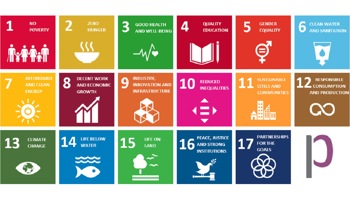
To enhance the overall effectiveness of the European aid to Madagascar in support of the achievement of the Sustainable Development Goals (SDGs) through the development of EU Joint Cooperation Strategy Paper 2021-2027.
We undertook an assessment of the key lessons learnt, progress, achievements and challenges from the first phase of Joint Programming process in Madagascar (diagnosis and structuring of the framework).
- Assist the DUE and the EU MS involved in developing a Joint Programming in Madagascar to finalise the Joint analysis, the strategic response documents, the implementation of EU Division of Labor (DoL) and prepare the Joint Programming Strategy for the 2021-2027 period.
- Increase the impact of the European aid to Madagascar, through increased coordination, harmonisation and alignment among EU Member States and the European Delegation and with other development partners (DPs), leading to greater aid effectiveness and visibility of European joint support.
- Partner:
- Particip (federführend), Cardno UK
- Schlagwörter:
- Management, Projektdurchführung / technische Hilfe, Zivilgesellschaft