Madagascar
13 Referenzen

Strengthening the national regional linkages in SADC (SNRL) - Consultancies on regional integration based on SADC policies, facilitation of events, communication and visibility
- 2023 – 2027
- 2 – 5 Millionen €
- SADC region
The overall objective of the project "Strengthening the national regional linkages in SADC (SNRL)" is to support the Southern African Development Community (SADC) in its efforts to promote regional integration in the member states (MS) for the benefit of the population in the SADC region.
The project is aligned with SADC's regional strategy (the Regional Indicative Strategic Development Plan 2020-30, RISDP) and supports its implementation.
In particular, it supports SADC and its MS on implementing Chapter 5 of the RISDP focusing on the strategic management objectives of the RISDP. By strengthening SADC as a regional organization and by supporting the implementation of the regional agenda RISDP, the SNRL project aims to facilitate the regional integration in the SADC region.
The objective of this contract is the provision of high-quality short-term expert (STE) advice in various topics relevant for enhancing the capacities of national stakeholders to vigorously and effectively pursue in their respective countries the regional integration protocols, policies and strategies of SADC.
The individual consultancy assignments are developed between GIZ and its partners and are based on a joint process and methodology aimed at identifying the needs in the SADC region and within individual member states.
The assignments focus on the scaling-up of best practices and should aim to share experiences and knowledge throughout the region (for example by aiming to standardize products developed as part of the assignment).
The following outputs are expected as a result of project implementation:
- Output 1: The institutional framework for the implementation of regional integration in the SADC region has improved in the member states;
- Output 2: Monitoring and evaluation systems for the implementation of regional integration are in place in selected member states;
- Output 3: The strategic communication capacities of SADC and member states for high profile communication around SADC activities and operations are strengthened.
Implemented projects include the following (project number and title):
- P1/2023 Consultancy to Support the SADC Secretariat to Develop and Pilot the Protocol Compliance Mechanism and Monitoring of the Trade Protocol;
- P2/2023 Perception Survey on the status of SADC regional integration in the Member States;
- P3/2023 Facilitator/Presenter and Group Work Moderators for Two Regional Workshops Supported by SNRL;
- P4/2023 Development of Model Law for the Establishment of SADC National Committees in Member States;
- P5/2023 Consultancy to develop communication products for publication purposes from the deliberations of SADC Member States at the Regional Learning and Exchange Symposium in Lesotho;
- P6/2023 Consultancy to develop presentation on the Status of SADC National Structures and their Financing at the Regional Learning and Exchange Symposium in Lesotho;
- P7/2023 Facilitation Operational Planning SNRL;
- P8/2023 Consultancy Services to Support the Publicity Products of The SADC Summit Public Lecture- Angola;
- P9/2023 Consultancy Services to Provide Rapporteuring of the Proceedings of The SADC Summit Public Lecture- Angola;
- P10/2023 Development of Peer Learning & Review Mechanism for national SADC coordination;
- P11/2023 Shadow monitoring on the extent of implementation of the SADC RAIP 2017 – 2022;
- P12/2023 Editing & Design of Eswatini’s New Industrial Policy;
- P13/2023 Capacity Building on SADC Regional Integration and Project Management for SADC National Contact Points Junior and Middle Staff;
- P14/2023 Updating and Finalising the Status of the SADC National Committees Desk Review Report;
- P15/2023 Consultancy Services to Support the Documentation of Proceedings at the SADC Integrated Regional Electronic Settlement System 10th Anniversary Celebrations;
- P16/2023 Consultancy Services to Support the Publicity Products of the SADC Integrated Regional Electronic Settlement Systems 10-year anniversary;
- P17/2023 Consultancy Services to Support the Rapporteuring of the SADC Integrated Regional Electronic Settlement Systems 10-year anniversary;
- P18/2023 Scoping Studies South Africa and Zimbabwe;
- P19/2023 Scoping Study Madagascar;
- P20/2023 SNRL II Operational Planning Workshop.
- P21 Team Retreat Facilitatior
- P22 Communication Guidelines
- P23 Lesotho National Policy on Regional Economic Integration
- P24 Scoping study and development of SA documentary
- P25 Production of SADC video podcasts
- P27 Development of a Resource Mobilisation Plan for the SNC of the Kingdom of Eswatini
- P28 Ops Manual, OP & Capacity Building Training on RI & PM - Eswatini
- P29 Communications Capacity Building in Botswana
- P30 SNRL II Team Retreat Refresher
- P31 CB& Strengthening Lesotho's SNCs - Project Management
- P33 Establishment of South Africa’s SADC National Committee
- P34 Graphic Design for Promotional Material - SADC Public Lecture in Zimbabwe
- P35 Rapportuering of the SADC Public Lecture Zimbabwe
- P36 Madagascar National Policy on SADC RI
- P37 Capacity Building & Strengthening SNC in Madagascar
- P38 CB & Training on SADC RI & PM for Zambia’s SNC staff
- P39 CB on Resource Mobilisation & Development of Resource Mobilisation Strategy in Zambia
- P40 Regional CB on Resource Mobilisation
- P41 Model Law on the Establishment of SNCs
- P42 Policy briefs on SADC-RTGS; role/significance of the SADC public lectures in promoting regional cooperation and integration in the SADC region.
- P43 Fact Sheets on SADC Protocols
- P44 Communications Strategy and Social Media Dissemination Plan for BGCIS in Botswana
- P46 RI Orientation & Induction for the SNC in Eswatini
- P47 SNRL II Operational Planning Workshop 2025
- P48 Rapporteur for Tanzania Event on SADC RAIP 2017-2022 Shadow Monitoring Report
- P49 Rapporteur for Malawi Event on SADC RAIP 2017-2022 Shadow Monitoring Report
- P50 Policy Brief, Factsheet & Press Release On he AML (Anti-Money Laundering) & CFT
- P51 Madagascar Resource Mobilisation Strategy and Action Plan
- P52 Piloting SNC Peer Learning and Review Mechanism (S-PLRM)
- P53 Establish Baseline Values on SADC Parliamentary Forum’s Operational Efficiency
- P54 Revise SADC Draft Communication, Awareness and Visibility Strategy
- P55 NSA Baseline Indicators
- P56 Interpretation Assignments
- P57 Facilitation of Consultation Workshop SNRL
- P58 Endline Perception Survey
- P60 Piloting M&E Framework for the SADC Protocol on Trade
- P61 SADC Parliamentary Forum M&E on Gender
- P62 Photography, Videography and Livestreaming _ Launch of SA's SNC
- P63 SADC PRU Comms Strategy Launch
- P64 Status of SNCs in the Member States
- P65 Training of Botswana SNC
- P69 Facilitation of SPLRM 1st Cycle
- P70 SPRLM Budget and Finance Plan
- P71 CfP Support
- P72 Facilitation of SNC Guidelines
- P73 SADC PF Publication and Dissemination
- P74 SADC PF Gender Assessment
- P75 SADC PF Mid-Term Evaluation
- P77 Review of Public Hearing
- P81 Communication Documentary Launch
- Partner:
- Particip (federführend), Africa Practice, DPC, Imani Development Group
- Schlagwörter:
- Handel, Industrie und Privatsektorentwicklung, Institutionelle Entwicklung, Kommunikation und Medien, Landwirtschaft, Monitoring und Evaluierung, Regierungsführung

Grant monitoring and technical support for CSOs in Madagascar
- 2023 – 2026
- unter 500.000 €
- Madagascar
The general objective of this contract is to encourage the emergence of a civil society that can fully play its role both as a development player alongside the most disadvantaged and discriminated against social groups and as a governance player, influential in promoting more relevant, effective and inclusive public policies.
The specific objective of this contract is to improve the effectiveness of the management by the implementing partners of current and future grants, whatever their source of funding, through on-the-spot monitoring and technical support to build their capacities, including on the specific themes of rights and gender approaches and the electoral process.
- Partner:
- Particip (federführend)
- Schlagwörter:
- Menschenrechte, Wahlen, Zivilgesellschaft

Evaluation of the African Development Bank’s Regional Integration Strategy Paper for Southern Africa (2020-2026)
- 2025 – 2026
- unter 500.000 €
- Angola, Botswana, Eswatini, Lesotho, Madagascar, Malawi, Mauritius, Mozambique, Namibia, São Tomé & Príncipe, South Africa, Zambia, Zimbabwe
The evaluation focuses on the African Development Bank’s Regional Integration Strategy for Southern Africa (SA-RISP) 2020–2026, with coverage of the period 2020–2024. Its primary purpose is to assess how far the strategy has progressed towards achieving its intended results and to provide lessons and recommendations for the design of the next regional integration strategy. The evaluation will review both lending operations, sovereign and non-sovereign, and non-lending activities such as policy dialogue, analytical work, and technical assistance.
Key objectives include examining the relevance and design of the SA-RISP as a framework for advancing regional integration, its coherence with regional and continental frameworks such as SADC, COMESA, and the AfCFTA, and its effectiveness, efficiency, impact, and sustainability. The evaluation will also analyse factors that have enabled or constrained implementation, including operational, institutional, and policy challenges, as well as cross-cutting issues. Ultimately, it aims to draw out lessons learned and practical recommendations to strengthen AfDB’s future engagement in supporting regional integration in Southern Africa.
- Schlagwörter:
- Handel, Industrie und Privatsektorentwicklung, Infrastruktur, Monitoring und Evaluierung

Election Expert Mission to Madagascar 2023
- 2023 – 2024
- unter 500.000 €
- Madagascar
The purpose of the Election Expert Mission (EEM) was to collect and analyse factual information, assess and report on the electoral process against international commitments, standards and good practice for democratic elections in line with the criteria contained in the Commission Communication on Electoral Assistance and Observation. The electoral experts also formulated recommendations to improve future electoral processes and assessed the state of implementation of recommendations made by previous electoral missions.
- Schlagwörter:
- Wahlen
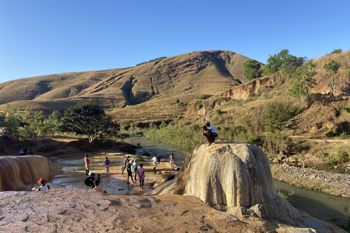
Madagascar: Evaluation of WFP Country Strategic Plan (2019-2023)
- 2022 – 2023
- unter 500.000 €
- Madagascar
This independent evaluation of WFP Country Strategic Plan (CSP) in Madagascar assessed the strategic positioning, added-value and results of WFP operations in the Country from 2019 to 2023.
The evaluation served the double purpose of accountability (performance and result assessment) and learning (why certain results occurred or not, lessons and evidence for decision-making). The evaluation was envisioned to inform the design of the new CSP for Madagascar, scheduled for Executive Board consideration in November 2023.
CSP key sectors and activities included:
- Emergency preparedness and response, including cash-based transfers
- Unconditional resource transfers to support access to food
- Malnutrition prevention activities
- Nutrition and school feeding
- Livelihoods activities, including smallholder farmer support
- Institutional capacity strengthening
- Logistics, supply chains and humanitarian aid coordination
Cross-cutting themes included: Gender equality and empowerment of women (GEEW), humanitarian principles and protection, accountability to affected populations (AAP), environment
The evaluation employed a mixed-method approach that triangulates qualitative and quantitative data from a variety of sources. For this purpose, the evaluation team conducted interviews with different stakeholders including WFP staff at HQ, regional and country level, WFP cooperating partners, donors, UN agencies, government entities as well as focus group discussions with the beneficiaries.
Link to the publication: https://www.wfp.org/publications/evaluation-madagascar-wfp-country-strategic-plan-2019-2023
- Schlagwörter:
- Ernährung, Humanitäre Hilfe, Monitoring und Evaluierung

Programme formulation for an accountable State for Development.
- 2022 – 2022
- unter 500.000 €
- Madagascar
The overall objective of the program to be formulated is to contribute to the establishment of an effective and accountable State in the service of development in Madagascar, through three specific objectives which are (i) strengthening the efficiency and transparency of public administration; (ii) promoting and protecting democracy, through the organization of free elections and citizen participation in political life; (iii) accountability and control of State action through the strengthening of counter-power actors. Support for civil society, including human rights organizations and the media, gender issues, digitalization and political economy issues are transversal to these three objectives. The requested services aim to (i) conduct an in-depth analysis of the situation, and the problems and constraints at the root of this situation, based on documentation and interviews, and (ii) make proposals for a European Union support program that are relevant, realistic, credible and adapted to the context - while taking into account EU procedures.
The consultants are responsible for collecting the information necessary to achieve these results through:
- Analysis of the documentation that will be provided in part by the DUEM;
- Briefing meetings with the DUEM and the government;
- A series of interviews with stakeholders (ministries agents, technical and financial partners, project implementation partners, civil society, etc.) in order to collect the priorities and analyses of the main stakeholders.
- A total of 20 man/days of mission in the field to be distributed between the four consultants (the mission area will be defined later, in 2 of the regions of concentration of EU support).
- Partner:
- Particip (federführend), ADE

Monitoring and Support Mission for Civil Society Organisations (CSOs) in the Implementation of Grants for the CSO Thematic Programme and the European Initiative for Democracy and Human Rights in Madagascar
- 2019 – 2022
- unter 500.000 €
- Madagascar
The Roadmap for the EU's involvement with Malagasy civil society defined four overall priorities with a long-term vision representing the structural changes that the EU planned to achieve through its work with civil society and the Malagasy government. In fact, since the set-up of a continuous EU-CS political dialogue, the EU's engagement with civil society in Madagascar became strategic. CSOs no longer considered the EU as a donor but as a true partner, thus confirming the EU's willingness to honour its new commitment to CS.
Under the 10th EDF, the Dinika Programme (€10 million) supported Malagasy civil society organisations from 2013 to 2017 in the regions of Analamanga, Analanjirofo and Atsimo-Andrefana. The purpose of this programme was to serve as a "laboratory" to develop new forms of dialogue, interaction, and a pool of more detailed knowledge on the dynamics within civil society. As part of the implementation of the 11th EDF, a new agreement on financing the Integrated Civil Society Support Mechanism in Madagascar, Dinika (2), was signed in September 2017 for a period of 5 years. This financing agreement had a total budget of €9.5 million with a contribution from the 11th EDF of €8 million and was jointly funded by the German cooperation through the GIZ with a further €1.5 million.
With regard to the EIDHR, as a result of a call for proposals in 2017, three projects were contracted.
For the Civil Society Organisations Thematic Programme, two calls for proposals made it possible to contract 13 grants (6 in 2016 and 7 in 2018). The 13 actions shared a partnership approach between non-state actors/civil society organisations and, sometimes, with local authorities.
The call for proposals of the 2018 CSO/LA Thematic Programme, enabled 4 projects to be contracted. Their aim was to help improve local governance and got communal services functioning properly to allow a real and efficient exercise of the prerogatives of Local Authorities for the benefit of their population, and involving the consultation of citizens.
The specific objective of the mission was to ensure monitoring and on-the-ground support of the progress of both ongoing and future projects that have been contracted under the CSO Thematic Programme and the EIDHR 2019-2020, while offering technical support to strengthen the capacities of grant recipients.
- Schlagwörter:
- Zivilgesellschaft
Technical Assistance for EU Joint Programming strategy and aid effectiveness agenda in Madagascar
- 2020 – 2021
- unter 500.000 €
- Madagascar
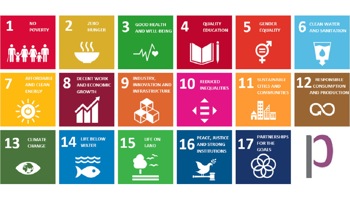
To enhance the overall effectiveness of the European aid to Madagascar in support of the achievement of the Sustainable Development Goals (SDGs) through the development of EU Joint Cooperation Strategy Paper 2021-2027.
We undertook an assessment of the key lessons learnt, progress, achievements and challenges from the first phase of Joint Programming process in Madagascar (diagnosis and structuring of the framework).
- Assist the DUE and the EU MS involved in developing a Joint Programming in Madagascar to finalise the Joint analysis, the strategic response documents, the implementation of EU Division of Labor (DoL) and prepare the Joint Programming Strategy for the 2021-2027 period.
- Increase the impact of the European aid to Madagascar, through increased coordination, harmonisation and alignment among EU Member States and the European Delegation and with other development partners (DPs), leading to greater aid effectiveness and visibility of European joint support.
- Partner:
- Particip (federführend), Cardno UK
- Schlagwörter:
- Management, Projektdurchführung / technische Hilfe, Zivilgesellschaft
Video production and Animation for DEVCO online Communications
- 2018 – 2019
- unter 500.000 €
- Belgium, Jordan, Madagascar, Tanzania
The objective of this contract was to provide DEVCO.C.7 with professional video and animation expertise, including production and editing.
DEVCO.C.7 wanted to make sure that EU citizens and stakeholders are informed about the EIP and its implementation, as well as the results in the context of EU international cooperation and development and neighbourhood policies. In order to do so, it needed to reflect achievements in the formats that appeal to audiences today on online channels. More and more, these include short videos, animated data visualisations and animations.
Therefore, the specific objectives of this contract were as follows:
- Regular development of short videos to feed social media channels and other online channels with the latest news about the work of the EU External Investment Plan (EIP) and its achievements in the field, mostly in English but also occasionally in other languages
- Less frequently, production of animated data visualisations and short animations to better explain to its audiences’ issues which are easier to illustrate with video or photo material. All outputs should apply a consistent visual identity in line with Commission’s Visual Identity Guidelines.
- Schlagwörter:
- Kommunikation und Medien
Technical assistance to improve the effectiveness of the strategic partnership with civil society organizations and private sector professional organizations in Madagascar
- 2017 – 2019
- unter 500.000 €
- Madagascar
The specific objective of the mission was to improve the effectiveness of the strategic partnership of the Delegation of the European Union, in connection with the Office of support to the National Authorizing Officer (NAO), with civil society organizations and professional organizations in the private sector in Madagascar; by offering specific technical support and helping to strengthen the strategic capacities of these organizations in the relevant governance issues related to the EU programmes in Madagascar.
The results achieved were as follows:
1. Strategic dialogue, participation and the role of CSOs and professional organisations in national and local governance were improved and strengthened in the framework of EU actions in Madagascar, in particular:
1.1.The strategic analyses and contributions to reporting on the proposed themes were produced at the request of the European Union Delegation to Madagascar (EUD Madagascar) and on the basis of exchanges with stakeholders (including questionnaires for evaluating cross-cutting issues);
1.2.Four strategic dialogues between the EUD Madagascar and the civil society (including two deconcentrated) were organised (including preparation, reporting and logistical organisation) in connection with the EU's high-level political dialogue. These dialogues were the subject of preparation and restitution sessions with CSOs;
1.3.The report on the implementation of the roadmap to support the civil society 2014-2017 was produced and this roadmap was updated for the period 2018-2021. The implementation of the updated roadmap was monitored (reporting and consultations) and the meetings of the EUD Madagascar - CSO working group, set up in June 2017, were organised. An update of the database of CSOs supported by the EU and the MS was also carried out in connection with the Common Support Fund for Civil Society in 2018.
1.4.Specific contributions at the request of the EUD Madagascar to the monitoring of the implementation and reporting on the Democracy and Human Rights strategy were provided twice a year.
1.5.Support for the setting up of the consortium of professional employers' organisations from the private sector within the framework of the future PADEIR programme grant, in particular support for: the drafting of the statutes, the definition of governance and management structures, internal regulations, the procedures manual. The elaboration and proposal of a coaching/training programme for the capacity building of the professional employers' organizations members of the consortium, in particular on the management of the subsidies envisaged by the PADEIR. This support was carried out in complementarity and synergy with the actions developed by the PROCOM programme (strengthening of intermediary organisations (IOs) and others, support for IO grants);
1.6.Organisation of two dialogue sessions between private sector employer/professional organisations, the EUD Madagascar, the NAO and other stakeholders whose themes were validated in advance by the European Union Delegation;
1.7.Two thematic dialogue sessions between CSOs, the EUD Madagascar and the NAO/Ministry of Finance and Budget were prepared and organised (including post-session follow-up) during the 2017 and 2018 disbursements of State Building Contract 2 budget support 11th EDF;
1.8.Organisation and facilitation of consultations for the monitoring and improvement of civil society strategies for participation in the electoral process in the framework of EU funded projects.
2. The Steering Committee of the Multi-Donor Common Fund to Support Malagasy Civil Society was supported in its consolidation and strategic orientations.
2.1.The capitalisation by the Steering Committee of the modalities developed on the basis of the recommendations of the final evaluation of the Dinika 10th EDF programme became effective and the monitoring and evaluation system was set up;
2.2.The Steering Committee and the future Advisory Committee of the Common Fund were accompanied and supported in their strategic orientations;
2.3.The capacities of civil society representatives in the various bodies of the Common Fund were strengthened, in particular through a coaching programme and the facilitation of concentration workshops between CSOs (six workshops over a period of two years);
2.4.New donors were identified and ways of moving towards an autonomous national mechanism were proposed;
2.5. The monitoring of complementarity/synergy between Common Fund support and other EU support (EDF/budget lines) was carried out, in particular helping to identify the priorities of the 2018 CSOs-LAs call for proposals guidelines.
3. gender equality and women's empowerment in the 11th EDF programmes are now taken into account more and the draft budget lines have been strengthened, in particular in the implementation of GAP II, more specifically :
3.1.The “gender” analysis of the Action Papers and of other programming documents of the EUD Madagascar (including the guidelines for calls for proposals) was produced and contributed to gender mainstreaming;
3.2.Gender checklists and sex-disaggregated and gender-sensitive indicators were produced to improve the management of EU programmes and projects; in future these indicators will also serve to measure the gender impact of these EU-funded programmes and projects;
3.3.Coaching sessions and/or short training sessions were given on request by the EUD Madagascar;
3.4.The monitoring of the GAP II implementation and reporting was supported, particularly the identification of gender equality results achieved by existing programmes and the selection of targets and indicators for programmes and projects that were not included in the GAP 2016 report;
Mid-term evaluation of NFD ‘An administration for all’
- 2017 – 2019
- unter 500.000 €
- Madagascar
The evaluation’s main objectives were to present:
- an independent overall assessment of the results of the NFD intervention, focusing particularly on the results of the project in relation to its objectives
- the main findings of the intervention and recommendations to improve the current measures and future actions and future strategic choices, also with a view to a possible rider to the project.
The main beneficiaries of this evaluation were the European Union Delegation and the Republic of Madagascar, the Government of Madagascar PREA (Programme of Strengthening the efficiency of the Administration), the contractors and the technical assistance team of the NFD project.
The evaluation was also of interest to the technical and financial partners and to civil society in general.
The specific objective was to provide an independent mid-term evaluation of the NFD project. The mid-term evaluation, as planned in the technical and administrative capacities of the financing agreement of the project, provided answers to the identified evaluation questions, also through an analysis of the country context and in particular through the application of a political economy analysis (PEA).
It was a question of determining the important factors to proceed with ambitious activities around governance such as public finance, reforms of human resources and service delivery of NFD.
This analysis is particularly important in countries with weak governance systems, where it is necessary to verify, at a certain point in the project, the probability that the envisaged reform will achieve results.
The financing agreement signed by the European Union, the technical assistance contract with GOPA, the technical assistance ToR, had to be taken into account. The administrative, accounting and financial procedures manual was consulted for the management aspects of the project.
The first mid-term evaluation of the NFD project covered the implementation period from April 2015 to May 2017.
The thematic aspect focused on the interaction between public finance, human resources and justice.
- Schlagwörter:
- Institutionelle Entwicklung, Justiz / Rechtsstaatlichkeit, Monitoring und Evaluierung, Regierungsführung
Technical assistance to the Programme to Support Madagascar’s Civil Society (DINIKA)
- 2013 – 2018
- 2 – 5 Millionen €
- Madagascar
The overall objective of this programme was to support Madagascar’s Civil Society and promote good governance at local and national level, working towards more independence and the increased credibility of the NSAs.
This action primarily aimed to broaden the spectrum of European Aid beneficiaries amongst the Malagasy NSAs, in particular promoting the support of emerging actors in the rural world and in urban centres:
- Particular attention was paid to youth and women’s associations. Targeted capacity-building activities, local support by operators selected through service contracts, and study trips in the region were carried out. Moreover, small subsidies were granted to a limited number of initiatives to enable them to structure themselves and to increase their participation in economic and social spheres;
- Furthermore, transparency, accountability and the decision-making process of the NSAs were taken into account in the programme to the greatest extent possible, with a view to strengthening their credibility with citizens, and towards the government, local authorities and financial and technical partners. Governance initiatives in key sectors at communal and intercommunal level, were financed and accompanied; the concept of learning by doing and coaching was applied throughout the process;
- The programme also worked towards increasing public participation in eligible areas in political, social and economic spheres. To this end, the Programme to Support Madagascar’s Civil Society is financing NSA projects (priority being placed on level 4 NSAs) involved in the sensitisation and civic education of citizens, to increase their participation in politics (local and national level); moreover, the programme had to facilitate a multi-actor dialogue on the role of civil society in promoting a more conducive environment for NSAs working in this domain;
- Promotion of the structuring of the NSAs involved in governance initiatives. In particular, identifying and accompanying civil society initiatives to strengthen their involvement in the process of citizen control of public action (followed by the implementation of public policy, budget monitoring,…); the programme also supported the exchange of best practices and experience with other African NSAs by organising targeted study voyages and/or twinning with initiatives that have already established their structure and are operational in the region;
- Finally, the programme facilitated the following elements: building on experience, producing information and knowhow about NSAs, and about opportunities and possibilities for their participation in the preparation, follow-up and implementation of development policies. The programme also promoted access to this information and knowhow.
The implementation of the programmed activities strictly followed the procedures of the 10th EDF. A monitoring system of the technical, contractual, financial and accounting aspects ensured that the results expected from the programme were achieved, and that resources were mobilised and used with the desired efficiency and effectiveness.
A focus was put on very small initiatives, mainly managed by women.
- Schlagwörter:
- Regierungsführung, Zivilgesellschaft

Evaluation of the ECHO assistance in the Southern Africa and Indian Ocean Region (SAIO), 2012-2016
- 2017 – 2017
- unter 500.000 €
- Madagascar, Malawi, Mozambique, Zimbabwe
The purpose of this Assignment was to have an independent overall evaluation of the ECHO actions in the SAIO region during the period 2012-2016.
Specifically, the evaluation provided:
- A comprehensive, retrospective assessment of DG ECHO's strategy/approach (as formalised by the Humanitarian Implementation Plans), in the SAIO region covering the evaluation issues of relevance, coherence, EU Added Value, effectiveness, efficiency and sustainability;
- Prospective, strategic recommendations – based on the retrospective evaluation and the related research – for a future ECHO strategy in the region, with a view of maximizing the benefits of ECHO's initiatives on the ground.
- Schlagwörter:
- Humanitäre Hilfe, Monitoring und Evaluierung