Philippines
18 references

Implementation of the Strategic Communications Plan of the Delegation of the EU to the Philippines
- 2024 – 2027
- € 2 – 5 million
- Philippines
Overall Objective
The overall objective to which this action contributes is:
To enhance the EU's reputation and influence as a strategic and reliable partner to the Philippines, through more effective communication and visibility of EU's principles and values, external policies and actions, by implementing the Strategic Communications Plan of the Delegation of the EU to the
Philippines.
Specific Objective
The specific objectives (Outcomes) of this contract are as follows:
- Raise Awareness and Understanding on the European Union’s plans, programs, projects, and activities, amongst the general public in the Philippines, to elicit interest and support in its key areas of work on trade, development cooperation, peace and security, human rights, and climate and sustainability and fostering a clearly identifiable brand for the EU in the Philippines, anchored in the concept of partnership and the alignment of strategic interests with those of the Philippines.
- Increase the EU Delegation’s profile with government stakeholders and institutional development partners to effectively champion and deepen the EU’s mutual partnerships with the Philippines.
- Improve the capacity of the EU Delegation to the Philippines to handle its strategic communications (a decision-making structures and teams to handle communications are set up, general awareness of staff about communications objectives and key messages, and improved knowledge of staff on the use of tools relevant to produce photos, to communicate with media, improve engagement and alignment of communications by implementing partners, etc.)
Results
- Outcome 1
- Output 1: A social media campaign is designed and implemented.
- Output 2: Graphic design/audiovisual production: Produced relevant and relatable imagery to be used across all communication channels to connect with the audience and convey the EU's brand identity. Ensure the visibility of the EU's brand elements in all communication materials and collaterals of projects programs, and activities supported by the EU by reiterating clear branding guidelines that internal and external partners must follow. Production of collaterals/promotionals for general public, and some specifically for high-level dignitaries. Design and printing of visibility materials.
- Output 3 (also contributes to Outcome 2): Writing/reporting/seeding: Prepare stories to be pitched to the media organizations that illustrate the impact of the EU’s work on individuals, communities, and the country. These stories can help make the EU’s work more relatable and emotionally resonant andwill sometimes include the development of the articles, or the photographs video coverage, or cover mobilisation costs of journalists.
- Output 4 (also contributes to Outcome 2): Event Organizing: Organize national and local events to promote the EU's work in the Philippines in collaboration with existing institutional and development partners. It may include developing project-level IEC activities that may be used to promote the extent of EU’s assistance in a variety of areas to the country.
- Output 5 (also contributes to Outcome 2): Influencer/Key Opinion Leaders Partnerships: Identify and help manage-from a communications perspective-collaborations with influencers (general public) or key opinion leaders (general public + key stakeholders) to create conversations about the EU's priority areas of work. These individuals can help reach new audiences and increase engagement with the EU's content.
- Output 6 (also contributes to Outcome 2): On the basis of the KPIs identified under the Strategic Communications Plan to be provided by the Delegation (the Contractor can propose revisions on the basis of expert advice) set up an ongoing monitoring framework. The monitoring framework will include the monthly revision of performance analytics of social media platforms; regular social listening/social media scans, and two brand perception surveys. Progress against KPIs will be reported monthly.
- Outcome 2:
- Output 1: Developing Thought Leadership through podcasts: Produce podcasts in partnership with Filipino podcast creators that examine and deep dive into issues related to EU policies, plans, programs, (e.g. trade, human rights, development cooperation, sustainability, climate change, gender equality, etc.).
- Output 2: Media Events and Coverage: Organise workshops/lunches, etc. to brief media on the EU and its role in the Philippines, or on newsworthy developments, organise press conferences to talk about pressing issues and topics within the EU’s priority areas of support. Prepare dossiers with relevant data, case studies, or expert opinions to help journalists portray the EU’s activities in a compelling way.
- Outcome 3:
- Output 1: Communications Training: Organise and deliver at least two training workshops for EUD staff - per year (primarily programme managers but also other EUD staff). Training needs will be assessed regularly and the assessment will inform the preparation of the training workshops. The EUD has already pre-identified the following indicative needs: 1) knowledge of the messaging used by the EUD and the need to stay on message; 2) how to define realistic objectives for sector/topic-related communication and visibility activities; 3) drafting of speaking points for public events (preparing speeches, interviews, interaction with journalists/media events); 4) engaging with social media: designing/writing effective posts and analysing impact; 5) use of apps and other tools to produce attractive content; 6) cellphone photography/videography for social media; 7) assessing the communication and visibility plan of programmes and projects; 8) media coaching; 9) understanding the sensitivities associated to visibility and communication work; managing and mitigating risks. The Contractor will also provide on–demand, real time tutoring/advice to EUD staff in preparation to, during, and after field visits, events and outreach activities.
- Output 2: Communications training for grants/projects funded by the EU, and for EU Member States engaged in Team Europe Initiatives: the Contractor will review a representative sample of projects/programmes' communication and visibility plans and conduct up to two training workshops per year for the communication and visibility focal points of EU funded programmes and projects (implementers), to support them in the implementation of quality communication and visibility actions (focus on storytelling, production of quality visuals, putting people at the center, need to mainstream gender in our communications, etc.).; develop synergies amongst programmes and project's visibility and communication actions; ensure coherence with the overarching communication and visibility strategy of the EUD.
- Keywords:
- Communication & media
EU engagement with Civil Society and Youth in the Philippines
- 2025 – 2027
- under € 500,000
- Philippines
The global objective is to foster meaningful, inclusive, and rights-based participation of Filipino youth and civil society in shaping and implementing the partnership between the European Union and the Philippines.
The specific objective are:
- To strengthen the EU-Philippines’ Youth Sounding Board (YSB) and Civil Society Sounding Board (CSSB) to efficiently and effectively implement their role as soundboards for the EU in the implementation of the EU Multi Annual Indicative programme for the Philippines, 2021-2027 and of the Global Gateway strategy.
- To enhance inclusiveness and effectiveness of EU engagement with the Filipino civil society and youth, as important actors in the EU partnership with the Philippines.
- Keywords:
- Civil society
Technical Assistance for Support to Bangsamoro Transition (SUBATRA)
- 2020 – 2026
- € 5 – 10 million
- Philippines
The signing in July 2018 by the President of the Philippines of the 'Organic Law for the Bangsamoro Autonomous Region in Muslim Mindanao' (BOL) constituted a major step for the Peace Process in Mindanao - as it established the autonomous political entity known as the Bangsamoro Autonomous Region in Muslim Mindanao (BARMM). The capacity of the executive and legislative branches of the Bangsamoro Transition Authority (BTA) to implement the transition according to BOL's provisions is the most critical issue for peace consolidation in Mindanao, being the cornerstone of the core Bangsamoro self-reliance and self-determination for effective autonomy. The challenge is enormous in such a short time frame, foremost of which is the enactment of the BARMM core legal framework, establishment and capacity building of transitional political institutions as well as development and undertaking of key transitional policies.
The overall objective of the TA for Support to Bangsamoro Transition (SUBATRA) was to contribute to a peaceful, cohesive, secure and inclusively developed Bangsamoro.
The specific objective was the establishment of an enabling democratic governance environment for a smooth implementation of the transition in Bangsamoro.
The purpose of this contract was to provide technical assistance for capacity building of executive and legislative branches of the Bangsamoro Transition Authority, to promote an enabling good governance environment with a focus placed on capacities that are critical for a sound functioning of the Bangsamoro institutions during the transition:
- Purpose 1: enhanced capacity of the BTA's executive branch to efficiently handle the transition through improved capacity of the executive branch superstructure to plan, impulse and monitor transitional policies as well as enhanced capacity of the administrative machinery, especially key governance ministries, to implement policies and deliver basic social services.
- Purpose 2: enhanced capacity of the Bangsamoro Parliament to exercise its law making, oversight and representation functions.
This TA required sound monitoring and evaluation mechanism of implementation of the project, and a results-based approach. Particip delivered policy advice, supported law drafting and review and provided capacity building support. We supported the BARMM with high quality expertise, mentoring and training to allow the Bangsamoro institutions to perform their tasks effectively and in a sustainable way.
Our highly qualified experts support the Bangsamoro, among others, in the field of gender mainstreaming, gender research, capacity building, local governance, public administration, decentralization, economic research, policy research and budget management.
Our TA provided support to select Governance Ministries and Agencies (Ministry of Indigenous People Affairs (MIPA), Ministry of Public Order and Safety (MPOS), Ministry of Interior and Local Government (MILG), Bangsamoro Planning and Development Agency (BPDA), Bangsamoro Women Commission (BWC) and Bangsamoro Youth Commission (BYC) through a mix of empowerment, institution building and capacity building. There was an increased focus on local government capacity building and outreach activities. Power and functions of local government administrations were clarified, the financial administration, the legislative process and the local government development planning were strengthened.
Our TA furthermore supported the development of training modules for local officials capacity development; reviewed the Local Government Code, developed many Manual of Operations and did Strategic Planning exercises. A focus was also put on Gender sensitive legislation and Gender mainstreaming in local governance.
- Partners:
- Particip (Lead), KAS
- Keywords:
- Governance, Institutional development, Justice/Rule of Law, Project implementation / Technical Assistance, Training

TA Support to the Philippines in the field of Disaster Risk Reduction, with a focus on the ERC Flagship Initiative
- 2024 – 2025
- under € 500,000
- Philippines
The overall objective of the assignment was to contribute to the implementation of a more coherent, impactful and strategic approach to DRR in the Philippines, including Climate Change Adaptation, by increasing the ability of international and domestic DRRM, climate and development institutions and instruments to work together in complementary and reinforcing ways for enhancing community resilience.
The four specific objectives (SO) of the assignment were as follows:
- SO 1: Enhance community resilience through the development of a joint “Community Resilience Framework”
- SO 2: Enhance response-recovery interventions by improving multiagency interoperability planning and collaboration across preparedness, response and recovery phases for more coherence working in response to major incidents
- SO 3: Enhance knowledge management and transfer in DRRM and CCA by facilitating the sharing, co-creation and retention of experiential knowledge, lessons learnt, and good practices within Philippines institutions, including engagement with Universities and Colleges, including Community-based Peoples’ Organisations, leading to improved competencies and performance in DRRM and CCA
- SO 4: Identify appropriate incentives to encourage integrated and coherent planning and programming across DRRM pillars and nexus intersections (e.g., humanitarian, climate and development), to optimise co-benefits and improve resource effectiveness for coherent actions to enhance community resilience
- Partners:
- Particip (Lead), CAPA EEIG (managed by Particip), EMI
- Keywords:
- Environment

Thematic evaluation of FPI.2 managed responses to Counter Terrorism and Preventing/Countering Violent Extremism (CT-P/CVE) in beneficiary countries (2017-2022)
- 2022 – 2023
- under € 500,000
- Albania, Burkina Faso, Indonesia, Ivory Coast, Jordan, Kazakhstan, Kosovo, Kyrgyzstan, Lebanon, Malaysia, Maldives, Morocco, Mozambique, Niger, North Macedonia, Pakistan, Philippines, Senegal, Sri Lanka, Tajikistan, Thailand, Tunisia, Turkmenistan, Uzbekistan
The main objectives of this evaluation are to provide the relevant services of the European Union, the interested stakeholders with:
- An overall independent assessment of the performance of selected CT-P/CVE measures funded by FPI.2 during the years 2017-2022, paying particular attention to its different levels of results measured against its expected objectives; and the reasons underpinning such results
- As a particular approach to regional actions, a specific case study shall be carried out to assess the regional framework for support to CT-P/CVE measures in the Asian context, managed by the Regional Team in Bangkok. It is expected that the present evaluation assesses the relevance, added value and success of developing a model for CT and P/CVE actions, respectively, which have been replicated in different countries/contexts in Asia/Pacific (in Pakistan, Sri Lanka and Maldives for CT; and in Southeast Asia, Sri Lanka and Maldives for P/CVE). If deemed relevant, links can also be made to regional approaches in other RTs;
- Key lessons learned, conclusions and related recommendations in order to improve current and future interventions.
In particular, this evaluation will serve the contracting authority and other interested services to better understand the performance of the Intervention, its enabling factors and those hampering a proper delivery of results to inform the planning and implementation of current and future support to tackle CTP/CVE.
The main use of the results of the evaluation is expected to be
- To draw general lessons that can be used for the future approach to interventions in the sector
- To draw specific lessons that can be replicated in other similar interventions
- To draw specific lessons from the regional approaches, in particular the one applied by the Regional Team in Bangkok in terms of stocktaking, dynamics and replicability.
The main users of this evaluation will be the contracting authority, FPI.2, including its Regional Teams in Bangkok, Nairobi, Dakar, Eastern Europe and Central Asia (managed from Brussels). The Regional Team in Brasilia is less involved since they currently do not manage any CT-P/CVE projects.
- Keywords:
- Monitoring & Evaluation

Mid-term evaluation of the implementation of the EU Gender Action Plan III (2021-2025)
- 2022 – 2023
- under € 500,000
- Global
The main objectives of this assignment are to: i) provide an independent evidence-based assessment of the contribution of EU external action support in the policy area of Gender Equality and Women’s Empowerment (GEWE), including achieved results in line with the objectives of the GAP III, the EU Gender Equality Strategy 2020-2025 and other relevant overall policy frameworks for gender equality such as the Agenda 2030, CEDAW, the Beijing Platform for Action, and ii) based on the above, identify lessons learnt and recommendations to inform the EU programming process in order to improve the implementation of future EU external action.
In particular, this evaluation aims to:
- measure the level of effectiveness of mainstreaming GEWE into the 2021-2027 bilateral, multi-country/regional, and thematic programming (including MIPs and, for the Enlargement Region, Strategic Responses);
- assess the added value of GAP III requirements for the EU and EU Member States (EU MS) to develop GAP III Country Level Implementation Plans (CLIPs);
- assess the progress in the implementation of the EU Action Plan on WPS including in the EU's Common Foreign and Security Policy (CFSP)/ Common Security and Defence Policy (CSDP) context;
- assess results achieved on Women’s Economic Empowerment (WEE), which is part of GAP III’s third pillar on key thematic areas of engagement;
- identify lessons learnt and best good practices that can help improve the effective implementation of GAP III at global, regional and country level;
- provide recommendations to ensure a coherent EU approach on supporting WEE, as well as the effectiveness of the EU actions.
- Keywords:
- Civil society, Human rights, Monitoring & Evaluation

Evaluation of the European Union support to Rule of Law and anticorruption in Partner Countries (2010-2021)
- 2021 – 2023
- € 500,000 – 1 million
- Burkina Faso, Congo (Kinshasa), Guatemala, Jamaica, Kenya, Kyrgyzstan, Mali, Myanmar, Niger, Nigeria, Philippines, Viet Nam
The general objective of this evaluation is to provide an independent assessment of the performance of EU support to the Rule of Law (RoL) and Anticorruption in the period 2010-2021 in INTPA partner countries, funded under DCI, EDF, EIDHR, IcSP, CSO and relevant Trust Funds. The evaluation seeks to be a stock-taking and forward-looking exercise but will focus on learning i.e. the identification of key lessons on what has and has not worked and why.
In addition, the specific objectives for this evaluation are:
- To assess the EU support to independent, effective and efficient justice systems, notably a) legislative processes (legality), b) legal certainty and access to justice; and c) equality and accountability before the law, in terms of its impact on good governance (including stability, human rights and democracy, environmental governance and business climate).
- To look at actions aimed at promoting anti-corruption, public accountability and transparency, improving the justice systems and enforcing the principle of separation of powers.
- To pay specific attention to the inclusion of different groups (political, ethnic, religious, etc.), women and youth in decision making at all levels.
- To gather insights on the extent to which the different tools, instruments and modalities used in the EU response have been beneficial in providing effective support to partner countries and the interactions and coherence of those, notably of policy and political dialogue.
- To evaluate the rationale of the EU in these supports to RoL, as well as risk mitigation measures and the impact of policy dialogue, not least on societal and state resilience.
- To produce recommendations for decision-makers in DG INTPA, FPI, DG NEAR, DG ECHO, DG Trade, DG JUST and EEAS on how to improve the EU’s policy strategy and implementation.
The temporal scope of the evaluation is 2010 to 2021, with a particular focus on the previous MMF (2014-2020). The evaluation will focus on the support provided to core state institutions and civil society organisations, specifically: state institutions and oversight bodies, justice institutions, anti-corruption agencies, civil society and human rights institutions.
- Partners:
- Particip (Lead), ECDPM
- Keywords:
- Justice/Rule of Law, Monitoring & Evaluation
Evaluation of the European Union’s humanitarian interventions in disaster preparedness (2015-2020)
- 2021 – 2022
- under € 500,000
- Global
The main objectives of the evaluation are to provide: i) an independent, retrospective assessment of the performance and results of the EU's contributions to disaster preparedness within its humanitarian action; and ii) strategic recommendations to support DG ECHO future actions in this field. The evaluation will generate lessons and insights to inform how DG ECHO and its partners continue to deliver effective and life-saving preparedness activities worldwide. The evaluation covers all disaster preparedness activities, both targeted preparedness and mainstreaming. Its geographical scope covers all countries in which DG ECHO carries out humanitarian interventions. In terms of temporal scope, the evaluation covers the six years from 2015-2020.
Consistent with the EC’s Better Regulation Guidelines, the evaluation will serve a dual purpose of accountability and learning:
- Accountability: the evaluation will assess the results of EU interventions against its aims and expectations, coherence with humanitarian principles, relevance of DG ECHO interventions in targeting the most vulnerable beneficiaries, addressing gaps and contribution to DG ECHO overall mission
- Learning: the evaluation will support DG ECHO internal learning by identifying best practices and areas for improvement, but also aims at sharing learning and knowledge within DG ECHO partners and the wider humanitarian and development sector.
Report available here: https://op.europa.eu/en/publication-detail/-/publication/bf6a3cc9-751f-11ed-9887-01aa75ed71a1/language-en
- Partners:
- Particip (Lead), ICF Consulting
- Keywords:
- Humanitarian aid, Monitoring & Evaluation
EU Electoral Expert Mission to the Philippines 2022
- 2022 – 2022
- under € 500,000
- Philippines
The purpose of the Election Expert Mission (EEM) was to collect and analyse factual information, assess and report on the electoral process against international commitments, standards and good practice for democratic elections in line with the criteria contained in the Commission Communication on Electoral Assistance and Observation. The electoral experts also formulated recommendations to improve future electoral processes and assessed the state of implementation of recommendations made by previous electoral missions.
- Keywords:
- Elections
Systematic and timely evaluation of its programmes and activities is an established priority of the European Commission.
The focus of evaluations is on the assessment of achievements, the quality and the results of Actions in the context of an evolving cooperation policy with an increasing emphasis on result-oriented approaches and the contribution towards EU foreign policy objectives and the implementation of the SDGs.
From this perspective, evaluations should look for evidence of why, whether or how these results are linked to the EU intervention and seek to identify the factors driving or hindering progress.
Evaluations should provide an understanding of the cause and effect links between: inputs and activities, and outputs, outcomes and impacts. Evaluations should serve accountability, decision making, learning and management purposes.
The main objectives of this evaluation are to provide the relevant services of the European Union and the interested stakeholders with:
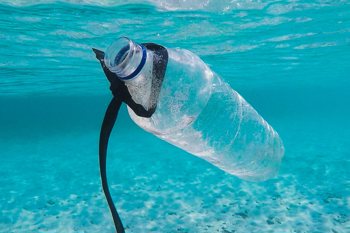
- an overall independent assessment of the past performance of the Action ‘Reducing plastic wast and marine litter in East and South East Asia – Supporting a transition to a circular economy in the region’ (PI/2019/405-400), paying particular attention to its intermediate results measured against its expected objectives; and the reasons underpinning such results;
- key lessons learned, conclusions and related recommendations in order to improve current and future Actions.
- Keywords:
- Environment, Monitoring & Evaluation
Identification and Formulation of a National Support Project on Green Economic Recovery through an Integrated Circular Economy Approach for the Philippines
- 2021 – 2021
- under € 500,000
- Philippines
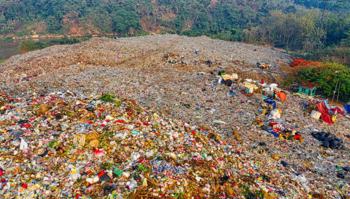
General Objective: Ensure that application of Circular Economy principles and practices in the Philippines are strengthened and embedded as part of the national strategy for post-Covid green economic recovery.
Specific Objective: Identification and formulation of a national support project steered by private sector and supervised by Government implementing Circular Economy approaches for improved plastic waste management with jobs creation, environment safeguard and climate change response co-benefits.
Tasks:
- In alignment with the provisions of the EU Circular Economy Action Plan and EU Plastic Strategy identify and formulate an industry-led and Government-steered national project for the Philippines addressing niche areas of comparative advantage for the EU to lead and be transformative in the area of plastic waste management and marine litter. The project focussed on promoting the enhancement of sustainability in the plastics supply chain and the reduction of its environmental and carbon footprint, the development of appropriate substitutions to single use plastics, job creation, and the advancement of Extended Producer Responsibility.
- The project proposed methods, investments and approaches to contribute to an improved waste management according to national climate change mitigation and adaptation targets underscored in the Philippine Nationally Determined Contribution (NDC). It took a synergetic approach to green recovery through policy support and improved waste management infrastructures, resources, enabling strategies, plans and procedures. This was linked to the broader mitigation and adaptation agenda of the Government, including through targeted policy support and capacity building.
- The project incorporated an active and comprehensive role of Civil Society, representing all segments of society in appropriate areas of engagement (e.g. awareness raising and educational initiatives, recycling, media campaigns etc.) In this context the needs of a comprehensive range of vulnerable groups, including women, children and youth, people with disabilities, indigenous people etc. were taken into consideration.
- The project secured the involvement of the Philippine Department of Environment and Natural Resources (DENR) as well as other key Government departments and facilitated a dialogue with selected EU regional Delegations.
- The availability of EU funds were modest with respect to the scale required for the intervention to be truly transformative. For this reason, a strategic approach leveraging EU funds to mobilise larger blending financing from selected E-IFIs was sought.
- Beyond co-funding of specific activities the project took stock and aligned with planned activities under the EU Team Europe Initiative (EU TEI) for the Philippines and the EU TEI for ASEAN. In addition, synergy with relevant initiatives spearheaded by EU MS and other strategic development partners in the Philippines (e.g. World Bank, Asian Development Bank and the UNDP) were included in a close dialogue.
- Partners:
- Particip (Lead), CAPA EEIG (managed by Particip), EMI (formerly: Cardno Belgium), Expertise Advisors (formerly: ETI Consulting)
- Keywords:
- Environment, Industry & private sector development
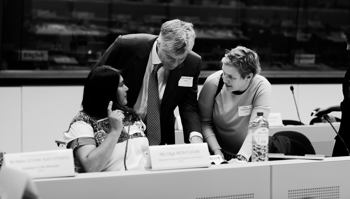
This action contributed to the effective implementation of international human rights instruments, principles and standards, primarily by means of exchange of best practices with partner countries.
The project was conceived to serve and preserve EU values and interests by means of complementary actions. It promoted policy cooperation with partner countries of strategic interest to the EU as well as enhanced the EU's visibility and coherence. This was done through the development of an analysis of the human rights situation in 13 countries, the organisation of seminars/roundtables and outreach activities. This ensured increased human rights awareness and access to human rights knowledge.
The Specific objectives were:
- 1)To ensure appropriate follow-up to political and human rights dialogues with partner countries. This includes, inter alia, facilitating south-south cooperation and exchange of ideas, knowledge and expertise on commonly identified human rights issues; providing technical assistance including in the form of trainings and roundtable discussions with governments in partner countries in order to strengthen their human rights expertise; facilitating interaction among representatives from the private sector and government representatives in partner countries to ensure compliance with the internationally recognised human rights framework; and facilitating regular interaction between partner countries with a view to building and reinforcing regional alliances which may contribute to serving EU interests in multilateral fora;
- 2)To contribute to bringing together experts from the EU and partner countries such as academics, private sector and government representatives in order to equip the EU to remain innovative and tackle emerging subjects of EU interest as a vehicle of cooperation with partner countries such as artificial intelligence, academic freedom, right to water and sanitation, economic social and cultural rights;
- 3)To support and enhance the monitoring of Generalised Scheme of Preferences (GSP) GSP+/ Everything but Arms (EBA) beneficiaries' commitments under the seven GSP core human rights conventions.
Internal studies analysing Human Rights situation in the following countries
- Armenia
- Bangladesh
- Bolivia
- Cabo Verde
- Cambodia
- Kyrgyztan
- Mongolia
- Myanmar
- Pakistan
- Philippines
- Sri Lanka
- Tajikistan
- Uzbekistan
- Partners:
- Particip (Lead), SICI Dominus
- Keywords:
- Civil society, Communication & media, Human rights, Monitoring & Evaluation
External Evaluation of EU’s Support to Conflict Prevention and Peace Building (2013-2017)
- 2018 – 2020
- € 500,000 – 1 million
- Global
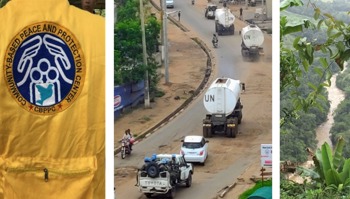
This evaluation took place in a context of a recent surge in violent conflicts and a renewed momentum on Conflict Prevention and Peacebuilding (CPPB) both at the EU and global level. Its purpose was to:
- provide the relevant EU Institutions and the wider public with an overall independent assessment of the EU support to CPPB focusing on the period 2013-2017; and
- identify key lessons, instil good practices, and produce recommendations to feed into ongoing and future approaches to EU’s engagement in the field of CPPB.
In particular, the evaluation will feed into the EU implementation of the Integrated Approach to Conflict and Crises and nurture future EU support to CPPB strategies and interventions.
The scope of the evaluation included:
- all relevant actions (including spending and non-spending activities) and all countries/regions which fall under the responsibility of DG DEVCO and DG NEAR (neighbourhood region only); and
- the work/engagement of EEAS related to them.
In terms of temporal scope, the evaluation focused on the period 2013-2018, but also took the period 2011-2012 into consideration in order to assess the evolution of EU support to CPPB.
Through the course of the evaluation, the evaluation team conducted 12 case studies (focusing on countries, regions and instruments) which were subject to an in-depth analysis, including eight field visits. Two surveys – one covering EU services in Brussels, the other covering EU Delegations/Offices worldwide – were also part of the data collection and analysis process. Findings from all evaluation activities were synthesized into a final report.
The final report is available online: https://ec.europa.eu/international-partnerships/external-evaluation-eus-support-conflict-prevention-and-peacebuilding-2013-2018_en
- Partners:
- Particip (Lead), ECDPM
- Keywords:
- Governance, Monitoring & Evaluation

Final evaluation of 2014/355-412 "Gender-sensitive Transitional Justice"
- 2018 – 2019
- under € 500,000
- Global
The overall objective of this assignment is to conduct a final evaluation of 2014/355-412 Gender-sensitive Transitional Justice.
The final evaluation will provide the European Commission, the implementing partners, and other relevant stakeholders with:
- an independent assessment of the overall intervention, paying particularly attention to the design of the tool, the set-up of the agreement, and results achieved against its objectives; and
- key lessons and recommendations in order to improve current and future actions financed under the IcSP in this sector of intervention.
The specific objectives of this final evaluation are:
- to assess the performance of the project, including type of intervention, design and execution of assignment as well as its results;
- to assess if and to what extent the project has contributed to strengthen the capacities of the implementing partners to engage in transitional justice at international, regional or local levels;
- to assess the relevance of the project in this context and sector of intervention, and in comparison to other transitional justice related initiatives;
- to make an assessment of the project’s visibility, information and communication;
- to identify and document good practices and key lessons learned on mainstreaming gender- sensitivity into transitional justice processes;
- to produce a set of recommendations that will assist the EU in designing and implementing future actions in the area of transitional justice, in applying gender-sensitive approaches to a specific thematic area, and in managing multi-country projects.
- to assess the extent to which the project has contributed to strengthen EU-UN relations in the field of transitional justice
- Partners:
- Particip (Lead), Cardno UK, Cideal
- Keywords:
- Human rights, Justice/Rule of Law

Final Evaluation of EPJUST II Project
- 2019 – 2019
- under € 500,000
- Philippines
The EPJUST II programme was designed to address some of the weaknesses identified in rule of law in the Philippines, in particular key obstacles related to justice accessibility and enforceability. In doing so, it aimed to address both the "demand" side, with the view to enhance the possibilities of rights-holders to seek justice, and the "supply" side with the view to enhance the efficiency of duty-bearers to deliver justice. The expected results were to directly or indirectly contribute to the implementation of seven out of nine key action points identified to strengthen the Rule of Law in the Philippines Development Plan(PDP) 2011-2016, aimed at improving the economic performance and reducing poverty.
The objective of the EPJUST II Programme was to help achieve equitable access to efficient legal enforcement of rights for all citizens in general and the poor and disadvantaged, including women, children, minorities, indigenous peoples, and human rights and social activists in particular.
The main objectives of this evaluation were to provide the relevant services of the European Union, the interested stakeholders and the wider public with:
- An overall independent assessment of the past performance of the EPJUST II Programme, paying particular attention to its intermediate results measured against its objectives;
- Key recommendations about sustainability of the action and exit strategy
- Key lessons and recommendations, to be drawn also from the evaluation in order to improve current implementation and future Actions.
In particular, this evaluation served the purpose of identifying key bottlenecks of actual slow–moving implementation and suggested corrective measures for a smoother implementation.
The main users of this evaluation were the EU Delegation, the Government of Philippines, the
Department of Interior and Local Government and other beneficiary Departments and Agencies.
- Partners:
- Particip (Lead), EuroPlus
- Keywords:
- Justice/Rule of Law, Monitoring & Evaluation
Support for EU coordination and increased aid effectiveness in the Philippines
- 2016 – 2019
- under € 500,000
- Philippines
The global objectives of the mission were:
1. Enhance the overall effectiveness of aid to Philippines in order to ensure more rapid achievement of Sustainable Development Goals and more rapid, equitable and sustainable poverty reduction.
2. Maximise the impact of EU aid to Philippines, through increased co-ordination, harmonisation and alignment among EU Member States and the European Commission, leading to strengthened aid effectiveness.
The specific objective was to support the EU development partners in the Philippines to improve aid effectiveness including joint programming and improved coordination mechanisms.

SWITCH Asia Policy Support Component in the Philippines - Final Evaluation
- 2017 – 2018
- under € 500,000
- Philippines
The global objective of the assignment has been to report on progress and results achieved during implementation compared to the initial objectives of the programme as well as lessons learnt.
The specific objectives has been to conduct an independent final evaluation of the Technical Assistance to the Government of the Philippines for the implementation of the SWITCH Asia Policy Support Component (ACA/2012/295-505) financed under Decision ACA/2010/022-282, also in light of synergies with other on-going EU programmes in related fields (in particular on energy).
- Partners:
- Particip (Lead)
- Keywords:
- Environment
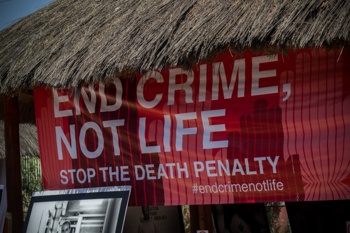
In the framework of its Partnership Instrument, the EU is pursuing action in support of the worldwide abolition of death penalty which is a top foreign policy objective and priority in the EU external human rights policy.
Asia appears as the next frontier in the international campaign against capital punishment. With eight retentionist countries of out 10 ASEAN Member States, South-East Asia (SEA) is a region where capital punishment remains a general standard, with strong roots in local history, cultures and religions/beliefs. A project "Moving away from Death Penalty in South-East Asia" has therefore been designed under the EU's Partnership Instrument. One of its components was this regional awareness campaign with the global objective to promote the abolition of death penalty in South-East Asia
Specific objectives:
- accompany the ASEAN Intergovernmental Commission on Human Rights (AICHR) death penalty study and recommendation process;
- develop and deploy a communication plan and tools in support of regional action on death penalty.
- Partners:
- Edelman Indonesia, HRWG, ICF Next
- Keywords:
- Communication & media, Human rights