Somalia
35 referencias
Third Party Monitoring Evaluation and Learning (TPME&L) and Accountability to Affected Populations (AAP) in Somalia
- 2021 – 2029
- de 5 a 10 millones de €
- Somalia
The current objective is to improve the performance of the Swiss HoA programme. This will be achieved thanks to a broad shift in posture, achieved through four highlevel outcomes: (a) improved monitoring and risk governance of the SDC HoA programme, (b) increased benefits for the most vulnerable people, including in hard-to-reach areas, through better targeting by Swiss Agency for Development and Cooperation (SDC), (c) increased number and improved quality of partnerships with local actors, and (d) improved state-led national development plan (NDP) and sustainable development goals (SDG) monitoring.
To better achieve this it is believed that third-party monitoring should be applied at the project, portfolio and strategy level, backed up by community feedback mechanisms to increase accountability to beneficiaries, and implementing partner risk assessments, audit field spot checks, in addition to training and capacity building of implementing partners. SDC will therefore be able to improve the tracking of its projects in Somalia, and also to extend the mix of aid modalities, and allow the management of projects to focus to a greater extent on risk management and trust.
Through its Whole-of-Government Regional Cooperation Strategy Horn of Africa (CS Horn of Africa) 2018-2021, Switzerland has the following priorities:
- Geographic target: At risk regions of the Horn of Africa, mainly Somalia (including Somaliland), and the Arid and Semi-Arid Lands (ASAL) of Kenya (i.e. North-Eastern Kenya) and Ethiopia (i.e. South-Eastern Ethiopia). Switzerland aims at stronger focusing its intervention to rural and harder-to-reach areas.
- Population target: pastoralists, agro-pastoralists, most vulnerable parts of population (including displacement-affected communities). Switzerland aims at better including marginalized and disadvantaged groups, such as minority groups in Somalia.
- Thematic target: Governance, Food Security, Health, Protection/Migration.
- A new Regional Cooperation Programme for the Horn of Africa will be developed in 2021 for the period 2022-25. It is expected that only minor adjustments to the mentioned geographic, population and thematic targets will occur.
Project Components and Phases. FRAP is made up of the following elements:
a) Third-Party Monitoring (TPM) (subject of this tender) and a Digital Platform b) Support to the International NGO Safety Organization (INSO) c) Possibly support to the Somalia UN Risk Management Unit (UN RMU) d) Possibly direct or indirect support to the National Bureau of Statistics of Somalia
As part of the first element, the Kulmis Support Team (KST) works with SDC, implementing partners and digital platform developers to ensure all SDC M&E tools and IP progress data are accurately transferred to the digital platform. This task also including supporting implementing partners during this transaction process, as providing trainings, supporting on filling and uploading specific progress monitoring tools, undertaking the initial QA-QC in data management, etc. In addition to that, KST regularly provides feedback to developers to ensure the digital platform is user friendly and reflects the accurate data, along with regular updates on data protocol to be adopted.
- Socios:
- Particip (líder)
- Palabras clave:
- Alimentación y nutrición, Ayuda humanitaria, Derechos humanos, Ejecución de proyectos / asistencia técnica, Formación, GCP / marco lógico, Gobernanza, Salud, Seguimiento y evaluación
Long Term Agreement for the Provision Third Party Monitoring for Mogadishu and Somaliland Area Office
- 2025 – 2028
- de 500.000 € a 1 millón de €
- Somalia
The objective of the TPM is to monitor WFP programs, provide data on the quality of implementation and monitor market functionality. The TPM conducting this exercise is expected to have strong facilitation, monitoring expertise and extensive coverage in remote and hard-to-reach areas in Somalia where WFP operational sites are ongoing.
Third Party Monitoring (TPM) providers will perform M&E support services for United Nations WFP, mainly for monitoring and survey functions. TPM staff will carry out their activities under the overall guidance of the WFP Somalia Head of PMLE, Head of Supply Chain and the Heads of Area or Field Offices. TPM field staff will be assigned to work on WFP operations on a full-time basis and will report directly to the PMLE and/or Supply Chain Lead of an Area Office/Field Office to which they will be assigned. The TPM, in consultation with WFP, will make available the number of staff needed to ensure quality monitoring in areas communicated by WFP.
- Socios:
- Particip (líder)
Strategic Communication and Public Diplomacy Facility
- 2023 – 2027
- de 2 a 5 millones de €
- Somalia
The project aims to promote and strengthen the EU’s engagement and cooperation in Somalia in pursuit of the 2030 Agenda for sustainable development.
The specific objectives are:
- the promotion of understanding and awareness of the EU values, principles, interests and specific policies, including human rights, foreign and security policy, science and research, gender equality, green deal, digitalisation, Team Europe visibility, fight against disinformation, as well its multilateral agenda.
- increasing the profile, awareness, understanding and approval of the EU’s partnership with Somalia, by focusing on and showcasing the comprehensive EU support and development cooperation.
- strengthening networks and long-term relationships with key target audiences and partners (e.g. youth, students, academics, think tanks, CSOs, business, creative industries), including leveraging existing EU programmes, in order to facilitate future cooperation across policy areas.
- Socios:
- Particip (líder), CommWithUs
- Palabras clave:
- Comunicación y medios
Third Party Monitoring & Evaluation IV - NDICI
- 2024 – 2027
- de 1 a 2 millones de €
- Somalia
The main scope of the Third Party Monitoring and Evaluation (TPME) is to monitor the execution & implementation of EU funded projects in Somalia. The contractor will carry out monitoring missions in all the regions of Somalia. The contractor will be expected to conduct field visits in all the locations where the project activities are being implemented. The contractor will identify and describe suitable methods for monitoring taking into consideration the security situation and political context.
The EUD will request the contractor to carryout an analysis and/or a study yet to be decided for a particular sector/area that is highly relevant to the context in Somalia.
The contractor will utilise the agreed reporting tools to ensure quality, as well as, ensure timely submission of periodic deliverable progress reports.
The contractor will also deliver their findings and suggestions for improvement in programme management and results delivery.
The Specific objectives of thic contract are as follows:
- Specific objective 1: To carry out regular independent monitoring of ongoing NDICI projects in Somalia.
- Specific objective 2: To conduct analysis or studies on specific thematic issues upon request.
- Specific objective 3: To provide recommendations and lessons learnes on all aspects of project implementation and progress in order for the EU to better understand the various aspects affecting project implementation and delivery and adopt the remedial measures.
- Socios:
- Particip (líder), Dansom
- Palabras clave:
- Gestión, Seguimiento y evaluación
Third-Party Monitoring for Programmes Funded by the Somalia Joint Fund (SJF) and the UN Secretary-General's Peacebuilding Fund (SG PBF)
- 2025 – 2026
- menos de 500.000 €
- Somalia
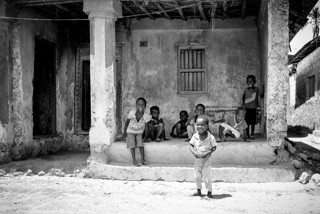
The overall objective is to independently monitor and/or verify that SJF supported activities are being implemented with quality and integrity by NGOs, Government partners and participating UN entities and to assess the impact of SJF funded programmes on the target beneficiaries in line with fiduciary principles. Independent verification will also assess the extent to which the SJF is achieving its objective, contribute to organizational learning and recommend ways in which the Fund should enhance coherence, alignment, and harmonisation based on UNSDG Pooled-Financing mechanism best practices and the Funding Compact.
The scope of work encompasses monitoring activities, which may be of either an “overt” or a more “low-profile” nature. The exact nature of the assignment will depend, among other factors, on the proposed methodology, the sensitivity/type of information requested, and the local security context at the time of deployment.
Six cross-cutting programmatic themes and approaches guide all investments by the SJF:
- Gender equality and women empowerment
- Leave no one behind
- Social contract and legitimacy
- Capacity sharing and exit strategies
- Anti-corruption
- Environment and Climate Security
- Palabras clave:
- Seguimiento y evaluación

Provision of Monitoring and Evaluation Services in Support to UNSOS Somalia
- 2022 – 2026
- de 1 a 2 millones de €
- Somalia
The main objective is to provide Monitoring and Evaluation Services in support to UNSOS in Somalia. Monitoring services will focus on responding to ongoing requests to review and assess the Strategic Communication and Public Information activities undertaken by UNSOS, UNSOM and ATMIS. As part of these services, Particip will provide 24/7 automated/recorded monitoring for all broadcasted client radio and television programs as well as UNSOS-supported community radios for the duration of the contract. Evaluation services shall include in-depth desk reviews of relevant documents, interviews, field visits, focus group discussions, surveys and analysis of public opinion.
Task Area 1: Monitoring.
- Conduct a systematic review and assessment of the Strategic Communication and Public Information (AU/UN/IST) project, comment on its relevance, and recommend measures necessary for improvement.
- Assess the reach and impact of the AU/UN/IST project outputs based on program objectives.
- Recommend specific action necessary to improve the project’s effectiveness and include additional resources required for implementation of such recommendations. Where necessary, the evaluation shall propose changes and revisions in the approaches, organization, management approach, and prioritization of AU/UN/IST activities to ensure achievement of objectives, sustainability of results, and minimize possible risks.
- Consistently monitor operations of the AU/UN/IST and similar organizations to generate ideas for new and creative strategic communication perspectives and approaches.
- Provide 24/7 automated/recorded monitoring for all broadcasted client radio and television programs as well as UNSOS supported community radios for the duration of the contract.
Task Area 2: Evaluation:
The contractor shall demonstrate their capability to:
- Review project documents, work plans, annual and semi-annual reports, performance monitoring plans, and other related technical documents.
- Interview key stakeholders including program related clients, government counterparts and civil society representatives, TCCs.
- Conduct specific field visits and observe the activities in action.
- Conduct focus groups and surveys of audiences to measure impact of project services and outputs.
- Design and implement baseline, mid-line and end-line opinion polls and surveys of Somali citizens’ perceptions of the clients’ stabilization efforts.
- Conduct a critical analysis of public opinion evolution and identify new developments in the public domain that could be leveraged to shape public opinion.
- Conduct an objective assessment of AU/UN/IST strengths and weaknesses.
- Conduct Focus Group Discussions (FGDs).
- Generate situation analysis and issue-based briefing papers.
- Socios:
- Particip (líder), Dansom
- Palabras clave:
- Seguimiento y evaluación

The overall objective of the Press and Public Information Office (hereafter 'PPI Office') is to publish messages which will show the impact and achievements of the Mission to key target audiences, creating interest, partnership, and support for the Mission in carrying out its mandate. High quality multimedia products and visuals are pivotal to attract attention of target audiences and to show the expertise driven work of EUCAP Somalia. The overall objective of this contract is therefore to enable the PPI Office to fulfil this task by producing multimedia products of professional standard, finalised visuals and editorial materials, which showcase both the Mission’s work, and day to day life in Somalia on themes relevant to the Mission’s activities in support of peace and security.
The specific objectives of this contract are as follows:
Specific objective 1: To develop high quality photos that demonstrate EUCAP Somalia’s work, and deliver communication materials which will be well received and appreciated by the target audiences and will thus help to fulfil the mandate.
Specific objective 2: To develop high quality videos that demonstrate EUCAP Somalia’s work, and deliver communication materials which will be well received and appreciated by the target audiences and will thus help to fulfil the mandate. It includes multimedia production and editing, including videos, news clips and advertisement.
Specific objective 3: To provide visual design services for printed and online materials.
The expected outputs of this contract are as follows:
Output 1: Provide professional photography services, namely capturing high-resolution images and videos in EUCAP’s area of operations (Somalia, including Somaliland).
Output 2: The Mission’s presentation videos are professionally produced and published on different channels (usually website and social media channels). Video clips shot by the EUCAP Somalia staff and contractors and sent to the contractor are edited professionally.
Output 3: The Mission’s printed and online materials, drafted by the Press and Public Information Office and sent to contractor for visual design or finalization of the design drafted by the PPIO, have professional, contemporary look which will support the communication objectives and brand image defined in Communication and Information Strategy.
- Palabras clave:
- Comunicación y medios
Final evaluation of the RE-INTEG Programme
- 2025 – 2026
- menos de 500.000 €
- Somalia
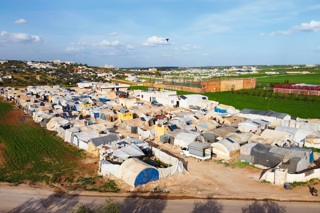
RE-INTEG (“Enhancing Somalia’s responsiveness to the management and reintegration of mixed migration flows”) is a long-term EU Trust Fund for Africa (EUTF) programme in Somalia with a total budget of EUR 55 million, implemented from September 2016 to December 2025 across Somalia, including Somaliland and all Federal Member States. The programme supports a development-oriented response to displacement and mixed migration, aiming to strengthen stability and socio-economic recovery by improving absorption capacities and livelihood conditions in areas of return and departure. Its specific focus is on enabling sustainable and durable reintegration of refugees, returnees (including from Yemen, Kenya, Europe and other areas of departure) and IDPs, and helping to “anchor” populations within Somalia.
Operationally, RE-INTEG is structured around four broad result areas: (1) closing gaps in the management of refugees and returnees; (2) strengthening rule of law and governance through improved policies/legal frameworks for displacement and migration and enhanced cross-border cooperation; (3) improving access to basic services and livelihood opportunities in key areas of return/departure through area-based approaches implemented by multiple consortia; and (4) supporting Somalia’s COVID-19 response as an additional result introduced through a programme adjustment. Implementation is delivered through several major contracts involving partners such as IOM, UNHCR, IDLO, WHO and multiple NGOs/UN actors working on protection, services, livelihoods, and institutional capacity.
The final evaluation will provide an independent assessment of the programme’s performance and results, explain what has driven or constrained achievements, and generate lessons learned and actionable recommendations to inform ongoing implementation and future EU engagement on durable solutions and mixed migration management. It assesses RE-INTEG against the DAC criteria (relevance, coherence, efficiency, effectiveness, sustainability, and early signs of impact) plus EU added value, while also considering cross-cutting priorities (notably gender and environment/climate where relevant) and programme governance/coordination arrangements led by the EU Delegation with Somali counterparts and implementing partners.
- Palabras clave:
- Derechos humanos, Seguimiento y evaluación
Evaluation of the Programme 'Inclusive Local and Economic Development - ILED' in Somalia (T05-EUTF-HOA-SO-57)
- 2025 – 2026
- menos de 500.000 €
- Somalia
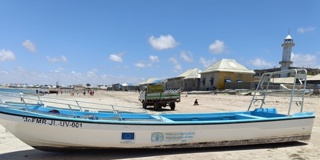
The 'Inclusive Local and Economic Development' (ILED) programme comprised 14 individual interventions in Somalia. The overall objective of ILED was to contribute to stability in Somalia by extending state authority and services, promoting local reconciliation and peacebuilding, creating inclusive economic opportunities, and protecting the most vulnerable. In line with this objective, the 14 interventions were organised under three thematic pillars: stabilisation and governance, inclusive and sustainable economic growth, and social safety nets. Using an integrated territorial approach, the programme was implemented in four strategic corridors of Somalia: Juba River, Shabelle River, Central-North, and Somaliland. ILED was financed by the EU Emergency Trust Fund for Africa with a total budget of almost 100 million EUR.
The evaluation was commissioned by the EU Delegation to Somalia. Its global objective was to provide the relevant services of the EU and interested stakeholders with an overall independent assessment of the performance of the ILED programme, paying particular attention to the results achieved and the underlying reasons of these achievements. It also sought to identify lessons learned, conclusions, and recommendations to improve current and future interventions. The object of evaluation was the programme level (rather than the individual interventions). The evaluation scope covered the entire implementation period from September 2018 to December 2025, all three thematic pillars, and all four geographic corridors.
The methodology to answer the six evaluation questions (EQs) relied on a reconstructed Theory of Change and a mixed methods (albeit predominantly qualitative) approach. After a comprehensive document review, the evaluation team conducted field missions in the four corridors of the programme in Somalia, as well as meetings in Nairobi. The evaluation findings were presented in a dissemination seminar in Mogadishu.
- Socios:
- Particip (líder)
- Palabras clave:
- Desarrollo rural y urbano, Gobernanza, Industria y desarrollo del sector privado, Infraestructuras, Seguimiento y evaluación
Somalia Crisis Recovery Project - Independent Verification Agent (IVA)
- 2021 – 2026
- de 500.000 € a 1 millón de €
- Somalia
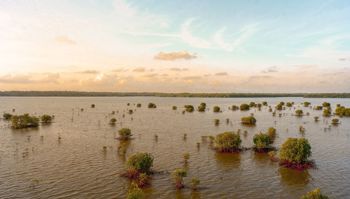
The Somalia Crisis Recovery Project is a flood and disaster recovery, and reconstruction project financed by the World Bank to the Federal Ministry of Finance (MOF). It will support immediate and sustainable flood recovery and finance activities to mitigate against future shocks, by supporting: (a) immediate early floods recovery and service delivery restoration activities; (b) immediate support activities to respond and mitigate COVID 19; (c) medium-term rehabilitation of flood-impacted infrastructure, services and livelihoods; (d) elements of immediate and longer-term crisis preparedness and recovery; (e) detailed flood risk management plans, including both structural and non-structural flood risk management solutions for the country; and (f) support to enhance government performance and accountability and citizen engagement in service delivery.
The overall objective of the assignment is to provide independent review of project implementation and verification of all project results.
The project components include:
- Component 1: Immediate basic services and livelihood support for early recovery
- Component 2: Medium-term flood recovery
- Component 3: Longer-term disaster risk management and preparedness
- Component 4: Project Management
- Component 5: Contingency Emergency Response Component
As part of the Component 2 verification activities, the team is undertaking progress monitoring and assessment of river embankments, health facilities, roads and irrigation canals, through technical assessment of measurements of construction sites and materials, and verification of compliance as per the works contract.
The Project’s early recovery and locust preparedness activities will likely take six to twelve months to complete, while an overall four-year project duration is proposed to: (a) allow the completion of infrastructure activities to building-back-better standards; (b) allow time for the FGS-Federal Member State (FMS) project management arrangements to become functional, and (c) support longer-term resilience building and risk management within Government. The Project will follow a rigorous prioritization and sequencing exercise based on the needs identified in the FINA, to identify state-level annual investment plans.
- Socios:
- Particip (líder), Dansom
- Palabras clave:
- Agricultura, Desarrollo rural y urbano, Infraestructuras, Medio ambiente, Salud, Seguimiento y evaluación
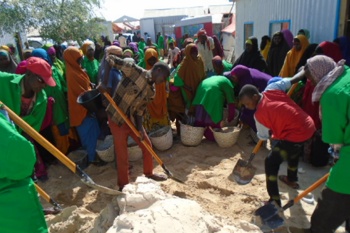
Third Party Monitoring & Evaluation III - EUTF
- 2022 – 2025
- de 500.000 € a 1 millón de €
- Somalia
Purpose 1
- Carried out independent monitoring of ongoing EUTF priority projects in Somalia in order to: Carried out visits to project sites (spot checks), especially on problematic EUTF-funded priority projects
- Verified and monitored if programme activities were being implemented in line with the approved framework (logframe) in terms of relevance, efficiency, effectiveness, and sustainability; verified data provided by the implementing partners
- Monitored whether EU visibility was ensured by the projects in accordance with the contractual obligations
- Verified and monitored if cross-cutting issues such as gender, the environment, and special needs were being taken into account during project implementation
- Established whether beneficiaries and targeted populations were satisfied with the results and services provided, including numbers of beneficiaries, preferably sex- and age-disaggregated (where relevant)
Purpose 2
- Provided recommendations on all aspects of project implementation and progress in order for the EU to better understand the various aspects affecting project implementation and delivery and adopt remedial measures. More specifically, the purpose was:
- Identified challenges and remedial measures, e.g. logframe revisions and activity adjustments
- Verified compliance with EU procurement procedures and, where relevant, carried out technical audits to reduce fraudulent cases
- Provided sector-wide linkages, achievements, lessons learned, and recommendations to inform future programmes
Purpose 3
- Carried out specific monitoring of how thematic issues were being addressed at project level and upon request by the EU Delegation
- Socios:
- Particip (líder)
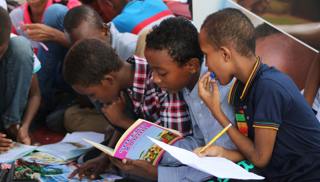
Global Education Policy Dashboard
- 2024 – 2025
- de 500.000 € a 1 millón de €
- Somalia
This consultancy aimed to comprehensively assess the quality of education provision in Somalia, evaluate education policies, and examine the government’s capacity at both national and federal levels to provide, regulate, and monitor education services. The project focused on gathering insights into the key challenges affecting enrollment growth and student learning outcomes in primary and secondary schools, as well as how schools are financed and managed. The project included two primary components of data collection:
1) A School Survey across 700 randomly selected schools, including interviews with principals and teachers, assessments of students and teachers, and live classroom observations
2)
A Survey of Public Officials, targeting 200 public officials at the national and federal levels to gather information on government capacity, bureaucratic processes, and education policies
The consultancy provided a robust analysis of factors affecting the education system, focusing on:
- Assessing the barriers that prevent growth in primary and secondary school enrollments and student learning improvements
- Profiling public and private education providers and analyzing the roles they play in delivering education services
- Identifying factors that influence variations in student learning outcomes, providing a data-driven understanding of the issues
- Understanding how schools are financed, their resource allocation, and spending efficiency
- Investigating the role of community committees in education service delivery, governance, and decision-making at the school level.
Collected data supportted World Bank in providing policy recommendations and actions aimed at increasing enrollment rates and improving student learning outcomes.
- Socios:
- Dansom (líder), Particip
- Palabras clave:
- Educación, Seguimiento y evaluación

The objective of this facility is to improve the overall quality of the NDICI Rapid Response and Peace, Stability and Conflict Prevention thematic areas by providing high quality research services.
We will provide the FPI with flexible and ad hoc research services and prepare literature reviews and rapid assistance reports in the thematic areas specified below.
- Socios:
- Particip (líder), SICI Dominus
- Palabras clave:
- Ayuda humanitaria, Medio ambiente
Meta-analysis of Country Programmes 2021–2024
- 2023 – 2024
- menos de 500.000 €
- Global
The purpose of the meta-analysis of the 2021-2024 Country Programmes in Finland's 10 partner countries was to support the achievement of Finland’s development policy objectives in the partner countries, and to provide information for the further development of the Country Programmes and their implementation at the strategic level. The meta-analysis and its recommendations supported the regional departments in the programming of the next generation of Country Programmes, and in their subsequent management.
The meta-analysis comprised a desk review of available information and stakeholder feedback (phase 1) as well as self-assessment workshops with each country team, to assess contributions to results and to discuss further scenarios.
The specific objectives of the analysis were:
1. To synthesise key developments in the 10 partner countries with relevance for the respective Country Programmes
2. To assess the degree and usefulness of adaptive management of the Country Programmes during the current programme cycle
3. To assess the degree to which Country Programmes have contributed to intended (or unintended) Country Programme results and to analyse the factors explaining these contributions (or the absence of contributions)
4. To assess the sustainability of Country Programme results
5. To assess the value-add of Country Programmes compared to planning and implementing separate projects
6. To support the preparation of the next cycle of Country Programmes
- Socios:
- Particip (líder), NIRAS
- Palabras clave:
- Seguimiento y evaluación

Support to the implementation of the Communication and Public Diplomacy Strategy for Somalia
- 2022 – 2024
- menos de 500.000 €
- Somalia
The overall objective was to increase awareness of the EU values and principles and the longstanding partnership with Somalia, by focusing on and showcasing the comprehensive EU support and development cooperation between 2022-2024.
- Objective 1: Technical support to the EU Delegation on the implementation of the Strategy on Communication and Public Diplomacy 2022 – 2024
- Objective 2: Providing communication and visibility services as requested by the EU Delegation
- Socios:
- Particip (líder)
- Palabras clave:
- Comunicación y medios
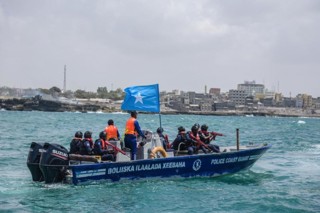
Coverage of ATALANTA High Level event in April 2024
- 2024 – 2024
- menos de 500.000 €
- Somalia
Operation Atalanta, formally European Union Naval Force (EU NAVFOR) Somalia, is an ongoing counter-piracy military operation at sea off the Horn of Africa and in the Western Indian Ocean, that was the first naval operation conducted by the European Union (EU). Particip produced a highlight video and photos of an high level event on 30.04.2024.
- Palabras clave:
- Comunicación y medios
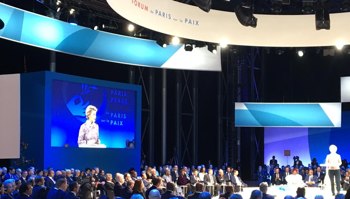
Provision of expertise and tools to support Recovery and Peace Building Assessments and Post-Disaster Needs Assessments
- 2017 – 2024
- de 2 a 5 millones de €
- Global
The Particip-led “Post Crisis Assessment and Recovery Planning: Support Office of the EU“ provided systematic support to all stages of disaster- and conflict-related needs assessment missions.
As part of the 2008 Joint Declaration on Post-Crisis Assessments and Recovery Planning, the World Bank (WB), United Nations (UN), and European Union (EU) have committed to providing joint support for assessing, planning, and mobilising efforts toward recovery, reconstruction, and development in countries affected by crises. This tripartite agreement was executed via the mechanism of joint Recovery and Peacebuilding Assessments (RPBA), Post-Disaster Needs Assessments (PDNA), and Pandemic Recovery Needs Assessments (PRNA).
The activities of the advisory team included:
- Provision of support to EU Delegations around the world and EU Services in Brussels in the planning, undertaking and reporting of post crisis assessments: RPBA: support to peacebuilding through short- and longterm support to specific EUDs. Trainings and and workshops for local authorities, ministries and EU staff. PDNA: post-disaster assessments and support to recovery including trainings and workshops. CRNA/PRNA: COVID/pandemic recovery needs assessments and support to recovery including trainings and workshops.
- Support to third countries to build their capacity to carry out RPBAs, PDNAs, and PRNA this includes institutional strengthening and inter-institutional coordination such as the HLAG (High-level-Advisory-Group) composed of WB, UN and EU;
- Facilitate coordination of EU and tripartite input to the implementation of the joint declaration (conceptual work and RPBA/PDNA/PCNA missions);
- Elaborate a preliminary early and longer-term framework (which identifies key recovery sectors, peacebuilding priorities, etc.)– in close cooperation with the EU Delegation and other relevant EU services, including identification/definition of sectors requiring additional EU support (whether provided through short-term assistance under the present project or not), essential cross-cutting issues, a tentative recovery calendar, recovery information management systems, the existing capacity in-country and institutional and legal arrangements for national Authorities, recovery support anticipated, etc.;
- Deployment of experts in RPBA/PDNA/PRNA missions, and
- Revise and/or updating the methodologies as necessary.
Recovery and Peacebuilding Assessments (RPBAs) offered countries a standardised and internationally recognised approach to identify the underlying causes and impacts of conflict and crisis. The RPBA had three primary purposes:
- to help governments identify, prioritise and sequence recovery and peacebuilding activities,
- to provide an inclusive process to support political dialogue and participation of stakeholders,
- to coordinate international support through a joint assessment and a joint recovery and peacebuilding plan as well as a monitoring system.
Post-Disaster Needs Assessment (PDNA) assisted governments with assessing the full extent of a disaster’s impact on the affected country and, on the basis of these findings, producing an actionable and sustainable Recovery Strategy for mobilizing financial and technical resources. The internationally recognised PDNA methodology is a key commitment mentioned in the the Joint Declaration on Post-Crisis Assessments and Recovery Planning. In May 2020, in order to respond to the COVID-19 pandemic, the PDNA methodology was adapted to elaborate a COVID-19 Recovery Needs Assessment (CRNA) methodology.
Recovery and Peace Building Assessment (RPBA)
Myanmar (Jan 2018); Burkina Faso (Jun 2019-June 2021); Mozambique (RPBA Nov 2020-Nov 2021); Azerbaijan (Joint Recovery Needs Assessment - falls outside the RPBA framework, Scoping Mission March 2022); Libya (Stocktaking 2018-2019, RPBA 2022)
Post-Disaster Needs Assessment (PDNA) & Disaster Risk Framework (DRF)
Myanmar (Jan 2018); Syria (Feb 2018); Ivory Coast (July-Sept 2018); Tunisia (Oct 2018); Bangladesh (2018); Georgia (2018); Tonga (2018); Fiji (2018); Mozambique (Apr–Aug 2019);
Central African Republic/CAR (July 2019); Somalia (Drought Impact Needs Assessment/DINA, July - Aug 2018); Albania (Dec 2019-Feb 2020); Lebanon (Rapid Damage Needs Assessment/RDNA, Aug 2020); Lebanon (DRF, Sep 2020-2021); Saint Vincent and the Grenadines (June–Aug) 2021); El Salvador (June-Dec 2021); Haiti (Sep-Oct 2021); Haiti (DRF, Nov-Dec 2021); Pakistan (Sep-Nov 2022); Pakistan (DRF, Nov-Dec 2022); Belize (Jan-Feb 2023); Turkey (Feb-Mar 2023); Ukraine Khakhova dam (June 2023), Myanmar (CMRNA , Sep 2023); Libya ( RDNA, Sep 2023); Afghanistan ( Oct 2023); Afghanistan ( AFPR-PDNA like Refugee support assessment, Nov 2023)
COVID-19 Recovery Needs Assessment (CRNA)
Ecuador (July 2020-Apr 2021); El Salvador (July-Sept 2020); Dominican Republic (Dec 2020-Feb 2021); Zambia (Feb-Aug 2021); Eswatini (Dec 2020-Nov 2021)
Trainings: Recovery and Peace Building Assessment (RPBA)
Bangkok, Thailand (Dec 2017); Lebanon (Apr 2018)
Trainings: Post-Disaster Needs Assessment (PDNA) & Disaster Risk Framework (DRF)
Dominican Republic (Nov 2017); Fiji (Mar-Apr 2018); Vanuatu (Apr 2018); Somalia (May 2018); Myanmar (Aug 2018); Mauritius (Oct 2018); Djibouti & Ethiopia (Feb 2019); Chad (Apr 2019); CAR & Congo (July 2019); India (Aug 2019); Kenya (Sept 2019); Caribbean (Nov 2019); St. Lucia (Nov 2019); Balkans (Sarajevo, Bosnia & Herzegovina, Feb 2020); Mexico (Feb 2020); Liberia (Mar 2020); Senegal (May 2021); Europe and the Commonwealth of Independent States/ECIS region (Jun 2021); University of West Indies (Training of Trainers/ToT, Dec 2021); Panama (PDNA/DRF, Latin American countries/LAC, Mar 2022); Belgrade (ECIS DPPI-SEE, Jun 2022); Regional ECIS (DRF, June 2022); Columbia (PDNA/DRF, July 2022); Costa Rica (PDNA/DRF, July 2022); Barbados (Caribbean countries, Mar 2023); Training Togo Regional ECOWAS (PDNA/DRF, May 2023); Antigua and Barbuda, Saint Johns (DRF, Sept 2023)
Trainings: COVID-19 Recovery Needs Assessment (CRNA) & Pandemic Recovery Needs Assessment (PRNA)
Sahel Region Academia (Nov 2020); Sahel Region government staff and regional organisations (Dec 2020); Ghana (Mar 2021); India (PRNA, Mar 2023)
Other Events
Fragility Forum (RPBA, Mar 2018); Paris Peace Forum (RPBA/PDNA 2019); Paris Peace Forum (RPBA/PDNA, Nov 2020); EU Information Session (Oct 2021); EU Information Session: Asia/Pacific Hub (April 2022); World Reconstruction Conference 5 and Global Platform for Disaster Risk Reduction/GPDRR (Apr 2022); International Society for Photogrammetry and Remote Sensing (ISPRS) Congress (satellite, June 2022); EU Information Session: Caribbean Region (online, June 2023); Slow Onset Event Damage and Loss Workshop ( Nov 2023); Cyclone Mitch 25 year Commemoration ( Oct 2023)
- Socios:
- Particip (líder), GIZ InS
- Palabras clave:
- Ejecución de proyectos / asistencia técnica, Formación, Gobernanza, Sociedad civil
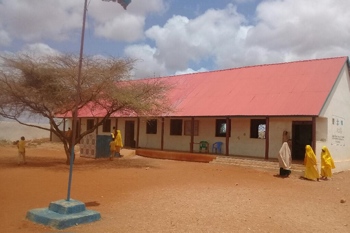
Third Party Monitoring & Evaluation III - EDF
- 2021 – 2023
- menos de 500.000 €
- Somalia
The objective of the Third Party Monitoring and Evaluation activity was to monitor and evaluate the execution and implementation of EU funded projects in Somalia. Monitoring missions were carried out in all the regions of Somalia, including direct field visits to all the locations where the project activities were being implemented. The contract had three main purposes:
- Result 1: Provided specific monitoring reports on the implementation progress of ongoing EDF priority projects. These reports clearly reflected relevance, effectiveness, efficiency, sustainability, and impact, along with conclusions and any other relevant information collected during the monitoring mission.
- Result 2: Offered recommendations, and where relevant, improved indicators of outputs, outcomes, and impact that could be applied in the remainder of the implementation of the projects.
- Result 3: Provided specific monitoring reports on thematic issues as specified and requested by the EU Delegation.
- Socios:
- Particip (líder)
- Palabras clave:
- Seguimiento y evaluación
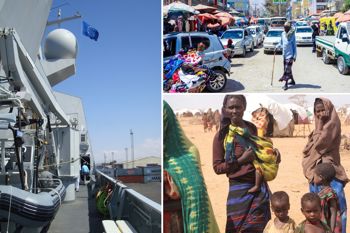
Evaluation of the European Union cooperation with the Federal Republic of Somalia (2014-2021)
- 2022 – 2023
- menos de 500.000 €
- Africa (Eastern)
The evaluation focused on Somalia, including Somaliland, and had as overarching objectives to provide the relevant external co-operation services of the EU and the wider public with an overall independent assessment of the EU’s past and current cooperation with the Federal Republic of Somalia, and to identify key lessons and to produce recommendations in order to inform the responsible decision-makers.
The more specific objectives of the evaluation were:
- To take stock of the results achieved during the cooperation period 2014-2021 with Somalia, and to identify which factors have supported and contributed the achievement of results and have hindered or even blocked their achievement;
- To assess along the six OECD/DAC evaluation criteria, namely relevance, efficiency, effectiveness, coherence, impact and sustainability, plus the EU’s additional criterium of EU value added, the performance of the EU’s support in terms of non-spending (mainly policy dialogue) and spending activities (i.e., financial assistance);
- To investigate and assess the extent to which EU’s interventions financed from the 11th EDF were coherent, complementary, of added value and coordinated with other actions financed and supported by other EU instruments, or actions carried out by EU-MS, regional and international donors, i.e., state and/or international organisations;
- Looking forward, to nurture strategies and future interventions of the ongoing programming period (well noting that the broad programming lines for the funding period 2021 to 2027 have been defined, but recognising that there is space for adaptation and for further development of the cooperation portfolio); and
- To assess the extent to which the EU has been able to respond to security, peace, development and humanitarian challenges in the country and how the EU has positioned itself in Somalia in terms of the design, implementation, results and impact of its interventions.
Beyond that, the evaluation played significant role in the discussions on the EU’s wider strategy in the Horn of Africa as well as in discussions on the use of aid modalities, including budget support, in fragile and conflict-ridden country contexts, at a broader level.
- Socios:
- Particip (líder), ECDPM
- Palabras clave:
- Agricultura, Educación, Gobernanza, Justicia / Estado de derecho, Macroeconomía / política nacional, Seguimiento y evaluación
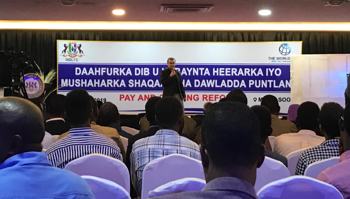
Puntland Pay and Grading Reform - Additional Services
- 2021 – 2022
- menos de 500.000 €
- Somalia
The World Bank has worked with the Federal Government of Somalia and the Government of Puntland State of Somalia to develop the Capacity Injection Project. The project supported an assignment promoting Pay & Grading Reform in Puntland from August 2019 to July 2020. World Bank, Government of Puntland State and the Capacity Injection Project were promoting the next phase of activities, namely further activities in support of building on the options presented in the completed assignment, to undertake the necessary steps to finalize and implement pay & grading policy solutions for Puntland.
The overall objective was to support pay & grading reform in Puntland based on international best practice.
The specific objective was to build on the previously undertaken work to gather and provide necessary information for the Puntland Government to allow Government to make informed decisions in determining a final pay & grading policy for Puntland.
The Somalia Country Programme (2019-2023) and Peace and Stabilisation Programme (2018-2022) operated in a political challenging and fluid context. In order to ensure proper tracking of the engagements and their developments, progress and results, both programmes, were receiving assistance in ensuring the necessary quality assurance of the management of the result frameworks, theory of change and the risks identified and reporting by setting up and running a robust monitoring and reporting system.
The overall objective of the Assignment was to support the Client in:
- establishing and facilitating a functioning MEAL including risk management system for the two programmes and their engagement documents based on an improved result framework, theory of change and risk set up in order for the Client to strengthen programme efficiency and effectiveness, facilitate learning and ensure informed decision-making by the Client and its partners related to the implementation and development of the programmes; and
- communicating to both the Somalia and Danish general public and other identified recipients, relevant achievements and results obtained by the two programmes.
The overall objective of the Somalia Country Programme (2019 – 2023) (SCP) was to contribute to: “Basic building blocks put in place for the development of a resilient, stable and peaceful Somalia based on responsive and inclusive governance and a growing and poverty-reducing economy”. The SCP contained three Thematic Programmes (TPs):
1) Strengthen resilient, responsive and inclusive governance able to deliver basic services and to promote and protect fundamental human rights.
2) Develop an enabling economic environment through core economic institutions and regulations and strengthen inclusive private sector led development and economic growth through critical and diversified livelihoods.
3) Develop protection and safety nets to enhance resilience, enable durable solutions and reduce forced displacement.
The main objective of the Peace and Stabilisation Programme (2018-2022) (PSP-HoA) was “improved peace and stability in the Horn of Africa by strengthening local, national and regional actors’ capacity and ability to manage conflict and insecurity, counter threats and exercise legitimate authority”. The PSP-HoA had three overriding Thematic Programmes (TPs):
1) Strengthened regional conflict management capacity and efforts of the actors engaged in promoting stabilisation and security in Somalia
2) Reduced levels of violent extremism in the Horn of Africa with a particular focus on Somalia through prevention and disengagement..
3) Improved capacity to exercise regional and governmental authority across land and maritime borders.
- Socios:
- Particip (líder), Dansom
- Palabras clave:
- Seguimiento y evaluación
Promotion of the return of Somali refugees with a community oriented reintegration approach: Consultancy for Third Party Monitoring and Evaluation in Somalia
- 2021 – 2022
- menos de 500.000 €
- Somalia
In January 2015, the German Federal Ministry for Economic Cooperation and Development (BMZ) contracted GIZ to assist the Government of Somalia with the social and economic (re-) integration of returnees, internally displaced persons (IDPs) as well as members of the host community of Kismayo in Jubaland. This project has been extended to run until 12/ 2022, under the title “Somali Reintegration Program” (SRP) with the aim of supporting returnees, IDPs and host community members of Kismayo to establish and secure sustainable livelihoods through a community-based approach of (re-)integration.
The main objective of this assignment was to provide primary data and analysis by conducting independent monitoring and evaluation of project activities to draw conclusions on outcomes, impacts and sustainability of project activities. To that end, the consultant collected data by observations, key informant interviews, and other methods he or she deems necessary to provide an accurate overview of the implementation progress in order to ensure compliance with the contractual arrangements of implementing partners.
The project was implemented in five fields of action: (1) improving the functioning of social and economic infrastructure; (2) promoting income-generating opportunities through business support, employment promotion, and the provision of employment services; (3) qualifying selected local authorities and institutions in managing the (re-)integration of returnees and IDPs; (4) providing basic psycho-social support (not to be included in the TPM) as well as (5) providing short-term services to strengthen the resilience of the population to COVID- 19.
The project followed a participatory approach: activities were closely developed, implemented and monitored through GIZ’s cooperation with target beneficiaries, governmental, international and national partners. Harmonization with other sectors including agencies and other coordination structures was imperative to ensure synergies and project success. The modes of deliveries were grant agreements with national and international NGOS, financial agreements with governmental agencies and consultancies. Less than 10 % were implemented by GIZ personnel. The main task of the GIZ personnel was the provision of capacity development of public institutions/ partners, the conceptualization of the contracts with governmental and non-governmental partners, guidance of NGOS, and mentoring.
- Socios:
- Particip (líder), Dansom
EU visibility and communication contract for Somalia
- 2018 – 2022
- de 1 a 2 millones de €
- Somalia
After 25 years of state disintegration, conflict and people’s displacement, Somalia was on a path to become a peaceful, stable and democratic country. It was no more a failing state but a recovering state, emerging from fragility with the support of the international community, and more particularly the European Union which had been a lead actor over the past decade.
The overall objective of the assignment was to enhance visibility and communication of the European Union in Somalia and improve awareness and recognition of the EU-Somalia partnership in all relevant sectors of cooperation (political economic, development and other major policy areas of common interest) and in line with the EEAS communication guidelines.
Objective 1 was to support the staff of the EU Delegation to Somalia to review its work on communication and visibility by recommending how to improve the planning, design and implementation of information, communication and visibility activities and events.
Objective 2 was to increase awareness of the EU-Somalia partnership and the level of familiarity with the EU and its degree of recognition within and outside Somalia, as well as the visibility of the actions under the EDF and EUTF decisions funding of this contract.
- Palabras clave:
- Comunicación y medios
The objective of the Third Party Monitoring and Evaluation activity was to monitor and evaluate the execution and implementation of EU funded projects in Somalia. Monitoring missions were carried out in all the regions of Somalia, including direct field visits in all the locations where the project activities were being implemented. Suitable methods for the monitoring were being developed, taking into consideration the security situation and political context.Findings and suggestions for improvement in programme management and results delivery were being delivered for each monitored project.
In addition to monitoring and evaluation of the projects, support was provided foridentification and formulation of new EU programmes/projects, which could best contribute to the broader EU cooperation strategy and development in Somalia. The project provided sector wide linkages, achievements, lessons learned, recommendations to inform future programmes.
The result to be achieved were as follows:
- Result 1: Provide specific monitoring reports on the implementation progress of ongoing EUTF & EDF priority projects. These reports should clearly reflect relevance, effectiveness, efficiency, sustainability and impact, conclusions and any other relevant information collected during the monitoring mission.
- Result 2: Recommendations, and where relevant, improved indicators of outputs, outcomes and impact that can be applied in the remainder of the implementation of the projects.
- Result 3: Share with the EU, Somali authorities and implementing partners the lessons learnt, achievements and best practices on a sector wide level in a user-friendly accessible manner.
- Socios:
- Particip (líder), Axiom ME, Dansom
- Palabras clave:
- GCP / marco lógico, Seguimiento y evaluación
Consultancy Services to Carry out Re-organization and Modernization of the Ministries, Departments and Agencies of Somaliland Government (Civil Service Strengthening Project)
- 2020 – 2021
- menos de 500.000 €
- Somalia
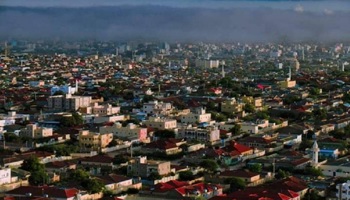
The Government of Somaliland (GoSL) was supported to improve capacity to perform key government functions, strengthen its policy capabilities and improve civil service management including support to improve institutional, organizational and individual level capacity to improve public sector performance.
Organizational performance is directly dependent on the quality of staff performing well-defined functions on the basis of clearly defined mandates and availability of appropriate tools and enabling work conditions.
The Civil Service Strengthening Project (CSSP), funded by the World Bank, aimed to support the GoSL to conduct a rapid assessment of mandates, functions and staffing requirements of ministries, departments and agencies (MDAs) including taking them through a visioning process to define their vision, mission and value system.
The key objective was to support the establishment and/or strengthening of Human resources and the Policy and planning departments in the beneficiary institutions (BIs) and the roll out of related reforms in these areas.
The objective of this assignment was to provide technical assistance to support a diagnostic assessment of the organizational set up of MDAs focusing on their mandates, functions, and organizational structures, staffing requirements and administrative policies, processes and systems.
The assessment identified:
- National development priorities that MDA contributes, Service Delivery and performance issues;
- Gaps in mandates and functions in the context of government performance on national development objectives;
- Relevance of the current organizational structure to the mandates and functions and proposed changes and recommendations in the organizational structure, taking into account relevant international experience;
- Vision, mission and value statements of MDA in line with NDP2 and HR best practices
- Relevance of current staffing to the mandates and functions and recommendations on staffing requirements, taking into consideration impact on the wage bill of MDA;
- Critical and strategic positions to be filled through the Talent Management Program (TMP).
The result of the organizational assessment facilitates the identification of critical and strategic positions to be filled through the Talent Management Program.
- Socios:
- Particip (líder)

Provision of technical and capacity building services in Somalia and Somaliland under the Somalia Investment Climate Reform Program
- 2019 – 2020
- menos de 500.000 €
- Somalia
The Somalia Investment Climate Reform Program (the Project), which was implemented by the Equitable Finance and Innovation (EFI) VPU of the World Bank Group (WBG) sought to catalyze investment and enhance private sector-led economic growth and competitiveness through targeted investment climate reforms in Somalia.
This has been achieved through the implementation of economy-wide and selected sector-specific investment related reforms in Somalia. In order to: i) ensure a seamless transition from the just concluded first phase to second phase program, ii) sustain implementation of ongoing reforms (initiated under SICRP1); and iii) effectively kick start reform activities proposed under the new projects, to provide onsite support (in Mogadishu and Hargeisa) for the reforms and to build government capacity in Somalia throughout the first year of project implementation (July 2019 - June 2020). The project team has implemented measures geared towards providing longer-term on the ground support, capacity building, technical advice, and reform facilitation to the client.
Scope of the assignmet was to support the delivery of Somali Unlocking Sectoral Investment Project and the Somali Investment Climate Reform 2 (SUSIP and SICRP 2) objectives in Somalia and Somaliland.
Key Deliverables
- 2 to 3 key reforms under the Somali Unlocking Sectoral Investment Project and the Somali Investment Climate Reform 2 project
- Monthly progress reports, that showed activities accomplished/progressed, challenges with clear recommended next steps for the following months, as well as key issues needing management attention/action.
- Bi-weekly progress updates.
- Assignment completion report, that showed completion of all project deliverables and tasks, and showing lessons learnt recommendations for management as well as any other relevant observations.
- Deliverables under the specific terms of references for the required expertise.
- Socios:
- Dansom (líder), Particip
- Palabras clave:
- Industria y desarrollo del sector privado

Puntland Government Pay and Grading Reform
- 2019 – 2020
- menos de 500.000 €
- Somalia
The Federal Republic of Somalia received financing from the World Bank toward the cost of the Somalia Capacity Injection Project. The World Bank worked with the Federal Government of Somalia and the Government of Puntland State of Somalia to develop the Capacity Injection Project to support the flagship programme. A key component of the project sought to improve policies and procedures for civil service management including development of public sector pay and grading policy and implementation plan to include reclassification of civil service jobs and implementation of pay and grading reforms. This necessitated the provision of technical assistance to establish civil service jobs (establishment posts) across ministries, departments and agencies (MDAs) on the basis of clear organizational mandates, optimal structures and functional responsibilities.
The objective of the assignment was to carry out a combination of field work and diagnostic analysis of public sector pay and grading trends and living standard assessment in Somalia and propose solutions that would provide adequate incentive for improved performance of civil servants and also enable efficient and effective management of public government’s wage bill as aligned to national strategies and development aspirations to promote sustainable growth.
The pay and grading assignment focused on identification of strengths and weaknesses of existing compensation and incentive structures, systems and processes. The team also undertook analysis of information from the labor market and review of existing reports of government on pay and grading options, salary harmonization, recurrent cost and reform financing (RCRF) and other remuneration policies and packages administered by international development partners in Somalia. The proposed solutions took account of labor market realities in East Africa and other regions, and pay and grading practices and reform in fragile and conflict affected countries with similar development characteristics.
Key Deliverables
- Overview report on the current pay and grading system
- Report on analysis of macroeconomic situation relevant to pay reform and wage bill management in Puntland
- Report on analysis of labour markets
- Analytical report on pay policy options and possible funding sources
- Analytical report on grading options
- Consolidated report on public sector pay and benefits policy including medium- and long-term objectives, and short-to-medium-term implementation measures
- Consolidated report on grading system for Puntland civil service
- Report on salary and benefits structure
- Financial model for appraising size, shape and cost of the civil service
- Salary administration guidelines
- Workshop reports including reports on training and transfer of skills and knowledge to government counterparts, and technical discussions and validation of proposals
- Action plan and roadmap for implementation of new grade and pay structure
- Arrangements and guidelines to facilitate smooth transition from current pay and grading system to the proposed system.
- Socios:
- Particip (líder), Dansom
Evaluation of Finland's Country Strategy Modality in Fragile Situations
- 2019 – 2020
- de 500.000 € a 1 millón de €
- Afghanistan, Myanmar, Palestine, Somalia, Syria
The evaluation assessed the applicability and feasibility of the Country Strategy instrument in fragile contexts, given their specific challenges and requirements. It will draw evidence from the experience of Country Strategies in five contexts, namely Afghanistan, Myanmar, the Occupied Palestinian Territory, Somalia and Syria/Iraq, to draw wider findings and conclusions. It will cover the period 2012-2020, with the emphasis on more recent activity (2016 onwards) and its main body of work will be completed during the period March 2019-April 2020.
The evaluation’s specific objectives are as follows:
- To assess the coherence between the five country strategies and MFA internal strategies and multilateral influencing plans, as well as with the Finnish Development Policy Programme 2016;
- To assess the relevance of Finland’s co-operation in fragile situations, as supported by Country Strategies, to the needs of beneficiaries and to the complexities of the context, including adaptation over time (e.g. the ‘triple nexus’);To assess role of Country Strategies in supporting the appropriateness and feasibility of Finland’s policy dialogue in fragile contexts;
- To assess the appropriateness of multi-bi cooperation as the main channel for delivery in fragile contexts;
- To assess the extent to which Finnish development priorities, as articulated in Country Strategies, are prioritised within planning and implementation of multi-bi co-operation, including in ensuring that crosscutting objectives (the rights of the most vulnerable, gender equality and climate change preparedness and mitigation) are integrated as appropriate/feasible;
- To assess the extent to which Country Strategies have supported co-operation to be conflict sensitive and to adhere to international commitments relevant to fragile situations, such as the International Humanitarian Principles, Do No Harm and Accountability to Affected Populations;
- To assess the role of Country Strategies in supporting results achieved by Finnish co-operation, as far as they can be determined;
- To assess the role of Country Strategies in supporting Finland’s approach to partnership (including relationship-building, predictability and the adoption of a principled approach) in fragile contexts, particularly as perceived by external partners.
The report and other material are available at: https://um.fi/development-cooperation-evaluation-reports-comprehensive-evaluations/-/asset_publisher/nBPgGHSLrA13/content/evaluointiraportti-ulkoministeri-c3-b6n-maaohjelmien-soveltuvuus-hauraissa-maissa-ja-konfliktiymp-c3-a4rist-c3-b6iss-c3-a4-teht-c3-a4v-c3-a4-c3-a4n-ke/384998
- Palabras clave:
- Seguimiento y evaluación
The main objective of the assignment was to help ensure that Somalia Country Programme results are achieved as planned. This advisory support purpose was two-fold:
- Particip provided continuous systematic, structured and strategic management information based on the Somalia Country Program, including the Thematic Programmes and the Development Engagements (DE), as well as the Monitoring & Evaluation systems of the DE partners.
- Particip increased the capacity of the Embassy’s DE partners with regards to Results Based Management, including M&E and risk management.
Other project objectives included:
- Support the “whole of country programme” approach by identifying the need for, and facilitating the operation of, networks/groups drawn from across the programme and engagement partners to address specific development problems including those identified through M&E reports.
- Monitor, over the life of the programme, the effectiveness of the design and management arrangements for the Country Programme, and develop and disseminate learning tools (papers, guidelines, toolkits etc.) to inform future country programme design in Somalia.
- Provision of technical follow up on specific issues/problems identified through M&E reports, as requested by the programme committee and subject to resource availability; such as value for money audits; investigation and analysis of under-performance; mentoring of partner staff in M&E techniques.
- Support to the refinement and revision of the results framework, in close association with programme partners, including assuring realistic and measurable indicators so that programme progress can be accurately documented at the outcome level. At the impact level, the M&E Support Team will support the development of the needed methodologies to ensure that the Danish contribution to the national level impact indicators is possible to assess.
- Socios:
- Particip (líder), Axiom ME, Integrity
- Palabras clave:
- Formación, Gobernanza, Seguimiento y evaluación
Somalia National Statistical Capacity Building Project
- 2018 – 2019
- de 500.000 € a 1 millón de €
- Somalia
The overall objective of the consultancy was to build capacity of the National Directorate for Statistics of the Ministry of Planning, Investment and Economic Development (FMoPIED), and Statistics Departments of Puntland Ministry of Planning, Investment and Economic Development (PLMoPIED) and Southwest Administration Ministry of Planning, Investment and Economic Development (SWAMoPIED) to enable these institutions to effectively conduct, supervise and coordinate the statistical activities in the areas under their jurisdiction.
The National Directorate of Statistics under the FMoPIED planed to develop a National Strategy for the Development of Statistics (NSDS). The strategy identified various themes that contributed to the development of statistics in Somalia. Gearing towards the implementation of the NSDS, African Development Bank (AfDB) had provided support to conduct specific activities that are outlined in the Strategy. The AfDB support also included institutional reform, enhancement of the professional expertise of the National Directorate of Statistics of the FMoPIED and installation of IT equipment and/or software within the same Ministry.
- Socios:
- Particip (líder), Dansom
- Palabras clave:
- Desarrollo institucional, Ejecución de proyectos / asistencia técnica, Gobernanza, Macroeconomía / política nacional, Tecnologías de la información

The main objective of the evaluation was to: ‘assess how coherently Finland’s development policy and its targets relating to forced displacement have been implemented and how the coherence could be enhanced’.
The evaluation covered the period 2012 until late-2018 which includes the two last Development Policy Programmes (DPPs) of 2012 (MFA 2012) and 2016 (MFA 2016), with emphasis on the latter part of the period.
The backdrop to this evaluation was the growing complexity of the drivers of forced displacement, the historically high numbers of those displaced and the increasingly protracted nature of displacement. These conditions constitute major global challenges for peace and security, human wellbeing and the 2030 Sustainable Development Goals (SDGs) amongst many other impacts.
This evaluation was a formative evaluation, steering the outputs towards a learning process, the main purpose of which was to increase knowledge, awareness and the operationalisation of the humanitarian development nexus (HDN) and the concept of forced displacement (FD) within the MFA. Aligning development cooperation and humanitarian assistance programming more effectively in relation to forced displacement expected to enhance PCD within the MFA and with its partners.
The Evaluation also served wider policy making intentions: it contributed significantly to the preparation of the MFA’s 2020 DPP, and it also contributed to increased knowledge on how to better promote the 2030 SDGs Agenda.
The three questions sought to ascertain: the overall understanding of and approach to FD and HDN and how it has evolved over the evaluation period 2012-18 (EQ 1); its adequacy and the scope of policy influence in this context (EQ 2); and the extent of policy coherence (EQ 3).
The evaluation undertook three country/regional case studies: Afghanistan, Jordan/Lebanon/Syria (covering the Syrian refugee crisis and termed MENA (Middle East and North Africa for short) and Somalia (in view of the MFA’s engagement in long-term displacement and development contexts).
The report and other material are available at:
https://um.fi/development-cooperation-evaluation-reports-comprehensive-evaluations/-/asset_publisher/nBPgGHSLrA13/content/evaluointi-pakkomuutosta-ja-kehityspolitiikasta/384998
- Socios:
- Particip (líder), Indufor Oy - Metsahallitus Group
- Palabras clave:
- Ayuda humanitaria, Derechos humanos, Seguimiento y evaluación, Sociedad civil
Evaluation, Identification and Formulation of EU support to the Inclusive politics agenda in Somalia (Constitution, Federalism, Elections and Parliament) and the EU Democratisation support to Somaliland
- 2018 – 2019
- menos de 500.000 €
- Somalia
The global objective of the project was to carry out a comprehensive evaluation of the impact of the EU support in the area of inclusive politics/democratisation in Somalia in the period 2012-2017 as well as the EU democratisation support to Somaliland in the period 2014-2017, in order to provide the Delegation with recommendations concerning strategic programming and operational choices for future strategic support through the EU Support programmes: 'Governance Consolidation Programme for Somalia (GOVCON)' funded by the 11th European Development Fund and in particular Result 1 'Strengthening democratic institutions and processes' and pillar 3 'Build state legitimacy and responsiveness, and democratic governance' of the EU Development Cooperation Strategy 2017-2020 to be financed by the EUTF. The amounts allocated were of 12,000,000 (Result 1: Strengthening democratisation, social accountability and participation of non-state actors in governance processes including, elections, support for the legislative sector, constitution and enhanced social accountability and participation of non-state actors in democratisation, peace and state-building and human rights promotion, with focus on women’s rights and decision-making) and 14,000,000 EUR.
The specific objectives were:
- To provide an overall independent assessment of the past performance of EU programmes in support to inclusive politics for Somalia and the democratisation programmes for Somaliland, paying particular attention to their overall impact and 'intermediate' results measured against their objectives (with attention to relevance, effectiveness, efficiency, results and sustainability).
- To provide key lessons and recommendations in order to improve impact and coherence of future EU Actions in the relevant areas and its strategic role vis-à-vis the ongoing and future interventions of other key donors as well as the key milestones to be achieved in Somalia and Somaliland by 2020/2021.
- To assist the EU Delegation in the preparation of a new strategic and comprehensive framework in the area of inclusive politics (democratic institutions, electoral and political processes and accountability) in Somalia and on democratisation in Somaliland. That comprises of actions under Results 1 'Strengthening democratic institutions and processes' of the GOVCON Support programme to be financed by 11th EDF, and the pillar 3 'Build state legitimacy and responsiveness, and democratic governance' of the EUTF. These actions will be implemented through selected implementation modalities.
- In relation to specific objective 5, to recommend actions, in the area of inclusive politics and democratisation that could reinforce the impact and/or complement activities under the integrated territorial approach per corridor in terms of state and federal architecture, consolidation of state formation and local authorities, promotion of intra, inter-state reconciliation and inter-state and FGS-FMS relations, political processes and state accountability.
- To assist the Delegation in ensuring coherence in the EU support in the area of democratisation and its support to the civil society.
- To map out and assess from a strategic perspective key implementing partner organisations both local (civil society) and international that played or could have played an active and meaningful role in the democratisation, strengthening of democratic institutions and political processes for Somalia and Somaliland and to provide recommendations for their potential role in the implementation of the future EU assistance in the respective areas in Somalia and Somaliland for the period 2017-2021.
- To identify options for implementation modalities of future EU programmes in support to inclusive politics (democratic institutions, electoral and political processes and accountability) in Somalia and the EU democratisation programme in Somaliland, which could include modification of implementation modalities, selection criteria, management, partners (UN, international organisations, local civil society) and budget allocations among others.
- Socios:
- Particip (líder), EPRD, EuroPlus
- Palabras clave:
- Derechos humanos, Desarrollo institucional, Elecciones, Gobernanza, Seguimiento y evaluación

This evaluation assessed Finland’s development co-operation activities and policy influencing on gender equality and commitment to enhance the rights of women and girls as a cross cutting objective as well as the priority objective of funding. The emphasis in this evaluation was on co-operation where gender equality is the priority objective.
The main objective of this evaluation was to assess the value and merit of programmes and policy influencing in those initiatives where Gender equality, especially rights of women and girls has been the main objective of the initiative, or the mainstreaming has been prioritised in the initiative or it has been a condition for Finland’s engagement with an organization.
This evaluation covered the activities under the two last development policies from 2012 until the end of 2017.
The evaluation was divided into five phases:
- Planning phase: Identification of Team Leader and finalisation of ToR,
- Start-up phase: Development of first draft approach and methodology
- Inception phase: Desk analysis and preparation of a detailed evaluation matrix. The desk study included a comprehensive context and document analysis. It also included a mapping of programs and their different sources of funding.
- Implementation phase: Included visits at the HQ offices of UNFPA and UN Women in New York, EU HQ in Brussels and three bilateral cooperation countries (Nepal, Kenya and Somalia).
- Reporting and dissemination phase: Drafting of final report and dissemination of final results.
The report is available at: https://um.fi/documents/384998/0/Evaluation_Women_and_Girls_rights_NETTI_2018+%281%29.pdf/eec54c45-a96e-c084-4ada-8c9056548d04
- Socios:
- Particip (líder), Indufor Oy - Metsahallitus Group
- Palabras clave:
- Derechos humanos, Seguimiento y evaluación, Sociedad civil

Evaluation of the implementation of the African Peace Facility as an instrument supporting African efforts to manage conflicts on the continent
- 2017 – 2018
- menos de 500.000 €
- ACP (Africa)
The objective of the evaluation was to provide an overall independent assessment of the performance of the African Peace Facility (APF) for the period 2014-2016 and, on this basis, draw key lessons and recommendations in order to improve current and future support through that instrument.
The evaluation served policy decision-making and project management purposes. The main users of this evaluation were DG DEVCO, the EEAS, EU delegations in the APF beneficiary regions; the AU and the REC/RMs. The evaluation also generated results of interest to governmental and civil society partners and the EU member states.
Evaluators followed a two-step approach:
- First, the evaluation provided an assessment of what has been achieved through the APF for the period 2014-2016 with regards to Peace Support Operations and capacity-building, taking into account the conclusions and recommendations of th11-0248-052e 2013 APF evaluation.
- Second and based on the findings of the first step, the evaluation offered concrete and actionable follow-up as well as new recommendations to address the remaining and new challenges faced by the APF.
- Socios:
- Particip (líder), Cardno UK, ECDPM
- Palabras clave:
- Gobernanza, Seguimiento y evaluación
Third Party Monitoring & Evaluation - Somalia
- 2016 – 2018
- de 2 a 5 millones de €
- Somalia
The project provided independent and objective monitoring and assessments of the EU funded projects' implementation progress with regards to quality of the activities being implemented towards the achievement of the expected results, perceptions on the ground and suggested actions for correcting gaps in the implementation of activities by the implementing partners.
The following key activities were undertaken:
- Independent and objective monitoring and evaluation of EU-funded projects in Somalia in order to enhance program quality, data analysis, baselines, accountability, effectiveness and capacity building services for the Ministry of Planning and International Cooperation (MOPIC), who will in the future be the National Authorising Office (NAO); including its Monitoring and Evaluation Department, concerned line ministries, as well as, key ministries from Somaliland.
- Monitoring and evaluation of project progress and assessing if implementation is in line with the Compact priorities and principles, as well as, with the respective underlying strategic frameworks for the EU Development Cooperation. EU Somalia engaged the services of a third party monitoring firm(s) to cover monitoring of all EU programmes/projects in Somalia and assess their effectiveness and efficiency.
Results achieved:
- Result 1: Approved monitoring and evaluation reports on implementation progress. These reports reflected relevance, effectiveness, efficiency, sustainability and impact, including gender disaggregated data, conclusions and any other relevant information collected during the monitoring missions.
- Result 2: Recommendations, and where relevant, improved indicators of outputs, outcomes and impact suggested for the EU, the Somalia Government and the implementing partners to report on in subsequent year of performance.
- Result 3: An analysis of implementing partners’ monitoring and evaluation processes and concrete recommendations for improvement.
- Result 4: Shared lessons learnt, verification results and programme management implications on a sector wide level in a user-friendly, accessible manner.
- Result 5: Built the capacities in the National Monitoring and Evaluation department of the Ministry of Planning and International Cooperation (future National Authorising Office), as well as, concerned line ministries. This included the provision of an M&E training workshop for the above line ministries and involving them in joint monitoring of activities.
The project team provided a detailed strategic sectoral and geographical review of EU projects and provided lessons learnt and recommendations for future programming. A rapid country context analysis was done, identifying priorities, needs and gaps (mainly related to inclusive economic development. SWOT analysis was done for each geographical corridor and a draft Action Document formulated, for future EU engagement in Somalia.
- Socios:
- Particip (líder), Axiom ME, Dansom
- Palabras clave:
- Seguimiento y evaluación