Ethiopia
30 Referenzen
Framework Agreement for Decentralized Evaluations and Reviews (FADER) - Lot 1
- 2023 – 2027
- 2 – 5 Millionen €
- Ethiopia, Indonesia, Kyrgyzstan, Nepal, Tajikistan, Tanzania, Ukraine, Uzbekistan, Viet Nam
The Framework Agreement for Decentralized Evaluations and Reviews (FADER) LOT 1 covers different types of appraisals, evaluations and reviews of development cooperation projects and programmes funded by the Ministry for Foreign Affairs of Finland (MFA).
The main users of the FADER are the regional departments of the MFA, which have regional and country specific development cooperation programmes/projects in Africa, the Middle East, Asia, Eastern Europe and Central Asia.
The following assignments are implemented by Particip GmbH:
- Project appraisal: Strengthening inclusive education system in support of Ethiopia's general education sectoral programme,
- Appraisal of the Local Adaptation to Climate Change- Project in Nepal,
- Project appraisal: Rural Economic Development (RED) Phase I in Ethiopia,
- Appraisal of the “Forestry, Land Use and Value Chains Development in Tanzania” (FORLAND) programme,
- Appraisal of Tax Sector Support to Tanzania (TAXTAN) programme.
- Schlagwörter:
- Bildung, Forstwirtschaft, Ländliche und städtische Entwicklung, Landwirtschaft, Monitoring und Evaluierung, Regierungsführung, Umwelt

Mid-Term Evaluation of the Youth Action Plan in EU External Action (2022-2027)
- 2025 – 2026
- ACP (Africa), ASEAN region, Latin America & Caribbean
The Youth Action Plan (YAP) in EU External Action 2022–2027, adopted in October 2022, aims to promote meaningful youth participation and empowerment in EU external action for sustainable development, equality, and peace. The global objective of this evaluation is twofold:
- To provide the relevant EU services and stakeholders with an independent assessment of the performance of the YAP, ensuring accountability by examining results at different levels against expected objectives and analysing the factors underpinning those results.
- To identify key lessons learned, conclusions, and recommendations regarding the YAP in order to inform decision-makers on how to improve current and future interventions on youth mainstreaming in EU policies, dialogues, and actions, notably within Global Gateway initiatives.
The specific objectives are:
- To assess the performance of the YAP to date in achieving its objectives and expected results, identifying best practices and gaps in implementation.
- To assess the relevance, coherence, efficiency, effectiveness, sustainability, and prospects for impact of DG INTPA’s youth-targeted actions and youth mainstreaming (at country, regional, and global levels) in relation to YAP objectives.
- To assess the relevance, coherence, efficiency, effectiveness, sustainability, and prospects for impact of EU initiatives undertaken to enhance institutional youth engagement.
- To inform decision-making on the implementation and further development of youth policy and priorities in EU external action up to 2027 and into the next programming cycle (possible YAP II), contributing to EU priorities and, in particular, the implementation of Global Gateway.
- Partner:
- Particip (federführend), ECDPM
- Schlagwörter:
- Monitoring und Evaluierung
Appraisal for bilateral project: Community-Led Accelerated Water, Sanitation and Hygiene in Ethiopia, Phase V (COWASH V) in Ethiopia
- 2025 – 2026
- unter 500.000 €
- Ethiopia
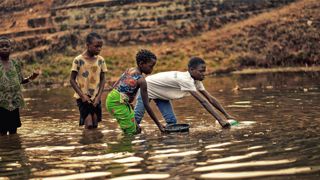
The objective of COWASH is to increase and sustain coverage of safe water supply, sanitation and hygiene in rural areas of the selected woredas.
COWASH V builds on the results and lessons learned from the previous phases and aims to ensure the sustainability of the achievements to date. The preparation process was a joint effort by the Government of Ethiopia (GoE) and the Government of Finland. Finland’s development cooperation, guided by Finland’s development and government policy, is based on partners’ development policies and priorities and is aligned with partners’ planning and management systems.
The planning process, of which the appraisal and the finalisation of the Project Document were the final steps, also established the foundation for operationalising and achieving poverty reduction, sustainable development and the cross-cutting objectives of Finland’s development policy.
This appraisal provided an independent view of the feasibility and implementability of the planned project and supported the finalisation of the Project Document. The issues under review offered a comprehensive assessment of whether the PD provided feasible and practical guidance for implementation. Potential problem areas were identified and workable solutions were proposed.
- Schlagwörter:
- Infrastruktur, Institutionelle Entwicklung, Monitoring und Evaluierung
Ethiopia Country Programme Monitoring and Communication Consultancy
- 2020 – 2026
- 1 – 2 Millionen €
- Ethiopia
The overall objective of the Country Programme 2018-22 was to contribute to inclusive sustainable growth and improved governance in Ethiopia by supporting the vision of building a Climate-Resilient Green Economy and reaching lower middle-income status by 2025. These were high political priorities of the Government of Ethiopia that Denmark wished to support. The four thematic programmes through which this was to be done are the following: Agricultural Commercialisation Clusters; Coherence between humanitarian responses and development cooperation; Climate-Resilient Forest Livelihoods; and Governance and Human Rights.
At present, there are six Development Engagements (DEs), as follows:
- Agricultural Commercialisation Clusters Programme, a partnership with the governmental Agricultural Transformation Agency (ATA). Budget: DKK 350 million. Expiry: Mid-2023
- Productive Safety Net Programme, with the World Bank. Budget: DKK 300 million. Expiry: End 2022
- Sustainable Livelihoods and Food Security Programme, with the World Food Programme. Budget: DKK 100 million. Expiry: End 2022
- Climate-Resilient Forest Livelihoods Programme, with the Ministry of Finance. Budget: DKK 45 million. Expiry: Mid-2023
- Governance and Democratic Participation Programme, with UNDP. Budget: DKK 20 million. Expiry: End 2011
- Ensuring Gender-Responsive Democratisation and Preventing Violence against Women and Girls, with UN Women. Budget: DKK 20 million. Expiry: End 2021.
The objective of the monitoring and communication assignment was to support the Danish Embassy in Addis Ababa in
(a) establishing and facilitating a functioning monitoring and risk management system for the Country Programme and other development engagements that will help improve programme effectiveness, facilitate learning and ensure informed decisionmaking by the Embassy and its partners, and maximise transparency and accountability regarding the development of the programme;
(b) communicating to both the Ethiopian and Danish general public and certain specific target groups relevant achievements and results obtained by the Country Programme and other partnerships in the Embassy’s country portfolio.
- Partner:
- Particip (federführend), JaRco Consulting
- Schlagwörter:
- Institutionelle Entwicklung, Kommunikation und Medien, Monitoring und Evaluierung
Final evaluation of 'Sustainable reintegration support to Ethiopian returnees from Europe and support to vulnerable displaced populations affected by COVID-19'
- 2025 – 2026
- unter 500.000 €
- Ethiopia
The Sustainable Reintegration Support to Ethiopian Returnees from Europe and to Vulnerable Displaced Populations Affected by COVID-19 (SRSERE) project was designed to promote the sustainable reintegration of Ethiopian returnees from Europe and to contribute to the development of a national reintegration system for Ethiopia. It also sought to provide ARRA (now RRS) with the financial, human, and technical resources necessary to strengthen services and address the needs of vulnerable displaced populations in Ethiopia affected by the COVID-19 pandemic.
The evaluation assessed the evidence on the extent to which, and through which mechanisms, the EU intervention contributed to the achievement of the intended results, and shall identify the factors that enabled or constrained progress. The global objective of this evaluation are twofold:
- To provide the European Union, relevant stakeholders, and the wider public with an independent overall assessment of the project’s performance, paying particular attention to results achieved at different levels against the expected objectives, and to the underlying factors explaining these results; and
- To identify key lessons learned, conclusions, and recommendations in order to inform decision-makers on how to improve future interventions.
The specific objectives of this evaluation are:
- To draw lessons that can be replicated in other EU-funded interventions on return and reintegration in Ethiopia, including for vulnerable returnees from Europe.
- To ensure accountability for the use of EU resources in relation to the results of the project.
- To report transparently on EU support to the migrant reintegration programme in Ethiopia and to assess the state of national referral systems at country level.
- Partner:
- Particip (federführend)
- Schlagwörter:
- Monitoring und Evaluierung

Final Evaluation of Civil Society Fund III (CSF III)
- 2023 – 2025
- unter 500.000 €
- Ethiopia
The main objectives of this evaluation were to provide the relevant services of the European Union, the interested stakeholders with:
- an overall independent assessment of the performance of the Civil Society Fund III, paying particular attention to its different levels of results measured against its expected objectives; and the reasons underpinning such results
- key lessons learned, conclusions and related recommendations in order to improve current and future interventions.
In particular, this evaluation served:
- To understand if the programme results covering outputs, outcomes and impacts are achieved in an efficient and effective manner
- To understand how the Civil Society Fund III has contributed to improved capacity of local civil society organizations in Ethiopia to engage in local and national decision making processes
- To understand how the EU should channel support to civil society in future
- To support wider learning across the civil society sector, the EU Delegation to Ethiopia and program stakeholders
- Partner:
- Particip (federführend), EuroPlus
- Schlagwörter:
- Monitoring und Evaluierung, Zivilgesellschaft
Evaluation of Ethiopia WFP Country Strategic Plan 2020-2025
- 2023 – 2024
- unter 500.000 €
- Ethiopia
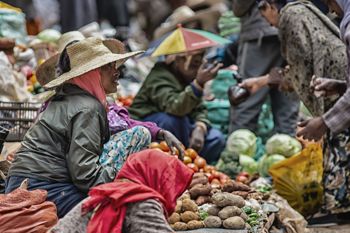
This independent evaluation of WFP Country Strategic Plan (CSP) in Ethiopia assessed the strategic positioning, added-value and results of WFP operations in the Country from 2019 to 2023.
The evaluation served the double purpose of accountability (performance and result assessment) and learning (why certain results occurred or not, lessons and evidence for decision-making). It is envisioned that the evaluation will inform the design of the new CSP for Ethiopia, which is scheduled for Executive Board consideration in November 2024.
CSP key sectors and activities included:
- Emergency preparedness and response, including cash-based transfers
- Nutrition and school feeding
- Social protection
- Livelihoods activities, including smallholder farmer support
- Institutional capacity strengthening
- Logistics, supply chains and humanitarian aid coordination
Cross-cutting themes included: Gender equality and empowerment of women (GEEW), humanitarian principles and protection, accountability to affected populations (AAP), WFP partnership strategy
The evaluation employed a mixed-method approach that triangulates qualitative and quantitative data from a variety of sources. For this purpose, the evaluation team conducted interviews with different stakeholders including WFP staff at HQ, regional and country level, WFP cooperating partners, donors, UN agencies, government entities as well as focus group discussions with the beneficiaries.
- Partner:
- Particip (federführend)
- Schlagwörter:
- Ernährung, Humanitäre Hilfe, Landwirtschaft, Monitoring und Evaluierung
Final Evaluation of Satellite Index Insurance for Pastoralists in Ethiopia (SIIPE) Programme (2019-2022)
- 2023 – 2024
- unter 500.000 €
- Ethiopia
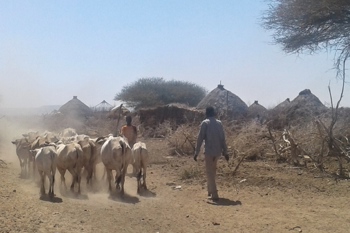
The Satellite Index Insurance for Pastoralists in Ethiopia (SIIPE) programme offered a weather-index microinsurance to pastoralists households in the Somali region of Ethiopia, conditional on their participation in public works under the Government of Ethiopia’s Productive Safety Net Programme (PSNP), to mitigate the impact of drought on their livelihoods.
This final evaluation of SIIPE covers the period from 2019 to 2022 and aims to identify the changes at beneficiary level induced by the programme in terms of protection against climate risk, behaviour, and well-being. It has the double purpose of accountabilty and learning and is expected to facilitate decision-making on improvement and scale-up of the intervention in the Somali region, potential replication in other regions, and resource mobilisation for similar programmes.
The evaluation covers the criteria of relevance, effectiveness, efficiency, impact, and sustainabiltiy employing a mixed methods approach. The quantitative approach has adopted a quasi-experimental design (matching) to compare beneficiary households in SIIPE neighbourhoods (kebeles) with similar households in kebeles outside the intervention areas, based on a large-scale household survey. Qualitative research methods include focus group discussions, key informant interviews, and in-depth interviews.
- Partner:
- C4ED (federführend), Particip
- Schlagwörter:
- Ernährung, Monitoring und Evaluierung

Visibility and Communication Service Contract – EUTF programmes
- 2021 – 2024
- unter 500.000 €
- Ethiopia
The overall objective of this visibility and communication framework contract was to raise awareness about EUTF programmes in Ethiopia by delivering key messages to specific and general audience at all levels with a special focus on the following six programmes/projects:
1) Leather Initiative for Sustainable Employment Creation in Ethiopia (LISEC);
2) Stemming irregular migration in Northern and Central Ethiopia (SINCE);
3) Regional Development Protection Programme (RDPP);
4) Comprehensive Refugee Response Framework (CRRF) in Ethiopia;
5) Stability and socio economic development for vulnerable people and marginalised communities in the Tigray region of Ethiopia (SSDV);
6) Promoting stability and strengthening basic service delivery for host communities, refugees and other displaced population in Gambella Regional State of Ethiopia (SSBS);
- Schlagwörter:
- Kommunikation und Medien

Meta-analysis of Country Programmes 2021–2024
- 2023 – 2024
- unter 500.000 €
- Global
The purpose of the meta-analysis of the 2021-2024 Country Programmes in Finland's 10 partner countries was to support the achievement of Finland’s development policy objectives in the partner countries, and to provide information for the further development of the Country Programmes and their implementation at the strategic level. The meta-analysis and its recommendations supported the regional departments in the programming of the next generation of Country Programmes, and in their subsequent management.
The meta-analysis comprised a desk review of available information and stakeholder feedback (phase 1) as well as self-assessment workshops with each country team, to assess contributions to results and to discuss further scenarios.
The specific objectives of the analysis were:
1. To synthesise key developments in the 10 partner countries with relevance for the respective Country Programmes
2. To assess the degree and usefulness of adaptive management of the Country Programmes during the current programme cycle
3. To assess the degree to which Country Programmes have contributed to intended (or unintended) Country Programme results and to analyse the factors explaining these contributions (or the absence of contributions)
4. To assess the sustainability of Country Programme results
5. To assess the value-add of Country Programmes compared to planning and implementing separate projects
6. To support the preparation of the next cycle of Country Programmes
- Partner:
- Particip (federführend), NIRAS
- Schlagwörter:
- Monitoring und Evaluierung
Project appraisal: Strengthening inclusive education system in support of Ethiopia's general education sectoral programme
- 2023 – 2024
- unter 500.000 €
- Ethiopia
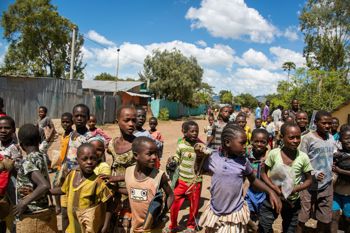
The purpose of the appraisal was to assess the feasibility of the Programme as defined in the draft Programme Document (PD), and to make sure that the PD is an adequate basis for tendering the consultant company for implementation.
The Programme that was appraised will focus on capacity development for inclusive education. It builds on previous experience gained from Finland’s Technical Assistance support to GEQIP-II and GEQIP-E, namely developing inclusive education resource centres (IERC), supporting a development of Model IERCs for developing locally relevant inclusive practice. The support enhances teacher education by focusing on developing teacher competences for inclusion through pre-service teacher education and practice, as well as strengthening pedagogical and practical knowledge and skills on inclusive education.
The key issues of the appraisal were the Programme’s relevance to beneficiaries and main stakeholders in the country; feasibility of the proposed implementation strategy, organisational structures, TA support, work plans, resource allocations and budget; sustainability as well as the result orientation and likely effectiveness in Ethiopian context. The appraisal also assessed the integration of human rights based approach and MFA cross-cutting objectives into the programme plan.
- Schlagwörter:
- Bildung

Project appraisal: Rural Economic Development (RED) Phase I in Ethiopia
- 2023 – 2023
- unter 500.000 €
- Ethiopia
This appraisal reviewed the Project Document (PD) for the 'Rural Economic Development' (RED) Project Phase I in Ethiopia. The main focus was on the overall feasibility of the program, including its theory of change (TOC) and results framework, resources and implementation and management arrangements, and how they contributed to a sustainable impact.
The main issues studied included: a review of the TOC and the results framework, including the provisional indicators; a review of how the project design catered for adaptive management; an assessment of how well local ownership, capacity, and commitment were demonstrated in the PD.
Other specific issues included: project management, organisational and administrative arrangements, financial management and audit arrangements, the cross-cutting objectives related to environmental and climate aspects, the risk assessment and risk management plan, linkages with other ongoing or planned programmes in the sector, possibilities for cooperation with Finnish companies, and a review of the proposed budget to verify that it was in proportion to expected results.
The appraisal was based on the draft PD, taking into account the identification mission report and the reports and reviews of the current programmes, MFA quality assurance group documents, as well as other relevant documents. The appraisal was done as a desk review.
- Schlagwörter:
- Ländliche und städtische Entwicklung, Landwirtschaft, Monitoring und Evaluierung, Umwelt
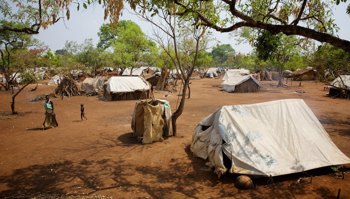
The main purpose of this project was to develop the capacity of secondary teachers to deliver quality education in refugee settings and host communities. Improving the quality of secondary school teaching has an accelerating effect and will enable refugee students to attend higher tertiary education or TVET programmes.
The project was implemented in 6 refugee settings/host communities, two in each of the three selected IGAD Member States (Uganda, Ethiopia, Sudan).
The delivered trainings on pedagogical, psychosocial, ICT and life skills enabled teachers in secondary refugee schools to better respond to the specific needs of refugee students. Under the supervision of the IGAD Secretariat the project worked closely together with the respective Ministries of Education and regional National Teaching Institutes in the selected Member States in order to strengthen their capacities to improve teaching quality and mainstream refugee education in their national education plans. The teacher trainings were elaborated and conducted together with the National Training Institutes of the regions where the refugee settings/host communities are, in order to improve the local and national capacities to tackle the main local challenges, as well as the sustainability of the initiative.
Female teachers were encouraged to participate during the selection process, in order to increase the participation of women in further training activities in all 6 refugee settings/host communities.
The provided support and advisory services brought on board various stakeholders from government, local authorities, international organizations, and foundations involved in refugee education in the selected IGAD Member States.
- Schlagwörter:
- Bildung, Humanitäre Hilfe
The Somalia Country Programme (2019-2023) and Peace and Stabilisation Programme (2018-2022) operated in a political challenging and fluid context. In order to ensure proper tracking of the engagements and their developments, progress and results, both programmes, were receiving assistance in ensuring the necessary quality assurance of the management of the result frameworks, theory of change and the risks identified and reporting by setting up and running a robust monitoring and reporting system.
The overall objective of the Assignment was to support the Client in:
- establishing and facilitating a functioning MEAL including risk management system for the two programmes and their engagement documents based on an improved result framework, theory of change and risk set up in order for the Client to strengthen programme efficiency and effectiveness, facilitate learning and ensure informed decision-making by the Client and its partners related to the implementation and development of the programmes; and
- communicating to both the Somalia and Danish general public and other identified recipients, relevant achievements and results obtained by the two programmes.
The overall objective of the Somalia Country Programme (2019 – 2023) (SCP) was to contribute to: “Basic building blocks put in place for the development of a resilient, stable and peaceful Somalia based on responsive and inclusive governance and a growing and poverty-reducing economy”. The SCP contained three Thematic Programmes (TPs):
1) Strengthen resilient, responsive and inclusive governance able to deliver basic services and to promote and protect fundamental human rights.
2) Develop an enabling economic environment through core economic institutions and regulations and strengthen inclusive private sector led development and economic growth through critical and diversified livelihoods.
3) Develop protection and safety nets to enhance resilience, enable durable solutions and reduce forced displacement.
The main objective of the Peace and Stabilisation Programme (2018-2022) (PSP-HoA) was “improved peace and stability in the Horn of Africa by strengthening local, national and regional actors’ capacity and ability to manage conflict and insecurity, counter threats and exercise legitimate authority”. The PSP-HoA had three overriding Thematic Programmes (TPs):
1) Strengthened regional conflict management capacity and efforts of the actors engaged in promoting stabilisation and security in Somalia
2) Reduced levels of violent extremism in the Horn of Africa with a particular focus on Somalia through prevention and disengagement..
3) Improved capacity to exercise regional and governmental authority across land and maritime borders.
- Partner:
- Particip (federführend), Dansom
- Schlagwörter:
- Monitoring und Evaluierung
Strengthening the Policy Frameworks for Transboundary Water Resources Management in the Nile Basin
- 2020 – 2022
- unter 500.000 €
- Burundi, Congo (Brazzaville), Egypt, Ethiopia, Kenya, Rwanda, South Sudan, Sudan, Tanzania, Uganda
The Nile Basin Initiative (NBI) is a partnership of the 10 Nile Basin riparian states with a shared vision objective to promote sustainable socio-economic development through the equitable utilization of and benefit from the shared Nile Basin water resources. Nile Basin countries face increasing challenges of meeting the requirements of their rapidly growing populations in the face of dwindling resources that are threatened by emerging pressures like climate change, land use change and degradation, urbanization, etc. The challenges result in increased efforts at utilization of the Nile waters for agricultural, domestic, industrial and environmental purposes. Countries are embarking on large-scale developments for water utilization and water-related use in riparian countries which have major implications for current and future availability of water resources.
The assignment took the basin perspective and looked at the transboundary governance mechanisms in place. Especially national level arrangements such as policies and Transboundary Water Management (TWM) units served the various transboundary mechanisms a country subscribes to at the same time.
The objective was to facilitate and document a joint review and learning process on provisions for transboundary cooperation in national policies and related institutional arrangements.
The primary work of the project consisted of the following tasks:
- Task 1: Finalization of the NBI Policy Handbook
- Task 2: Guidance Document on key TWM principles for national water policies
- Task 3: Review of experience and mapping of cross-border cooperation arrangements in Nile Basin
- Task 4: Review of experience of the national level organizational arrangements for TWM
- Task 5: Collaborative assessment of progress of implementation of TWM principles in
National Water Policies
- Task 6: Action plan for transboundary water policy at national and regional level
- Task 7: Policy Synthesis Report – Status of TWM governance and Implementation of
SDG 6.5.2. in the Nile Basin
- Task 8: Blended Learning Module
- Prepare and facilitate Policy Roundtables
- Schlagwörter:
- Aus- und Fortbildung, Umwelt
Evaluation of Danish Funding for Climate Change Mitigation in Developing Countries
- 2020 – 2021
- unter 500.000 €
- Ethiopia, Indonesia, South Africa, Viet Nam
The objectives of the evaluation were threefold, covering both accountability and learning purposes:
- To document achievements in terms of assisting developing countries to mitigate climate change through the provision of Danish support in the period from 2013, both through the climate change envelope (CE) and through other development assistance channels;
- To analyse the outcomes of climate change mitigation funding, with due consideration of the opportunities and barriers at both national and global levels;
- On the basis of the lessons learned from the evaluation, to provide recommendations pertaining to future funding priorities.
On the basis of the above, four main evaluation questions had been identified:
- Taking into account the strategic objectives of development cooperation and the guiding principles for the CE, what are the main results of Danish funding for climate change mitigation since 2013?
- How has climate change mitigation funding responded to the aims and needs defined by developing countries in nationally determined contributions (NDCs), leading to measurable GHG emission reductions and to pro-poor low carbon development?
- How has climate change mitigation funding contributed to transformational change and the sustainable development goals in a manner consistent with Danish comparative advantages and opportunities and in terms of influencing global agendas for climate action?
- What are the main lessons learned from climate change mitigation funding that can determine strategic directions and operational considerations in the coming years?
- Partner:
- Particip (federführend), ODI
- Schlagwörter:
- Energie, Forstwirtschaft, Monitoring und Evaluierung, Umwelt
Decentralized Evaluation of Support for Strengthening Resilience of Vulnerable Groups in Ethiopia: The Fresh Food Voucher Programme Expansion in Amhara Region, January 2018 - December 2020)
- 2020 – 2021
- unter 500.000 €
- Ethiopia
This evaluation assessed the WFP Fresh Food Voucher (FFV) programme implemented in seven selected districts of the Amhara region of Ethiopia. The programme sought to improve the dietary diversity of pregnant and lactating women and children aged 6-23 months and stimulate the local fresh food market. Through the FFV, WFP provided training and technical support to the Government, mobile money vouchers redeemable for fresh foods at retailer traders, and communication campaigns for social behaviour change.
This endline evaluation covered six programme districts in the period January 2018 to December 2020. It served the double purpose of accountability (through a performance and result assessment of the programme) and learning (about the reasons why certain results occurred or not, and deriving lessons and good practices) to inform operational and strategic decision-making.
For this purpose, the evaluation team undertook large-scale data collection from FFV beneficiary households and other stakeholders. The quantitative survey was conducted remotely (via phone) and included 1,380 households and 140 traders in the FFV districts. In addition, the team conducted a desk review and context analysis, and qualitative interviews with key informants and households. The resulting evidence addressed the evaluation criteria of effectiveness, efficiency and sustainability, with gender equality and empowerment of women mainstreamed throughout.
The final report is available at: https://www.wfp.org/publications/ethiopia-support-strengthening-resilience-vulnerable-groups-fresh-food-voucher
- Partner:
- C4ED (federführend), Particip
- Schlagwörter:
- Ernährung, Monitoring und Evaluierung

Technical Assistance to the Trade Enhancement and Facilitation Project (TEFaP)
- 2016 – 2019
- 1 – 2 Millionen €
- Ethiopia
The overall objective of the Trade Enhancement and Facilitation Project, of which this contract was part, was to support the integration of Ethiopia into the world economy to enhance the contribution of trade to the country's growth and transformation. The provision of Technical Assistance was an integral part of the TEFaP. The purpose of this service contract was to make available a TA team that would:
- Support and strengthen the capacity of the Ministry of Trade ( MoT) and that of the Ethiopian Revenue and Customs Authority ( ERCA) in overall TEFaP project coordination (including monitoring, communication and visibility of the entire project),
- Provide technical support and advise to MOT and ERCA as well as all other beneficiaries of the TEFaP in the design, timely implementation, as well as monitoring and evaluation of all components of the project , and,
- Support and advise in the administrative management of the TEFaP in line with EDF procedures
The results achieved within this contract included:
Result 1: Supported MOT and ERCA to ensure an efficient management and overall project coordination of the TEFaP
Result 2: Supported MOT and ERCA to ensure proper application of EDF procedures in the design and management of Programme Estimates (PEs) for all components of the project, as well as the design and management of specific commitments foreseen under the TEFaP
Result 3: Supported the strengthening of the capacity of key trade stakeholders
Result 4: Support to improve awareness and understanding of WTO accession process
Result 5: Support to improve effectiveness of export promotion measures
Result 6: Supported the procurement, installation as well as the successful implementation of the new Customs Management System (CMS)
- Partner:
- DMI (federführend), Louis Berger, Particip, SGS Nederland B.V.

Evaluation: How do we learn, manage and make decisions in Finland´s development policy and cooperation?
- 2018 – 2019
- unter 500.000 €
- Ethiopia, Mozambique, Viet Nam
The evaluation focused particularly on knowledge management, decision making and learning as part of results-based management (RBM). It examined collaboration, organisational learning and capacity development throughout the implementation of RBM loops. Moreover, the evaluation provided an analysis of the progress of RBM and deepened the recommendations of the previous evaluations. It assessed how coherently the Ministry for Foreign Affairs (MFA) implements knowledge management in development policy and co-operation.
The evaluation had the following objectives:
- Evaluate how the Ministry for Foreign Affairs (MFA) manages internal and external knowledge and uses it for evidence-informed learning and decision-making in Finnish development policy and cooperation;
- Issue recommendations that help improving the MFA’s knowledge management, learning and decision-making; and
- Raise awareness and foster learning among MFA staff about these issues during the evaluation process.
The evaluation was conducted in four phases:
- Start-up phase
- Inception phase
- Implementation phase, including field visits
- Reporting and dissemination phase
The final report is available online: https://um.fi/documents/384998/0/Evaluation+report+Knowledge+Management+2019+%281%29.pdf/f5c3b583-6887-bfdf-6cce-9c78ee4a5fe7?t=1567156930398
- Partner:
- Particip (federführend), Niras Finland Oy
- Schlagwörter:
- Institutionelle Entwicklung, Management, Monitoring und Evaluierung
Evaluation of the Agriculture, Rural Development and Forest Sector programmes in Africa
- 2018 – 2019
- unter 500.000 €
- Africa
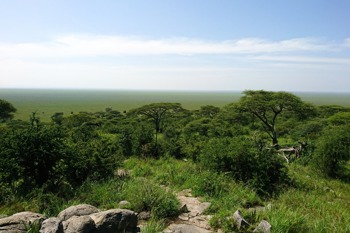
The objective of the evaluation was to identify relevant and effective approaches, methodologies, instruments in the Agriculture, Rural Development and Forest sectors’ interventions to support the implementation of current programmes and the planning of possible future cooperation in the Agriculture, Rural Development and Forest Sector.
The evaluation was based on a selection of eight Finnish bilateral programmes in agriculture, rural development and forest sectors in Africa. They represent different approaches, methodologies, ecosystems and geographical areas in Kenya, Tanzania, Zambia, Mozambique and Ethiopia. However, all selected programmes focused on improving livelihoods and reducing poverty through agriculture or forest sector development, providing institutional support and capacity building, and contributing to socio-economic development.
The main issues to be addressed were:
- How can Finnish co-operation efforts best contribute to the achievement of the SDGs – as well as other relevant international agreements – through ARDF sectors making optimal use of its comparative advantages?
- Under what conditions can a value chain approach increase finance and investment in sustainable forestry and agriculture- while benefiting final beneficiaries in a sustainable way?
- How can cross-cutting objectives and HRBA be successfully integrated and implemented, in such a way that they support achievement of the Finnish development cooperation objectives and objectives of the projects?
- What are key success factors for achievement of ’reduced poverty and inequality’, in particular in terms of benefits for women, vulnerable groups, and small and medium-size farmers?
- How can investment in sustainable land use and land management be made inclusive of smallholder and community needs while being attractive to investors at the same time?
- Which implementation approaches are most appropriate - in terms of scale, modality/instrument, channel and/or implementing organisations in future?
- What type of monitoring and evaluation system is most appropriate for outcome monitoring of Finnish projects in the context of wider support for achievement of SDGs?
- How have the lessons learnt from other donors and development organizations been taken into account or implemented at project level and what kind of approaches do the organizations have for future challenges in the sector?
- How can ’Finnish added value’ in the AFRD sector be realised (e.g. through access to Finnish markets and expertise or to Finland’s experience in creating a favourable business environment)?
The final report is available here: https://um.fi/publications/-/asset_publisher/TVOLgBmLyZvu/content/evaluointi-maatalous-maaseutukehitys-ja-metsasektorin-kehityshankkeista-afrikassa/384998
- Partner:
- Particip (federführend), Niras Finland Oy
- Schlagwörter:
- Forstwirtschaft, Landwirtschaft, Monitoring und Evaluierung, Regierungsführung, Umwelt
Evaluation of the Satellite Index Insurance for Pastoralists in Ethiopia (SIIPE) Programme: Impact Evaluation of the SIIPE pilot (2017-2019)
- 2017 – 2019
- unter 500.000 €
- Ethiopia
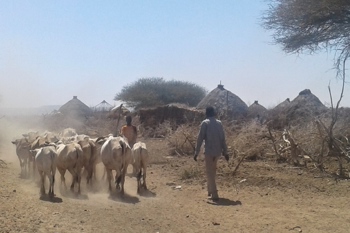
The Satellite Index Insurance for Pastoralists in Ethiopia (SIIPE) programme was a pilot initiative that has tested a weather-index microinsurance product combined with disaster risk reduction interventions with the aim of protecting pastoralists in the Somali region of Ethiopia from climate shocks. Selected pastoralist households already participating in the Government of Ethiopia’s Productive Safety Net Programme have been able to access insurance coverage on a voluntary basis.
The impact evaluation was performed in the Somali region over the one-year period (2017/18) of the pilot initiative. It aimed to:
1. Understand if (and how) the SIIPE intervention had provided greater protection to pastoralists against climate risk, for example their ability to keep their animals alive during a drought;
2. Understand whether there was any behavioural change (e.g. on productive decisions, use of financial services) connected to improvements in confidence brought about by SIIPE;
3. Measure the changes in well-being (such as food security) of individual households that could have been attributed to the programme.
The impact evaluation methodology combined a randomised controlled trial at the level of households living in the SIIPE pilot areas with a complementary quasi-experimental component including households in non-pilot areas. The econometric and qualitative impact analysis used data from baseline and endline surveys of pastoralist households conducted by the evaluation team in the Somali region.
The evaluation was used to decide on further scale-up of the intervention in Ethiopia, inform about potential replication in other countries, and to glean lessons learnt for the design of future interventions. Its results have also been used to refine and improve the product and processes of the SIIPE programme.
Report available here: https://www.wfp.org/publications/ethiopia-satellite-index-insurance-pastoralists-2017-2019-impact-evaluation
- Partner:
- C4ED (federführend), Particip
- Schlagwörter:
- Ernährung, Monitoring und Evaluierung

The purpose of this assignment is to collect, collate and systematically present, in the form of Evaluation Portraits and Country Evaluation Briefs, findings from existing evaluations and other documents of development interventions in five Norwegian partner countries: Ethiopia, Haiti, Mali, Myanmar, Nepal and Tanzania.
The objective of this assignment is to provide accessible and relevant knowledge about Norwegian and other donors’ development efforts in Norway’s partner countries through systematising findings from existing evaluations of development interventions. The exercise emphasises learning, supplementing a growing database of systematised, relevant, context-specific and accessible information. Beyond its intrinsic value, this knowledge forms a basis for development policies and strategies, contributes to development efforts in the field and reveals knowledge gaps that could be covered by future evaluations.
The main target groups for the study are the Norwegian Ministry of Foreign Affairs, Norad and Norwegian embassies in the selected partner countries and elsewhere.
The assignment is guided by the following questions:
- What are the key contextual features characterising each of the studied case countries?
- How do these contextual features affect development interventions in the respective country/-ies?
- What is the nature of the programmes and projects studied, including levels of development support?
- What are the major obstacles/challenges faced by those interventions?
- What are the major findings in the assessed material concerning the goals, methods, challenges, results and sustainability of the interventions studied?
- How do the programmes and projects perform in terms of such cross-cutting issues as gender equality, environmental concerns and anti-corruption?
- Which, intended and, if any, unintended effects of the programmes and projects, positive and negative, can be identified?
- Partner:
- Particip (federführend), Menon
- Schlagwörter:
- Monitoring und Evaluierung
The Finnish Fund for Industrial Cooperation (Finnfund) is the national Development Finance Institution (DFI) of Finland. Finnfund provides equity, loans and guarantees to private sector companies in developing countries and has as its’ overarching objective to further the economic and social development of its’ target countries.
The objective of the assignment is to evaluate how well Finnfund has implemented its’ mandate during the period 2008-2017, as defined by the Finnfund Act and the annual Ownership Steering Memorandums (OSMs) by the MFA. Core evaluation issues will be
- relevance and additionality;
- commercial risk management;
- environmental, social and human rights related risk management; and
- effectiveness in delivering desired outputs.
The evaluation will assess these issues through a desk study, interviews with key stakeholders in Finland, a benchmarking exercise comparing Finnfund to similar DFIs of other donors and field visits to three case study countries.
The results of the evaluation will feed into the development of Finland’s new development policy programme expected for the period 2020-2023.
The report is available at:
https://um.fi/publications/-/asset_publisher/TVOLgBmLyZvu/content/evaluointi-kehitysrahoitusyhtio-finnfundin-toiminnas-2/384998?curAsset=0&stId=44227
- Partner:
- Particip (federführend), Indufor Oy - Metsahallitus Group
- Schlagwörter:
- Energie, Industrie und Privatsektorentwicklung, Monitoring und Evaluierung, Umwelt

Mid-term evaluation (MTE) of the support project to the “Africa-EU Migration and Mobility Dialogue (MMD)”
- 2017 – 2018
- unter 500.000 €
- Africa (Central), Africa (Eastern), Africa (Northern), Africa (Western), ENI South
The MTE aimed to provide independent insights into further improving effective, efficient and economic delivery on results in order to inform the project implementation and make adjustments if necessary through the evaluation of the management and delivery set-up, structures and processes of the ongoing project.
It also aimed to enable ICMPD as well as project stakeholders to assess the project implementation experience at mid-term, learn from the experiences mindful of evolution of the context, and determine adjustments to optimize project implementation and outcomes.
The evaluation identified lessons learnt as well as effective practices based on the experience of 24 months of the project and come up with proposals/recommendations on how to refine the project activities as well as management to best achieve its intended results.
Through the OECD evaluation criteria the exercise reviewed the project implementation, including management, structure, internal mechanisms, and working procedures, as well as outputs and outcomes.
The evaluation reviewed the ways the project adapted its structure and internal mechanisms to the changing environment of migration issues.
The evaluation fully covered eight issues underlined in the tender ToR, plus one to incorporate the OECD criteria:
- Describe the status quo of project implementation based on a review of activities and budget expenditures (comparison planned vs. actual);
- Assess to which extent the project activities have remained consistent with objectives and key results outlined in the project proposa;
- Informally assess the extent project objectives remain suited to possibly evolving priorities and policies of target groups, and consistency of activities and outputs with over goal and objectives;
- Assess whether the logic intervention (logframe) of the project needs to be updated, considering the fast changing project context, and suggest a revised logframe design;
- Determine the interaction with the project partners and gain stakeholder information and feedback;
- Rate how the management arrangements support the effective and efficient implementation of the project;
- Identify constraints and challenges and how these can be mitigated during the project continuation;
- Identify lessons learned, effective practices and formulate recommendations as regards the implementation and management of the project;
- Formulate recommendations on how to enhance the expected impact of project activities.
- Schlagwörter:
- Gesundheit, Humanitäre Hilfe, Monitoring und Evaluierung, Regierungsführung, Zivilgesellschaft

Evaluation of the implementation of the African Peace Facility as an instrument supporting African efforts to manage conflicts on the continent
- 2017 – 2018
- unter 500.000 €
- ACP (Africa)
The objective of the evaluation was to provide an overall independent assessment of the performance of the African Peace Facility (APF) for the period 2014-2016 and, on this basis, draw key lessons and recommendations in order to improve current and future support through that instrument.
The evaluation served policy decision-making and project management purposes. The main users of this evaluation were DG DEVCO, the EEAS, EU delegations in the APF beneficiary regions; the AU and the REC/RMs. The evaluation also generated results of interest to governmental and civil society partners and the EU member states.
Evaluators followed a two-step approach:
- First, the evaluation provided an assessment of what has been achieved through the APF for the period 2014-2016 with regards to Peace Support Operations and capacity-building, taking into account the conclusions and recommendations of th11-0248-052e 2013 APF evaluation.
- Second and based on the findings of the first step, the evaluation offered concrete and actionable follow-up as well as new recommendations to address the remaining and new challenges faced by the APF.
- Partner:
- Particip (federführend), Cardno UK, ECDPM
- Schlagwörter:
- Monitoring und Evaluierung, Regierungsführung

Evaluation of EU support to social protection in external action 2007-2013
- 2016 – 2018
- unter 500.000 €
- Global
The objectives of the evaluation were to:
- support the decision-making, both at EU strategic (planning) level, and at the level of the design of the action programmes /interventions;
- feed into the reflection on the revision of future development policies in view of the recent adoption of the 2030 Sustainable Development Agenda;
- demonstrate whether already on-going/planned IPA (I) II, ENPI/ENI, DCI and EDF action programmes/interventions in the area of social protection have taken on board the latest lessons learnt from the previous programming period;
- provide recommendations on the best way to approach and improve its support to the development of social protection systems, in partner countries both in terms of the use of policy dialogue and financial assistance;
- contribute to the preparation and adjustment of action programmes, namely for IPA II, ENI, DCI and EDF assistance to the extent possible;
- feed in the Mid-term Review of financial instruments;
- feed in Mid-term Reviews of country/region multi-annual indicative programmes.
The evaluation used the five standard OECD/DAC evaluation criteria, namely relevance, effectiveness, efficiency, impact and sustainability. In addition, the evaluation also looked at the EU added value and the 3Cs.
The evaluation focused on EU support (policy dialogue and financial assistance) provided for the development of social protection systems in partner countries, more specifically on the social insurance and social assistance measures to address the following risks and needs: unemployment, parental responsibilities, sickness and healthcare, work accidents/employment injuries disability, loss of a spouse or parent, old age, housing and social exclusion.
The evaluation covered:
- IPA I beneficiary countries;
- ENPI partner countries;
- Countries covered by DCI and EDF.
The evaluation was conducted in four phases
- An Inception Phase, focusing on the design and the methodology of the evaluation including the reconstruction of the intervention logic and the compilation of an inventory;
- A Desk Phase, focusing on gathering and analysing existing data and information (through literature/document reviews and interviews/focus groups/surveys);
- A Field Phase, including preparation of field missions, visits to the case study countries (Bosnia and Herzegovina, El Salvador, Ethiopia, Turkey, Kyrgyzstan, Macedonia*, Malawi, Moldova, Montenegro, Morocco, Palestine*) and drafting of country reports;
- A Synthesis Phase, producing a final report and dissemination of results to concerned stakeholders.
- Partner:
- AETS (federführend), Particip
- Schlagwörter:
- Ernährung, Gesundheit, Monitoring und Evaluierung, Zivilgesellschaft

Implementation of the Training Strategy for the "Monitoring for Environment and Security in Africa" (MESA) programme
- 2014 – 2017
- 2 – 5 Millionen €
- Sub-Saharan Africa & Indian Ocean
The overall objective of the Monitoring for Environment and Security in Africa (MESA) programme was to support African decision-makers and planners in designing and implementing national, regional and continental policies and development plans towards sustainable development, thereby advancing the socioeconomic progress and well-being of African populations towards achievement of the Millennium Development Goals (MDGs).
More specifically, the objective of MESA was to help African governments with:
- designing, implementing, monitoring and evaluating their regional and continental policies towards sustainable development;
- improving the socio-economic conditions and well-being of African populations;
- meeting their obligations towards international environmental treaties;
- participating in the international effort of global environment surveillance.
The MESA programme was implemented under the coordination of the African Union Commission (AUC), which has been delegated by the RECs (CEMAC, ECOWAS, IGAD, IOC and SADC) and by the ACP Secretariat to act on their behalf as Delegated Regional Authorising Officer (DRAO). The capacity of the RECs and the African Union to monitor regional and continental environmental change was in need of strengthening. One mandate of MESA was the consolidation and improvement of regional capacity through training.
The overall purpose of this training contract was to implement the “Strategy for Capacity Development and Training in MESA” by ensuring that MESA stakeholders were sufficiently trained so as to ensure a smooth and effective implementation of the MESA programme. This included increase the information management, decision-making and planning capacity of African continental, regional and national institutions mandated for environment, climate, food security and related responsibilities by enhancing access to and exploitation of relevant Earth Observation applications in Africa.
Training activities covered a wide range of technical, managerial and educational, as well as administrative topics. Trainings targeted a variety of stakeholders, including the technical and administrative staff of national focal points and RICs.
- Partner:
- Particip (federführend), ITC - University of Twente, VITO
- Schlagwörter:
- Aus- und Fortbildung, Bildung, Projektdurchführung / technische Hilfe, Umwelt

Mid Term Review 'SHARE Ethiopia Programme - Accelerating Resilience Capacity in Southern and Eastern Ethiopia (ARCE)'
- 2017 – 2017
- unter 500.000 €
- Ethiopia
The objective of this MTR was to assess the relevance, efficiency, effectiveness and sustainability of the program implementation.
More particularly, the objective was to evaluate the theory of change of RESET through understanding and documenting i. the context and capacity of implementation and ii. the process and intermediate products the program attained in relation to its overall objectives and expected results as defined in the Programme design and its contribution to the Resilience Building in Ethiopia as per the model developed in the RESET Concept Not
- Partner:
- Particip (federführend), Cardno UK
- Schlagwörter:
- Humanitäre Hilfe, Monitoring und Evaluierung

Chapeau Contract for the Evaluation of the Common Implementing Regulation (CIR), Evaluation of the Development Co-operation Instrument (DCI), Evaluation of Greenland Decision (GD), Coherence Report on the External Financial Instruments and Co-ordination
- 2016 – 2017
- unter 500.000 €
- DCI
The Chapeau contract concerned the external financing instruments (EFIs) of the European Union. It was an overarching contract comprising several individual external financing instrument evaluations, a Coherence Report of the EFIs, and the process of co-ordination across all the EFIs.
The objective of each of the individual EFI evaluations was:
- to provide the relevant external relations services of the European Union and the wider public with an independent assessment of the European Union's EFIs, including complementarities/synergies between the given EFI and each of the other EFIs.
- to inform the programming and implementation of the current EFIs, as well as the next generation of the EFIs.
The deliverables of the Chapeau contract were as follows:
- the Development Co-operation Instrument (DCI) Evaluation Report.
- the Greenland Decision (GD) Evaluation Report.
The DCI and GD are two instruments in the set of EFIs which together form the multi-annual financing package for the programming cycle 2014 – 2020.
- the Common Implementing Regulation (CIR) Evaluation Report. The CIR is an 'umbrella' regulation which brings together the implementing rules for the following instruments – DCI, ENI, EIDHR, PI, IcSP, IPA II. The Greenland Decision and INSC follow these rules as well.
- a Coherence Report of the EFIs. The report showed to what extent the existing instruments were, when considered together, still adapted to the evolving international context and still contribute to a consistent Union external action.
- Co-ordination.The objective of the co-ordination tasks was to ensure a reasonably consistent and coherent approach across the set of individual EFI evaluations. The Chapeau contract team leader had the specific role of working with, drawing on and co-ordinating knowledge produced by the evaluations within this contract and the evaluation teams of the other EFI evaluations.
The reports are availble at:
DCI: https://ec.europa.eu/europeaid/draft-evaluation-report-external-financing-instruments-development-cooperation-instrument-dci_en
Greenland: https://ec.europa.eu/europeaid/evaluation-greenland-decision-gd-draft-report_en
CIR: https://ec.europa.eu/europeaid/draft-evaluation-report-external-financing-instruments-common-implementing-regulation_en
- Partner:
- Particip (federführend), ECDPM, itad
- Schlagwörter:
- Bildung, Energie, Ernährung, Forstwirtschaft, Gesundheit, Industrie und Privatsektorentwicklung, Institutionelle Entwicklung, Justiz / Rechtsstaatlichkeit, Landwirtschaft, Menschenrechte, Monitoring und Evaluierung, Regierungsführung, Zivilgesellschaft

Mid-Term Evaluation 'Sustaining and strengthening African Union’s Liaison Offices in post-conflict countries'
- 2016 – 2017
- unter 500.000 €
- Central African Republic, Ethiopia, Ivory Coast, Mali, South Sudan
The main objectives of the evaluation were to provide the relevant external co-operation services of the contributing partners the African Union and, when appropriate, the wider public with:
- an overall independent assessment of the past performance (from 1 January 2013 until 31 December 2015) of the intervention (Sustaining and strengthening African Union’s Liaison Offices in post-conflict countries), paying particular attention to the results of the project against its objectives;
- key lessons learnt and recommendations in order to improve current and future action.
The evaluation was intended to inform the remaining period of implementation of the project, as well as the additional support to the AULO from 1 January 2018.
Evaluations should serve decision-making, learning and management purposes. This evaluation did provide indications to both the AUC and partners on key aspects of the programme management, and fed in the discussion on perspective mandate renewals.
- Schlagwörter:
- Humanitäre Hilfe, Regierungsführung