Ukraine
32 referencias

Third party monitoring (TPM) services for Swiss development and humanitarian projects and programming Ukraine
- 2025 – 2028
- de 1 a 2 millones de €
- Ukraine
The contract is for Third Party Monitoring (TPM) services supporting the Swiss government’s development and humanitarian interventions in Ukraine as part of the 2025–2028 Swiss country program, which is backed by an allocated budget and guided by strategic priorities of economic recovery, public sector service support and reform, and protection of civilians.
The TPM provider will monitor around 15 Swiss-funded projects annually—covering both development and humanitarian actions—by collecting and analyzing data, conducting site visits, reviewing procurement, and assessing partner risks to ensure quality, learning, and accountability. The mandate is intended to strengthen evidence-based decision-making and ensure project transparency and impact, with all work coordinated in partnership with the Swiss Cooperation Office in Kyiv, and all collected data and findings remaining the property of the Swiss Confederation.
Support to Ukraine in further alignment with the provisions of Chapter 27 of the EU Acquis on environment (APENA 4)
- 2026 – 2028
- de 2 a 5 millones de €
- Ukraine
The specific objectives (Outcomes) of this contract are as follows:
- The Specific Objective (Outcome) 1 is that the environmental legislation is enhanced in line with Chapter 27 of the EU acquis
- The Specific Objective (Outcome) 2 is that the capacity of Ukraine's public authorities is strengthened to implement the reforms, enforce the legislation in the area of environment, pursue the green recovery and reconstruction effort including via cross-sectoral mainstreaming of environment
- The Specific Objective (Outcome) 3 is that public access to environmental information is improved and public awareness raised on the benefits of environmental reforms and green reconstruction is increased
- Socios:
- Particip (líder), EPL, IDOM
- Palabras clave:
- Medio ambiente

Systematic analysis of the monitoring data should result into recommendations to improve the implementation and design of assistance to civil society and to the EU monitoring to reach the overall objective to contribute to civic resilience and grassroots democracy in the Eastern Partnership. Trainings should be developed and conducted for a sustainable learning experience. The data and analysis should also be presented for communication on the achievements of the civil society assistance and contribute to various reporting exercises.
The outputs of the monitoring on the ground and analysis should enhance the ability of EU project managers to contribute to regular reviews of action progress and operational plans. The concise feedback resulting from the monitoring of an action should allow EU project managers to have more assurance in assessing the content and quality of monitoring reports from CSOs which would allow them to suggest corrective measures or to support efficient and effective implementation. Further to this, the analysis provided should guide future programming
The expected outputs of this contract are as follows:
- Monitoring system of EU-funded civil society projects that will complement existing EU systems of project monitoring maintained and improved;
- Analysis and knowledge sharing products to support decision-making generated and disseminated;
- Capacity of EU project managers, CSOs staff to monitor and implement projects strengthened.
- Socios:
- Particip (líder), EPRD
- Palabras clave:
- Seguimiento y evaluación, Sociedad civil

Assessors for EU4CSO Call for Proposals Ukraine 2025
- 2026 – 2027
- menos de 500.000 €
- Ukraine
Project overview
This project supports the European Union in the implementation of the EU4CSOs in Ukraine – Call for Proposals 2025, financed under the Ukraine Facility. It focuses on the recruitment and deployment of experienced external assessors to carry out the technical and financial evaluation of grant applications submitted by civil society organisations (CSOs) across Ukraine. The initiative contributes to strengthening democratic resilience, inclusive governance, and civil society participation in the context of Ukraine’s ongoing war of aggression and its EU accession process.
Civil society plays a critical role in Ukraine’s recovery, reform, and European integration efforts. Through this call, the EU aims to support medium-sized, small, and grassroots CSOs—particularly those operating outside Kyiv—working in key priority areas such as women’s rights and gender equality, media and freedom of expression, human rights, social cohesion, and youth engagement.
General objective:
The general objective of the project is to ensure a high-quality, transparent, and policy-aligned selection of civil society actions funded under the EU4CSOs in Ukraine – Call for Proposals 2025, thereby contributing to the strengthening of a resilient, inclusive, and democratic Ukrainian society in line with EU values and accession requirements.
Specific objectives:
The specific objectives of the project are to:
-
Provide independent, impartial, and methodologically sound technical and financial assessments of concept notes and full grant applications submitted under the call, in accordance with EU guidelines and evaluation grids.
-
Support the Evaluation Committee and Contracting Authority by delivering clear, coherent, and well-substantiated assessments that enable informed funding decisions.
-
Ensure consistency, accuracy, and quality control across all evaluation outputs through effective coordination by a dedicated Team Leader.
-
Contribute to the selection of projects that demonstrate strong relevance, feasibility, cost-effectiveness, and alignment with EU priorities, including civil society development, democratic governance, gender equality, human rights, media freedom, social cohesion, and youth participation.
-
Uphold the principles of transparency, confidentiality, and absence of conflict of interest throughout the evaluation process, reinforcing the credibility and integrity of EU external assistance mechanisms.
Scope of activities:
Assessors work remotely and independently evaluate concept notes and full applications using the EU’s PROSPECT system. Each proposal is assessed by at least two experts, while the Team Leader coordinates the process, performs quality checks, consolidates results, and prepares summary tables and methodological notes. The outputs directly feed into the decision-making process of the Evaluation Committee and support the effective allocation of EU funding to civil society initiatives across Ukraine.
- Socios:
- Particip (líder), EPLO
- Palabras clave:
- Derechos humanos, Sociedad civil
Framework Agreement for Decentralized Evaluations and Reviews (FADER) - Lot 1
- 2023 – 2027
- de 2 a 5 millones de €
- Ethiopia, Indonesia, Kyrgyzstan, Nepal, Tajikistan, Tanzania, Ukraine, Uzbekistan, Viet Nam
The Framework Agreement for Decentralized Evaluations and Reviews (FADER) LOT 1 covers different types of appraisals, evaluations and reviews of development cooperation projects and programmes funded by the Ministry for Foreign Affairs of Finland (MFA).
The main users of the FADER are the regional departments of the MFA, which have regional and country specific development cooperation programmes/projects in Africa, the Middle East, Asia, Eastern Europe and Central Asia.
The following assignments are implemented by Particip GmbH:
- Project appraisal: Strengthening inclusive education system in support of Ethiopia's general education sectoral programme,
- Appraisal of the Local Adaptation to Climate Change- Project in Nepal,
- Project appraisal: Rural Economic Development (RED) Phase I in Ethiopia,
- Appraisal of the “Forestry, Land Use and Value Chains Development in Tanzania” (FORLAND) programme,
- Appraisal of Tax Sector Support to Tanzania (TAXTAN) programme.
- Palabras clave:
- Agricultura, Desarrollo rural y urbano, Educación, Gobernanza, Medio ambiente, Seguimiento y evaluación, Silvicultura
Mid-Term Evaluation of the Ukraine Facility
- 2025 – 2026
- menos de 500.000 €
- Ukraine
The Ukraine Facility (the Facility) is a key instrument of the European Union’s strategy to address the scale and complexity of the challenges facing Ukraine in the wake of Russia’s ongoing war of aggression. This mid-term evaluation (MTE) is a stock-taking, lesson-learning, and forward-looking exercise, whose general objective is to provide the European Commission and other key stakeholders with an independent assessment of progress towards the Facility’s objective.
The specific objectives of the evaluation are:
- To provide a qualitative and quantitative assessment of the relevance, implementation conditions, and performance of the Facility as a performance-based instrument, with particular attention to efficiency, effectiveness, and EU added value.
- To assess the protection of the financial interests of the Union.
- To identify lessons learned (positive and negative), best practices, and recommendations, particularly regarding:
- the impact on the administrative capacities of Ukrainian public institutions (including monitoring and reporting) and the link to actual results and their sustainability;
- the administrative costs for Commission services in terms of expertise and processes; and
- the factors that facilitate or hinder the effectiveness of the Facility in achieving its objectives.
- Palabras clave:
- Energía, Gobernanza, Justicia / Estado de derecho, Macroeconomía / política nacional, Seguimiento y evaluación
Consultancy services to support sustainable management of natural resources and economic development through local community engagement in Ukraine
- 2025 – 2026
- menos de 500.000 €
- Ukraine
The overall objective of this consultancy is to deliver analytical work, technical assistance, and capacity building that promote community-based sustainable management of natural resources (NRM) and support local economic development in Ukraine, in line with the goals of the EU4Environment Programme. The service is designed to assist the World Bank and Ukrainian national and local authorities in implementing Activity 4.2: “Promoting sustainable NRM, economic development, and participation at the local community level.”
Its specific objectives are the following:
- To assess the current level of community engagement in NRM and identify gaps, needs, and opportunities for improved participation, particularly in forest ecosystem management;
- To develop tailored knowledge products and recommendations that support inclusive NRM approaches and green economic opportunities at the local level;
- To document and disseminate best practices and lessons learned to support replication in other communities and inform national policy processes.
The consultancy places particular emphasis on:
i) community-driven forest and land management;
ii) inclusive development strategies aligned with environmental and EU policy objectives;
iii) post-war reconstruction and capacity building of local governments.
- Socios:
- Particip (líder)
Results Oriented Monitoring (ROM) Systems for External aid Interventions Financed by the European Union — Neighbourhood Region
- 2021 – 2026
- más de 10 millones de €
- ENI
Results Oriented Monitoring (ROM) reviews aim to assist the European Commission’s services and EU Delegations in monitoring of and reporting on EU financed development and cooperation projects and programmes in third countries through independent reviews of the progress of their implementation and the achievement of project results.
ROM services to be provided through this contract are clustered in three components:
** Component 1: ROM Reviews. ROM contractors will assess the performance of EU-funded interventionson the basis of the following OECD DAC evaluation criteria: relevance, efficiency, effectiveness, and sustainability.
ROM reviews will cover:
-A sample of EU funded interventions during the inception phase of implementation. The ROM review will support the OM in confirming or updating intervention logic and logframe matrix, in reviewing the monitoring system of the IP, in assessing risks and mitigation measures and fine tune the calendar of activities with a view to improve the performance of the intervention across the OECD DAC criteria.
- ROM reviews will assist the OM in adressing the main implementation problems.
-Other interventions for which Commission services request a ROM review on demand (interventions which could not be visited by EU OMs or for which there is a lack of sector expertise in the EU Delegation/operational unit in HQ).
- Blending operations, focused on asessing the value added of the EU contribution and on the performance of blending interventions in terms of socio-economic development.
** Component 2: Quality assurance and support at design stage for a sample of interventions. Provide technical support to EC services in the formulation of intervention logics and related logical frameworks matrices (logframes) and monitoring and reporting arrangements for a sample of interventions.
**Component 3: Results report (at corporate and intervention level). The Contractor will provide services to encode and quality control results data for a set of interventions subject to results reporting. TOM contractor will ensure quality control of data included in the intervention's logframes. Such quality controls will include, amongs others: verifying that the logframe is correctly encoded and up-to-date , enssuring that the latest values related to logframe indicators are available, and supporting the aggregation of intervention-level results into the EU Results Framework or other frameworks.
- Socios:
- Particip (líder), Dev4U, Integration
- Palabras clave:
- Seguimiento y evaluación
Services of Third-Party Monitoring Agency (TPMA) for the Housing Repair for People's Empowerment Project (HOPE)
- 2025 – 2026
- de 1 a 2 millones de €
- Ukraine
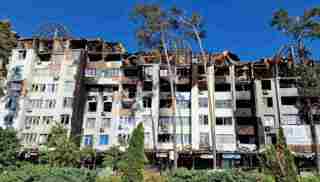
The Government of Ukraine, with financial support from the World Bank-administered Ukraine Relief, Recovery, Reconstruction and Reform Trust Fund (URTF), is implementing the HOPE Project to facilitate the repair of partially damaged housing caused by the Russian Federation’s military aggression. The main objective of the assignment is to support the Government of Ukraine in supervising the HOPE Project by independently verifying, monitoring, and reporting on the implementation of Component 1. This includes assessing compliance with legal and World Bank standards, evaluating the eligibility and transparency of expenditures, tracking project results and impacts on beneficiaries, and collecting stakeholder feedback. Particip will conduct a comprehensive analysis of processes, identify gaps or risks, and provide recommendations to improve project delivery and advance its development goals.
The Project is managed through the Ministry for Communities and Territories Development (MCTD) and is structured around three main components, each contributing to housing recovery and institutional capacity building.
Component 1: Repair of Partially Damaged Residential Units (USD 590 million)
This component provides financial compensation to eligible households for the emergency repair of their single-family homes (SFHs) or apartments in multi-family buildings (MFBs) that sustained minor or medium damage. Applications are submitted via the national e-service platform (DIIA) or through local administrative service centers, with damage verified by local commissions.
- Subcomponent 1.1 (Minor Damage): Repairs up to UAH 200,000. Compensation is disbursed retroactively against reported expenses. At least 5% of completed repairs are verified.
- Subcomponent 1.2 (Medium Damage): Repairs up to UAH 350,000 for MFB units and UAH 500,000 for SFHs. Includes engineering safety checks, two-tranche payments, and verification of at least 10% of units.
To ensure integrity and compliance, Particip will be engaged to verify the implementation of Component 1, monitor the process at both national and local levels, and ensure alignment with Ukrainian legislation and World Bank safeguards.
Component 2: Design and Capital Repair of Partially Damaged Multi-Family Buildings (USD 200 million)
Focused on large-scale rehabilitation in up to five selected communities, this component includes:
- Component 2.1: Preparation of technical documentation for the capital repair of MFBs.
- Component 2.2: Execution of capital repairs for buildings selected under 2.1.
- Component 2.3: Technical assistance and capacity building to support integrated housing and urban recovery planning at the municipal level.
Component 3: Project Management and Capacity Strengthening
This component finances overall project coordination, monitoring, and capacity-building measures, including support to Particip.
- Socios:
- Particip (líder)
- Palabras clave:
- Infraestructuras, Seguimiento y evaluación

Capacity-building for the Implementation of Interreg and Cohesion Policy
- 2025 – 2026
- menos de 500.000 €
- ENI, EU, IPA
The EU Cohesion Policy is a key investment strategy aimed at reducing regional disparities and fostering smart, sustainable, and inclusive growth across the EU. It operates through national, regional, and Interreg cooperation programmes to support infrastructure, the green transition, connectivity, and social inclusion in the EU Member States, while preparing candidate countries for EU membership by building administrative capacity through Interreg and tailored training programmes.
The overall objective of the project is to prepare candidate countries for implementing cohesion policy in the lead up to and upon accession.
The project specifically aims to:
- Train staff from national administrations at central and local/regional level participating in Interreg programmes (and IPA III programmes, if staff overlaps), to reinforce their capacities for participating in and later on implementing cohesion policy programmes.
- Organise study visits (and cover related travel and accommodation costs and per diem) for short-term work experience in selected Member States’ managing or audit authorities, thereby increasing the skills for benefitting better from their participation in existing programmes and preparing future ones.
- Socios:
- Particip (líder), SZPO
- Palabras clave:
- Desarrollo institucional, Finanzas públicas / presupuestación, Formación, GCP / marco lógico, Gobernanza, Seguimiento y evaluación

Joint Efforts for a Green Future: Evaluation on Finland's Development Cooperation in Environment and Sustainable Use of Natural Resources and Private Sector Opportunities
- 2024 – 2026
- menos de 500.000 €
- Global
This evaluation aims to provide the Ministry for Foreign Affairs (MFA) of Finland and its stakeholders with an in-depth understanding of the achievements, merits, and value of implementing the policy priority area on sustainable management and use of natural resources. It seeks to deliver evidence-based recommendations to enhance the effectiveness of Finland's engagement with this theme over the long term, while also increasing awareness of results achieved and lessons learned. Additionally, the evaluation will expand knowledge on environment and natural resources-related Sustainable Development Goals (SDGs), with particular attention to SDG 17 on partnerships.
The evaluation encompasses four standalone evaluations on four of the sub-sectors under Finland's ‘Climate and Natural Resources’ policy priority area: i) forests and biodiversity; ii) water resources management; iii) energy, circular economy and critical minerals; and iv) disaster risk reduction (DRR), including meteorology. A synthesis report integrates key findings from the four evaluation reports, explores interlinkages, provides meta-level insights, and identifies concrete opportunities for Finnish private sector engagement. The evaluation also examines digitalisation and data management in forestry sectors in Tanzania and Vietnam, as well as delves deeper into the energy sector in Ukraine.
Objectives:
Assess results, successes, and challenges in achieving the objectives of this policy priority area and its sub-sectors.
Provide a synthesis of outcomes and impacts, including early and emengrgi impacts.
Identify and analyse opportunities for engaging Finnish private sector actors in this work.
Develop practical, evidence-based recommendations for future policy and operational approaches, considering financial and resource constraints. This includes exploring the potential of geospatial data and geo-referencing for monitoring and evaluation purposes.
The evaluation focuses primarily on the OECD DAC criteria of effectiveness and impact, with a particular emphasis on tangible results and signs of impact from both ongoing and completed interventions.
- Palabras clave:
- Energía, Industria y desarrollo del sector privado, Medio ambiente, Seguimiento y evaluación, Silvicultura

EU Mobility in VET: Empowering providers through international exchange programmes
- 2025 – 2026
- menos de 500.000 €
- Ukraine
Support will be provided to Ukrainian Vocational Education and Training (VET) providers to strengthen their capacity to participate in Erasmus+ programmes. All services are to be delivered remotely between June 2025 and May 2026, structured under two main work packages.
Work Package 1: International Engagement through Erasmus+
A total of 40 VET providers will be engaged, with 25 selected for in-depth support. A joint planning workshop will be conducted with the National Erasmus+ Office–Ukraine and GIZ to define the training programme. Initial online sessions will be held to introduce Erasmus+ opportunities, followed by targeted training for the selected providers on project development and application processes. Partnerships with institutions in EU Programme countries will be facilitated, and individual support will be provided throughout the proposal preparation and submission phases. At least 18 Erasmus+ project applications are expected. All sessions will be fully organized and documented, including logistical coordination and reporting.
Work Package 2: Handbook Development
A bilingual handbook (Ukrainian and English) will be created to guide VET providers in drafting Erasmus+ project proposals. The handbook will include step-by-step instructions, visual aids, and digital navigation features, ensuring accessibility across devices. Its content will be tested during the application phase, revised accordingly, and submitted for approval by GIZ and the National Erasmus+ Office–Ukraine.

Consultancy services to support the protection of biodiversity and natural ecosystems (Emerald Network) in Ukraine
- 2024 – 2026
- menos de 500.000 €
- Ukraine
The regional EU4Environment programme aims at helping the EU’s Eastern partner countries (EaP) preserve their natural capital and increase people's well-being. This is done by supporting environment-related action, unlocking opportunities for greener growth, and setting mechanisms to better manage environmental risks and impacts. The programme is implemented through (i) country-specific work tailored to the needs and commitments of each partner country and (ii) regional cooperation. Bilateral commitments, the commitments assumed within the Eastern Partnership framework, and alignment with the EU environmental legislation and, lately, the European Green Deal, are guiding programme implementation. In June 2022, Ukraine and Moldova have both been granted EU candidate status. Simultaneously, Georgia was given a European perspective. Policy and regulatory reforms are needed for these countries to become fully aligned with EU legislation and standards. Programme activities also consider and contribute to the implementation of the Sustainable Development Goals (SDGs) and the Paris Agreement, as well as relevant multilateral environmental agreements. It also contributes to implementing the ambitious global agreement reached at the 15th Conference of the Parties to the Convention on Biological Diversity in Montreal, in December 2022 (the Kunming-Montreal Agreement).
Result Area 4 is implemented by the World Bank and focuses on four main components: i) support to protect biodiversity and natural ecosystems (Emerald Network); ii) promoting sustainable natural resources management, economic development and participation at the local community level; iii) support to the promotion of legal trade and preventing illegal trade in wood products; and iv) enhancing strategic financing to the forest and natural resource management sectors. The objective of this assignment is to provide technical advisory support to the Government of Ukraine, to the Ministry of Environmental Protection and Natural Resources (MEPNR) in particular, to advance the establishment of the Emerald Network in the country.
The Consultant will provide technical assistance to relevant Ukrainian counterparts focused on developing methodological capacities for ensuring the long-term survival of species and habitats listed in the Bern Convention Resolutions. The focus of the work will be on developing methodological guidelines for assessing anthropogenic (including military) impacts and developing methodological guidelines for preparing the management plans for Emerald sites in line with European standards and best international practices.
- Socios:
- Particip (líder), Rewilding Ukraine
Support for the implementation of the EU-Ukraine Association Agreement Phase II
- 2019 – 2025
- de 5 a 10 millones de €
- Ukraine
This project aimed to:
- facilitated the process on EU-Ukraine Association Agreement (AA) implementation, notably by creating flexible on-demand based instrument for addressing key elements of the AA implementation and legal approximation processes such as high-professional advisory to key stakeholders, high-quality legal translations, accurate legal drafting/compliance checks,efficient communication of tehe EUI/AA reforms at national and regional level and improving the professional legal and translation training in higher education institutions; and
- ensured support to the EUI/AA reforms on both national and regional level by means of efficient communication of government authorities of central and regional levels with their target audiences.
- Socios:
- CPM (líder), GOPA PACE (ex B&S Europe SA), Particip
- Palabras clave:
- Comunicación y medios, Desarrollo institucional, Ejecución de proyectos / asistencia técnica, Formación, Gobernanza

Project appraisal of the education sector support programme “Learning2gether2” in Ukraine
- 2024 – 2025
- menos de 500.000 €
- Ukraine
The "Learning2gether2" program continues Finland’s support to implementation of the New Ukrainian School (NUS) reform, focusing on the Upper Secondary School (USS) Academic reform (Grades 10-12) with a budget of up to 20 million EUROs over four years. The purpose of the appraisal was to assess the feasibility of the Programme as defined in the draft Programme Document (PD).
The key issues of the appraisal were the Programme’s relevance to beneficiaries and main stakeholders in Ukraine, feasibility of the proposed implementation strategy, organisational structures, TA support, work plans, resource allocations and budget, sustainability as well as the result orientation and likely effectiveness in Ukraine. An important question to verify was how the Programme fits into the NUS/USS reform and its different phases, and what its contribution to the reform is. The appraisal also assessed the integration of cross-cutting objectives into the programme plan. The appraisal also included the finalisation of the draft Programme Document.
- Palabras clave:
- Educación, GCP / marco lógico, Seguimiento y evaluación

Meta-analysis of Country Programmes 2021–2024
- 2023 – 2024
- menos de 500.000 €
- Global
The purpose of the meta-analysis of the 2021-2024 Country Programmes in Finland's 10 partner countries was to support the achievement of Finland’s development policy objectives in the partner countries, and to provide information for the further development of the Country Programmes and their implementation at the strategic level. The meta-analysis and its recommendations supported the regional departments in the programming of the next generation of Country Programmes, and in their subsequent management.
The meta-analysis comprised a desk review of available information and stakeholder feedback (phase 1) as well as self-assessment workshops with each country team, to assess contributions to results and to discuss further scenarios.
The specific objectives of the analysis were:
1. To synthesise key developments in the 10 partner countries with relevance for the respective Country Programmes
2. To assess the degree and usefulness of adaptive management of the Country Programmes during the current programme cycle
3. To assess the degree to which Country Programmes have contributed to intended (or unintended) Country Programme results and to analyse the factors explaining these contributions (or the absence of contributions)
4. To assess the sustainability of Country Programme results
5. To assess the value-add of Country Programmes compared to planning and implementing separate projects
6. To support the preparation of the next cycle of Country Programmes
- Socios:
- Particip (líder), NIRAS
- Palabras clave:
- Seguimiento y evaluación
Technical Assistance on Impact Monitoring of EU Civil Society Support in Eastern Partnership Countries
- 2019 – 2023
- de 2 a 5 millones de €
- ENI East
The project contributed to the introduction of results-based management in all the activities of DG NEAR. The ToR underlined the importance of taking account of all related systems and tools and of the reforms currently being introduced, which are listed exhaustively.
Indeed, the EC had embarked in a major transformation project with crucial implications on the way development cooperation is delivered and development cooperation professionals will work in the future. The aim was to introduce a performance and results culture promoting collaboration, accountability and access to knowledge, along with simplification and harmonisation of all processes and tools, combined in a holistic transparent system.
Result 1: Robust evidence was made available through the setup of an appropriate qualitative monitoring system for civil society projects in order to showcase the benefits of civil society support for citizens;
Result 2: Increased credibility of civil society projects was fostered through regular and more accurate monitoring of projects, following EU external monitoring policy.
Result 3: Increased capacity of EU staff to implement EU monitoring guidelines (and apply corrective measures, if needed) was increased through regular and structured on implementation of EU funded CS projects.
- Socios:
- Particip (líder), EPRD
- Palabras clave:
- Ejecución de proyectos / asistencia técnica, Gobernanza, Seguimiento y evaluación, Sociedad civil

Support the establishment of an Emissions Trading Scheme (ETS) in Ukraine: Capacity development of the Competent Authority
- 2020 – 2023
- menos de 500.000 €
- Ukraine
The overarching goal of the project was to develop the institutional capacities for establishment of the Emission Trading System (ETS) in Ukraine on the basis of the EU experience in implementation of the Directive 2003/87/EC. The project focused its cooperation with MENR on the following output:
Institutional and capacity building of the Competent Authority and other stakeholders relevant for ETS based on the EU experience in implementing the Directive 2003/87/EC.
The consultancy ensured that the training materials for staff of the Competent Authority (CA) were available and used in trainings and that other capacity building measures were implemented to prepare staff of the CA to fulfil their tasks under Monitoring, Reporting and Verficiation (MRV) and ETS. In order to ensure a correct functioning of the MRV system, an extensive capacity building preceded the actual performance of the tasks by the CA. The capacity building assignment included the development of training materials on different levels of detail, the conduction of trainings, study tours, on-the-job trainings, etc.
This was accomplished by the following tasks:
Task 1: Development of capacity development program and training materials for the CA
Task 2: Implementation of the capacity development program
- Palabras clave:
- Medio ambiente

Evaluation of the EU cooperation with Ukraine (2014-2020)
- 2021 – 2023
- menos de 500.000 €
- Ukraine
This evaluation has two overarching objectives. Firstly, to provide the relevant external co-operation services of the European Union (EU) and the wider public with an overall independent assessment of the EU's cooperation with Ukraine between 2014 and 2020. And secondly, to identify key lessons and to produce recommendations in order to inform the responsible decision makers on how to improve the current and future strategies, programmes and actions of the EU in the country.
Its specific objectives are the following:
- To assess the performance (relevance, efficiency, effectiveness, coherence, impact, sustainability and EU added value) of EU support (policy dialogue and financial assistance); and
- To provide recommendations for the next programming period.
The evaluation pays particular attention to the areas of i) good governance, ii) economic sector reforms and iii) post-emergency conflict assistance. It is intended to lead to the identification of conclusions, lessons learnt (both positive and negative), good practices regarding the achievement of the EU’s support for Ukraine with a set of targeted and useful forward-looking recommendations for the improvement of the programming, assistance, and implementation of current EU interventions in the country.
The evaluation was terminated by the EU due to Russia's unprovoked invasion of Ukraine.

Evaluation of the Finnish Development Policy Influencing in the European Union
- 2021 – 2022
- menos de 500.000 €
- Global
The Ministry for Foreign Affairs of Finland (MFA) commissioned an evaluation of Finnish Development Policy Influencing in the European Union. The purpose of this evaluation was to assess the relevance, effectiveness and coherence of the different development policy influencing activities of the Finnish MFA in relation to the EU and its institutions, and to provide guidance to the Ministry on further strengthening of the influencing activities for the future. The evaluation was mostly forward-looking and utilization focused, providing strategic information to inform future developments of the influencing agenda.
The objectives of this evaluation were:
- To assess how Finland has managed to promote Agenda2030, Building Back Better (and Greener), and Finland’s Development Policy objectives in the EU, as well as the common development cooperation practices and principles by the member states.
- To assess the effectiveness of various influencing activities, means and channels and Finland’s best opportunities to influence (intuitions and bodies, country delegations, interventions etc.) taking into account available human and financial resources.
- To analyze the factors (structures, processes, tools, capacity, other) that have facilitated/enabled or hindered the positive results of the influencing activities.
- To provide insight on the best opportunities and ways to engage and influence in the future, especially under the new EU funding instrument and the evolving development cooperation scene.
- To provide insight on how the Ministry together with other relevant stakeholders could develop their practices in order to maximize influence for the future, taking into account available human and financial resources.
- Socios:
- Particip (líder), Niras Finland Oy
- Palabras clave:
- Derechos humanos, Educación, Gobernanza, Medio ambiente, Seguimiento y evaluación, Silvicultura

Evaluation of the EU's support to climate change and environment in Enlargement and Neighbourhood regions
- 2021 – 2022
- menos de 500.000 €
- ENI East, ENI South, IPA
The purpose of this study is i) to provide an independent and evidence-based assessment of the EU's past and current external action support in the policy area of environment and climate change in Enlargement and Neighbourhood regions; and ii) based on this assessment, to provide lessons learnt and recommendations for decision-makers at EU level.
The evaluation encompasses both spending and non-spending activities between 2014 and 2020. It examines all funding mechanisms and modalities of implementation used under the Instrument for Pre-Accession (IPA) II and the European Neighbourhood Instrument (ENI) in a variety of sectors (e.g. energy, water and waste management).
The evaluation covers all thematic areas related to environment and climate change, paying special attention to i) issues of mainstreaming in EU external aid programmes and projects for the ten sectors in the environmental chapter of the acquis; and ii) the EU support provided through international organisations, in particular support aimed at strengthening environment and climate change governance at national and regional levels. Process and context factors – conducive to or hampering the performance of EU support, including in terms of the convergence with EU legislation in the regions under scope – are also systematically assessed.
The evaluation aims to contribute to ongoing EU strategic discussions on the use of innovative financing, in particular blending, which is playing an increasingly important role in EU support to environment and climate change. The evaluation results are also useful in enriching ongoing reflections on the future role of European Development Finance Institutions in EU external action. Finally, in the context of the COVID-19 pandemic, the evaluation contributes to identifying good practices that can strengthen Team Europe’s ongoing efforts to help ‘build back better’ and design ‘risk-informed and climate-smart’ recovery actions.
- Palabras clave:
- Energía, Gobernanza, Medio ambiente, Seguimiento y evaluación

Mid-term evaluation of the performance of the International Science and Technology Center and the Science and the Technology Center Ukraine
- 2021 – 2022
- menos de 500.000 €
- Ukraine
The EU supports efforts to enhance governance and cooperation on Chemical, Biological, Radiological and Nuclear (CBRN) risk detection and mitigation at both the regional and the global level. In addition to the Centres of Excellence Initiative and the EU P2P programme, the EU also supports the securing of sensitive knowledge and technology through, in particular, the International Science and Technology Centre (ISTC) in Kazakhstan and the Science and Technology Centre in Ukraine (STCU). These two science centres are the subjects of this evaluation. The European External Action Service (EEAS) leads on the political side of this initiative and the Foreign Policy Instrument (FPI) is the fund-holder, managing all the projects under the Instrument contributing to Stability and Peace (IcSP).
Both centres work at the crossroads between scientific research and non-proliferation. In recent years, the centres have increasingly focussed on supporting projects aiming at mitigation of broader CBRN risks, including the promotion of aviation and missile technologies for peaceful purposes, bio safety and biosecurity, physical upgrades of laboratories, and stimulation of networking activities among relevant scientific communities.
The main objectives of this evaluation were to provide the relevant services of the European Union and other interested stakeholders with:
- an overall independent assessment of the past performance of the two centres both in the core objective of containment of sensitive knowledge and as implementers of specific CBRN, export control actions and other activities against the objectives and results established in the strategic documents;
- key lessons learned, achievements, conclusions and related recommendations in order to improve current and future engagement of the centres and related funding schemes.
In particular, this evaluation served to explore the possibility to enlarge the scope of the spectrum of activities implemented (i.e. cyber, climate change, etc.), and to provide recommendations on other type of funding mechanisms to cover the administrative costs.
The main user of this evaluation is the European Commission, specifically FPI.
- Palabras clave:
- Seguimiento y evaluación
Results Oriented Monitoring (ROM) system for external aid interventions financed by the European Union - Lot 1 – Neighbourhood region
- 2019 – 2021
- de 5 a 10 millones de €
- ENI
Results Oriented Monitoring (ROM) reviews aim to assist the European Commission’s services and EU Delegations in monitoring of and reporting on EU financed development and cooperation projects and programmes in third countries through independent reviews of the progress of their implementation and the achievement of project results.
ROM services provided through this contract were clustered in three components:
** Component 1: ROM Reviews. ROM contractors assessed the performance of EU-funded interventions on the basis of the following OECD DAC evaluation criteria: relevance, efficiency, effectiveness, and sustainability.
ROM reviews covered:
-A sample of EU funded interventions during the inception phase of implementation. The ROM review supported the OM in confirming or updating intervention logic and logframe matrix, in reviewing the monitoring system of the IP, in assessing risks and mitigation measures and fine tune the calendar of activities with a view to improve the performance of the intervention across the OECD DAC criteria.
- ROM reviews assisted the OM in adressing the main implementation problems.
-Other interventions for which Commission services requested a ROM review on demand (interventions which could not be visited by EU OMs or for which there was a lack of sector expertise in the EU Delegation/operational unit in HQ).
- Blending operations, focused on asessing the value added of the EU contribution and on the performance of blending interventions in terms of socio-economic development.
** Component 2: Quality assurance and support at design stage for a sample of interventions.The Contractor Provided technical support to EC services in the formulation of intervention logics and related logical frameworks matrices (logframes) and monitoring and reporting arrangements for a sample of interventions.
**Component 3: Results report (at corporate and intervention level). The Contractor provided services to encode and quality control results data for a set of interventions subject to results reporting. TOM contractor ensured quality control of data included in the intervention's logframes. Such quality controls included, amongs others: verifying that the logframe is correctly encoded and up-to-date , enssuring that the latest values related to logframe indicators were available, and supporting the aggregation of intervention-level results into the EU Results Framework or other frameworks.
- Socios:
- Particip (líder), Dev4U, GOPA, Integration

Legal advisory services to support the implementation of the integrated pollution prevention and control in Ukraine in line with the provisions of the Directive 2010/75/EU
- 2019 – 2021
- menos de 500.000 €
- Ukraine
The overall GIZ programme of which this project was a part provided support in improving the administrative and technical capacity of the competent governmental authority(-ies) and installation operators to implement the industrial emissions (integrated pollution prevention and control) (IED) and thus enforce the consistent application of the concept of integrated pollution prevention and control in industry and the promotion of the best available techniques (BAT).
The Project supported the further development of the institutional framework, in particular, in reforming the existing system of environmental permitting and introducing the concept of integrated pollution prevention and control. To this end, the project supported the MENR and the competent authority(-ies) in drafting laws and regulations to implement the IED, in preparing BAT conclusions, and in preparing recommendations to adapt existing sectoral legislation.
- Socios:
- Particip (líder)
- Palabras clave:
- Medio ambiente

Evaluation on Development Cooperation carried out by the Department for Russia, Eastern Europe and Central Asia, Including The Wider Europe Initiative (WEI)
- 2020 – 2021
- menos de 500.000 €
- Armenia, Azerbaijan, Belarus, Georgia, Kazakhstan, Kyrgyzstan, Moldova, Tajikistan, Turkmenistan, Ukraine, Uzbekistan
The overall purpose of the evaluation was to inform the Ministry for Foreign Affairs in Finland (MFA) on the achievements of its development policy and cooperation in the region over the past decade, and to support the MFA in deciding how to best achieve its policy objectives and to enhance its management of the programme in the region at strategic level. Main sectors of cooperation in the region are i) Government and Civil Society, ii) Energy, iii) Education and iv) Environment Protection. The evaluation was mostly forward-looking but also included summative analysis to respond to the evaluation questions.
Objectives: The objectives of the evaluation were to produce evidence and present well justified conclusions on the following:
1. To assess the impact(s), if any, of Finland’s development cooperation carried out in the region by the Department for Russia, Eastern Europe and Central Asia;
2. To assess the scope of the impact(s) and their relative significance to development in the area;
3. To assess the levels of sustainability of the achieved results and impact;
4. To assess the results achieved by, and management of, the current country strategies;
5. To analyse the reasons explaining success and/or failure in performance and in reaching a lasting impact, including the operational context, human aspects and resources; and
6. To provide recommendations that serve the Ministry in developing its strategic planning, management and response in the region as well as drawing the broader lessons on how to increase impact and sustainability, in advancement of Finland’s development policy objectives.
Final report available here: https://um.fi/development-cooperation-evaluation-reports-comprehensive-evaluations/-/asset_publisher/nBPgGHSLrA13/content/evaluointiraportti-suomen-kehitysyhteisty%25C3%25B6-it%25C3%25A4-euroopassa-ja-keski-aasiassa/384998
- Socios:
- Particip (líder), NIRAS
- Palabras clave:
- Derechos humanos, Educación, Energía, Medio ambiente, Seguimiento y evaluación, Sociedad civil

Evaluation of EU support to local authorities in Enlargement and Neighbourhood regions (2010-2018)
- 2019 – 2021
- menos de 500.000 €
- ENI, IPA
The purpose of this evaluation was to provide an independent assessment and evidence on the extent to which EU external action has contributed to the achievement of objectives and intended impacts of the EU’s policy towards local authorities (LAs) in enlargement and neighbourhood regions during the 2010-2018 period.
The specific objectives of this evaluation were:
- To assess the performance (relevance, efficiency, effectiveness, coherence, impact, sustainability and EU value added) of EU support (policy dialogue and financial assistance) to LAs and associations of local authorities (ALAs) in partner countries between 2010 and 2018;
- To assess the coherence, complementarity and coordination of EU interventions financed from IPAI/II and ENPI/ENI with other actions financed from other EU instruments, actions carried out by Member States, regional and international donors (state and/or international organisations) to support LAs and ALAs in partner countries;
- To provide recommendations for future programming and policy purposes, particularly on how to engage with LAs and ALAs in the next Multiannual Financial Framework (MFF) and in the context of the Commission proposals for the Neighbourhood, Development and International Cooperation Instrument (NDICI) and the Instrument for Pre-Accession III.
The results of the evaluation were used to:
- Take stock of the results achieved by the European Commission's support to local authorities and associations of local authorities in enlargement, neighbourhood regions over a large period of time (2010 to 2018) and identify the contributing (and hindering) factors;
- Consider those results against the problems and needs the EU's support to local authorities and associations of local authorities sought to address, resources deployed, as well as instrument and implementation modalities available;
- Measure the extent to which strategic orientations and principles were operationalised within the design, implementation and monitoring of the EU's support (political and policy dialogue as well as financial assistance) to local authorities and their associations;
- Identify areas of improvement for future policy and financial assistance orientations and guidelines, as well as for the future programming of interventions for the remaining period of the 2014-2020 Multi-annual Financial Framework and for the future one
- Socios:
- Particip (líder), ECDPM
- Palabras clave:
- Desarrollo institucional, Desarrollo rural y urbano, Gobernanza, Infraestructuras, Seguimiento y evaluación
Evaluation of the Eastern Partnership Technical Assistance Trust Fund (EPTATF)
- 2020 – 2020
- menos de 500.000 €
- ENI East
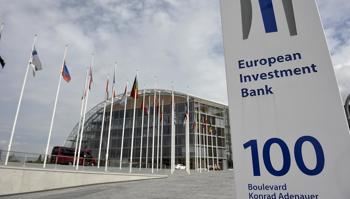
The EPTATF was set up to accelerate the origination of operations in Eastern Partnership countries, and to improve the quality and development impact of the Bank's operations in the region. The establishment of the EPTATF was based on the assumption that technical assistance available at the time was inadequate to support the Bank’s operations in the region, particularly for small projects. It was set up to be complementary to the Neighbourhood Investment Facility (NIF) instrument and resources.
The purpose of the evaluation was to determine the extent to which the EPTATF has helped to improve EIB operations in Eastern Partnership countries since its establishment. Particip was expected to analyse the functioning of the EPTATF, its decision-making process, its governance arrangement and its organisation and performed a review of the EPTATF portfolio of TA operations.
The evaluation work encompassed the following main phases:
- Structuring phase: the evaluation team took ownership of the evaluation framework and approach, further amended and developed it, if deemed necessary.
- Data collection and analysis phase: this phase entailed a thorough desk review, data collection, validation and analysis. The analysis, focussing on 10 case studies of TA operations (at least three in Ukraine, and at least one in Armenia, Georgia, and Moldova) led up to the drafting of the Evaluation Report
- Preparation of the final report: the Team Leader participated in the presentation of the evaluation’s emerging findings to IG/EV and to the Evaluation Reference Group; and then drafted and finalised the Evaluation Report under the guidance of IG/EV
- Palabras clave:
- Ejecución de proyectos / asistencia técnica, Seguimiento y evaluación

Evaluation of EU Support for Rule of Law in Neighbourhood Countries and Candidates and Potential Candidates of Enlargement in the period 2010-2017
- 2018 – 2019
- menos de 500.000 €
- ENI, ENI East, ENI South, IPA
The purpose of this evaluation was to provide an independent assessment and evidence on the scope and performance of the implemented and on-going EU support for Rule of Law (RoL) funded by the Instrument for Pre-Accession Assistance (IPA I and II ), and the European Neighbourhood and Partnership Instrument (ENPI ) and its successor the European Neighbourhood Instrument (ENI). It also encompassed support provided by global thematic instruments, such as the European Instrument for Democracy and Human Rights (EIDHR).
The Evaluation assessed to what extent the EU support to these institutions led to strengthening of RoL in the respective countries and beneficiaries, and in particular whether essential RoL principles were applied in practice.
The evaluation also aimed to provide recommendations for the improvement of the programming and implementation of EU support to RoL. In line with the ToR, the Evaluation focused on interventions in areas such as the judiciary, fundamental rights and democracy that have aimed to strengthen the RoL, and its results will be used to:
- Provide an overall independent assessment of EU support to RoL funded by the IPA (I and II) and the ENPI/ ENI and other relevant instruments;
- Demonstrate whether already on-going and planned IPA and ENPI/ENI action programmes and interventions in the area of RoL have incorporated lessons learnt;
- Support reflection on the revision of policies and programmes in view of the 2030 Agenda for Sustainable Development and new/ current policy framework;
- Provide recommendations to the European Commission (EC) on the most appropriate manner to approach and improve its financial and policy dialogue support to RoL;
- Contribute to the preparation or adjustment of action programmes under IPA II and ENI;
- Contribute to the development of a monitoring and evaluation framework, including through proposing indicators for measuring impact in capacity building in RoL and related activities.
The report is available at: https://ec.europa.eu/neighbourhood-enlargement/sites/near/files/rol_final_evaluation_report.zip
- Palabras clave:
- Derechos humanos, Justicia / Estado de derecho, Seguimiento y evaluación
Results Oriented Monitoring (ROM) reviews aim to assist the European Commission’s services and EU Delegations in monitoring of and reporting on EU financed development and cooperation projects and programmes in third countries through independent reviews of the progress of their implementation and the achievement of project results.
The ROM reviews and support missions to be carried out are the following:
a) +++ROM reviews of projects signalled as having implementation problems and where EC services have identified a need for an outside expert review to assist in addressing the problems, identifying causes and options for solution and making recommendations.
b) +++ ROM reviews of other projects for which such ROM reviews may have a particular usefulness, in particular for projects which could not be included in the EUDs’ planning of field visits or for which the necessary sector expertise at EUD level may not be sufficiently available at a given point of time or for innovative projects.
c) ROM reviews of BS programmes: in countries where a BS programme is signalled as having implementation problems, a ROM review may be organized focusing on the programme in question for the sector specific aspects but also covering the Public Financial Management (PFM) and macroeconomics aspects of all BS programmes financed by the EU in the country .
d) ROM support to end of project reporting on results (outputs and direct outcomes), including for BS programmes. These ROM support missions are to assist EC services and EUD in strengthening their results reporting capacities in: assisting with the recording actual results achieved by projects and programmes that have come to an end in the specified calendar year, solving technical difficulties that may occur linked to results reporting, and identifying the systemic needs and modalities for improvement which may be needed in these areas. The ROM support to end of project results reporting missions are to focus on projects of EUR 750.000 or more.
- Socios:
- Particip (líder), GOPA, Integration
- Palabras clave:
- Seguimiento y evaluación

Final evaluation of the IfS/lcSP support under Article 3 to Mine Action in beneficiary countries (2007-2017)
- 2018 – 2018
- menos de 500.000 €
- Global
The main objectives of this evaluation were to provide the relevant services of the European Union, the interested stakeholders and the wider public with:
- an overall independent assessment of the past performance of the IfS/IcSP support to mine;
action related projects and programmes;
- key lessons and recommendations in order to improve current (if relevant) and future actions;
- recommendations for the future within the frame of the EU guidelines on Mine Action that are currently subject to review.
In particular, this evaluation served the European Commission, the European External Action Service, and other relevant stakeholders with:
- an independent assessment of the overall IfS/IcSP support to mine action (2007-2017), paying particularly attention to the results achieved against its objectives;
- key lessons and recommendations to FPI.2 in order to improve current and future support for mine action related interventions financed under the IcSP;
- recommendations to the European Commission on the best way to approach and improve its support to mine action overall.
The main users of this evaluation will be the European Commission and the European External Action Service.
- Palabras clave:
- Ayuda humanitaria

Post-conflict and post-disaster needs assessment (PCNA/PDNA): development of assessment capacity and tools - Phase I + II
- 2013 – 2017
- de 2 a 5 millones de €
- Global
Relevant background
Since early 2007, the Commission, the UN-family and the World Bank have worked together in setting up a platform for cooperation on post-crisis needs assessments for natural disaster (Post-Disaster Needs Assessment, PDNA) and conflict (Recovery and Peacebuilding Assessment (RPBA), previously named Post-Conflict Needs Assessment, PCNA) scenarios. This trilateral cooperation was framed and formalised through the signature of a Joint Declaration on “Post-Crisis Assessments and Recovery Planning” in September 2008. The EU/UN/WB platform covers the whole PDNA/RPBA(PCNA) process, including strategic coordination, development of joint methodologies for post-crisis assessments, joint deployment of assessment teams, joint training and joint recovery planning and monitoring.
In line with the 2008 Declaration on Joint Post-crisis Assessments and Recovery Planning, the overall objective of the project is to assist and develop third countries’ in-country capacity to gradually assume a more prominent role in Post-Disaster Needs Assessments and Post-Conflict Needs Assessments (now changed to Recovery and Peacebuilding Assessments, RPBA).
The purpose of this project was:
- to support further development of joint PDNA/RPBA(formerly PCNA) methodologies, tools, training programmes, etc.;
- to support joint PDNA/RPBA(formerly PCNA) missions in-country/in region (in coordinating with EU Heads of Delegations and with the European External Actions Service (EEAS) and European Commission). While such support could cover any relevant technical field (long-term and short-term expertise), it is foreseen that a particular emphasis is put on expertise in mission planning and development of final reports/recovery frameworks.
The two phases of the project contributed to a variety of outputs and results, including:
- Phase 1 (01/01/2013 – 31/07/2015): revision of the PDNA methodology and development of the joint EU/UN/WB PDNA Guide, development of the Disaster Recovery Framework (DRF) Guide, review of the PCNA methodology, development of training and capacity building materials, delivery of information/capacity building sessions, joint PDNA/PCNA training courses for national authorities and regional/international organisations, support to over 15 joint EU/UN/WB PDNA/PCNA missions;
- Phase 2 (10/07/2015 – 09/07/2017): revision of the PCNA methodology and development of the RPBA methodology, development of training and capacity building materials, delivery of information/capacity building sessions, joint PDNA/RPBA training courses for national authorities and regional/international organisations, support to over 10 joint EU/UN/WB PDNA/RPBA missions.
- Socios:
- Particip (líder), Dara, ECDPM, GOPA, Punto.sud
- Palabras clave:
- Ayuda humanitaria, Desarrollo institucional, Formación, Gobernanza

Evaluation of the European neighbourhood instrument (ENI)
- 2016 – 2017
- menos de 500.000 €
- ENI
The European Neighbourhood Instrument (ENI) aims to develop closer relations between the EU and its neighbouring countries (6 in Eastern Europe and 10 in North Africa and the Middle East). To that end, the ENI evaluation was designed to assess whether ENI was fit for purpose to deliver EU resources towards EU’s external policy, both at the start of the planning period (2014) and currently, and considered the place of ENI –its complementarities and synergies – within the wider set of external financing instruments (EFIs). Together with other independent evaluations of each EFI, the ENI evaluation will feed into the Mid Term Review Report of the EFIs required by the Common Implementing Regulation (CIR) by end December 2017.
The specific objectives of the ENI evaluation were to 1) provide the relevant external relations services of the European Union and the wider public with an independent assessment of the ENI instrument, including complementarities/synergies between ENI and the other EFIs; and 2) to inform the future programming and implementation of the current EFIs, as well as the next generation of the EFIs.
The evaluation used a mixed methods approach blending quantitative and qualitative methods, with a focus on the latter. The main analytical tools consisted of rigorous assessment of documentation (policy documents, evaluations, etc.), statistical information and consultation of stakeholders (via interviews, group consultations, a telephone survey focusing on EU Delegations and the Open Public Consultation- OPC; key issues are additionally addressed by a joint-EFI survey managed by the chapeau contract). Country case studies were prepared for Egypt, Georgia, Lebanon, Tunisia and Ukraine. With the exception of Lebanon, these case studies were backed by short country visits.
The report is available at:
https://ec.europa.eu/neighbourhood-enlargement/sites/near/files/final_report_eni_evaluation.zip
- Socios:
- Particip (líder), Ecorys B.V.
- Palabras clave:
- Seguimiento y evaluación