Tunisia
34 Referenzen

To achieve the first specific objective, the contractor will need to complete four interlinked results to ensure that the MLS in place efficiently measures overall progresses of migration related projects implemented in the Neighbourhood South.
Result 1
The first critical step is to develop a Monitoring and Learning System (MLS) methodology for the Migration Neighbourhood South portfolio - ensuring tailor made information provision and reporting services - according to corporate reporting requirements. The contractor will assess the needs and agree upon the MLS methodology with all relevant parties, including DG MENA HQ team, EU Delegations and a sensible sample of key Implementing Partners (IP) (Result 1). The main rationale is to build on the experience and knowledge from previous and ongoing MLS systems, in particular the MLS for the EUTF North of Africa window and MLS MADAD, and to foster harmonization with the current MLS approaches and methodology, ensuring continuity and comparability in MLS data and reporting.
Result 2
The second layer envisaged is developing a capacity-building strategy aimed at providing tailoredtechnical support to the EC Neighbourhood South Migration teams and Implementing Partners (IP) based on a need analysis (Result 2). This capacity-building component will be implemented over the whole duration of the contract and adjusted according to any emerging ad-hoc needs. To be noted that, if some adjustments of the MLS methodology are deemed necessary, it is critical to foresee a solid capacity-building session to foster knowledge transfer, mutual understanding and consensual agreement among all parties (MLS, EC and IP teams).
Result 3
Finally, yet importantly, the third key component is for the MLS contractor to regularly produce and disseminate monitoring reports, on one hand analysing overall progresses of the Neighbourhood South
Migration portfolio in function of the stakeholders’ needs and relevant EC results reporting exercises
(e.g. against the MIP priorities or other relevant principles of interventions as well as the Neighbourhood South intervention logic, and on the other hand summarizing, structuring and facilitating dissemination of relevant key migration facts (Result 3).
Result 4
To achieve the second specific objective and taking into account the recommendations from the of the
European Court of Auditors (ECA) Special Report 17/2024 on the EUTF for Africa and the European Commission’s replies, the contractor will develop a learning and communication strategy (Result 4), providing for cross-country analysis of MLS data, cross-regional analysis of Neighbourhood South Migration main thematic areas in the region and qualitative case studies of best practices. The reports produced will also put Neighbourhood South Migration activities into a broader contextual perspective assessing their coherence with other donor funded activities and identifying priorities and opportunities for extending current migration related activities into the next programming exercise. Particular attention should also be paid on creating a bridge between ongoing migration activities and future programming on migration to ensure that the knowledge and experience gained are integrated into policymaking and the next funding cycles, as well on assessing if and to which extent previous lessons learned have been implemented so far.

- Result 1: MLS-NoA methodology – ensuring the overall MLS stability and continuing to address
NoA specific needs – is reviewed to provide for an increased level of harmonization with the MLS in place in HoA and SLC with any necessary revisions agreed upon by all parties involved.
- Result 2: NoA capacity-building strategy – providing tailored technical support to both the EUTF teams and implementing partners – is developed and executed according to a need-based analysis.
- Result 3: NoA monitoring reports – analysing progresses of the EUTF-NOA portfolio against both
EUTF strategic objectives and principles of interventions as well as EUTF-NoA intervention logic
– are regularly produced and publically disseminated.
- Result 4: NoA learning strategy – based on cross-country analysis of MLS data, cross-regional analysis of EUTF main thematic areas, qualitative case studies of best practices and contextual analysis – is developed with its findings publically presented to the relevant audience agreed upon.
- Partner:
- InProvE EEIG (managed by Particip) (federführend)
- Schlagwörter:
- Monitoring und Evaluierung
Results Oriented Monitoring (ROM) Systems for External aid Interventions Financed by the European Union — Neighbourhood Region
- 2021 – 2026
- über 10 Millionen €
- ENI
Results Oriented Monitoring (ROM) reviews aim to assist the European Commission’s services and EU Delegations in monitoring of and reporting on EU financed development and cooperation projects and programmes in third countries through independent reviews of the progress of their implementation and the achievement of project results.
ROM services to be provided through this contract are clustered in three components:
** Component 1: ROM Reviews. ROM contractors will assess the performance of EU-funded interventionson the basis of the following OECD DAC evaluation criteria: relevance, efficiency, effectiveness, and sustainability.
ROM reviews will cover:
-A sample of EU funded interventions during the inception phase of implementation. The ROM review will support the OM in confirming or updating intervention logic and logframe matrix, in reviewing the monitoring system of the IP, in assessing risks and mitigation measures and fine tune the calendar of activities with a view to improve the performance of the intervention across the OECD DAC criteria.
- ROM reviews will assist the OM in adressing the main implementation problems.
-Other interventions for which Commission services request a ROM review on demand (interventions which could not be visited by EU OMs or for which there is a lack of sector expertise in the EU Delegation/operational unit in HQ).
- Blending operations, focused on asessing the value added of the EU contribution and on the performance of blending interventions in terms of socio-economic development.
** Component 2: Quality assurance and support at design stage for a sample of interventions. Provide technical support to EC services in the formulation of intervention logics and related logical frameworks matrices (logframes) and monitoring and reporting arrangements for a sample of interventions.
**Component 3: Results report (at corporate and intervention level). The Contractor will provide services to encode and quality control results data for a set of interventions subject to results reporting. TOM contractor will ensure quality control of data included in the intervention's logframes. Such quality controls will include, amongs others: verifying that the logframe is correctly encoded and up-to-date , enssuring that the latest values related to logframe indicators are available, and supporting the aggregation of intervention-level results into the EU Results Framework or other frameworks.
- Partner:
- Particip (federführend), Dev4U, Integration
- Schlagwörter:
- Monitoring und Evaluierung

Mid-term evaluation of the Health Sector Support Program in Tunisia 'Essaha Aziza'
- 2024 – 2026
- unter 500.000 €
- Tunisia
The Health Sector Support Programme ('Essaha Aziza', financing agreement ENI/2016/39-819) was composed of two phases: the first phase started in 2017 with an overall budget of EUR 20 million and the second started in 2021 (following an extension in the form of a budget reinforcement decided in 2020), increasing the overall budget to EUR 70 million. Its general objective was to support Tunisia in improving healthy living conditions and promoting the well-being of all and at all ages. More specifically, the program aimed to improve the performance of the health system in Tunisia, particularly in terms of front-line services, surveillance, emergency, telemedicine and family, community and hospital care.
This evaluation was a "mid-term evaluation" and covered the period from the start of intervention activities in 2017 until mid-2023 (30/06/2023). Its aim was to provide an independent analysis of the programme's performance, highlighting the qualitative and quantitative results in relation to the objectives. More specifically, it assessed the relevance of the intervention's focus areas in light of the results obtained. It also verified the proper delivery of equipment (including destination, allocation, use, and associated training). Additionally, it evaluated the intervention's performance in terms of the results achieved and the resources allocated, as well as the satisfaction of users of frontline health services. The recommendations aimed to contribute to the reflection for the next strategic programming in the health sector and to inform future interventions by 2025/2026.
- Partner:
- Particip (federführend)
- Schlagwörter:
- Gesundheit, Monitoring und Evaluierung

Evaluation of EU support to youth in the Enlargement and Neighbourhood regions (2014-2021)
- 2022 – 2024
- unter 500.000 €
- ENI East, ENI South, IPA
The main objectives of this assignment are to: i) provide an independent and evidence-based assessment of the EU’s past and current external action support in the policy area of Youth, and ii) identify lessons learnt and recommendations to inform strategic policy orientation on supporting youth, define synergy effects with the EU's political and reform objectives, and enhance the planning, design, implementation and monitoring of new interventions launched under IPA III and NDICI-GE.
The evaluation aims to assess the performance of EU assistance (spending and non-spending actions) in Enlargement and Neighbourhood regions in the following sectors:
- i)Youth engagement (including participation in policy making and youth work);
- ii)Youth economic integration (including youth employment and employability, entrepreneurship, digital skills formal and non-formal learning);
- iii)Youth social inclusion (including youth mobility, culture, school retention, sexual, reproductive and mental health);
- iv)Peace and security (regional cooperation and reconciliation).
The legal and temporal scope of the evaluation covers:
- IPA II and III, ENI, NDICI-GE, EIDHR, Erasmus+, Trust funds and the Facility for Refugees in Turkey;
- funding related to the last programming cycle (2014-2020), as well programming under the current programming cycle until 2022.
- Partner:
- Particip (federführend), ECDPM
- Schlagwörter:
- Bildung, Industrie und Privatsektorentwicklung, Monitoring und Evaluierung, Regierungsführung, Zivilgesellschaft
Mid-Term Evaluation of the Programme Supporting Youth in Tunisia (EU4Youth) - Extension
- 2023 – 2024
- unter 500.000 €
- Tunisia
This project seeked to contribute to the improvement of economic, political, and social inclusion of most disadvantaged youth in Tunisia by taking a local development approach in Tunisia and more specifically in the targeted regions.
Particip's objectives included:
- seeking to address the problems of employability, decent employment, and the creation of jobs, which are key factors in the current phenomenon of youth exclusion. To achieve this, the intervention takes these factors into account and proposes an approach by involving public, private, and associative partners, while also organising inclusive and sustainable activities.
- capitalising on the acquisition and experience of the “Tfanen-Tunisie créative” project, which finances Tunisian cultural operators through calls for proposals and support to reinforce their action and sectoral impact. Another aim is to promote a territorial approach by fostering the emergence of collaborative local strategies for the inclusion of young people through sports and cultural practices.
- improving the integration of young people into public policies. This integration has a dual dimension: on the one hand, the integration of specific youth issues into local public policies, and on the other, the integration of young people into associative and political life, and into public affairs in general.
- Schlagwörter:
- Monitoring und Evaluierung
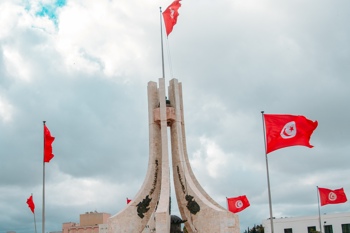
Technical assistance to the Tunisian Ministry in charge of the Civil Service in the management of change and the deployment of HRM modernization systems
- 2021 – 2024
- 500.000 € – 1 Million €
- Tunisia
a) Train and disseminate concepts, methods and tools related to forward-looking employment, staffing and skills management (French: GPEEC) through awareness-raising and introductory activities through four main topics: the fundamentals of GPEEC, the GPEEC "toolbox", management of jobs and skills, and the transition from GPEEC to proactive human resources management (French: GPRH);
b) Make the "interministerial mobility exchange" system known and accepted in order to ensure it is deployed throughout the State administration and becomes the only tool for ministerial and interministerial mobility, particularly between local and national levels; to bring real transparency to the mobility process, to attract the right profiles to vacant positions in the ministries and to enhance the skills of existing public servants who wish to advance in their professional careers;
c) Support the Tunisian administration in matching the tasks of its various ministerial departments, and support these entities in updating the regulatory texts and the actual organization of structures through functional reviews.
- Schlagwörter:
- Institutionelle Entwicklung, Projektdurchführung / technische Hilfe

Support with gender mainstreaming in the European Union's cooperation programmes in Tunisia - Phase II
- 2021 – 2024
- unter 500.000 €
- Africa (Northern)
The overall objective of this contract is to improve gender mainstreaming, including gender equality and women's empowerment, in the European Union's cooperation programs in Tunisia.
The specific objectives of this contract are:
1. To contribute to the taking into account of the objectives and indicators of the GAP 3 in the annual and multi-annual programming of the EUD in Tunisia to go towards the achievement of the target of 85% of the projects and programs with G Marker G1 or G2.
2. Contribute to the coordination, monitoring and reporting on FPIC implementation and support the integration of gender into other strategic documents of the EUD and the MS (such as the civil society support roadmap).
3. Support the institutional communication activities of the DUE Tunisia on the gender theme.
4. Deliver ad hoc training and coaching sessions to the staff of the EUD and possibly the MS.
- Schlagwörter:
- Menschenrechte

Thematic evaluation of FPI.2 managed responses to Counter Terrorism and Preventing/Countering Violent Extremism (CT-P/CVE) in beneficiary countries (2017-2022)
- 2022 – 2023
- unter 500.000 €
- Albania, Burkina Faso, Indonesia, Ivory Coast, Jordan, Kazakhstan, Kosovo, Kyrgyzstan, Lebanon, Malaysia, Maldives, Morocco, Mozambique, Niger, North Macedonia, Pakistan, Philippines, Senegal, Sri Lanka, Tajikistan, Thailand, Tunisia, Turkmenistan, Uzbekistan
The main objectives of this evaluation are to provide the relevant services of the European Union, the interested stakeholders with:
- An overall independent assessment of the performance of selected CT-P/CVE measures funded by FPI.2 during the years 2017-2022, paying particular attention to its different levels of results measured against its expected objectives; and the reasons underpinning such results
- As a particular approach to regional actions, a specific case study shall be carried out to assess the regional framework for support to CT-P/CVE measures in the Asian context, managed by the Regional Team in Bangkok. It is expected that the present evaluation assesses the relevance, added value and success of developing a model for CT and P/CVE actions, respectively, which have been replicated in different countries/contexts in Asia/Pacific (in Pakistan, Sri Lanka and Maldives for CT; and in Southeast Asia, Sri Lanka and Maldives for P/CVE). If deemed relevant, links can also be made to regional approaches in other RTs;
- Key lessons learned, conclusions and related recommendations in order to improve current and future interventions.
In particular, this evaluation will serve the contracting authority and other interested services to better understand the performance of the Intervention, its enabling factors and those hampering a proper delivery of results to inform the planning and implementation of current and future support to tackle CTP/CVE.
The main use of the results of the evaluation is expected to be
- To draw general lessons that can be used for the future approach to interventions in the sector
- To draw specific lessons that can be replicated in other similar interventions
- To draw specific lessons from the regional approaches, in particular the one applied by the Regional Team in Bangkok in terms of stocktaking, dynamics and replicability.
The main users of this evaluation will be the contracting authority, FPI.2, including its Regional Teams in Bangkok, Nairobi, Dakar, Eastern Europe and Central Asia (managed from Brussels). The Regional Team in Brasilia is less involved since they currently do not manage any CT-P/CVE projects.
- Schlagwörter:
- Monitoring und Evaluierung
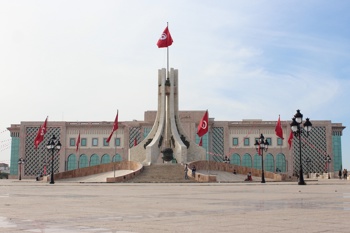
Support for Communication / Appropriation of the process of decentralization in Tunisia
- 2019 – 2022
- 2 – 5 Millionen €
- Tunisia
General Objective:
Accompany Tunisia in its process of territorial reinforcement and reduction of regional and local disparities in the framework of the decentralization process.
Specific objectives:
- Improve knowledge and promote ownership of the decentralization / deconcentration reform by its actors and beneficiaries.
To achieve this goal in a coherent and inclusive way, the approach must be based on an overall strategy, which contributes to the progress and success of the IPDLI Program and, more broadly, to the understanding and internalization by all stakeholders of the supported reforms, hence each one is called to take in charge their role and responsibilities in their specific registe.
Results to Achieve:
- R1: Develop a coherent, comprehensive and evolving communication strategy around the decentralization / deconcentration reform in Tunisia
- R2: Detail the communication strategy around the decentralization / deconcentration reform in Tunisia into actions
- R3: Support IPAPD and the Ministry of Local Affairs and the Environment for planning, designing, producing, disseminating and putting online communication tools
- Partner:
- CommWithUs (federführend), Idem Concept, Medianet, Particip
- Schlagwörter:
- Kommunikation und Medien

Evaluation of the EU's support to climate change and environment in Enlargement and Neighbourhood regions
- 2021 – 2022
- unter 500.000 €
- ENI East, ENI South, IPA
The purpose of this study is i) to provide an independent and evidence-based assessment of the EU's past and current external action support in the policy area of environment and climate change in Enlargement and Neighbourhood regions; and ii) based on this assessment, to provide lessons learnt and recommendations for decision-makers at EU level.
The evaluation encompasses both spending and non-spending activities between 2014 and 2020. It examines all funding mechanisms and modalities of implementation used under the Instrument for Pre-Accession (IPA) II and the European Neighbourhood Instrument (ENI) in a variety of sectors (e.g. energy, water and waste management).
The evaluation covers all thematic areas related to environment and climate change, paying special attention to i) issues of mainstreaming in EU external aid programmes and projects for the ten sectors in the environmental chapter of the acquis; and ii) the EU support provided through international organisations, in particular support aimed at strengthening environment and climate change governance at national and regional levels. Process and context factors – conducive to or hampering the performance of EU support, including in terms of the convergence with EU legislation in the regions under scope – are also systematically assessed.
The evaluation aims to contribute to ongoing EU strategic discussions on the use of innovative financing, in particular blending, which is playing an increasingly important role in EU support to environment and climate change. The evaluation results are also useful in enriching ongoing reflections on the future role of European Development Finance Institutions in EU external action. Finally, in the context of the COVID-19 pandemic, the evaluation contributes to identifying good practices that can strengthen Team Europe’s ongoing efforts to help ‘build back better’ and design ‘risk-informed and climate-smart’ recovery actions.
- Schlagwörter:
- Energie, Monitoring und Evaluierung, Regierungsführung, Umwelt
EIB - Schools modernisation programme – qualitative action component – in Tunisia
- 2017 – 2022
- 1 – 2 Millionen €
- Tunisia
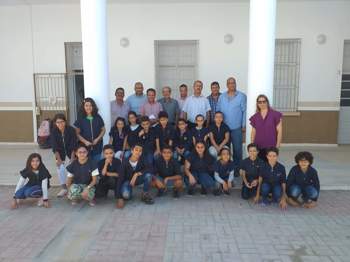
The objective of the technical assistance is to provide support to the Ministry of Education in implementing the Qualitative Intervention Programme (QIP) through which the concept of "Positive Behaviour Support" (PBS) is being adapted to the Tunisian context and implemented.
The programme will allow to improve the quality of school climate and discipline in beneficiary schools, both factors that are expected to have a positive impact on the performance of students.
The target groups of the intervention are teaching and managing staff, parents and pupils of beneficiary schools, as well as education managers at national and provincial level.
The expected results are:
- Conceptual development of a variety of qualitative interventions that allow to improve discipline and school climate, following a PBS approach who has been adapted to the Tunisian context. This will notably include the development of training material and raising awareness on the PBS approach amongst school principals, teachers and at all levels of the education system.
- Provision of empirical evidence on the impact of the PBS concept in pilot schools.
- Implementation of the PBS approach in a first group of pilot schools, the revision of the approach following the pilot phase, and the implementation of the revised approach in a second group of pilot schools.
- Evaluation of project results through a detailed analysis of the evolution of measures taken, their impact on the school climate, and their impact on the performance of students.
- Partner:
- Particip (federführend), Cayambe Partners, EUN Partnership aisbl, IB

Mapping, communication and monitoring tools for European projects
- 2020 – 2022
- unter 500.000 €
- ENI
The general objective of the mission was to provide the European Union Delegation (EUD) in Tunisia with a tool for managing information and geo-localized visualization on the activities of cooperation projects, and in particular their results and performance indicators, in order to improve the visibility of EU projects in Tunisia.
The specific objectives were as follows:
- To set up an information management system on EU projects in Tunisia and to feed it with information on the activities of EU projects in Tunisia with data from programmes and projects, in particular those relating to performance, which the provider extracts from the various documents and reports available;
- To develop an interactive mapping tool to visualize all these data from relevant by: a geographical location, sectors, partners or contractors of implementation, funding instruments, disaggregated indicators (e.g. by category of beneficiaries, age, geer);
- To produce regular reports, maps, theme sheets, diagrams, dashboards and monitoring the results of indicators (at project and thematic level) on the EU interventions in Tunisia.
The aim was to set up a web interface that allow communication, and production of information related to the interventions of the European Union in Tunisia.
The aim was to set up a web interface that make it possible to communicate, consult and produce information related to the interventions of the European Union in Tunisia.
- Partner:
- Particip (federführend)
- Schlagwörter:
- Kommunikation und Medien

Mediterranean Climate Finance Strategy
- 2019 – 2021
- unter 500.000 €
- Albania, Algeria, Bosnia & Herzegovina, Egypt, Israel, Jordan, Lebanon, Mauritania, Montenegro, Morocco, Palestine, Syria, Tunisia, Türkiye
Background
In March 2017, the UfM Climate Change Expert Group (UfM CCEG) adopted a 5-years work-program, which stress the importance to strengthen climate finance in the Euro-Mediterranean region to address climate change issues. In April 2019, UfM Member States agreed to pursue the assessment of climate finance in the UfM region, with the view of providing sound basis for a renewed climate mandate of the UfM by 2020, with the new UfM Ministerial Declaration on Climate Change.
Target Groups
Target gruops of tehis technical assistance are: UfM Institutions, UfM Member States, International Financial Institutions, International Climate Change Institutions, Civil society representatives, Private sector Organisations and Institution interested in UfM regional integration.
Objectives
- The primary objective of this technical assistance is to enhance the knowledge of UfM Member States, International Financial Institutions, civil society representatives, private sector organisations and any other institution interested in the UfM regional integration, regarding the level of financial commitments made in 2018 and in 2019 to address climate change issues in the UfM region.
- The second objective is to explore the feasibility of financial mechanisms, which could be implemented in the UfM region with the aim of enhancing the mobilisation of climate finance for specific population or sectors, while building on lessons learned in some specific sectors (in particular in the water sector) or potentially in other regions, such as Caribbean or Latin America.
Expected Results
- R1 - to have a precise figure of financial commitments made to recipients in UfM developing countries in 2018 and in 2019, by public/private donors from developed/developing countries;
- R2 - to have a precise view of commitments and disbursements made by national governments, local authorities, private sector and, if possible, households addressing climate change in UfM developing countries;
- R3 - to have the methodology and process in place for monitoring, reporting and verifying climate finance commitments made in the UfM region, especially by ensuring the involvement of all relevant actors, including the scientific community, the private sector and NGOs;
- R4 - quantitative and qualitative analysis of financial mechanisms, which could be implemented in the UfM region with the aim of enhancing the mobilisation of climate finance for specific population or sectors.
- Schlagwörter:
- Umwelt

Support for Gender Mainstreaming in European Cooperation in Tunisia
- 2019 – 2021
- unter 500.000 €
- Tunisia
The general objective of this contract was to improve information on equality between women and men in Tunisia and its inclusion in development policies with a view to supporting the Tunisian Government and the European Union in mainstreaming gender equality issues in development programmes and projects.
This consultation was expected to provide an in-depth analysis with strategic and specific recommendations on how to use EU resources to improve gender equality and women's empowerment, as well as an analysis of the sectors and themes of intervention with a view to supporting the definition of gender-based indicators for future multiannual programming and for the annual programmes 2021 and 2022.
The specific objectives for this application were as follows:
- 1.Elaborate a gender profile of Tunisia, and on this basis, monitor and propose recommendations for gender mainstreaming in the post-2020 multiannual national programme.
- 2.Elaborate sectoral gender analyses in Tunisia that present in a concise manner and based on statistical evidence the state of gender and women's empowerment, as well as the existing gaps, both at the level of institutional response and women's acquired rights.
The analyses focused in particular on the sectors of intervention in the annual programming for 2021 and 2022.
- 3.Draw up recommendations for the identification of objectives and indicators on gender equality in programmes in the identification and formulation phase (projects and budget support) and in the implementation and monitoring phase of programmes financed by the European Union.
- 4.To report the results and support the programming and implementation of public policies, programmes and projects in favour of gender equality.
Gender analysis made possible to understand whether inequalities between women and men persist in the various sectors specified and to learn about their causes, how they interact with other inequalities, their impact on human rights and/or the benefits of development efforts and access to them, and the commitment of the Government of Tunisia and its capacity to address issues relating to equality between women and men and the empowerment of women.
The result of this analysis were a practical guide with concrete and oriented recommendations for decision-making, including operational decisions.
The information was elaborated and presented in such a way that Tunisian and European decision-makers had clear information (at macro, meso and micro levels) on the economic and social stakes of the gender issue on policies, the legal framework, the participation of actors (public and civil society) and the availability of statistics. It enabled the European Union cooperation strategy being formulated (post-2020) to take account of gender issues in the programming of the areas of intervention selected and the cooperation objectives and approaches defined.
- Schlagwörter:
- Aus- und Fortbildung, Menschenrechte
Results Oriented Monitoring (ROM) system for external aid interventions financed by the European Union - Lot 1 – Neighbourhood region
- 2019 – 2021
- 5 – 10 Millionen €
- ENI
Results Oriented Monitoring (ROM) reviews aim to assist the European Commission’s services and EU Delegations in monitoring of and reporting on EU financed development and cooperation projects and programmes in third countries through independent reviews of the progress of their implementation and the achievement of project results.
ROM services provided through this contract were clustered in three components:
** Component 1: ROM Reviews. ROM contractors assessed the performance of EU-funded interventions on the basis of the following OECD DAC evaluation criteria: relevance, efficiency, effectiveness, and sustainability.
ROM reviews covered:
-A sample of EU funded interventions during the inception phase of implementation. The ROM review supported the OM in confirming or updating intervention logic and logframe matrix, in reviewing the monitoring system of the IP, in assessing risks and mitigation measures and fine tune the calendar of activities with a view to improve the performance of the intervention across the OECD DAC criteria.
- ROM reviews assisted the OM in adressing the main implementation problems.
-Other interventions for which Commission services requested a ROM review on demand (interventions which could not be visited by EU OMs or for which there was a lack of sector expertise in the EU Delegation/operational unit in HQ).
- Blending operations, focused on asessing the value added of the EU contribution and on the performance of blending interventions in terms of socio-economic development.
** Component 2: Quality assurance and support at design stage for a sample of interventions.The Contractor Provided technical support to EC services in the formulation of intervention logics and related logical frameworks matrices (logframes) and monitoring and reporting arrangements for a sample of interventions.
**Component 3: Results report (at corporate and intervention level). The Contractor provided services to encode and quality control results data for a set of interventions subject to results reporting. TOM contractor ensured quality control of data included in the intervention's logframes. Such quality controls included, amongs others: verifying that the logframe is correctly encoded and up-to-date , enssuring that the latest values related to logframe indicators were available, and supporting the aggregation of intervention-level results into the EU Results Framework or other frameworks.
- Partner:
- Particip (federführend), Dev4U, GOPA, Integration

Evaluation of EU support to local authorities in Enlargement and Neighbourhood regions (2010-2018)
- 2019 – 2021
- unter 500.000 €
- ENI, IPA
The purpose of this evaluation was to provide an independent assessment and evidence on the extent to which EU external action has contributed to the achievement of objectives and intended impacts of the EU’s policy towards local authorities (LAs) in enlargement and neighbourhood regions during the 2010-2018 period.
The specific objectives of this evaluation were:
- To assess the performance (relevance, efficiency, effectiveness, coherence, impact, sustainability and EU value added) of EU support (policy dialogue and financial assistance) to LAs and associations of local authorities (ALAs) in partner countries between 2010 and 2018;
- To assess the coherence, complementarity and coordination of EU interventions financed from IPAI/II and ENPI/ENI with other actions financed from other EU instruments, actions carried out by Member States, regional and international donors (state and/or international organisations) to support LAs and ALAs in partner countries;
- To provide recommendations for future programming and policy purposes, particularly on how to engage with LAs and ALAs in the next Multiannual Financial Framework (MFF) and in the context of the Commission proposals for the Neighbourhood, Development and International Cooperation Instrument (NDICI) and the Instrument for Pre-Accession III.
The results of the evaluation were used to:
- Take stock of the results achieved by the European Commission's support to local authorities and associations of local authorities in enlargement, neighbourhood regions over a large period of time (2010 to 2018) and identify the contributing (and hindering) factors;
- Consider those results against the problems and needs the EU's support to local authorities and associations of local authorities sought to address, resources deployed, as well as instrument and implementation modalities available;
- Measure the extent to which strategic orientations and principles were operationalised within the design, implementation and monitoring of the EU's support (political and policy dialogue as well as financial assistance) to local authorities and their associations;
- Identify areas of improvement for future policy and financial assistance orientations and guidelines, as well as for the future programming of interventions for the remaining period of the 2014-2020 Multi-annual Financial Framework and for the future one
- Partner:
- Particip (federführend), ECDPM
- Schlagwörter:
- Infrastruktur, Institutionelle Entwicklung, Ländliche und städtische Entwicklung, Monitoring und Evaluierung, Regierungsführung

Support program for media in Tunisia
- 2017 – 2020
- 5 – 10 Millionen €
- Tunisia
The overall objective of this technical assistance project is to strengthen the professional media sector in Tunisia and to guarantee the dissemination of independent and pluralistic information guaranteeing freedom of expression.
Results to be achieved are, among others:
- Governments are strengthened in defining and exercising their roles and responsibilities in the development, implementation, monitoring, evaluation and monitoring of public media policies.
- Public media (radio, television and news agency Tunis Afrique-TAP) are strengthened in their vision and strategic capacities and have initiated internal structural reform.
- The economic viability of the media is analyzed and reviewed for their plurality and independence.
- Concertation structures ensure the participation of media professionals, civil society organizations, academics and citizens in the definition of public media policies.
- Ethics and editorial strategy are incorporated into the mainstream media.
- Media managers are strengthened in the management and direction of media companies.
- Media regulation and monitoring is structured and implemented by trained teams.
- Access to information for public institutions is reinforced by public communicators.
- The image of women in Tunisian society is valued and reinforced in the media.
- Young people are encouraged and strengthened by the experience and sense of leadership.
- School and out-of-school education for media understanding is strengthened.
- The social partners and civil society are strengthened in their decisions.
- The media training activity is decentralized and rooted at the regional level.
- Local deployment of regional radios, television and the Tunis Afrique Presse (TAP) national news agency is consolidated.
- Local media capacities are strengthened and their relations with local civil society strengthened.
- Media professionals, civil society organizations (CSOs) and citizens of the region are sensitized to issues of freedom of expression and the media.
- Partner:
- Particip (federführend), ANSA, Article 19, DW, France Médias Monde
- Schlagwörter:
- Institutionelle Entwicklung, Kommunikation und Medien, Menschenrechte
Political economy analysis and support to the identification and formulation of the programming of 2019 - Tunisia
- 2018 – 2019
- unter 500.000 €
- Tunisia
The general objective of this project was to support the European Union Delegation (EUD) in Tunisia by providing it with a political economy analysis to identify strategic entry points for the programming of 2019, focusing particularly on fighting corruption and improving the business climate.
To do so, the specific objectives for this mission are as follows:
- To train the staff of the EU Delegation in Tunisia on the conceptual tools of political economy analysis and to support them in their concrete application to the Tunisian context
- To develop a political economy analysis on three levels (national, sectors, specific issues) with a thematic focus on fighting corruption and improving the business climate. The dynamics at work and the interactions between the actors as well as the levers for change were clearly identified
- To formulate concrete and guided recommendations for decision-making in the framework of the general and sectoral dialogue and of the programming of 2019
- To produce the action documents for the programming of 2019.
- Partner:
- Particip (federführend), ECDPM
- Schlagwörter:
- Aus- und Fortbildung, Handel, Industrie und Privatsektorentwicklung, Makroökonomie / nationale Politik, Monitoring und Evaluierung, Regierungsführung

Evaluation of EU Support for Rule of Law in Neighbourhood Countries and Candidates and Potential Candidates of Enlargement in the period 2010-2017
- 2018 – 2019
- unter 500.000 €
- ENI, ENI East, ENI South, IPA
The purpose of this evaluation was to provide an independent assessment and evidence on the scope and performance of the implemented and on-going EU support for Rule of Law (RoL) funded by the Instrument for Pre-Accession Assistance (IPA I and II ), and the European Neighbourhood and Partnership Instrument (ENPI ) and its successor the European Neighbourhood Instrument (ENI). It also encompassed support provided by global thematic instruments, such as the European Instrument for Democracy and Human Rights (EIDHR).
The Evaluation assessed to what extent the EU support to these institutions led to strengthening of RoL in the respective countries and beneficiaries, and in particular whether essential RoL principles were applied in practice.
The evaluation also aimed to provide recommendations for the improvement of the programming and implementation of EU support to RoL. In line with the ToR, the Evaluation focused on interventions in areas such as the judiciary, fundamental rights and democracy that have aimed to strengthen the RoL, and its results will be used to:
- Provide an overall independent assessment of EU support to RoL funded by the IPA (I and II) and the ENPI/ ENI and other relevant instruments;
- Demonstrate whether already on-going and planned IPA and ENPI/ENI action programmes and interventions in the area of RoL have incorporated lessons learnt;
- Support reflection on the revision of policies and programmes in view of the 2030 Agenda for Sustainable Development and new/ current policy framework;
- Provide recommendations to the European Commission (EC) on the most appropriate manner to approach and improve its financial and policy dialogue support to RoL;
- Contribute to the preparation or adjustment of action programmes under IPA II and ENI;
- Contribute to the development of a monitoring and evaluation framework, including through proposing indicators for measuring impact in capacity building in RoL and related activities.
The report is available at: https://ec.europa.eu/neighbourhood-enlargement/sites/near/files/rol_final_evaluation_report.zip
- Schlagwörter:
- Justiz / Rechtsstaatlichkeit, Menschenrechte, Monitoring und Evaluierung
Results Oriented Monitoring (ROM) reviews aim to assist the European Commission’s services and EU Delegations in monitoring of and reporting on EU financed development and cooperation projects and programmes in third countries through independent reviews of the progress of their implementation and the achievement of project results.
The ROM reviews and support missions to be carried out are the following:
a) +++ROM reviews of projects signalled as having implementation problems and where EC services have identified a need for an outside expert review to assist in addressing the problems, identifying causes and options for solution and making recommendations.
b) +++ ROM reviews of other projects for which such ROM reviews may have a particular usefulness, in particular for projects which could not be included in the EUDs’ planning of field visits or for which the necessary sector expertise at EUD level may not be sufficiently available at a given point of time or for innovative projects.
c) ROM reviews of BS programmes: in countries where a BS programme is signalled as having implementation problems, a ROM review may be organized focusing on the programme in question for the sector specific aspects but also covering the Public Financial Management (PFM) and macroeconomics aspects of all BS programmes financed by the EU in the country .
d) ROM support to end of project reporting on results (outputs and direct outcomes), including for BS programmes. These ROM support missions are to assist EC services and EUD in strengthening their results reporting capacities in: assisting with the recording actual results achieved by projects and programmes that have come to an end in the specified calendar year, solving technical difficulties that may occur linked to results reporting, and identifying the systemic needs and modalities for improvement which may be needed in these areas. The ROM support to end of project results reporting missions are to focus on projects of EUR 750.000 or more.
- Partner:
- Particip (federführend), GOPA, Integration
- Schlagwörter:
- Monitoring und Evaluierung

Final evaluation of the IfS/lcSP support under Article 3 to Mine Action in beneficiary countries (2007-2017)
- 2018 – 2018
- unter 500.000 €
- Global
The main objectives of this evaluation were to provide the relevant services of the European Union, the interested stakeholders and the wider public with:
- an overall independent assessment of the past performance of the IfS/IcSP support to mine;
action related projects and programmes;
- key lessons and recommendations in order to improve current (if relevant) and future actions;
- recommendations for the future within the frame of the EU guidelines on Mine Action that are currently subject to review.
In particular, this evaluation served the European Commission, the European External Action Service, and other relevant stakeholders with:
- an independent assessment of the overall IfS/IcSP support to mine action (2007-2017), paying particularly attention to the results achieved against its objectives;
- key lessons and recommendations to FPI.2 in order to improve current and future support for mine action related interventions financed under the IcSP;
- recommendations to the European Commission on the best way to approach and improve its support to mine action overall.
The main users of this evaluation will be the European Commission and the European External Action Service.
- Schlagwörter:
- Humanitäre Hilfe

The purpose of this evaluation was to provide an assessment and evidence on the scope and performance of the implemented and on-going EU support to CT/PVE provided by the IfS and the IcSP from 2007 to 2016. It aimed at providing recommendations for the improvement of the design and the implementation of EU support to CT/PVE in line with:
a) the principles laid down in the following key EU policy documents:
- A Global Strategy for the European Union’s Foreign and Security Policy – Shared Vision, Common Action: A Stronger Europe (2016);
- European Union Counter-Terrorism Strategy (2005);
- European Union Strategy for Combating Radicalisation and Recruitment to Terrorism (2014);
- Preventing Radicalisation to Terrorism and Violent Extremism: Strengthening the EU’s Response (2014)
- Communication from the European Commission of the European Parliament, the Council, the European Economic and Social Committee and the Committee of the Regions Supporting the Prevention of Radicalisation Leading to Violent Extremism (2016).
b) the principles laid down in the following key international policy documents :
- The UN Global Counter-Terrorism Strategy (2016);
- The UN Secretary General’s Plan of Action to Prevent Violent Extremism (2016);
- GCTF Ankara Memorandum on Good Practices for a Multi-Sectoral Approach to Countering Violent Extremism (2013);
- The UN Sustainable Development Goals (2016)
The evaluation provided the European Commission, the European External Action Service, and other relevant stakeholders with:
- an independent assessment of the overall IfS/IcSP support to CT and to PVE (2007-2016), paying particularly attention to the results achieved against its objectives;
- key lessons and recommendations to FPI.2 in order to improve current and future support for CT and PVE financed under the IcSP;
- recommendations to the European Commission on the best way to approach and improve its support to CT and to PVE both in terms of the use of policy dialogue and financial assistance.
The analysis, lessons and recommendations were explicitly distinguished (separated when necessary) given the differences of objectives, approaches and activities relating, on one hand, to counter terrorism and, on another hand, to the prevention of violent extremism.
The results of the evaluation was used to:
- demonstrate whether already on-going/planned IcSP interventions in the area of CT and PVE have taken on board the past lessons learned;
- feed into the overall evaluation and impact assessment of the IcSP;
Geographical coverage:
The evaluation covered all beneficiary countries in which the IfS/IcSP provided/provides support to CT/PVE.
- Partner:
- Particip (federführend), Cardno UK
Functional review of the Ministry of infrastructure, housing and territorial planning in the context of the public administration reform in Tunisia.
- 2017 – 2018
- unter 500.000 €
- Tunisia
The objective of the Functional review of the Ministry of infrastructure, housing and territorial planning was to assist in decision-making concerning the implementation of the Government’s modernization agenda for the public administration on the level of this specific Ministry.
Being a tool for evaluation and decision-making, the functional review of the Ministry, its conclusions and recommendations should facilitate the implementation of measures to rationalize its structures in order to allow for more efficiency and a better (re-)allocation of resources, especially human resources with the double objective to allow for a better return and to generate savings.
The FR was supposed to be a project of redefining the Ministry’s tasks, its organigram and the allocation of its organs, as well as decision-making responsibilities concerning its key functions.
It should also indicate:
- the needs in terms of staff, the redeployment of officials in the evolving context of reforms to anticipate and especially of deconcentration and decentralisation, taking into account the need to consolidate public finances; in terms of sustainability concerning the development of the wage share and the rebalancing of public expenditure;
- the impact of these functional reviews on the requirements to be taken into account in the context of functional reviews of other Ministries.
The specific objective of this mission was to conduct a functional review of the Ministry with the following characteristics:
a) a focus on relevance, coherence and on the necessity to adapt and adjust the tasks and organisational structures of the Ministry on the one side and the allocation of human and financial resources on these structures on the other side;
- for the sake of a better return and the generation of savings, e.g. throughout internal restructuring;
- taking into account the constraints that may exist at the level of reallocating and redeploying agents in order to accompany priority shifts and new needs in general and
- concerning the limitations of the statutory regulatory framework, especially aspects relating to the experts’ mobility and remuneration and
- particularly in view of the need of redeployment to the regions (decentralized services).
b) an analysis (SWOT or similar) on the capacity of concerned services (allocation-structures, affected posts and instruments available) in order to establish a “forecast management of jobs and skills” of the sector c) formulation of recommendations for guidance and decision-making allowing decision-makers to identify accompanying actions to be foreseen, enabling the Ministry to engage in the progressive implementation of its reorganization and facilitating future steps to introduce periodic functional reviews of other entities within the sector.
- Partner:
- Particip (federführend), ADE, EPRD
- Schlagwörter:
- Infrastruktur, Institutionelle Entwicklung

The global objective of the assignment was to assess the EU support at regional level, bilateral level and through the blending mechanism (the NIF ) to the partner countries of the Neighbourhood South in the fields of environment (H2020 initiative, Sustainable Consumption and Production, Integrated Water Management, biodiversity and Marine Protected Areas…) over the period 2010-2017, and to propose recommendations for further EU support for the forthcoming programming period 2018-2023.
It also considered how the political relationships between the EU and its partner countries as well as relations between partner countries affect both the implementation of the EU support and the development of harmonised environment sector policies in the Mediterranean region.
- Partner:
- Particip (federführend), DAI Global UK, ETI
- Schlagwörter:
- Umwelt

Identification and formulation of the third phase of the Justice Reform Support Program (JRSP 3)
- 2016 – 2018
- unter 500.000 €
- Tunisia
The general objective of this contract was to assist the EU Delegation in Tunisia in the identification (phase 1) and the formulation (phase 2) of a budget support program for the implementation of the Strategy and Action Plan for the Reform of Justice, thus complementing JRSP I and II.
The program was to contribute to the reform of justice in order to reaffirm the independence of the justice and to enhance its effectiveness in the provision of public services to Tunisian citizens.
Specific objectives:
To draw up an inventory of the progress made in the implementation of the Strategy for Reform of Justice 2016-2020. This was based on the consolidation of the achievements of phases I and II of the JRSP. Other areas of justice were also covered in this new program, including civil and commercial justice. Moreover, administrative and financial justice underwent major reforms under the new provisions of the 2014 Constitution. Budget support also included technical assistance / institutional support as well as support to society so as to speed up the planned reforms.
Following the identification of the areas of intervention and in agreement with the beneficiary authorities, the mission formulated the support program in detail, demonstrating its relevance and consistency with policy objectives and instruments of the EU and the country, its feasibility, its complementarity with the actions of other donors, as well as with projects already underway or planned by the EU. The missionl drafted all the documents necessary for the implementation of the action.
- Partner:
- Particip (federführend), ADE
- Schlagwörter:
- Justiz / Rechtsstaatlichkeit

Technical assistance for the drafting of the terms of reference and the coordination of 4 functional reviews
- 2016 – 2017
- unter 500.000 €
- Tunisia
The general objective of the assignment is to support the Tunisian authorities (presidency of the Government and concerned ministries united in a steering committee) in conducting functional reviews in order to reform the public administration.
The specific objectives of the mission are as follows:
- support to the Tunisian government in the launch of functional reviews of four ministerial departments;
- follow-up the good implementation of the functional reviews and assure coherence and coordination between the processes followed within each entity concerned, until a final document will have been prepared by each team.
- Partner:
- Particip (federführend), EuroPlus

Support Mission to Consolidate and Transform the Institutional and Legal Environment for Civil society Organisations in Tunisia
- 2015 – 2017
- unter 500.000 €
- Tunisia
The overall objective of the mission was to contribute to the improvement, transformation and consolidation of the institutional and legal environment of Tunisian civil society organisations (CSO) in order to guarantee their effective contribution to and participation in decision-making processes and in the implementation of development actions in Tunisia.
The specific objective of this mission was to set up a technical assistance unit to support the Government Presidency with the revision, transformation and consolidation of a legal and regulatory framework for civil society, in close coordination with Tunisian civil society organisations and public actors.
This reworking of the regulatory and legal framework and of the support of actors aimed to enable CSOs to evolve and operate in a clear and coherent legal environment, while at the same time fostering frameworks for dialogue between civil society organisations, public actors, and financial and technical partners.
The Technical assistance did support both the Directorate General of Associations and the Political Parties from the Government Presidency, with the qualitative revision and strengthening of services offered and provided to all the associations by the Tunisian State.
As part of the EU-financed Programme of Support to Civil society in Tunisia (PASC), specific objective 2 was to improve the institutional and legal framework of Tunisian civil society organisations, including the capacities of state actors and local public authorities, procedures and operating conditions, and legal and regulatory texts that govern CSO interventions in Tunisia.
Improving the environment of the CSOs was a central pillar and key to strengthening them. It was indispensable in complementing the capacity building activities for the CSOs, including associative governance, and the promotion of communication and dialogue, which are a particular focus in the context of the PASC.
- Schlagwörter:
- Justiz / Rechtsstaatlichkeit, Zivilgesellschaft

Environmental Impact Assessment on industrial pollution in the Gabès region
- 2016 – 2017
- unter 500.000 €
- Tunisia
Cette étude, prévue dans les dispositions techniques et administratives de la convention de financement du projet, a pour objectif particulier d'estimer les impacts économiques, positifs et négatifs, de l'activité industrielle au niveau des principaux secteurs économiques de la région de Gabès, avec un regard particulier aux impacts liés aux sources de pollutions et autres nuisances environnementales.
- Partner:
- Particip (federführend), ETI
- Schlagwörter:
- Umwelt

Evaluation of the capacity building initiatives in support of Civil Society in the Neighbourhood South (2012 – 2016)
- 2016 – 2017
- unter 500.000 €
- ENI South
The main objective of the evaluation was to analyse and evaluate the capacity building support provided to civil society by both regional and bilateral programmes during the period 2012-2016. This evaluation has focused on the efforts funded under ENPI and ENI.
The evaluation was also supposed to provide a series of recommendations to support innovative ways for contributing to building capacities of civil society organizations at a regional level in the future in complementarity with the political objectives as set out in the revised ENP and in the 2012 Communication of the European Commission - The roots of democracy and sustainable development: Europe's engagement with Civil Society in external relations and related Council Conclusions, as well as the EU Country Roadmaps for Engagement with Civil Society, a joint initiative between the European Union and Member States which aims to strengthen the strategic engagement with civil society.
Specific objectives
- to provide an overall independent assessment of the support given by the European Union to build capacities of civil society in the Neighbourhood South from both regional and national programmes - mainly through i) the Technical Assistance programme of the Civil Society Facility; ii) the Regional Grants of the Civil Society Facility; iii) bilateral support to capacity building (managed by EU Delegations) and iv) specific support to two institutions: Anna Lindh Foundation and European Endowment for Democracy. The assessment was supposed to take a look into issues related to their design, implementation and overall performance;
- Drawing up from key lessons; provide recommendations in order to inform the identification of current and future regional initiatives supporting capacities of civil society, especially in light of the complementarity and added value that can be given to efforts implemented at the national level
- Partner:
- Particip (federführend), EPRD
- Schlagwörter:
- Zivilgesellschaft

Evaluation of the European neighbourhood instrument (ENI)
- 2016 – 2017
- unter 500.000 €
- ENI
The European Neighbourhood Instrument (ENI) aims to develop closer relations between the EU and its neighbouring countries (6 in Eastern Europe and 10 in North Africa and the Middle East). To that end, the ENI evaluation was designed to assess whether ENI was fit for purpose to deliver EU resources towards EU’s external policy, both at the start of the planning period (2014) and currently, and considered the place of ENI –its complementarities and synergies – within the wider set of external financing instruments (EFIs). Together with other independent evaluations of each EFI, the ENI evaluation will feed into the Mid Term Review Report of the EFIs required by the Common Implementing Regulation (CIR) by end December 2017.
The specific objectives of the ENI evaluation were to 1) provide the relevant external relations services of the European Union and the wider public with an independent assessment of the ENI instrument, including complementarities/synergies between ENI and the other EFIs; and 2) to inform the future programming and implementation of the current EFIs, as well as the next generation of the EFIs.
The evaluation used a mixed methods approach blending quantitative and qualitative methods, with a focus on the latter. The main analytical tools consisted of rigorous assessment of documentation (policy documents, evaluations, etc.), statistical information and consultation of stakeholders (via interviews, group consultations, a telephone survey focusing on EU Delegations and the Open Public Consultation- OPC; key issues are additionally addressed by a joint-EFI survey managed by the chapeau contract). Country case studies were prepared for Egypt, Georgia, Lebanon, Tunisia and Ukraine. With the exception of Lebanon, these case studies were backed by short country visits.
The report is available at:
https://ec.europa.eu/neighbourhood-enlargement/sites/near/files/final_report_eni_evaluation.zip
- Partner:
- Particip (federführend), Ecorys B.V.
- Schlagwörter:
- Monitoring und Evaluierung

The main objectives of the evaluation are the following:
- to provide an overall independent assessment of the European Union's financed project PPRD South II, its design, its implementation by the Civipol consortium as well as its overall performance;
- to identify key lessons and recommendations for the implementation of PPRD South III.
The evaluation should focus on the following specific objectives:
Assessment of the design of the project
1. Evaluate the appropriateness of the project objectives and their relevance with respect to the programme's objectives and requirements, taking into account the specific policy environment as it stood when it was decided in 2013 and as it stands at the moment;
2. Review the project's approach and methodology and assess its appropriateness for achieving the programme's objectives;
Assessment of the implementation of the project
3. Assess the overall implementation of the project;
4. Review the efficiency and effectiveness, outputs, impact and sustainability of the supported actions with respect to the project's objectives and the project's capacity to reach out to the target groups, taking into account involvement of key stakeholders across all partner countries and all EU Member States;
5. Evaluate the complementarity with other related EU and EU Member States funded programmes in the Southern Neighbourhood Region and in particular UCPM and actions funded by DG ECHO (SASPARM, eFIRECOM and IPCAM) or actions financed by the Instrument contributing to Stability and Peace (CBRN Centres of Excellence: www.cbrn-coe.eu).
6. Evaluate the relevance and stability of the project partnerships, taking into consideration partners' statute, motivation, roles and expertise and assess the local ownership of the project activities;
7. Assess the visibility of project activities.
Recommendations for future actions
On the basis of the lessons learnt and considering the latest developments in the ENP region, the final report will include recommendations for the future PPRD South III.
8. Propose recommendations for the future PPRD South III, in terms of better targeting the project and a possible re-orientation of its respective activities but also in terms of its implementation structure. These recommendations should be coherent with design included in the action document for PPRD South III.
- Schlagwörter:
- Humanitäre Hilfe, Monitoring und Evaluierung

Mid-term evaluation of PARJ (Support to Justice Reform Programme) and of the start of PARJ II
- 2016 – 2017
- unter 500.000 €
- Tunisia
The general objective of the mission was to realise the mid-term evaluation of PARJ (Support to Justice Reform Programme) and of the start of PARJ II
The objective was to provide sufficient information to decision-making bodies of the government of Tunisia, to the Delegation of the European Union and to other concerned parties in order to:
- appreciate the conception, relevance, efficiency and effectiveness of PARJ and PARJ II globally and independently and provide an assessment of the viability of the approach, of its visibility and the corrections to be made, especially on indicators of results and performance
- evaluate the management of PARJ and the activities of the different stakeholders (MJ, beneficiaries, UGPARJ, EUD, contractors etc.), manuals of procedures, the management of Twinning and of the ATPARJ, the financial and administrative as well as HR management, the archiving and monitoring of projects within the PMU, and activities of communication and visibility ;
- learn lessons from the intervention to improve the management of PARJ II and new projects to be financed by the European Union or by other donors in corresponding areas of intervention.
- Partner:
- Particip (federführend), GOPA
- Schlagwörter:
- Infrastruktur, Justiz / Rechtsstaatlichkeit

Evaluation of Election Observation Missions
- 2016 – 2017
- unter 500.000 €
- Afghanistan, Bolivia, Guinea (Conakry), Honduras, Kenya, Mozambique, Sri Lanka, Tunisia
The global objectives of the evaluation were:
a) to provide the relevant external and co-operation services and other impacted services of the EU (FPI, EEAS, DEVCO, NEAR) with an independent assessment of the achievement of the intended results of EU election observation missions and b) to identify key lessons and forward looking recommendations in order to improve future actions in this field.
The specific objectives of the evaluation were as follows:
a) The evaluation will assess EU election observation activities worldwide during the period January 2012–June 2016, using two of the standard five DAC criteria for evaluating Development Assistance, namely those of effectiveness and impact. As the evaluation should reflect a results-oriented management approach, these two DAC criteria were selected being the most relevant for this purpose.
b) The difference of this evaluation, compared to the wider one on the EIDHR in the context of the Mid Term Review Report, is that it is more focused on effectiveness and impact and takes also into consideration the beneficiaries' side with field visits of the evaluators in countries in which EU election observation has been conducted. This evaluation has also a shorter time span.
- Partner:
- GOPA
- Schlagwörter:
- Monitoring und Evaluierung, Regierungsführung