Burkina Faso
19 referencias
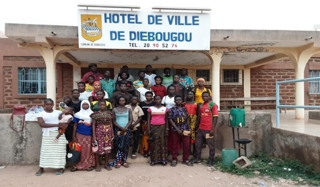
Contribute to the improvement of the institutional, legal and social framework for the protection of vulnerable children and promote the training and empowerment of young people
- 2024 – 2028
- de 1 a 2 millones de €
- Burkina Faso
An evaluation of phase VI of the Children and Youth Fund (FEJ) identified adjustments and recommendations as well as a significant need for a new project.In addition, the consequences of the security situation, threatened social cohesion and rising inflation are crucial issues.These findings have given rise to the present "Children and Youth Fund - Protection of Children and Training of Young People (PEFJ)" project,which aims to protect vulnerable boys and girls and improve the training and economic autonomy of young people. In addition, the new PEFJ project must continue to promote the economic empowerment of women and the educational success of girls by awarding study and vocational training grants.
The main objective of the project is to help improve the institutional, legal and social framework for the protection of vulnerable children and to promote the training and empowerment of young people.
The specific objective of the project is to improve the protection of vulnerable girls and boys and the training and economic autonomy of young people. The context of the project is marked by a tense security situation in most regions of Burkina Faso and the displacement of people within the country.
The intervention target group is the young and vulnerable rural population and their family environment in the intervention zones and, more broadly, the general public in Burkina Faso. However, more attention should be paid to young people and internally displaced children. The same applies to girls, so that they benefit first and foremost from school grants, and so that the interventions enable young people and women to improve their financial independence. On the other hand, young men should preferably be the main beneficiaries of vocational training grants.
Within the framework of the PEFJ, all the activities are grouped into the following components:
- Component 1: The implementation of communication measures at national and local level to improve the visibility of actions financed by the Children and Youth Fund.
- Component 2: Building and equipping social infrastructure for children and young people (including communal social services)
- Component 3: Promoting vulnerable children and young people, in particular through study grants, vocational training and measures to create income-generating activities (IGAs) for families with vulnerable children and IDP families.
- Component 4: The implementation of support and advisory measures for local authorities, technical services and civil society players in setting up and implementing specific projects carried out under components 2 and 3
- Socios:
- Particip (líder), Initiatives Conseil International (ICI)
- Palabras clave:
- Derechos humanos, Educación, Formación, Infraestructuras, Justicia / Estado de derecho, Medio ambiente

Mid-Term Evaluation of the Youth Action Plan in EU External Action (2022-2027)
- 2025 – 2026
- ACP (Africa), ASEAN region, Latin America & Caribbean
The Youth Action Plan (YAP) in EU External Action 2022–2027, adopted in October 2022, aims to promote meaningful youth participation and empowerment in EU external action for sustainable development, equality, and peace. The global objective of this evaluation is twofold:
- To provide the relevant EU services and stakeholders with an independent assessment of the performance of the YAP, ensuring accountability by examining results at different levels against expected objectives and analysing the factors underpinning those results.
- To identify key lessons learned, conclusions, and recommendations regarding the YAP in order to inform decision-makers on how to improve current and future interventions on youth mainstreaming in EU policies, dialogues, and actions, notably within Global Gateway initiatives.
The specific objectives are:
- To assess the performance of the YAP to date in achieving its objectives and expected results, identifying best practices and gaps in implementation.
- To assess the relevance, coherence, efficiency, effectiveness, sustainability, and prospects for impact of DG INTPA’s youth-targeted actions and youth mainstreaming (at country, regional, and global levels) in relation to YAP objectives.
- To assess the relevance, coherence, efficiency, effectiveness, sustainability, and prospects for impact of EU initiatives undertaken to enhance institutional youth engagement.
- To inform decision-making on the implementation and further development of youth policy and priorities in EU external action up to 2027 and into the next programming cycle (possible YAP II), contributing to EU priorities and, in particular, the implementation of Global Gateway.
- Socios:
- Particip (líder), ECDPM
- Palabras clave:
- Seguimiento y evaluación
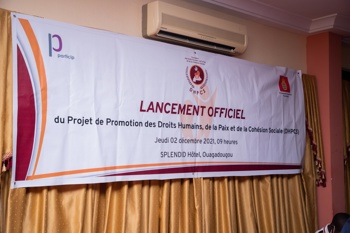
Manager of the CSO Fund 'Promotion of Human Rights, Peace and Social Cohesion 2021-2025'
- 2021 – 2026
- de 2 a 5 millones de €
- Burkina Faso
For many years, the Royal Danish Embassy (RDA) in Ouagadougou has accompanied and strengthened Burkinabe civil society organisations (CSOs) active in the field of democratic governance and the promotion and protection of human rights, which have very often been at the forefront of promoting democratisation and the defence of fundamental rights.
The objective of this project is "a strengthened civil society contributes to the respect of human rights, the prevention of conflicts and the preservation of social cohesion". Three outputs are expected:
- output 1: Human rights are promoted, particularly among women, youth and marginalised groups - including Internally Displaced Persons (IDPs) - and better respected throughout the country;
- output 2: Preservation of social cohesion, resilience against violent extremism and peace-building are strengthened, particularly with the participation of women and youth;
- output 3: The strengthening of CSO’ capacities favours better quality actions on the ground, allowing for greater access to rights and increased dialogue with the government.
In a highly deteriorated context (deterioration of security, expansion of terrorism, social contestation, threats to freedom of expression), Burkina Faso needs stronger CSOs. The project, through the Technical Assistance Unit, will contribute to capacity building in strategic planning, management, monitoring and evaluation and capitalisation, which will lead to better quality actions on the ground, allowing for greater access to rights and increased dialogue with the Government.
- Palabras clave:
- Comunicación y medios, Derechos humanos, Ejecución de proyectos / asistencia técnica, Sociedad civil
Final evaluation of the Creative Industries and Cultural Governance Support Program (Culture and Employment Program)
- 2025 – 2026
- menos de 500.000 €
- Burkina Faso
This evaluation pursues two main objectives. Firstly, it aims to provide an independent and in-depth assessment of the performance of the Support Programme for Creative Industries and Cultural Governance (PAIC-GC) in Burkina Faso, by examining its results, impacts, and the factors that explain them. Secondly, it aims to identify key lessons learned and formulate concrete recommendations to inform European and national decision-makers in improving current and future European Union interventions in Burkina Faso's cultural sector.
The specific objectives of the evaluation are as follows:
- Analyze the extent to which the PAIC-GC has contributed to the development of cultural and creative industries and the strengthening of cultural governance in Burkina Faso;
- Provide relevant European Union departments, national stakeholders, and the general public with an independent assessment of the programme's overall performance, measured against its objectives, results, and the causal links between implemented activities and observed impacts;
- Identify lessons learned, conclusions, and recommendations useful for preparing future EU intervention in the culture and tourism sectors in Burkina Faso.
The evaluation will produce findings, conclusions, lessons learned, and recommendations regarding the relevance, coherence, effectiveness, efficiency, impact, sustainability, and added value of EU support. It will also inform the identification and formulation of a future program, with the expected output of an Action Document and an identification report to guide the next EU strategic programming in the cultural sector in Burkina Faso.
- Socios:
- Particip (líder)
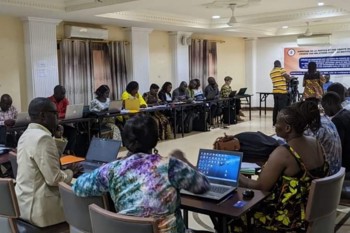
Technical assistance for the implementation of the projects Improvement of the judicial system and access to justice 2021-2025 and Improvement of trust between the population and the internal security forces
- 2021 – 2025
- de 2 a 5 millones de €
- Burkina Faso
The overall Technical Assistance was broken down into two components, linked by a joint general objective to contribute, within the thematic framework of governance of the Danish Country Programme for Burkina Faso 2016, to "an improved human rights situation, strengthening democratic governance and stability" in Burkina Faso.
The main focus was to provide technical assistance to the Governmental agencies and ministries to ensure that the danish programme did not convert into a simple patchwork of training and equipment activities, but that it materialized into a real governance project that links effectiveness, efficiency and accountability; the participation of citizens and CSOs, and inter-ministerial cooperation (particularly with Justice and Human Rights, Social Action and Promotion).
The development of these two axes was guided by the human rights-based approach (HRBA), particularly the four principles of non-discrimination, participation, accountability and transparency
Component 1: Technical Assistance To The Ministry Of Justice, Human Rights And Civic Promotion
The objective of the Development Commitment Paper 1 (DCP 1) was to “strengthen the effectiveness of human rights and the credibility of justice”.
Its aim was to produce the following four outputs:
- Output 1: the Ministry of Justice, Human Rights and Civic Promotion (MJHRCP) will monitor and coordinate the follow-up of the recommendations from the Universal Periodic Review (UPR) for which the public partners are responsible, and strengthen the government capacities in monitoring methods and documenting tools.
- Output 2: the UPR recommendations for which the MJHRCP is responsible were implemented, in particular concerning the key recommendations relating to the categories of rights that were targeted (e.g. child rights, women’s rights, the disabled and prisoners), contributing to an improved delivery of nationwide civic education on justice procedures.
- Output 3: the legislative framework was made more inclusive and participatory in accordance with the UPR recommendations concerning the independence of justice and the categories of rights targeted (child rights, women’s rights, the disabled and prisoners).
- Output 4: the code of ethics were adhered to better within the justice administration and by the governmental agencies and ministries.
Component 2: Technical Assistance To The Ministry Of Territorial Administration, Decentralisation And Security
The objective of the DCP 2 was to “help improve local access to justice, stability and the protection of human rights (2016 – 2020)”. Its aim was to produce the following three outputs:
- Output 1: security services has a good command of the tools and procedures for the protection of human rights, as per international standards.
- Output 2: security services show more presence and effectiveness in the towns / villages that do not have police or gendarmes, in particular by increased citizen participation.
- Output 3: the participation of the communities in building security are effective, especially for vulnerable groups.
The DCP 2 covered the Eastern and Northern Sahel regions and also the strategic function activities at central level. The flagship actions of the present commitment were based on:
- Support in reforming policies, security standards and human rights, as planned in the context of the security services’ missions, and support in preparing a White Paper on defence and security
- Consolidating the initial training in police and gendarme schools (new tools, approaches, procedures and techniques for human rights) and the continuing training (training of trainers and decentralised training in three regions) to accompany the huge ongoing recruitment drive for police officers and gendarmes.
- Support with communication and dialogue between the security services and the population, to assist with community participation on security issues, community conflict resolution and the fight against violent extremism.
The expected results include an improved capacity to deliver security services while respecting and protecting human rights; better citizen’s perception of security services; more responsible governance; and an improved dialogue between state actors and non-state actors (CSOs) when building community security and respecting human rights
- Palabras clave:
- Derechos humanos, Desarrollo institucional, Ejecución de proyectos / asistencia técnica, Justicia / Estado de derecho

Evaluation of the project Digital for Girls and Women (BFA 22005)
- 2025 – 2025
- menos de 500.000 €
- Burkina Faso, Uganda
This end term evaluation (ETE) of the Digital for Girls and Women (D4GW) project is both summative and formative with a general purpose to assess overall project performance. It aims at identifying all project outcomes and generating learning for scaling, sustainability, and policy integration within broader D4D initiatives.
The evaluation considers all pillars of the Project and its diversity in activities. Therefore, the scope is:
- Temporal: the ETE covers the whole implementation period, hence from December 2021 to May 2025, complementing the findings of the previous reviews (2022-2023 Results Report).
- Geographical: the ETE covers the project’s three geographical intervention areas: Belgium, Burkina Faso, and Uganda.
- Thematic: the ETE will assess the entire project, covering the analysis of the 2 specific objectives of the project, the interventions in the 3 countries, and the expected results.
Our approach to conducting this evaluation and the methodological tools is as follows:
- A theory-based approach relying on a contribution analysis that links together the inputs and activities of an intervention with its expected outcomes and impacts. A Theory of Change (ToC) is used to explain this intervention logic.
- Process evaluation: This methodology allows for understanding how well a program is working, the extent to which the program is being implemented as designed, and whether the implementation mechanisms are sufficiently efficient. While focusing on the “how” and “why”, it observes variances to initially intended, planned, and implemented activities.
- Collaborative and utilisation-focused approach: We will ensure to establish our analysis, interpretation, judgement and recommendations with an active involvement of evaluation users. This will not only improve the quality of our work but also allow a greater ownership and dissemination of our findings.
- Capitalising on existing data & evidence and combining qualitative and quantitative investigations: gather existing data from multiple sources, mainly the project management team and the beneficiaries, but also from the literature. Quantitative data provides hard evidence on the desk review, informs about the initial needs assessment and design of the programme, its implementation process, and outcomes.
- a mixed methods approach to conduct this evaluation, using a variety of tools to collect and generate credible evidence and respond to the evaluation questions. This methodology has been designed also to generate “useful” learning throughout the evaluation process for the project management and for Enabel in general.
- Socios:
- Particip (líder), Technopolis Group
- Palabras clave:
- Derechos humanos, Seguimiento y evaluación, Tecnologías de la información
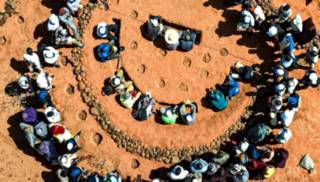
Final evaluation of 2 projects to strengthen social cohesion between displaced populations and host communities in Burkina Faso and Niger (WFP)
- 2024 – 2024
- menos de 500.000 €
- Burkina Faso, Niger
The overall objectives of this evaluation were twofold:
- To provide the relevant services of the European Union and interested stakeholders with an independent overall assessment of the performance of the 2 projects, paying particular attention to its different levels of results measured against its intended objectives and the reasons behind these results; and
- To identify key lessons learned, conclusions and associated recommendations to inform decision-makers on how to improve future interventions.
The specific objectives of this evaluation were:
- To understand the performance of these interventions in strengthening social cohesion, their determining factors and those that hindered the achievement of results, so as to modify their design or implementation modalities and serve as a basis for planning future EU interventions in the same sector.
- To analyse whether and how these interventions have helped to operationalise the HDP Nexus in innovative ways for the benefit of beneficiary communities.
- To inform decision-making on the relevance and thematic priorities of a second phase of these interventions.
- To explore the follow-up questions proposed in the IFPRI study, ‘Sahel Social Cohesion Research in Burkina Faso and Niger’:
- Deepen understanding of issues of intra- and inter-community equity and distributive justice.
- Assess the role of extrinsic versus intrinsic community motivation
- Identify key FFA activities that promote social cohesion
- Socios:
- Particip (líder)
- Palabras clave:
- Ayuda humanitaria, Seguimiento y evaluación
Provision of expertise and tools to support Recovery and Peace Building Assessments and Post-Disaster Needs Assessments
- 2017 – 2024
- de 2 a 5 millones de €
- Global
The Particip-led “Post Crisis Assessment and Recovery Planning: Support Office of the EU“ provided systematic support to all stages of disaster- and conflict-related needs assessment missions.
As part of the 2008 Joint Declaration on Post-Crisis Assessments and Recovery Planning, the World Bank (WB), United Nations (UN), and European Union (EU) have committed to providing joint support for assessing, planning, and mobilising efforts toward recovery, reconstruction, and development in countries affected by crises. This tripartite agreement was executed via the mechanism of joint Recovery and Peacebuilding Assessments (RPBA), Post-Disaster Needs Assessments (PDNA), and Pandemic Recovery Needs Assessments (PRNA).
The activities of the advisory team included:
- Provision of support to EU Delegations around the world and EU Services in Brussels in the planning, undertaking and reporting of post crisis assessments: RPBA: support to peacebuilding through short- and longterm support to specific EUDs. Trainings and and workshops for local authorities, ministries and EU staff. PDNA: post-disaster assessments and support to recovery including trainings and workshops. CRNA/PRNA: COVID/pandemic recovery needs assessments and support to recovery including trainings and workshops.
- Support to third countries to build their capacity to carry out RPBAs, PDNAs, and PRNA this includes institutional strengthening and inter-institutional coordination such as the HLAG (High-level-Advisory-Group) composed of WB, UN and EU;
- Facilitate coordination of EU and tripartite input to the implementation of the joint declaration (conceptual work and RPBA/PDNA/PCNA missions);
- Elaborate a preliminary early and longer-term framework (which identifies key recovery sectors, peacebuilding priorities, etc.)– in close cooperation with the EU Delegation and other relevant EU services, including identification/definition of sectors requiring additional EU support (whether provided through short-term assistance under the present project or not), essential cross-cutting issues, a tentative recovery calendar, recovery information management systems, the existing capacity in-country and institutional and legal arrangements for national Authorities, recovery support anticipated, etc.;
- Deployment of experts in RPBA/PDNA/PRNA missions, and
- Revise and/or updating the methodologies as necessary.
Recovery and Peacebuilding Assessments (RPBAs) offered countries a standardised and internationally recognised approach to identify the underlying causes and impacts of conflict and crisis. The RPBA had three primary purposes:
- to help governments identify, prioritise and sequence recovery and peacebuilding activities,
- to provide an inclusive process to support political dialogue and participation of stakeholders,
- to coordinate international support through a joint assessment and a joint recovery and peacebuilding plan as well as a monitoring system.
Post-Disaster Needs Assessment (PDNA) assisted governments with assessing the full extent of a disaster’s impact on the affected country and, on the basis of these findings, producing an actionable and sustainable Recovery Strategy for mobilizing financial and technical resources. The internationally recognised PDNA methodology is a key commitment mentioned in the the Joint Declaration on Post-Crisis Assessments and Recovery Planning. In May 2020, in order to respond to the COVID-19 pandemic, the PDNA methodology was adapted to elaborate a COVID-19 Recovery Needs Assessment (CRNA) methodology.
Recovery and Peace Building Assessment (RPBA)
Myanmar (Jan 2018); Burkina Faso (Jun 2019-June 2021); Mozambique (RPBA Nov 2020-Nov 2021); Azerbaijan (Joint Recovery Needs Assessment - falls outside the RPBA framework, Scoping Mission March 2022); Libya (Stocktaking 2018-2019, RPBA 2022)
Post-Disaster Needs Assessment (PDNA) & Disaster Risk Framework (DRF)
Myanmar (Jan 2018); Syria (Feb 2018); Ivory Coast (July-Sept 2018); Tunisia (Oct 2018); Bangladesh (2018); Georgia (2018); Tonga (2018); Fiji (2018); Mozambique (Apr–Aug 2019);
Central African Republic/CAR (July 2019); Somalia (Drought Impact Needs Assessment/DINA, July - Aug 2018); Albania (Dec 2019-Feb 2020); Lebanon (Rapid Damage Needs Assessment/RDNA, Aug 2020); Lebanon (DRF, Sep 2020-2021); Saint Vincent and the Grenadines (June–Aug) 2021); El Salvador (June-Dec 2021); Haiti (Sep-Oct 2021); Haiti (DRF, Nov-Dec 2021); Pakistan (Sep-Nov 2022); Pakistan (DRF, Nov-Dec 2022); Belize (Jan-Feb 2023); Turkey (Feb-Mar 2023); Ukraine Khakhova dam (June 2023), Myanmar (CMRNA , Sep 2023); Libya ( RDNA, Sep 2023); Afghanistan ( Oct 2023); Afghanistan ( AFPR-PDNA like Refugee support assessment, Nov 2023)
COVID-19 Recovery Needs Assessment (CRNA)
Ecuador (July 2020-Apr 2021); El Salvador (July-Sept 2020); Dominican Republic (Dec 2020-Feb 2021); Zambia (Feb-Aug 2021); Eswatini (Dec 2020-Nov 2021)
Trainings: Recovery and Peace Building Assessment (RPBA)
Bangkok, Thailand (Dec 2017); Lebanon (Apr 2018)
Trainings: Post-Disaster Needs Assessment (PDNA) & Disaster Risk Framework (DRF)
Dominican Republic (Nov 2017); Fiji (Mar-Apr 2018); Vanuatu (Apr 2018); Somalia (May 2018); Myanmar (Aug 2018); Mauritius (Oct 2018); Djibouti & Ethiopia (Feb 2019); Chad (Apr 2019); CAR & Congo (July 2019); India (Aug 2019); Kenya (Sept 2019); Caribbean (Nov 2019); St. Lucia (Nov 2019); Balkans (Sarajevo, Bosnia & Herzegovina, Feb 2020); Mexico (Feb 2020); Liberia (Mar 2020); Senegal (May 2021); Europe and the Commonwealth of Independent States/ECIS region (Jun 2021); University of West Indies (Training of Trainers/ToT, Dec 2021); Panama (PDNA/DRF, Latin American countries/LAC, Mar 2022); Belgrade (ECIS DPPI-SEE, Jun 2022); Regional ECIS (DRF, June 2022); Columbia (PDNA/DRF, July 2022); Costa Rica (PDNA/DRF, July 2022); Barbados (Caribbean countries, Mar 2023); Training Togo Regional ECOWAS (PDNA/DRF, May 2023); Antigua and Barbuda, Saint Johns (DRF, Sept 2023)
Trainings: COVID-19 Recovery Needs Assessment (CRNA) & Pandemic Recovery Needs Assessment (PRNA)
Sahel Region Academia (Nov 2020); Sahel Region government staff and regional organisations (Dec 2020); Ghana (Mar 2021); India (PRNA, Mar 2023)
Other Events
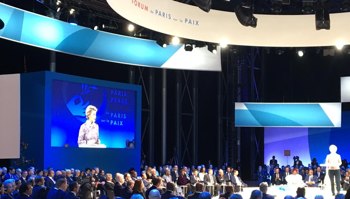
Fragility Forum (RPBA, Mar 2018); Paris Peace Forum (RPBA/PDNA 2019); Paris Peace Forum (RPBA/PDNA, Nov 2020); EU Information Session (Oct 2021); EU Information Session: Asia/Pacific Hub (April 2022); World Reconstruction Conference 5 and Global Platform for Disaster Risk Reduction/GPDRR (Apr 2022); International Society for Photogrammetry and Remote Sensing (ISPRS) Congress (satellite, June 2022); EU Information Session: Caribbean Region (online, June 2023); Slow Onset Event Damage and Loss Workshop ( Nov 2023); Cyclone Mitch 25 year Commemoration ( Oct 2023)
- Socios:
- Particip (líder), GIZ InS
- Palabras clave:
- Ejecución de proyectos / asistencia técnica, Formación, Gobernanza, Sociedad civil
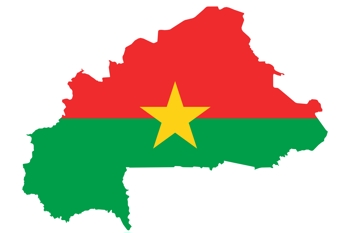
"Fund to Combat Trafficking and Other Worst Forms of Child Labour" (Children and Youth Fund, Phase VI)
- 2019 – 2023
- de 500.000 € a 1 millón de €
- Burkina Faso
Trafficking and the worst forms of child labour are a phenomenon that affects the entire West African sub-region, including Côte d'Ivoire, Benin, Togo, Mali and Nigeria. Burkina Faso is recognized as a supplier, transit and receiving country for children. In addition, the Burkinabe authorities estimate that half of Burkinabe children work in households, in agriculture - particularly on cotton fields and fruit and vegetable plantations - and in gold mines. The proportion of children aged between 8 and 18 living apart from their parents due to their work is estimated at about 5%. Reliable data on child labour and child trafficking are not available as there are methodological challenges in collecting data on this sensitive subject. With the development of a national child protection strategy for the period 2018-2027, the country aimed to build on the achievements while addressing the weaknesses of the protection system identified in the 2008-2017 COSP mid-term evaluation and confirmed by the mapping report in 2014. This strategy also aimed to operationalize the system approach desired by all, in the design, implementation and evaluation of policies, programmes and actions for children.
The "Children and Youth Fund" project was part of the national strategic framework for the protection and promotion of children's rights and the fight against trafficking and the worst forms of child labour. The objectives and areas of intervention of the Project were integrated into the priority actions of the National Action Plans.
The overall objective of the project was to contribute to the consolidation of human capital and the promotion of social protection.
The specific objective of the project was to strengthen the legal, institutional, socio-economic and cultural environment conducive to the promotion and protection of the rights of the child.
The results expected were as follows:
- Social infrastructure for children and young people, especially vulnerable children and youth, is set up and equipped;
- premises for communal social services are built and furnished;
- School canteens are supported with food for students' meals;
- and scholarships for studies and vocational training are awarded to vulnerable children and young people
- Socios:
- Particip (líder), Initiatives Conseil International (ICI)
- Palabras clave:
- Derechos humanos, Ejecución de proyectos / asistencia técnica, Infraestructuras, Sociedad civil
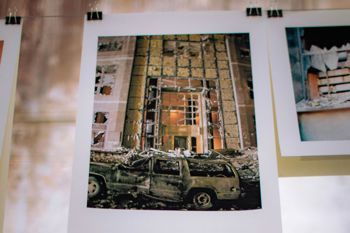
Thematic evaluation of FPI.2 managed responses to Counter Terrorism and Preventing/Countering Violent Extremism (CT-P/CVE) in beneficiary countries (2017-2022)
- 2022 – 2023
- menos de 500.000 €
- Albania, Burkina Faso, Indonesia, Ivory Coast, Jordan, Kazakhstan, Kosovo, Kyrgyzstan, Lebanon, Malaysia, Maldives, Morocco, Mozambique, Niger, North Macedonia, Pakistan, Philippines, Senegal, Sri Lanka, Tajikistan, Thailand, Tunisia, Turkmenistan, Uzbekistan
The main objectives of this evaluation are to provide the relevant services of the European Union, the interested stakeholders with:
- An overall independent assessment of the performance of selected CT-P/CVE measures funded by FPI.2 during the years 2017-2022, paying particular attention to its different levels of results measured against its expected objectives; and the reasons underpinning such results
- As a particular approach to regional actions, a specific case study shall be carried out to assess the regional framework for support to CT-P/CVE measures in the Asian context, managed by the Regional Team in Bangkok. It is expected that the present evaluation assesses the relevance, added value and success of developing a model for CT and P/CVE actions, respectively, which have been replicated in different countries/contexts in Asia/Pacific (in Pakistan, Sri Lanka and Maldives for CT; and in Southeast Asia, Sri Lanka and Maldives for P/CVE). If deemed relevant, links can also be made to regional approaches in other RTs;
- Key lessons learned, conclusions and related recommendations in order to improve current and future interventions.
In particular, this evaluation will serve the contracting authority and other interested services to better understand the performance of the Intervention, its enabling factors and those hampering a proper delivery of results to inform the planning and implementation of current and future support to tackle CTP/CVE.
The main use of the results of the evaluation is expected to be
- To draw general lessons that can be used for the future approach to interventions in the sector
- To draw specific lessons that can be replicated in other similar interventions
- To draw specific lessons from the regional approaches, in particular the one applied by the Regional Team in Bangkok in terms of stocktaking, dynamics and replicability.
The main users of this evaluation will be the contracting authority, FPI.2, including its Regional Teams in Bangkok, Nairobi, Dakar, Eastern Europe and Central Asia (managed from Brussels). The Regional Team in Brasilia is less involved since they currently do not manage any CT-P/CVE projects.
- Palabras clave:
- Seguimiento y evaluación
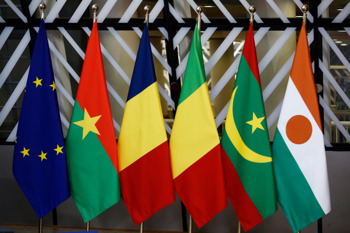
Production of the Sahel Alliance 5 years results report
- 2023 – 2023
- menos de 500.000 €
- Burkina Faso, Chad, Mali, Mauritania, Niger
The members of the Sahel Alliance have chosen to concentrate their efforts in five priority sectors of intervention, in line with the development priorities established by the G5 Sahel countries: Agriculture, rural development and food security; Decentralisation and basic services; Education and youth employment; Energy; Governance.
The overall objective of this contract is to produce the 5-years Technical Report in line with the needs of the SA needs. In line with the commitments of the SA and its members, the Sahel Alliance Coordination Unit (UCA) plans to produce a SA 5 years results report in 2023.
The 5 years results report will include the following elements:
- Analysis of the evolution of the national indicators included in the Alliance results framework in relation to the target values set by the G5 Sahel countries.
- The analysis of the aggregated results of the projects included in the Alliance Sahel portfolio in line with the project indicators included in the Alliance Sahel results framework.
- Analysis of the achievements attributable to the Sahel Alliance stricto sensu will beproduced, in order to show whatthe platform has collectivelyachieved and what its membersare achieving individually.
The following elements should be taken into consideration while drafting the report:
- A qualitative analysis will be needed, particularly in terms of Sahel Alliance member organizations contribution to the provision of basic services;
- The contexts of Sahelian countries (crisis, displacement of population, COVID-19, etc.) should be taken into account in the analysis of results where possible;
- Where possible, the results obtained should be read with regard to the existing policy messages and the sectoral notes issued by the sectoral and thematic coordination groups of the SA in order to measure their operational translation

Evaluation of the European Union support to Rule of Law and anticorruption in Partner Countries (2010-2021)
- 2021 – 2023
- de 500.000 € a 1 millón de €
- Burkina Faso, Congo (Kinshasa), Guatemala, Jamaica, Kenya, Kyrgyzstan, Mali, Myanmar, Niger, Nigeria, Philippines, Viet Nam
The general objective of this evaluation is to provide an independent assessment of the performance of EU support to the Rule of Law (RoL) and Anticorruption in the period 2010-2021 in INTPA partner countries, funded under DCI, EDF, EIDHR, IcSP, CSO and relevant Trust Funds. The evaluation seeks to be a stock-taking and forward-looking exercise but will focus on learning i.e. the identification of key lessons on what has and has not worked and why.
In addition, the specific objectives for this evaluation are:
- To assess the EU support to independent, effective and efficient justice systems, notably a) legislative processes (legality), b) legal certainty and access to justice; and c) equality and accountability before the law, in terms of its impact on good governance (including stability, human rights and democracy, environmental governance and business climate).
- To look at actions aimed at promoting anti-corruption, public accountability and transparency, improving the justice systems and enforcing the principle of separation of powers.
- To pay specific attention to the inclusion of different groups (political, ethnic, religious, etc.), women and youth in decision making at all levels.
- To gather insights on the extent to which the different tools, instruments and modalities used in the EU response have been beneficial in providing effective support to partner countries and the interactions and coherence of those, notably of policy and political dialogue.
- To evaluate the rationale of the EU in these supports to RoL, as well as risk mitigation measures and the impact of policy dialogue, not least on societal and state resilience.
- To produce recommendations for decision-makers in DG INTPA, FPI, DG NEAR, DG ECHO, DG Trade, DG JUST and EEAS on how to improve the EU’s policy strategy and implementation.
The temporal scope of the evaluation is 2010 to 2021, with a particular focus on the previous MMF (2014-2020). The evaluation will focus on the support provided to core state institutions and civil society organisations, specifically: state institutions and oversight bodies, justice institutions, anti-corruption agencies, civil society and human rights institutions.
- Socios:
- Particip (líder), ECDPM
- Palabras clave:
- Justicia / Estado de derecho, Seguimiento y evaluación
Monitoring of activities financed under Article 3 of the IcSP in West Africa and the Lake Chad Basin
- 2020 – 2021
- menos de 500.000 €
- Africa (Western)
The general objective of the service was to improve the degree of accountability and quality of certain EU-funded actions by providing the FPI Regional Team with follow-up and monitoring products for these actions and feedback on experience at the end of the project.
The specific objective of this contract was to assist the FPI Regional Team in the monitoring of certain projects financed under Article 3 of the IcSP in the Sahel region and the Lake Chad Basin.
- Socios:
- Particip (líder), EPRD
- Palabras clave:
- Ayuda humanitaria, Gobernanza, Seguimiento y evaluación
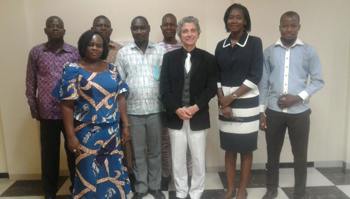
Technical assistance within the areas of justice, human rights and security in Burkina Faso
- 2016 – 2021
- de 2 a 5 millones de €
- Burkina Faso
TECHNICAL ASSISTANCE TO THE MINISTRY OF JUSTICE, HUMAN RIGHTS AND CIVIC PROMOTION
The objective of the Development Commitment Paper 1 (DCP 1) was to “strengthen the effectiveness of human rights and the credibility of justice”. Its aim is to produce the following four outputs:
- Output 1: the Ministry of Justice, Human Rights and Civic Promotion (MJHRCP) will monitor and coordinate the follow-up of the recommendations from the Universal Periodic Review (UPR) for which the public partners are responsible, and strengthen the public partners’ capacities in monitoring methods and documenting tools.
- Output 2: the UPR recommendations for which the MJHRCP is responsible will be implemented, in particular concerning the key recommendations relating to the categories of rights that are targeted (e.g. child rights, women’s rights, the disabled and prisoners) and relating to the independence of justice.
- Output 3: the legislative framework will be made more inclusive and participatory in accordance with the UPR recommendations concerning the independence of justice and the categories of rights targeted (child rights, women’s rights, the disabled and prisoners).
- Output 4: the code of ethics will be adhered to better within the justice administration and by the judiciary actors.
The DCP 1’s field of activity was funnel-shaped from the broadest to the most specific issue, and can be described as follows: the general aim of output 1 is for the MJHRCP to monitor and coordinate the follow-up of the UPR recommendations, under the responsibility / in partnership with other public partners (the responsible ministerial departments or partners, and public institutions including the National HR Commission etc.) and to strengthen their capacities in monitoring methods and documenting tools; the aim of output 2 is for the MJHRCP to implement the UPR recommendations, particularly concerning the quality of the key recommendations relating to non-derogable fundamental rights, the independence of justice, women’s rights and child rights; the aim of output 3 is to make the legislative framework more inclusive and participatory in accordance with UPR recommendations, in particular concerning the independence of justice, women’s rights and non-derogable rights; and finally, more specifically, output 4 aims to improve the code of ethics within the justice administration and among the judiciary actors.
TECHNICAL ASSISTANCE TO THE MINISTRY OF TERRITORIAL ADMINISTRATION, DECENTRALISATION AND SECURITY
The objective of the DCP 2 was to “help improve local access to justice, stability and the protection of human rights (2016 – 2020)”. Its aim is to produce the following three outputs:
- Output 1: security services will have a good command of the tools and procedures for the protection of human rights, as per international standards.
- Output 2: security services will show more presence and effectiveness in the towns / villages that do not have police or gendarmes.
- Output 3: the participation of the communities in building security will be effective, especially for vulnerable groups.
The DCP 2 covers the Eastern and Northern Sahel regions and also the strategic function activities at central level. The flagship actions of the present commitment are based on:
- Support in reforming policies, security standards and human rights, as planned in the context of the security services’ missions, and support in preparing a White Paper on defence and security, planned for 2016.
- Consolidating the initial training in police and gendarme schools (new tools, approaches, procedures and techniques for human rights) and the continuing training (training of trainers and decentralised training in three regions) to accompany the huge ongoing recruitment drive for police officers and gendarmes.
- Support in deploying childhood protection squads in the Eastern and Northern Sahel regions.
- Set-up of model stations / units to receive citizens (especially locally for facilities to keep suspects in custody, separate rooms for women and minors, information panels to provide information on the services or benefits available).
- Support with communication and dialogue between the security services and the population, to assist with community participation on security issues, community conflict resolution and the fight against violent extremism.
The expected results include an improved capacity to deliver security services while respecting and protecting human rights; better citizen’s perception of security services; more responsible security services; and an improved dialogue between state actors and non-state actors when building community security and respecting human rights. The emphasis is placed on groups vulnerable to insecurity or to being deprived of human rights, such as the populations of the three regions and within them, women, minors, and chronic victims of the violation of human rights in Burkina Faso.
- Socios:
- Particip (líder), TANA Copenhagen
- Palabras clave:
- Derechos humanos, Justicia / Estado de derecho

Evaluation of the National Gender Policy 2009-2019 and Formulation of the new National Gender Strategy 2020-2030
- 2019 – 2020
- menos de 500.000 €
- Burkina Faso
The general objective of the study was to make a prospective assessment of the results achieved in terms of gender equality through the implementation of the National Gender Policy (NGP) 2009-2019, to specify the shortcomings, the lessons learned, to identify the perspectives and major strategic orientations in relation to the international commitments ratified by the country and to formulate a new national gender strategy 2020-2030.
Specific objectives :
Specifically, they were to:
- Examine the level of achievement of the objectives set out in the PNG
- Analyzing PNG Implementation Intervention Strategies
- Produce information relating to the results achieved, i.e. evidence/evidence of the findings that will be made.
- Analyzing the effects and impact of PNG implementation in reducing gender inequalities
- Determine PNG's level of resource mobilization and financial implementation
- Appreciate PNG's contributions to the implementation of the ongoing NESDP (in terms of prospects for the future)
- To make relevant recommendations for the formulation of the new gender strategy 2020-2030
- Elaborate the new national gender strategy 2020-2030 in coherence with Agenda 2063, Agenda 2030, the orientations of the ENP 2025 and the PNDES 2016-2020.
- Analyzing the institutional arrangements for implementing and monitoring PNG
- Identify the constraints and difficulties encountered in the implementation of PNG
- Identifying best practices in gender promotion in Burkina Faso
- Analysis of the contribution of technical and financial partners to the implementation of PNG
- Assess the level of political commitment for the implementation of the PNG
- Socios:
- Particip (líder), SICI Dominus
- Palabras clave:
- Derechos humanos, Seguimiento y evaluación
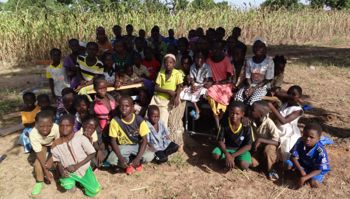
Fund for combating child trafficking and the worst forms of child labour (Children Fund, Phase IV)
- 2014 – 2018
- de 500.000 € a 1 millón de €
- Burkina Faso
The project "Children’s Fund" was set up in 2005 to support activities aimed at fighting child trafficking and the worst forms of child labour in Burkina Faso.
The overall objective was to contribute to the strengthening of human capital and the promotion of social protection. The specific objective was to strengthen the legal, institutional, socio-economic and cultural environment so that it was conducive to the promotion and protection of child rights.
The project activities were categorized into three components :
Component 1 aimed to strengthen the legal and institutional environment thereby facilitating the promotion and protection of child rights at national level. Activities :
- Advocacy for the inclusion of child trade and trafficking topics in the national education policy.
- Strengthening of the legal and institutional framework for the promotion and protection of child rights.
- Support in drafting thematic studies and in implementing recommendations.
- Capitalisation on the experiences of the Children’s Fund and dissemination of good practices at national level.
Component 2 aimed to develop the capacities of the local and regional authorities in the project priority area so that they could better fulfil their role, particularly in the social sector, helping children who were victims of or had been exposed to trade and the other worst forms of child labour. Activities:
- Provide support to the local and regional authorities with Information – Education – Communication (IEC) activities, and with advocacy and resource mobilisation.
- Accompanying the local and regional authorities in the preparation and implementation of Municipal Action Plans for fighting child trade and labour (MAP/CTL) and of thematic studies.
- Accompanying the local and regional authorities in the implementation of social services and municipal accounts.
- Capacity building measures to ensure that the local and regional authorities respect cross-cutting issues (gender, HIV/AIDS, environment) when managing social projects in the community.
- Introduction of an Award for Excellence in the project zone, for the best community project to help vulnerable children.
Component 3 aimed to directly improve the target group’s knowledge of child rights, and of social and economic conditions in the priority project zone. Activities:
- Assistance with awareness campaigns (IEC, theatre groups, cine-debates etc.)
- Support for schooling and professional training (scholarships, supplies, tuition fees, school canteens, assistance to Teaching Mother associations).
- Support to the construction / equipment of social infrastructure (reception centres, hostels/shelters, classrooms etc.)
- Socios:
- Particip (líder), Initiatives Conseil International (ICI)
- Palabras clave:
- Derechos humanos, Ejecución de proyectos / asistencia técnica, Gobernanza, Infraestructuras, Sociedad civil
Support for the elaboration of an action plan to strengthen the capacity of the monitoring and evaluation mechanism of the National Economic and Social Development Plan (PNDES)
- 2017 – 2018
- menos de 500.000 €
- Burkina Faso
The overall objective of this consultation is to provide the Permanent Secretariat of the PNDES (SP/PNDES) and the various actors involved with an action plan aimed at strengthening monitoring and evaluation for the PNDES. This action plan should ensure that actions are defined to monitor the Sustainable Development Goals (SDGs) and that such actions allow for a strengthening of the links between policy monitoring and the budgetary process.
In concrete terms, and based upon the draft action plan drawn up by the SP/PNDES, this consultation will involve:
- making a global diagnosis of the monitoring and evaluation mechanism;
- assessing the operational capacities of those involved in the mechanism;
- identifying the operational capacity building needs of the mechanism’ s stakeholders;
- proposing, in consultation with the mechanism’ stakeholders, of activities to strengthen the implementation of the PNDES;
- proposing a capacity building programme for the mechanism’ stakeholders;
- providing the SP/PNDES with a coherent action plan;
- estimating the cost of the action plan, defining the sequencing of activities and identifying the responsible structures;
- defining common instruments for the financing of this action plan by the Technical and Financial Partners (PTFs) in Burkina Faso;
- defining a communication plan for the different audiences: authorities, general public, PTFs, potential investors, civil society;
- writing the different project documents (DAO) for future EU support to the implementation of the PNDES.
Results to be achieved by the contractor:
- Result 1: The action plan is defined. Its cost is estimated and the timetable for its implementation is available
- Outcome 2: The instruments for financing the action plan by the PTFs are identified. Operational requirements are identified
- Output 3: The communication plan of the PNDES is defined
- Outcome 4: A training plan for stakeholders (including SP/PNDES, DGESS, DGESS, DGEP, INSD) is defined
- Outcome 5: Project documents for future EU support are available
- Palabras clave:
- Comunicación y medios, Seguimiento y evaluación

Identification and Formulation of Support to West Africa Peace, Security and Stability: Complementary action combatting other main threats
- 2016 – 2017
- menos de 500.000 €
- Africa (Western)
This assignment provided a coherent proposal to ECOWAS and EU for the strengthening of coordination and cooperation in security in West Africa and the implementation of programmes dealing with specific threats.
It gave sufficient background information and justifications to enable the ECOWAS and EU to make an informed decision on specific objectives and of the projects' implementation modalities.
The specific objective of this assignment was to prepare all the necessary elements of 4 different Action Documents to implement 4 potential projects covering respectively areas A, B, C and D.(Area A: Border Management, Area B: Enhancing Cybersecurity in ECOWAS region, Area C: Support to GIABA, Area D: Fighting against illicit trafficking).
For each area A,B,C and D, it was required to proceed to:
- an identification of issues, strategical orientations and priority intervention areas
- a formulation of the project under 11th EDF (Phase II).
- Socios:
- Particip (líder), EuroPlus
- Palabras clave:
- GCP / marco lógico

Final and prospective evaluation of the Park Agreement Support Program (PAPE)
- 2016 – 2017
- menos de 500.000 €
- Burkina Faso
L’objectif global était de contribuer à la conservation de la biodiversité et des services écosystémiques pour un développement durable en Afrique de l’Ouest.
L’objectif spécifique était de renforcer durablement la conservation des écosystèmes du complexe WAP (W, Pendjari, Arly) dans une perspective régionale et avec optimisation des bénéfices pour la population riveraine.
L'évaluation avait pour principaux objectifs de présenter aux services de coopération extérieure concernés de l’Union européenne, au gouvernement partenaire et, le cas échéant, au grand public:
- Une appréciation globale, en toute indépendance, des résultats de l’intervention du PAPE en s’attachant plus particulièrement aux résultats du projet par rapport à ses objectifs;
- Les principaux enseignements de l'intervention et des recommandations afin d’améliorer les mesures en cours et les futures actions dans le cadre du PIR 11 FED.
- Socios:
- Particip (líder), Expertise Advisors (formerly: ETI Consulting)
- Palabras clave:
- Medio ambiente, Seguimiento y evaluación